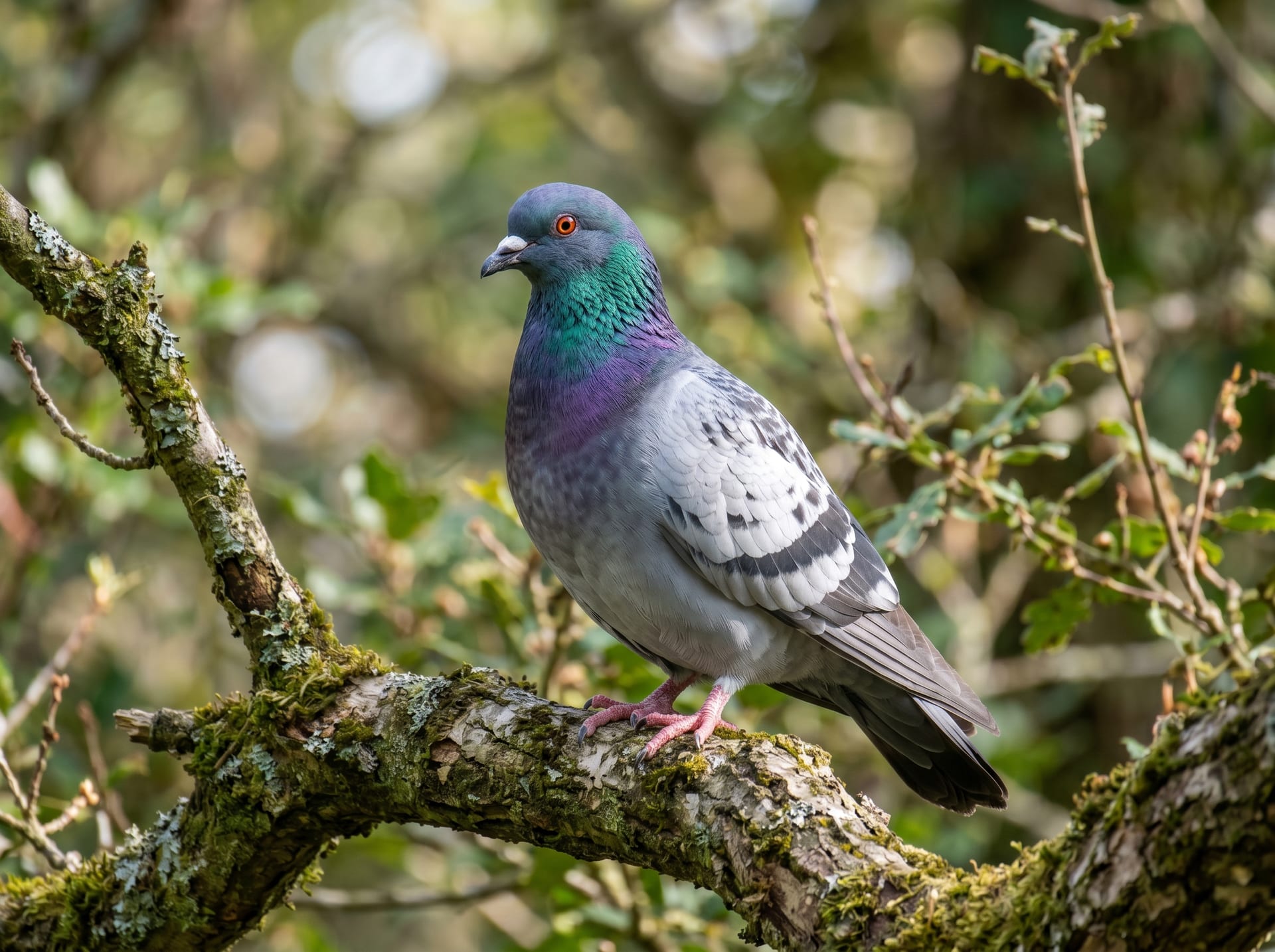
鴿子
鴿子是與人類共同生活歷史最長的鳥類之一,以性格溫和、沉靜而著稱。牠們鳴叫聲柔和,即使在公寓樓也容易飼養,習慣後會輕輕停在手上,展現出可愛的一面。從觀賞用到信鴿競賽,牠們是能提供豐富樂趣的深度伴侶鳥。
View 鴿子 encyclopedia →- 價格行情
- ¥210,000〜¥210,000
成交手續費 0%!2026年9月30日前註冊,前 2 筆成交免佣金!
繁殖者 招募中!
在 BreederDirect 上架,直接銷售給全國各地的客戶!
BreederDirect 保證的 6 項透明度要點
鳥出品時,繁殖者將公開以下資訊。確保手養、DNA性別鑑定、健康檢查的透明度。
- 手養
- DNA性別鑑定
- 健康檢查完成
- 產地公開
- 色彩公開
- 月齡公開
查看全部35個品種
鳥分類正在招募認證繁殖者
繁殖者正在陸續註冊,即將上架。設定上架通知,不錯過新商品。
「接收上架通知」需免費註冊會員即可設定。當有符合您儲存條件的新商品上架時,我們會以郵件和站內通知提醒您。
已註冊的繁殖者(搶先看)
關於鴿子
鴿子是地球上最古老的伴侶鳥之一,約一萬年前就開始與人類共同生活。在古代美索不達米亞和埃及,牠們被尊為神聖之鳥;在近代,作為信鴿,牠們在戰場上拯救了無數生命。目前作為寵物飼養的品種起源於野生的岩鴿,已分化為包括賽鴿、扇尾鴿、雅各賓鴿等200多個品種。體型因品種差異很大,從小巧的鑽石鴿到超過50厘米的大型品種應有盡有。羽色豐富多樣——灰色、白色、褐色、黑色、泛紅色等——許多品種擁有美麗的扇形尾羽或顯著的頸部羽毛。性格總體溫和,攻擊性低,長時間相處也不會令人感到疲憊,這種沉靜氣質正是牠們的魅力。由於飛翔本能強烈,牠們偏愛寬敞的空間,在自由飛行中展現出生機勃勃的姿態。
迎接鴿子前需要了解的6件事
1飼育空間的確保
鴿子體型較大,需要足夠寬敞的籠舍或鳥舍。理想情況下應準備寬度至少90厘米的籠子,並每天安排自由飛行時間。在狹窄的環境中,壓力會導致拔毛行為。
2配對飼養更穩定
鴿子天性群居,單獨飼養一隻容易導致孤獨壓力。無論同性或異性配對,都能使其精神狀態穩定,並會減少鳴叫和問題行為。但如果不想繁殖,選擇同性配對會更易於管理。
3飼食簡單就可以
主食使用專用鴿子配合飼料(穀物混合),其中包含糜子、粟、麻籽、玉米等成分。副食可經常放置蚵殼粉末和砂礫,這有助於消化和骨骼形成。雖然可以少量給予蔬菜和水果,但關鍵是保持主食穀物的均衡供給。
4鳴聲低且穩定
鴿子的鳴聲是「咕咕」、「波波」這樣的低沉反覆音,不像鸚鵡或白腰文鳥那樣尖銳。不過繁殖期的公鴿可能會長時間鳴叫,因此最好提前確認鄰居和家人的接受程度。母鴿和去勢個體相對安靜。
5注意衛生管理和羽毛粉塵
鴿子會產生稱為「鴿毛粉」的細羽粉,因此籠子周圍容易被白色粉塵污染。每天清潔籠子托盤,用濕布擦拭能有效防止糞便乾燥後飛揚。有過敏體質的人應提前諮詢醫生。
6選擇獸醫很重要
能治療鴿子的動物醫院比專門治療犬貓的醫院少得多,提前列出提供「異寵醫療」或「鳥類專科」的獸醫是很重要的。通過每年的健康檢查和糞便檢查可以及早發現寄生蟲和傳染病。特別是滴蟲病是鴿子的常見感染症,建議定期檢查。
鴿子的常見問題
- Q.鴿子可以在公寓裡飼養嗎?
- A.基本上是可以飼養的,但需要採取措施應對鳴叫聲(尤其是雄鴿繁殖期)和羽粉污染。籠子應放在室內,透過定期通風和徹底清潔,可以舒適地共存。即使是允許寵物的房產,也要確認管理規約中是否許可「鳥類」的飼養。
- Q.鴿子的壽命有多長?
- A.在適當的飼育環境和定期健康管理下,活15~20年左右的情況並不少見。與室外飼育相比,室內飼育的天敵和疾病風險較低,具有壽命較長的傾向。考慮到它將成為長期的伴侶,建議在迎接前進行充分的思考。
- Q.可以教鴿子學習技巧或訓練嗎?
- A.鴿子學習能力強,可以學會靶子訓練、「轉身」、「回來」等基本行為。使用正強化(用喜愛的食物作為獎勵)的短時間訓練課程很有效。利用歸巢本能進行的賽鴿和公園放飛訓練也是傳統的樂趣之一。
- Q.如何防止鴿子繁殖?
- A.同性配對飼育是最簡單的方法。對於異性配對,在產卵後立即用假卵(塑料模型)替換,可以防止孵化同時保持抱卵行為。如果希望完全控制繁殖,獸醫進行的外科手術(絕育)也是一個選擇。
- Q.鴿子會將傳染病傳給人嗎?
- A.妥善管理的室內籠鳥風險非常低,但並非零風險。已知存在衣原體病(鸚鵡熱)和過敏性肺炎(鴿肺)等風險,免疫力低下的人群需要特別注意。通過定期健康檢查、保持籠舍清潔衛生、確保充分通風,可以大幅降低風險。
適合飼養鴿子的實用工具
Learn more about 鴿子 in the encyclopedia
查看鴿子的圖鑑條目 →
收錄飼養難度、壽命、體長、食性等基礎資料。