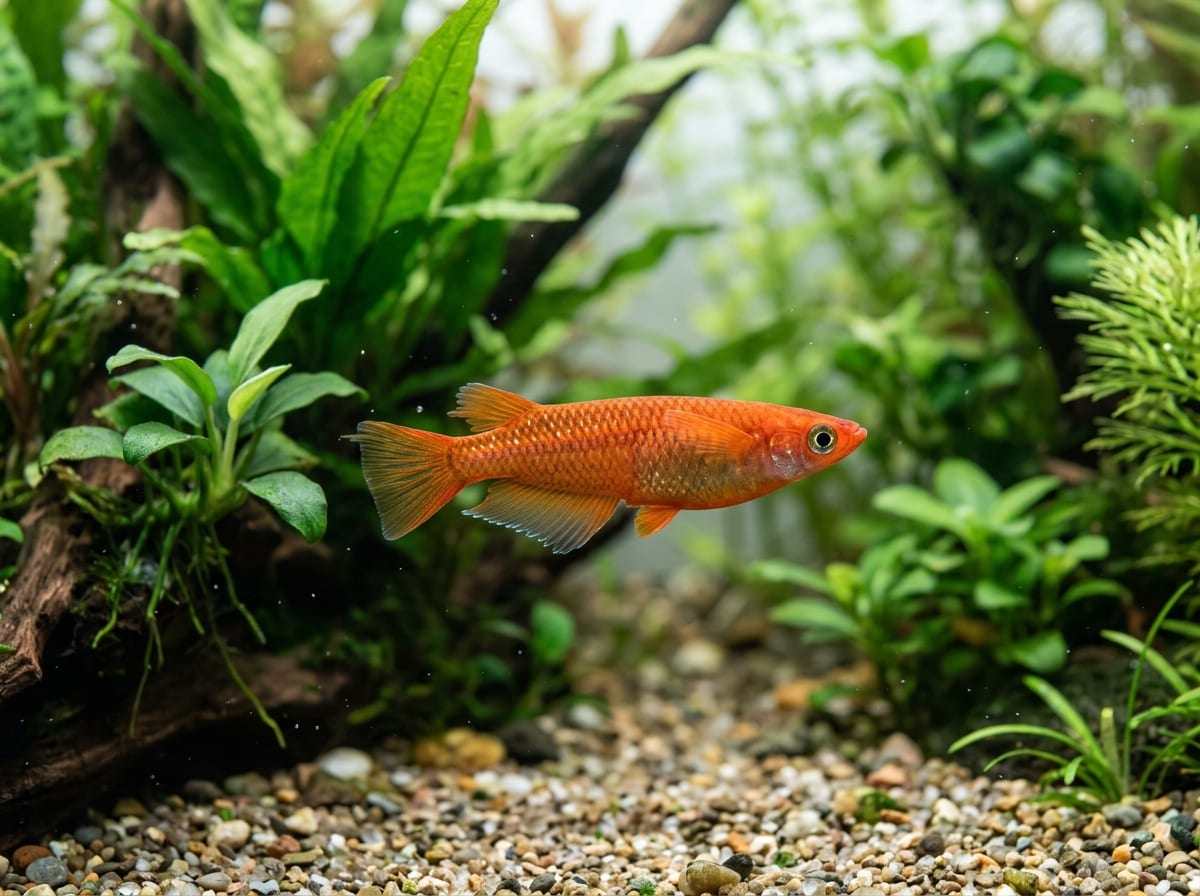
杨贵妃青鳉
拥有鲜艳夺目的朱红色,自青鳉热潮初期以来一直保持着不动的人气的品种。性格强健,容易繁殖,是初学者的最佳选择。根据体色的深浅程度划分等级。
View 杨贵妃青鳉 encyclopedia →- 价格范围
- ¥4,000〜¥4,000
成交手续费0%!2026年9月30日前注册,前 2 笔成交免佣金!
繁殖者 招募中!
在BreederDirect发布商品,直接销售给全国客户!
BreederDirect 承诺的 9 个透明度要点
青鳉的出品中繁殖者将明示以下信息。确保多种多样的色变(杨贵妃/幹之/闪鳞)和血统系统的透明度。
- 品种明示
- 系统名
- 实物照片
- 体色分类
- 体型标示
- 鳞片标示
- 尺寸标示
- 产地明示
- 世代标示
查看全部20个品种

杨贵妃青鳉的基本数据
- 饲养难度
- 适合新手
- 寿命
- 2〜3年
- 体型
- 3〜4厘米
- 适宜温度
- 5~30℃(适温 20~28℃)
- 饮食
- 人工饲料、水蚤、丰年虫幼虫
- 饲养容器
- 室外塑料池或室内水槽。容量10L以上推荐
- 水质
- 中性至弱碱性。除氯自来水即可
- 繁殖
- 水温25℃以上、日照13小时开始产卵
- 注意事项
- 红系色扬饲料对体色发色有效
关于杨贵妃青鳉
楊貴妃是2000年代初期青鳉热潮的象征品种之一,对改良青鳉的普及做出了巨大贡献。其名称源自唐代的绝世美女杨贵妃,鲜艳的朱红色体色正是这个优雅名字的完美诠释。从野生青鳉所拥有的淡橙色出发,经过多年的选别繁殖,目前深厚的红色被确立下来。体型以标准体型为基础,透明的身体上覆盖朱红色色素的姿态,无论在水族箱还是睡莲盆中都显得格外亮眼。性格温和,倾向于集群生活。饲养多尾个体可以欣赏到自然的群游姿态。对水质和温度的适应能力很强,从室外的生态缸到室内水族箱,能适应广泛的环境,这也是其受欢迎的原因。作为改良青鳉的入门品种,是理想的选择。饲养过程中可以享受到培养美丽体色的乐趣。
杨贵妃青鳉的价格行情
最低价
¥4,000
平均价格
¥4,000
最高价
¥4,000
根据当前 1 个刊登计算
按都道府县查找杨贵妃青鳉
杨贵妃青鳉的热门毛色
经营杨贵妃青鳉的精选繁殖者
查看全部杨贵妃青鳉繁殖者列表(2)→迎接过杨贵妃青鳉的顾客评价
对方处理得非常周到
已安全送达,正在精神饱满地游来游去。非常感谢!
迎接杨贵妃青鳉前需要了解的7件事
1朱红色的等级与选择方法
楊貴妃根据体色红度的深浅分为不同等级,色泽越深的个体价格越高的趋势。购买时要确认全身是否均匀发色,鳍的尖端是否都带有红色。由于光线照射的角度会改变外观效果,如果可能的话,建议在自然光下观察。
2日照与色彩提升效果
楊貴妃的朱红色在充分日光照射下会更加鲜艳发色。在室外光线充足的地方饲养被认为对色彩提升有效。不过,盛夏的直射日光会存在水温急速上升的风险,因此需要在下午将其放置在阴凉处,或采取遮光等遮阳措施。
3适宜的饲养水温范围
包括杨贵妃在内的青鳉普遍能耐受5~30℃左右的水温,但最稳定的饲养条件是在18~26℃左右。水温的急剧变化会造成压力和疾病,因此在季节交替时需要特别注意水温变化。冬季不加温也能越冬,但生长和繁殖会暂停至春季。
4繁殖及稚鱼饲养管理
杨贵妃具有很强的繁殖能力,只要环境适宜,春季到夏季就会频繁产卵。卵会产在水草或专用产卵床上,孵化后应该将稚鱼转移到单独的容器中饲养,防止被亲鱼吃掉。稚鱼期间的换水负担较大,因此建议用吸管吸出污物和少量补水作为基本方法。
5具有增色效果的饲料选择
市场上销售的青鳉用饲料中,有一些配有类胡萝卜素的「增色用」产品,据说可以帮助杨贵妃维持更鲜艳的红色。但过量喂食会导致水质恶化,因此建议每天2~3次,每次投喂3~5分钟内能吃完的量。水蚤和草履虫等活食也能促进生长。
6饲育容器和底砂的选择
杨贵妃的观赏需要选择黑色容器或黑色底砂来衬托其红色体色。白色或透明的容器可能会使体色显得较浅,若想充分欣赏其发色效果,选择深色背景是关键。睡莲盆等陶瓷容器水温变化较为平缓,也适合室外饲养。
7初期费用和维持费的估计
楊貴妃流通量大,标准级个体每条约数十至数百元。高级个体可能数千元。饲养设备简单,只需容器、底砂、充气装置(或水草)和饲料即可进行基本饲养。维持费用主要为饲料费和用水费,每月约数百元。
杨贵妃青鳉的常见问题
- Q.楊貴妃的体色变淡了,怎样才能让它变浓?
- A.将饲养容器更换为黑色或深色,并投喂含有类胡萝卜素的专用增色饲料,可期待改善。此外,适度的直射日光也能促进增色。由于快速改善较为困难,长期坚持很重要。
- Q.楊貴妃能在室外的睡莲盆中越冬吗?
- A.该鱼相对较耐寒,在水不完全冻结的环境下可以进行屋外越冬。选择水深为10cm以上的容器,并采用落叶等保温措施会更安心。在严寒地区,移至室内饲养可能更为适宜。
- Q.楊貴妃繁殖出稚鱼了,怎样饲养才好?
- A.稚鱼应该在与亲鱼分开的容器中饲养。投喂粉末状的稚鱼专用饲料,每天2~3次少量投喂。换水时要小心不要吸入稚鱼,保持水温稳定的饲养环境有利于提高生存率。
- Q.楊貴妃能和其他青鳉品种一起饲养吗?
- A.由于性格温顺,与其他改良青鉉品种混养基本上没有问题。但如果以繁殖为目的,不按品种分开管理容易发生杂交。若想维持纯正的杨贵妃血统,建议单独进行繁殖管理。
- Q.饲养杨贵妃需要多少初期费用?
- A.睡莲盆、小型水槽、饲料、除氯剂等基本套装约需3,000~10,000日元。杨贵妃本身若是普通品级,相对便宜(数百日元~),容易入手。室外饲养时有时不需要过滤器,成本相对较低,容易开始。
适合饲养杨贵妃青鳉的实用工具
Learn more about 杨贵妃青鳉 in the encyclopedia
查看杨贵妃青鳉的图鉴条目 →
收录饲养难度、寿命、体长、食性等基础数据。