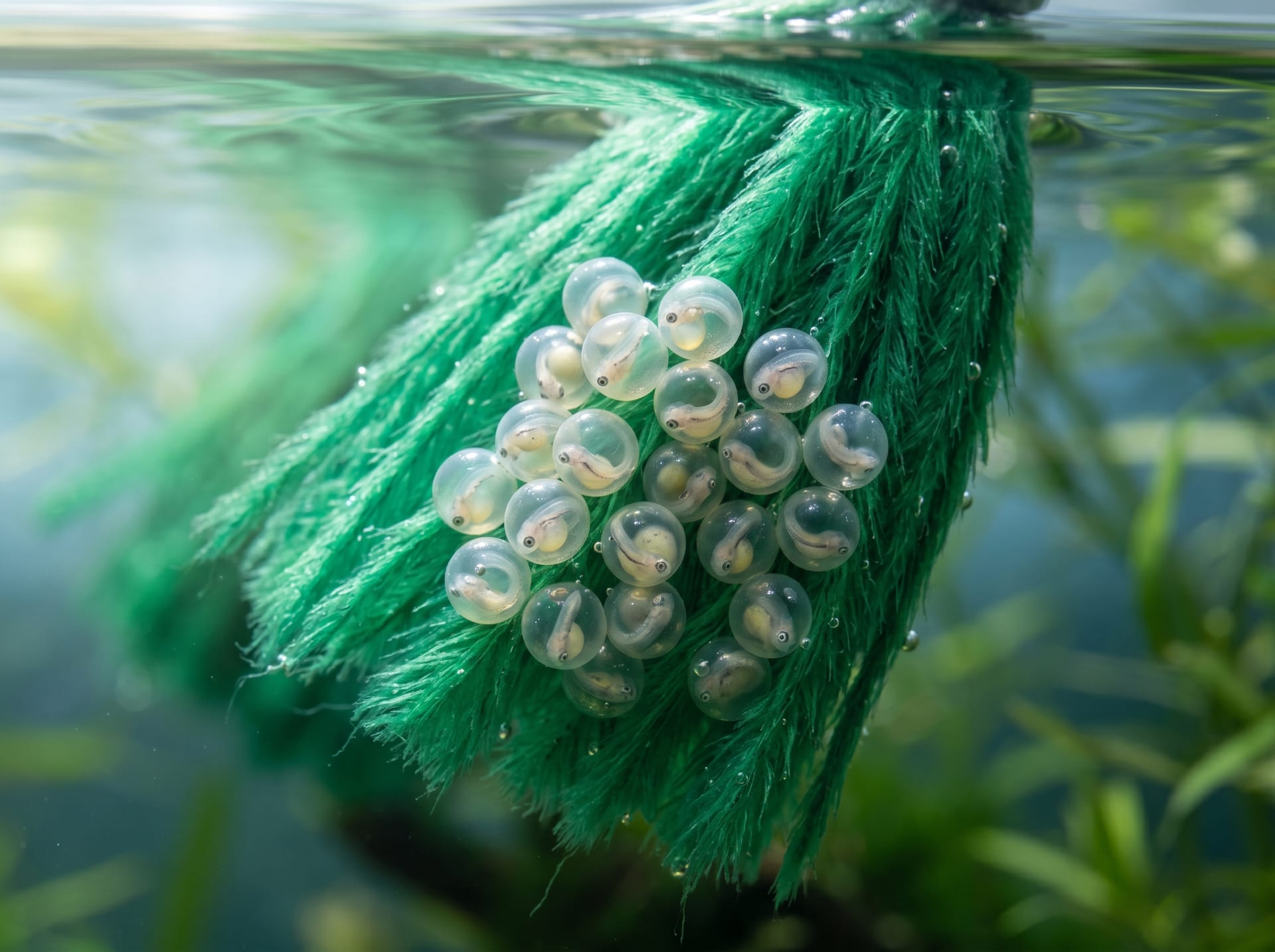
卵
青鳉的卵提供了一种特殊的体验,可以近距离观察从产卵到孵化的生命奥秘。如果水温和水质管理得当,稚鱼会在10~14天后诞生,从零开始享受成长的喜悦。为孵化后的稚鱼饲养做好准备,是繁殖成功的关键。
成交手续费0%!2026年9月30日前注册,前 2 笔成交免佣金!
繁殖者 招募中!
在BreederDirect发布商品,直接销售给全国客户!
BreederDirect 承诺的 9 个透明度要点
青鳉的出品中繁殖者将明示以下信息。确保多种多样的色变(杨贵妃/幹之/闪鳞)和血统系统的透明度。
- 品种明示
- 系统名
- 实物照片
- 体色分类
- 体型标示
- 鳞片标示
- 尺寸标示
- 产地明示
- 世代标示
查看全部20个品种
青鳉分类正在招募认证繁殖者
繁殖者正在陆续注册,即将上架。设置上架通知,不错过新商品。
「接收上架通知」需免费注册会员即可设置。当有符合您保存条件的新商品上架时,我们会通过邮件和站内通知提醒您。

关于卵
青鳉的卵是自古以来就为日本家庭和学校教育所熟悉的、身边的生命教材。青鳉自江户时代起被作为观赏鱼饲养,历史悠久,由于繁殖容易,卵的观察和孵化也广泛进行。卵在产卵后立即通过附着丝连在一起,但很快就会一个一个分开,变成圆形透明的样子。随着发育进行,可以看到卵中的眼睛,孵化前夕还可以看到稚鱼在活动。水温在25℃左右时,通常10~14天就会孵化。卵的饲养最大的魅力在于能从零开始见证生命的诞生。稚鱼破卵而出游泳的瞬间,无论经历多少次都令人感动。通过观察、繁殖和饲养,对生物的理解和爱好自然而然地培养起来。
经营卵的精选繁殖者
查看全部卵繁殖者列表(2)→迎接卵前需要了解的5件事
1水温以25~28℃为宜
卵的发育受水温影响很大,25~28℃是最稳定、最容易孵化的环境。水温过低会导致发育迟缓,超过30℃会增加畸形和死卵的风险。请用加热器和温度计进行稳定的管理。
2卵应与亲鱼分开管理
亲鱼和其他青鳉会吃卵,因此产卵后立即将卵移至另一个容器很重要。从产卵床上轻轻取出卵,用孵化专用的小容器管理是常见的做法。隔离可以大幅提高孵化率。
3孵化需时10~14天
在25〜28℃的环境下,通常从产卵到孵化需要约10〜14天。水温较低时孵化所需的时间会更长。当能看到卵内出现眼睛时,这是即将孵化的信号,观察的乐趣也随之增加。
4提前准备幼鱼饲料
孵化后的幼鱼嘴巴极小,无法食用普通的青鳉饲料。需要事先准备粉状的幼鱼专用饲料或草履虫。在预计孵化日期前几天就做好准备会更加放心。
5成本感受:卵相对便宜
青鳉卵的价格因品种而异,但通常可以以10〜30粒为单位,以数百円的价格购买,相比成鱼更容易入门。不过孵化率和品质因饲养者而异,因此选择可信赖的卖家很重要。同时还要估算幼鱼容器、饲料、水质调整剂等初期费用。
卵的常见问题
- Q.卵白浊是死卵吗?
- A.白浊的卵在大多数情况下是无精卵或死卵。如果长了霉菌,则肯定是死卵,应立即移除以防止对周围卵的感染。透明的卵中能看到眼睛或血管是健康的标志。
- Q.孵化需要多少天?
- A.在25〜28℃的水温环境中,产卵后通常在10〜14天内孵化。水温越低所需天数越长,在20℃以下有时需要2〜3周以上。以积温(水温×天数)约250℃日为目安较为直观。
- Q.卵是产在水草上的吗?
- A.青鳉具有在水草和产卵床纤维上产卵的习性。准备凤眼莲或爪哇莫丝等水草,或准备市售的产卵床就能高效地采集卵。将产卵床转移到另一容器中,可以在不伤害卵的情况下将其隔离。
- Q.容器应该用什么样的?
- A.虽然可以用小型塑料容器或剪开的宠物瓶代替,但建议使用易于观察的透明容器。容量500ml〜1L左右就足够了,轻微曝气有助于维持水质。不铺底砂,简单的环境反而更容易管理。
- Q.仔鱼生下来后吃什么?
- A.孵化后2〜3天内,仔鱼可以靠卵黄囊的营养生存。之后应该每天2〜3次少量投喂粉状仔鱼专用饲料。投喂过量会恶化水质,所以要养成用胶头滴管吸出残饵的习惯。