Seasonal Care Checklist
96 seasonal care tasks across reptiles, freshwater & marine aquariums, medaka/goldfish, coral, and birds. Print and use as a physical checklist.
How to use: Month ranges are rough guides only. The right timing shifts with your region (cold vs. warm) and whether you keep animals indoors or outdoors. Judge by actual air and water temperatures rather than the calendar, and prioritize life-critical items (heat, cold, outages, typhoons) first.
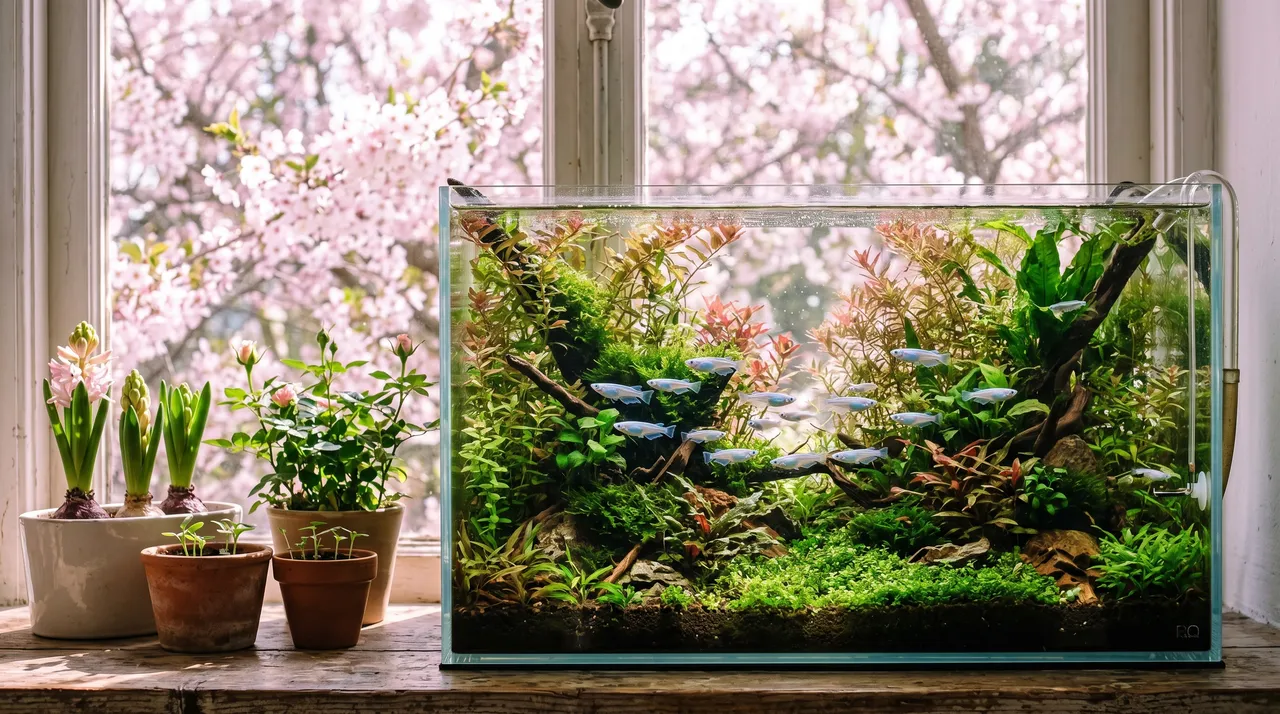
🌸Spring (March - May)
Prepare for breeding season and increased activity. Wide day-night temperature swings make sudden chills and unstable water temperatures the main risk. White-spot and other parasitic diseases peak now.
🦎Reptiles & Amphibians
- End cooling/brumation and return to normal temperatures gradually over several daysMust
- Check breeding pair compatibility and begin introductions after confirming the female's weight and conditionMust
- Check UVB bulb replacement (UV output drops in 6-12 months even while still lighting)Should
- Watch for post-brumation appetite loss; gradually increase food variety and quantityShould
- Health check (weight, retained shed, mouth rot, visual inspection)Should
🐠Freshwater Fish
- Review heater settings as ambient temperature rises, avoiding sudden swingsMust
- Peak season for white-spot disease; inspect fish daily as temperature stress triggers outbreaksMust
- Return water change frequency from the reduced winter pace to normalShould
- Begin aquatic plant trimming and fertilization as the growth season startsShould
- Clean filter and replace media, rinsing in tank water to preserve bacteriaShould
🪷Medaka & Goldfish (Outdoor)
- After hibernation, resume feeding in small amounts only once water stably exceeds 15°CMust
- Check each fish for winter weight loss, swim-bladder issues, or diseaseMust
- Spawning season begins; install spawning media (water hyacinth or artificial mops)Should
- Adjust water changes based on green-water/algae state; never do a full change at onceShould
- Separate collected eggs from adults, which eat eggs and fryNice
🪸Marine & Coral
- Hold water at 23-26°C; check it does not exceed 27°C on warm afternoonsMust
- Keep specific gravity at 1.024-1.026; check often as evaporation raises itMust
- Gradually lengthen lighting and observe coral condition (polyp extension)Should
- Test the chiller/cooling fan ahead of summer high temperaturesShould
- Review supplement (calcium/KH) dosing as growth picks upNice
🐦Birds
- Breeding/courtship season; watch for over-stimulation (nesting, egg-laying) and manage light cyclesMust
- Keep heating for chicks and sick birds while mornings stay cold (target 20-25°C)Should
- Supplement protein and cuttlebone/calcium ahead of the moltShould
- Deep-clean and disinfect the cage as warmth promotes bacteria and mitesShould
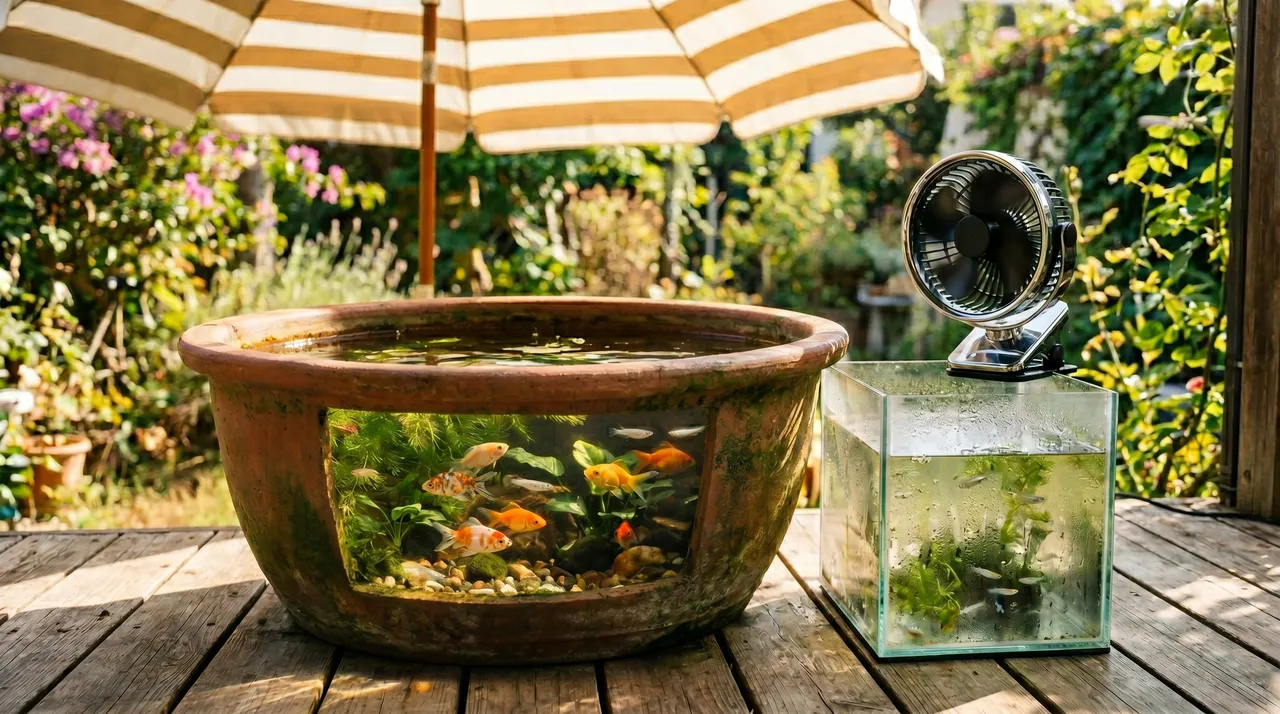
☀️Summer (June - August)
Heat management is critical. Above 30°C dissolved oxygen drops and suffocation risk rises sharply. Prepare for power outages, AC failure, and typhoons, and stay on top of fast-degrading water quality.
🦎Reptiles & Amphibians
- Check cage temperature daily for overheating, especially in sunlit or closed roomsMust
- Prepare emergency cooling (ice packs, cooling mats) for AC failure or outageMust
- Egg-laying season: prepare lay boxes and manage egg temperature/humidityMust
- Change water dishes daily as bacteria multiply fast in heatShould
- Manage feeder insect stock with ventilation to prevent heat die-offShould
🐠Freshwater Fish
- Verify cooling fan/chiller works (most freshwater fish prefer below 28°C)Must
- Record water temperature daily; set an alert line (above 30°C is dangerous)Must
- Boost aeration as warm water holds less oxygen; nights pose the highest suffocation riskMust
- Increase water changes as quality degrades fast, avoiding large single changes that shock temperatureShould
- Shade the tank from direct sunlight and review lighting durationShould
🪷Medaka & Goldfish (Outdoor)
- Goldfish use lots of oxygen and suffocate easily in heat; provide strong aerationMust
- Shallow containers overheat; use reed screens or shade netting against direct sunMust
- Typhoon/downpour prep: prevent overflow and flying debris (move under eaves, secure)Must
- Top up with dechlorinated water as evaporation lowers levels, morning and evening in heatShould
- Peak spawning/fry season; watch fry tanks for overheating and food-fouled waterShould
🪸Marine & Coral
- Coral weakens above 27°C and bleaches above 30°C; a chiller is essentialMust
- Hold 23-26°C and guard against chiller/fan failure or under-capacityMust
- Evaporation raises specific gravity; top up with fresh water to keep 1.024-1.026Must
- Outage/typhoon prep: keep a battery air pump for oxygen and to limit temperature riseShould
- Heat favors cyanobacteria/dinos; reinforce flow and nutrient controlShould
🐦Birds
- Watch for heatstroke (open-beak panting, spread wings); ensure ventilation and bathing waterMust
- Never aim AC airflow at the cage; keep room temperature around or below 28°CMust
- Refresh water and food several times a day as they spoil fastShould
- Many birds enter post-breeding molt; support nutrition and avoid stressShould
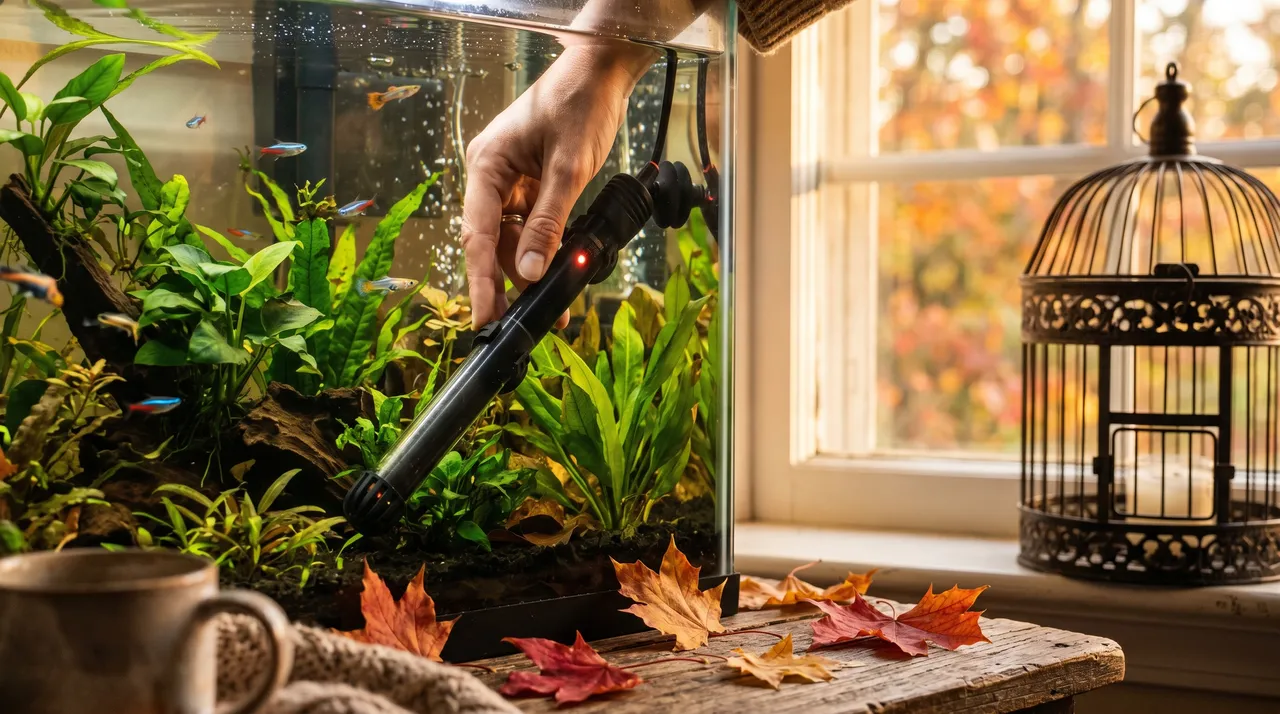
🍂Autumn (September - November)
Winter prep overlaps with typhoon season. Inspect and back up heating gear and build up condition before the cold. Renewed temperature swings make parasitic diseases like white-spot peak again.
🦎Reptiles & Amphibians
- Test heaters and thermostats before the real cold to catch failures earlyMust
- Secure backup heaters and warming gear against winter shortages and failuresMust
- Feed nutrient-rich food to build condition, especially for animals due to brumateShould
- Health-check brumation candidates and allow a fasting period for gut clearanceShould
- Inspect cage seals and gaps for winter drafts and heating efficiencyNice
🐠Freshwater Fish
- Check heaters and prepare a backup before water temperatures dropMust
- As swings return, inspect fish daily for the autumn white-spot peakMust
- Store cooling gear and switch to heater-based temperature controlShould
- Autumn trimming and removing dying leaves; watch stems that melt as light wanesShould
- Stock up on heaters and water conditioners before winter shortagesNice
🪷Medaka & Goldfish (Outdoor)
- Feed well through late autumn to build reserves, tapering as water coolsMust
- Peak typhoon season; secure containers against overflow and tie down lids and gearMust
- Reduce feeding once water drops below 15°C to prevent indigestionShould
- Remove fallen leaves and dead plants to keep water clean without over-cleaningShould
- Move to or prepare insulating styrofoam or deeper containers for overwinteringNice
🪸Marine & Coral
- Shift from chiller-led to heater-assisted control, holding 23-26°C year-roundMust
- Test heaters and secure a backup, essential as winter cools the waterMust
- Check battery air pumps and warming options for typhoon-driven outagesShould
- Keep specific gravity stable at 1.024-1.026 as evaporation slows with cooler airShould
- Adjust lighting hours to the season and monitor coral conditionNice
🐦Birds
- Test pet heaters and thermostats and secure a backup before the coldMust
- The molt drains energy; supplement quality protein and cuttleboneMust
- Shorter days calm courtship; manage the light cycle to curb over-stimulationShould
- Start heating chicks, elderly, and sick birds early (20-25°C, 30°C if unwell)Should
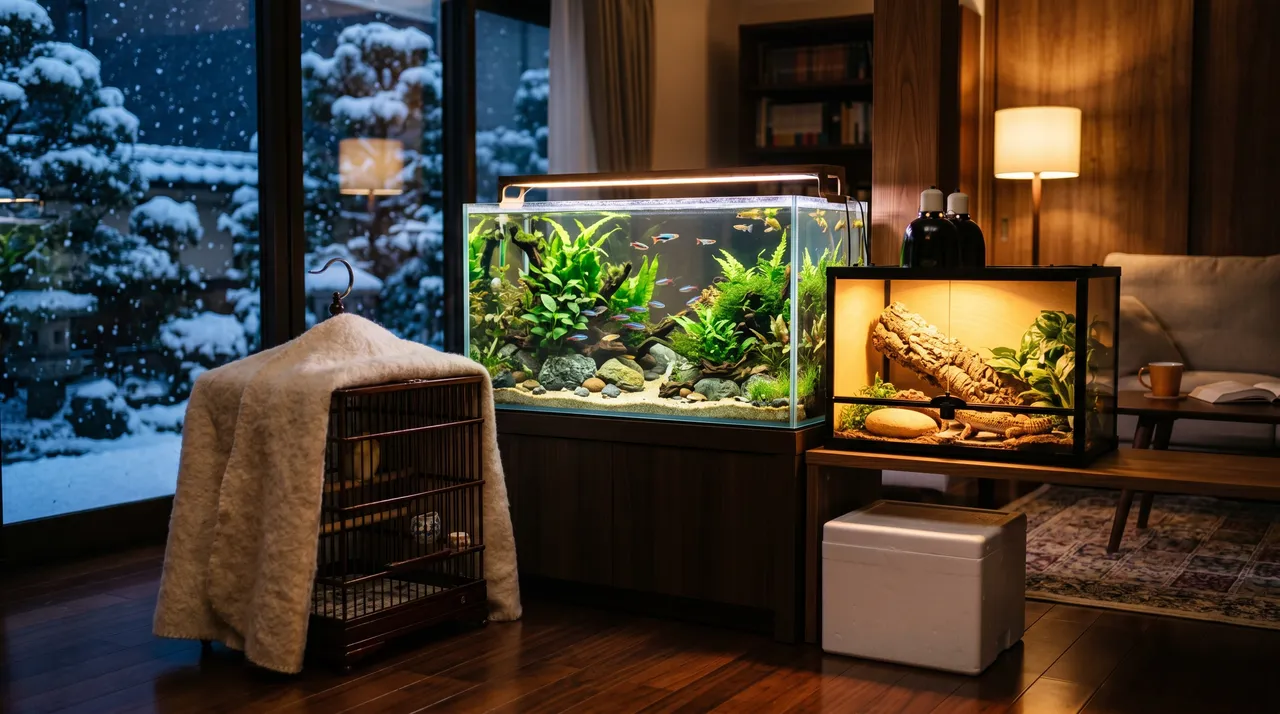
❄️Winter (December - February)
Heating is the lifeline. Double up on heaters and prepare for outages. Watch for surface ice on outdoor medaka/goldfish, and plan for holiday absences.
🦎Reptiles & Amphibians
- Check heater/thermostat operation daily and verify with a thermometerMust
- Prepare emergency heating (hand warmers, hot water bottles, styrofoam boxes)Must
- Heating dries the air and causes retained shed; reinforce humidity controlMust
- Plan feeding, temperature, and outage response for long holiday absencesShould
- Monitor brumating animals' weight and condition; sudden loss means ending itShould
🐠Freshwater Fish
- Run dual heaters or keep a swap-ready spare; failure is fatal in winterMust
- Match water-change water to tank temperature; sudden swings trigger white-spotMust
- Address condensation on lids/lighting and guard outlets from leakageShould
- Watch for nighttime chills even in heated rooms and log minimum temperaturesShould
- Check electricity costs and cut heat loss with insulation and lidsNice
🪷Medaka & Goldfish (Outdoor)
- Below 5°C fish enter hibernation; stop feeding entirely and leave them undisturbedMust
- Surface ice is fine if the water doesn't freeze solid; keep at least 15cm depthMust
- Insulate with styrofoam to prevent solid freezing; melt thick ice with warm water, don't smash itMust
- Do not change water during hibernation; it shocks temperature and saps reservesShould
- Use a breathable cover like corrugated sheet so leaves and snow don't pile upNice
🪸Marine & Coral
- Run dual heaters and keep a battery air pump and insulation for outagesMust
- Hold a stable 23-26°C; cold stresses both coral and fishMust
- Watch for temperature drops at night and when away with heating offShould
- Keep specific gravity 1.024-1.026; top up with fresh water, mix salt to specShould
- Set auto-feeders/timers and a check plan for long holiday absencesNice
🐦Birds
- Heat with a pet heater plus thermostat; aim for ~30°C when a bird is unwellMust
- Over-heating causes winter heatstroke and over-stimulation; adjust by observationMust
- Place the cage away from window cold and drafts; cover it at nightShould
- Prepare emergency warmth (hand warmers) for outages and holiday absencesShould
Get Seasonal Care Reminders
Receive timely care reminders by email as seasons change. Plus get checklist updates and exclusive deals.
You can unsubscribe anytime. We never send spam.