Medaka Encyclopedia — 87 Species Directory
Encyclopedia of popular medaka varieties with traits, care guides, and pricing.
Featured Medaka
Showing 5 of 87 species
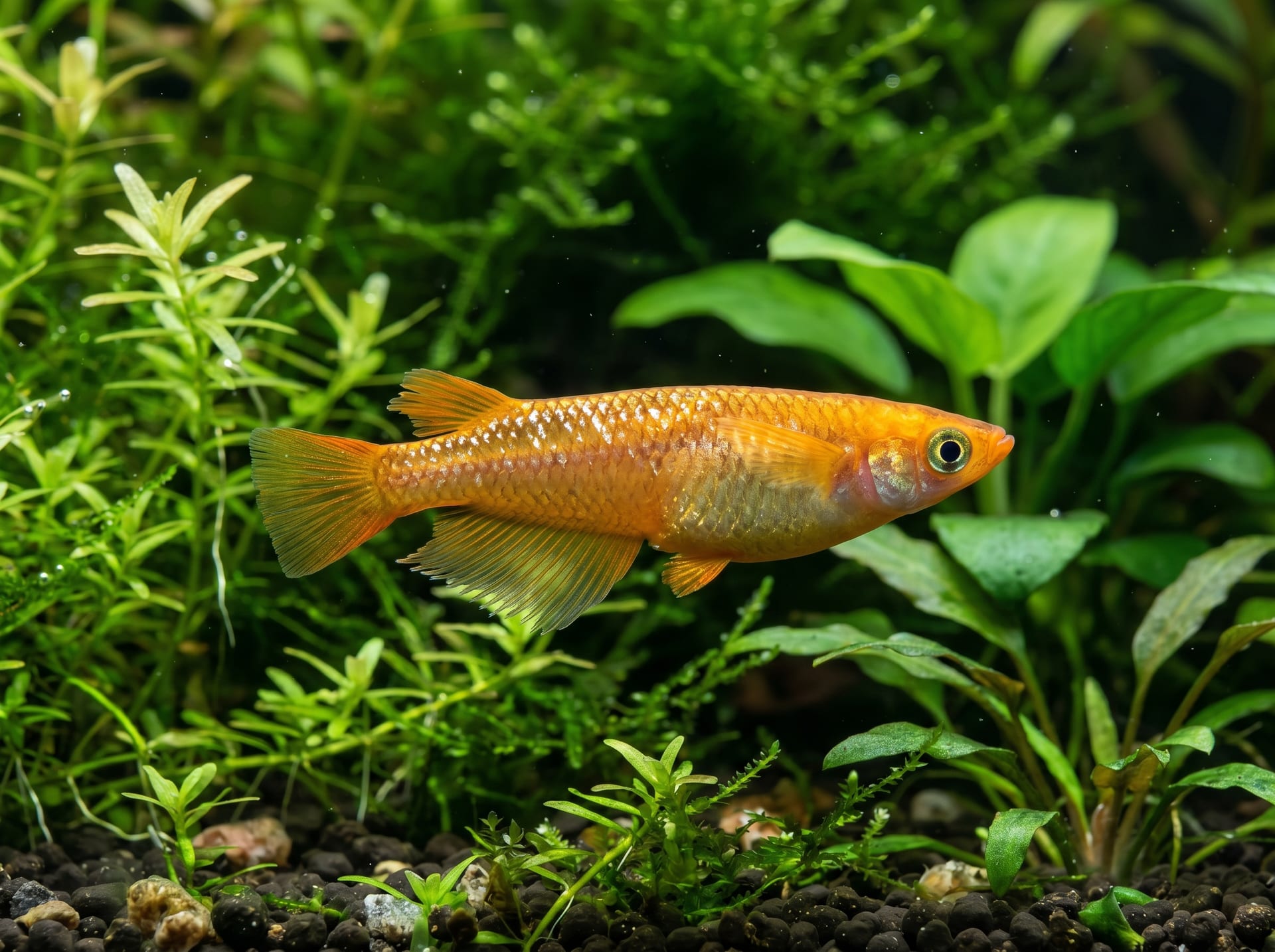
Houou Medaka
Oryzias latipes var.
Gorgeous variety combining red, white, and black tricolor with elongated fins. Beautiful combination of phoenix-like graceful long fins and complex body coloration. Advanced collector's variety.
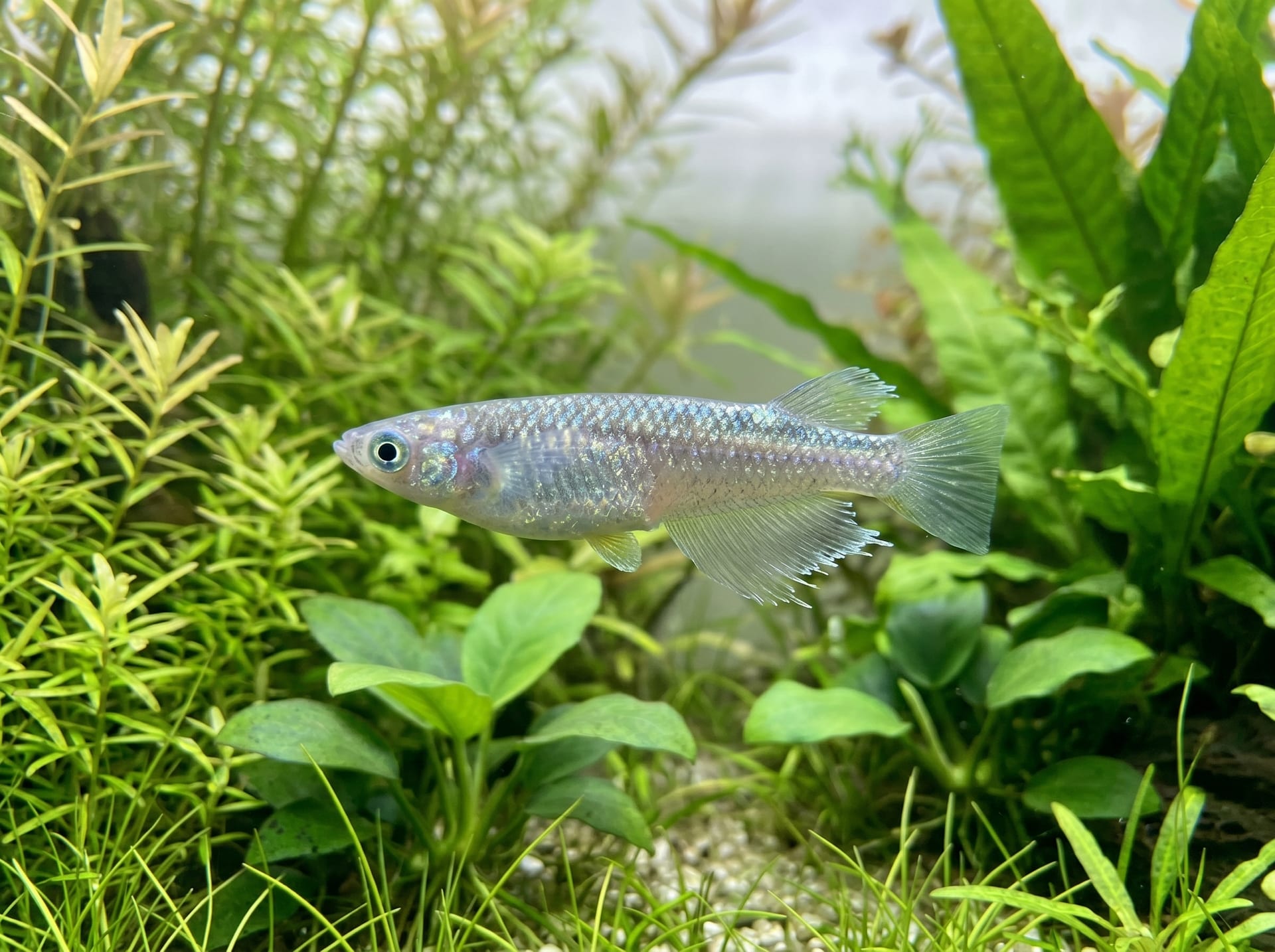
Kirameki Medaka
Oryzias latipes var.
Premium modified medaka with multicolor lame scattered all over the body. Dazzling rainbow shimmer changes with light angle. Difficult to fix — for advanced keepers.
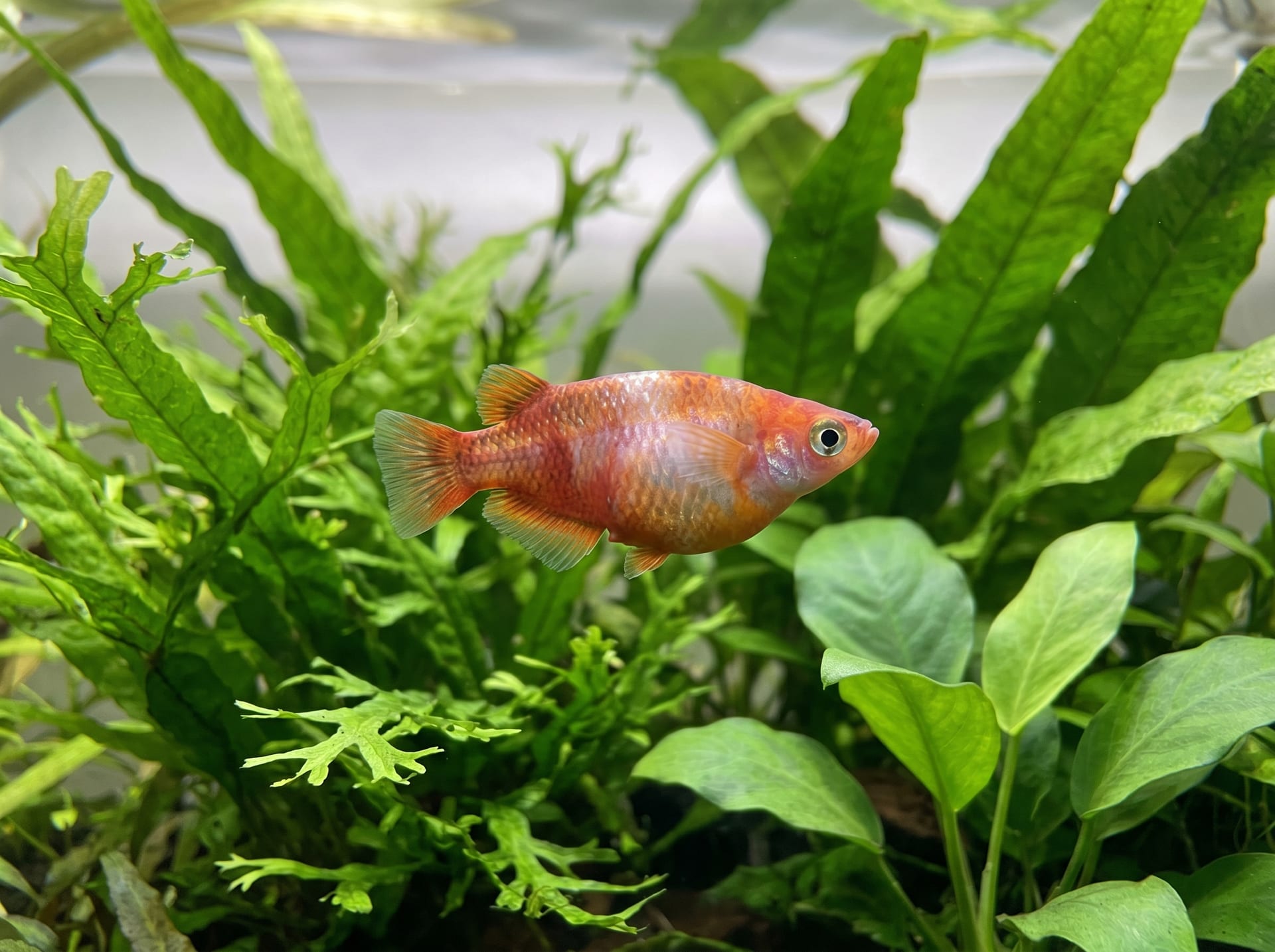
Ranchu Medaka
Named for resemblance to Ranchu goldfish — no dorsal fin and round body. A Daruma subtype with uniquely charming form. Poor swimmer, so careful tank mate selection.
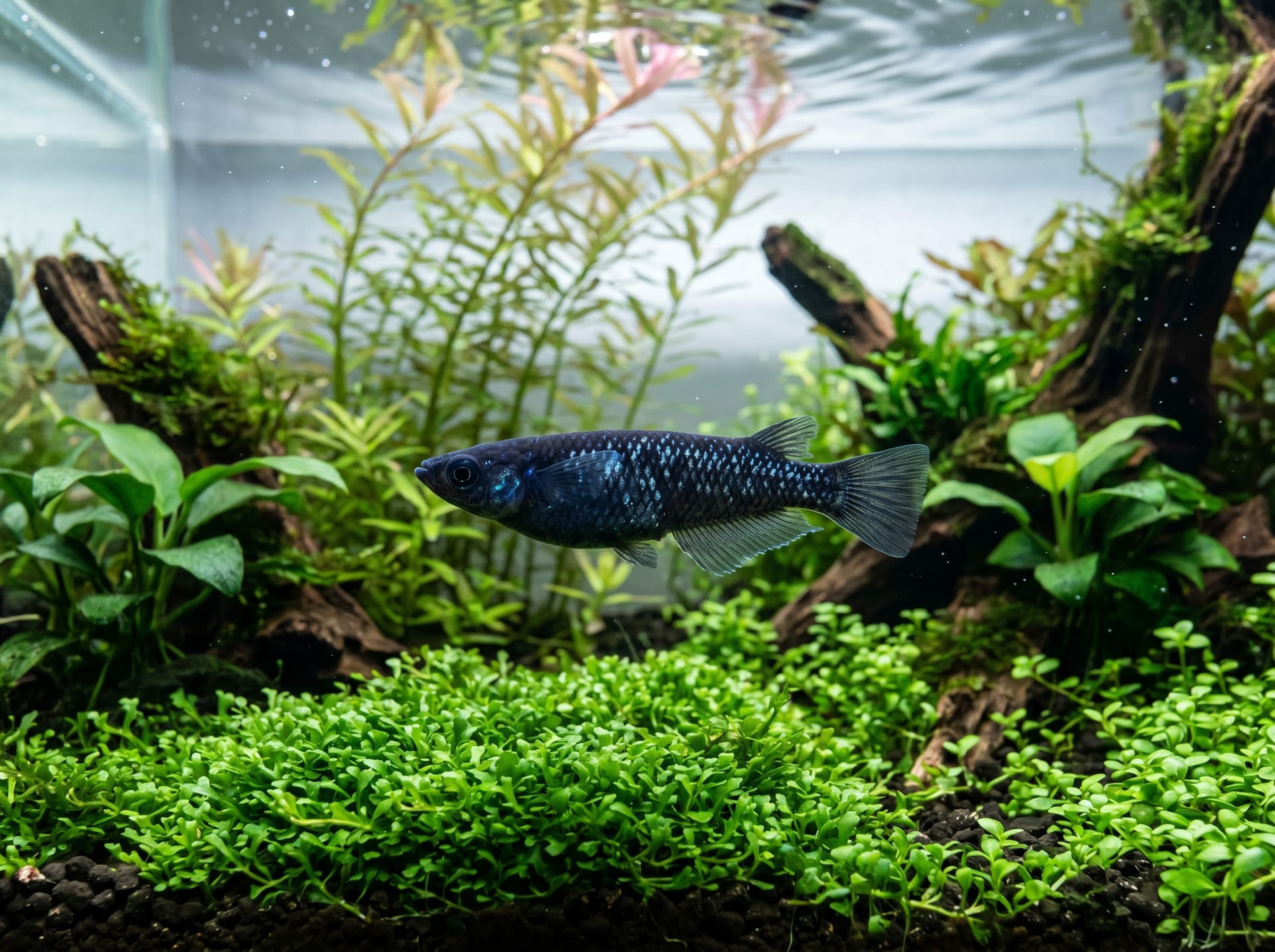
Tsukiyumi Medaka
Oryzias latipes var.
Characteristic improved medaka with arc-shaped (bow-shaped) external body light on the back. Beautiful arc of light reminiscent of a crescent moon runs along the back. High ornamental value, advanced-level variety.
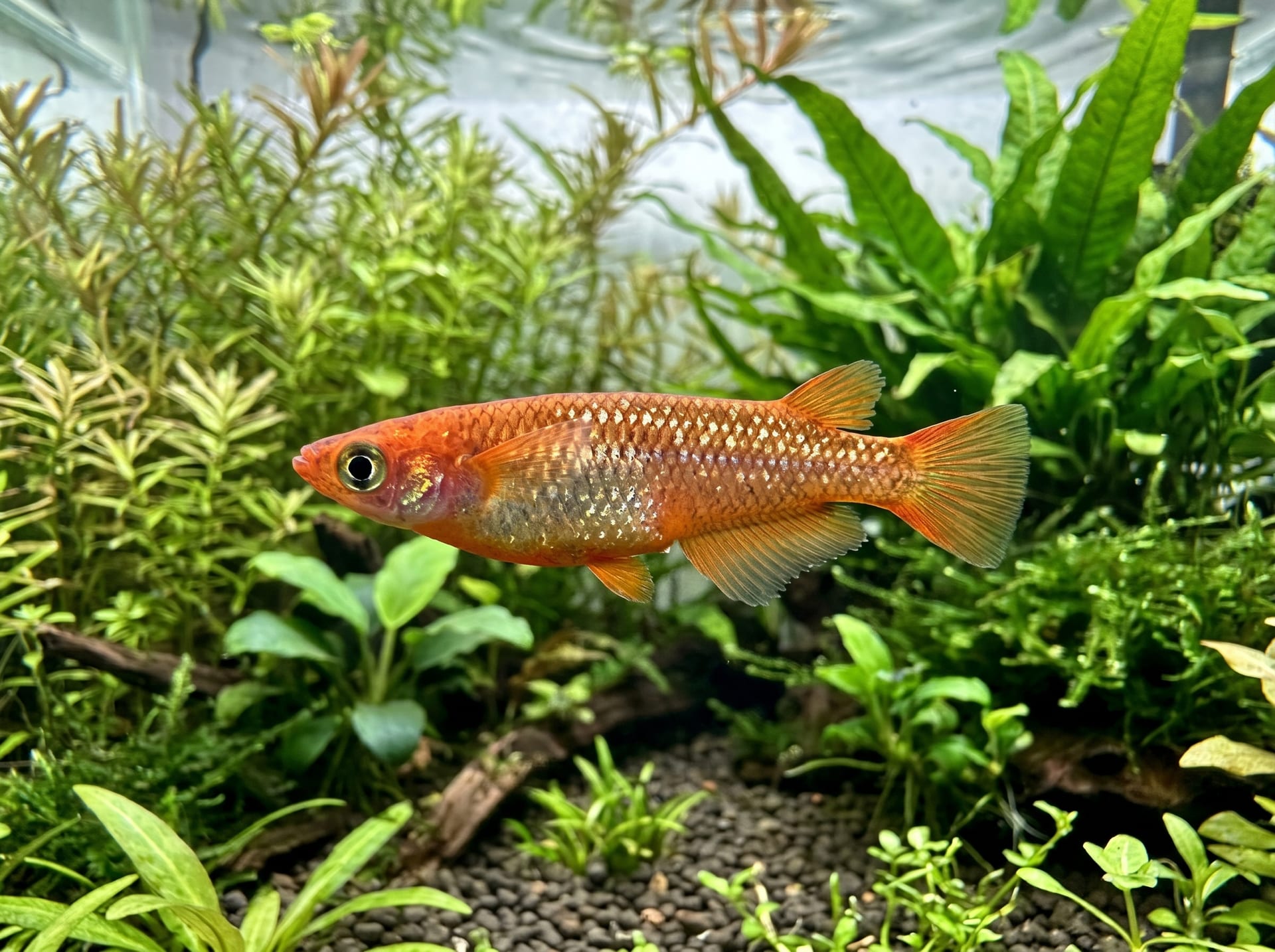
Zuihou Medaka
Orange-red body with glitter and elongated swallow-type fins. Graceful swimming reminiscent of a phoenix. Extremely high ornamental value.
Related Content
Medaka FAQ
- How much do medaka cost?
- Common varieties cost 100-500 yen each, popular Youkihi and lame types 500-3,000 yen, and rare new varieties can reach 5,000-30,000+ yen per pair.
- Can beginners keep medaka?
- Medaka are adapted to Japanese climate and can even be kept in outdoor biotopes. They're hardy, tolerant of temperature changes, and one of the easiest ornamental fish for beginners.
- How long do medaka live?
- In the wild they live 1-2 years, but in captivity they can live 2-4 years. Proper water management and feeding help them thrive longer.
- What should I check when buying medaka?
- Check that they're swimming actively, not too thin, and free of injuries or disease signs. Choose specimens that clearly display their variety's characteristics.
- Is medaka breeding easy?
- Medaka breed relatively easily, spawning from spring to autumn when water temperature is above 20°C with 12+ hours of daylight. Moving eggs to a separate container improves hatch rates.