Source: Wikimedia Commons
Dieffenbachia
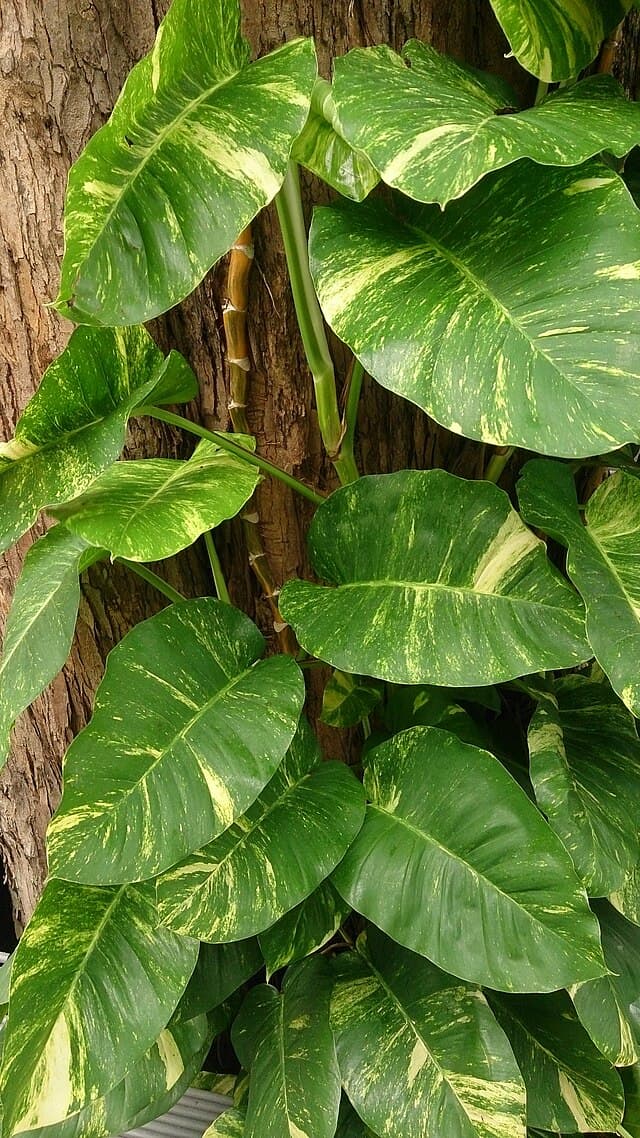
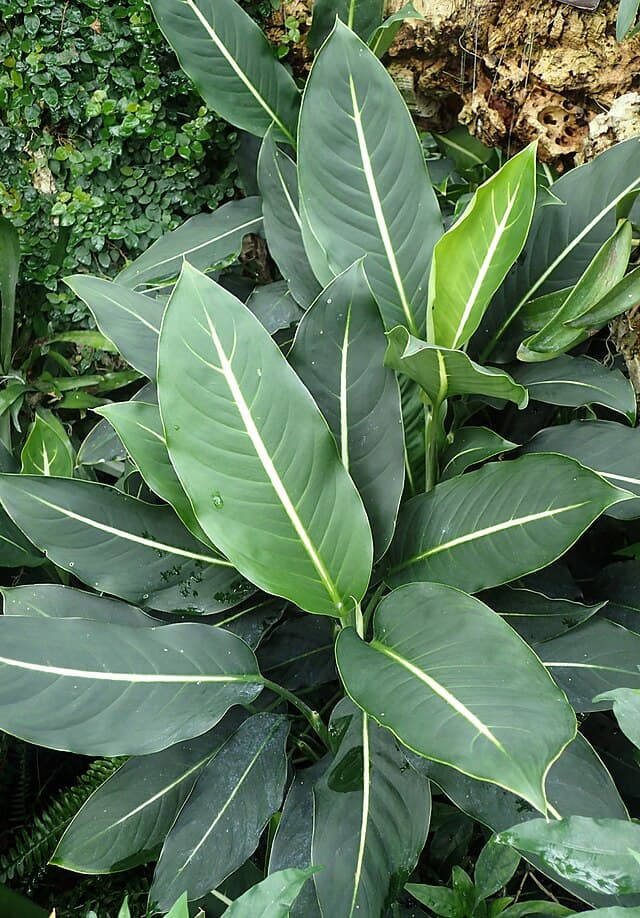
BeginnerA tropical plant with large leaves featuring cream variegation. High shade tolerance, grows in dark indoor spots.
Difficulty
Beginner
Temperature
15〜30℃
Lifespan
Perennial
Size
50-150cm
Humidity
50〜70%
Diet
Watering, Liquid fertilizer
About
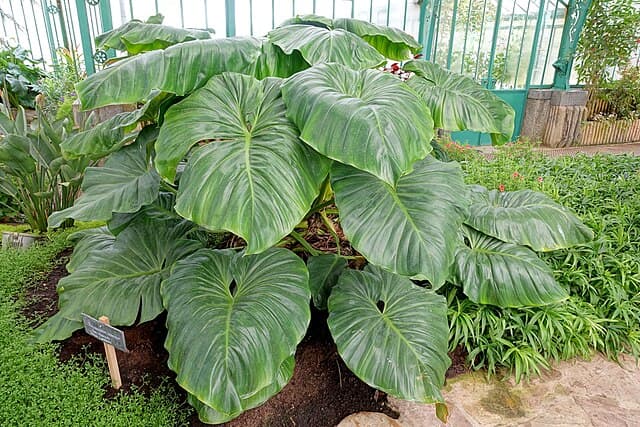
Dieffenbachia, commonly known as dumb cane or leopard lily, is a genus of tropical perennials in the family Araceae, native to the New World Tropics from Mexico and the West Indies south to Argentina. It is widely cultivated for its large, attractive leaves patterned with green, white, and cream markings. The English common name 'dumb cane' refers to the temporary speechlessness caused by the calcium oxalate crystals present in the sap, which cause severe oral irritation if ingested — making all parts of the plant toxic to humans and pets, and requiring careful handling. Despite this, it is among the most popular indoor foliage plants due to its striking appearance and adaptability. It thrives in bright indirect light but tolerates lower light well. Water when the top of the soil dries; avoid waterlogging. Prefers warm temperatures (above 15°C) and humidity, away from cold draughts.
Source: Wikipedia (CC BY-SA 4.0)
Basic Info
Origin
New World Tropics from Mexico and the West Indies to Argentina
Lifespan
Perennial
Size
50-150cm
Temperature
15〜30℃
Humidity
50〜70%
Diet
Watering, Liquid fertilizer
Care Guide
Lighting
High shade tolerance, bright indoor location
Watering
Water thoroughly when soil dries
Toxicity
Contains calcium oxalate in sap, toxic
Notes
Place carefully in homes with children or pets
DieffenbachiaShade tolerantCream variegationToxic
Dieffenbachia FAQ
QHow difficult is it to keep Dieffenbachia?
A
Beginner. This is a beginner-friendly species. No special equipment or experience is required, and it can be kept successfully with basic care setup.
QWhat is the ideal temperature for Dieffenbachia?
A
The ideal temperature for Dieffenbachia is 15〜30℃. Recommended humidity is 50〜70%. Avoid sudden temperature changes and maintain a stable environment.
QWhat is the lifespan of Dieffenbachia?
A
Dieffenbachia Q&A
Find listings for this species