80 von 80 Arten angezeigt
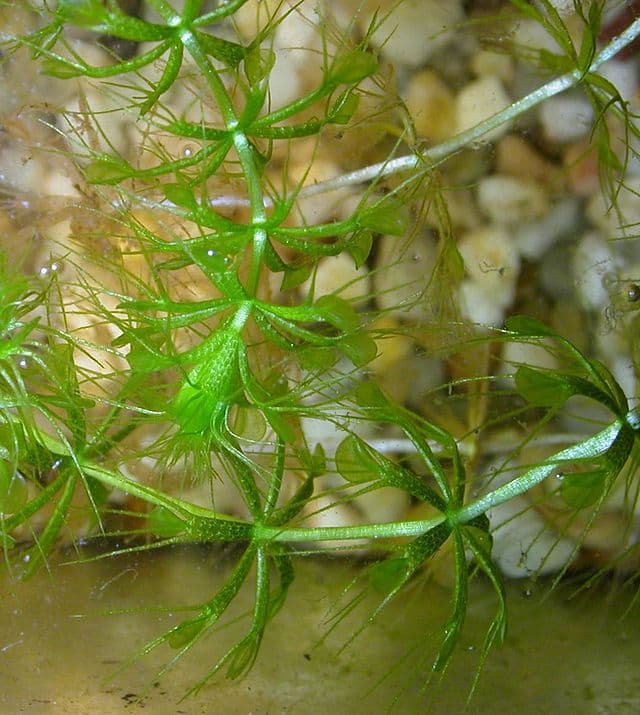
Aldrovanda Vesiculosa
Aldrovanda vesiculosa
Called Waterwheel Plant, a floating aquatic carnivore trapping prey without roots while drifting.
CarnivorousAldrovandaAquatic
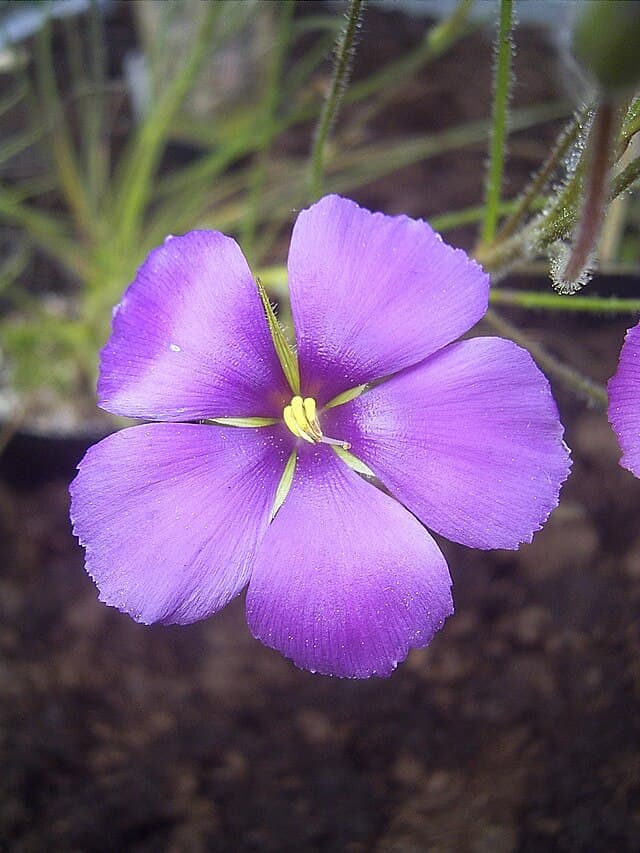
Byblis Gigantea
Byblis gigantea
A large perennial Byblis from Western Australia with spectacular mucilage-covered long leaves.
CarnivorousByblisLarge
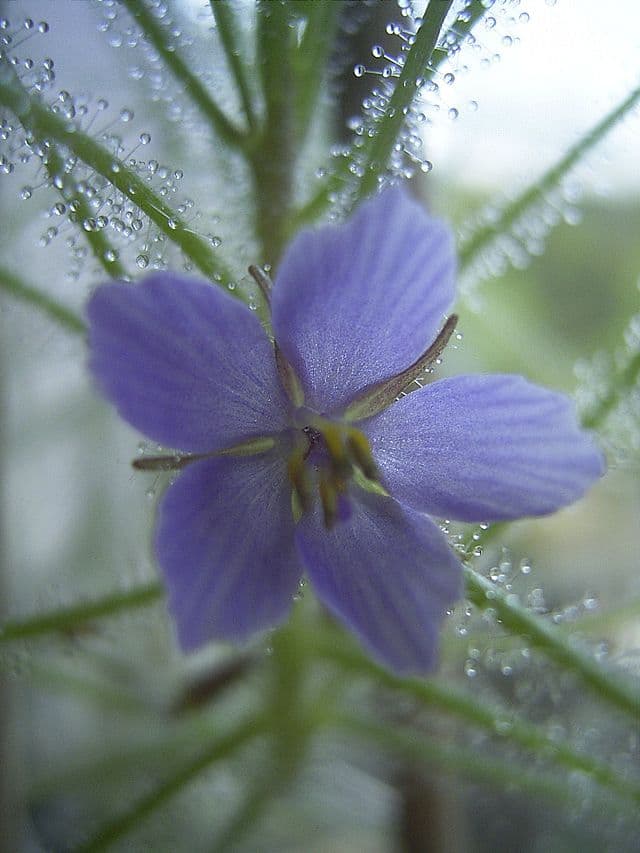
Byblis Liniflora
Byblis liniflora
An Australian carnivorous plant with rainbow-glistening mucilage, called Rainbow Plant.
CarnivorousByblisRainbow
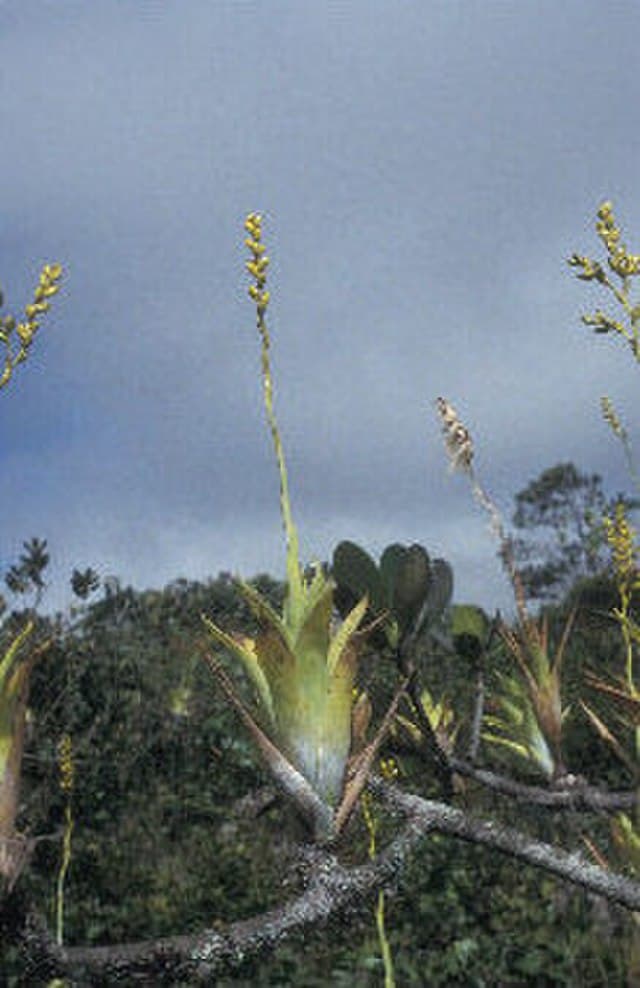
Catopsis Berteroniana
Catopsis berteroniana
A bromeliad carnivorous plant that traps insects with waxy leaf surfaces, drowning them in leaf-cup water for nutrients.
CarnivorousCatopsisBromeliad
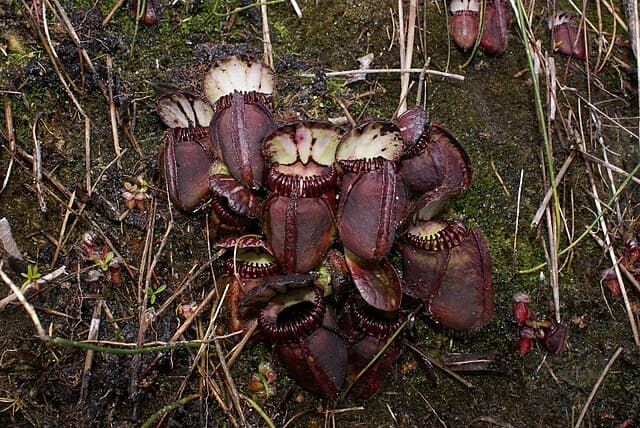
Cephalotus Follicularis
Cephalotus follicularis
A unique one-species-genus from Australia with cute small urn-shaped pitchers, coveted by collectors.
CarnivorousCephalotusMonotypic
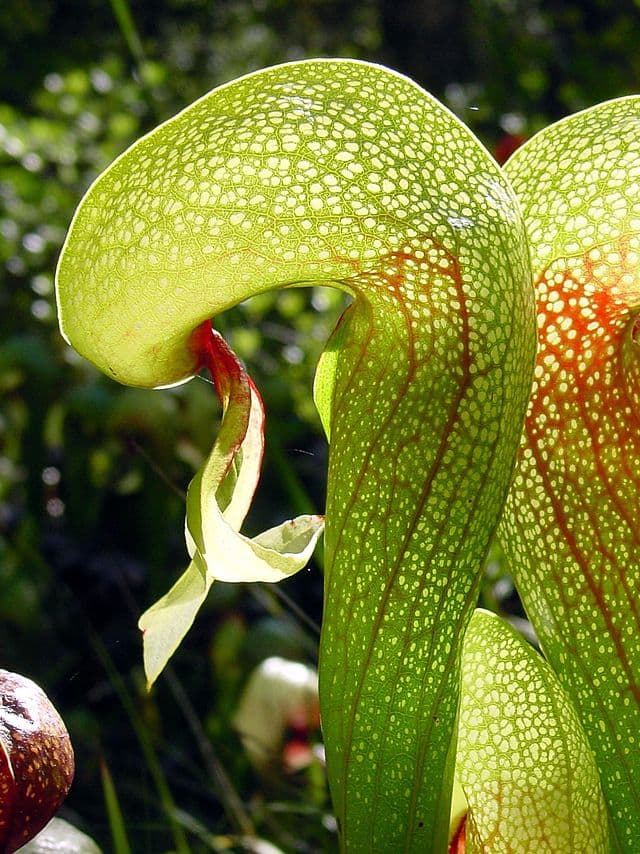
Darlingtonia Californica
Called Cobra Lily, a North American carnivorous plant with cobra-head-like pitchers preferring cool conditions.
CarnivorousDarlingtoniaCobra
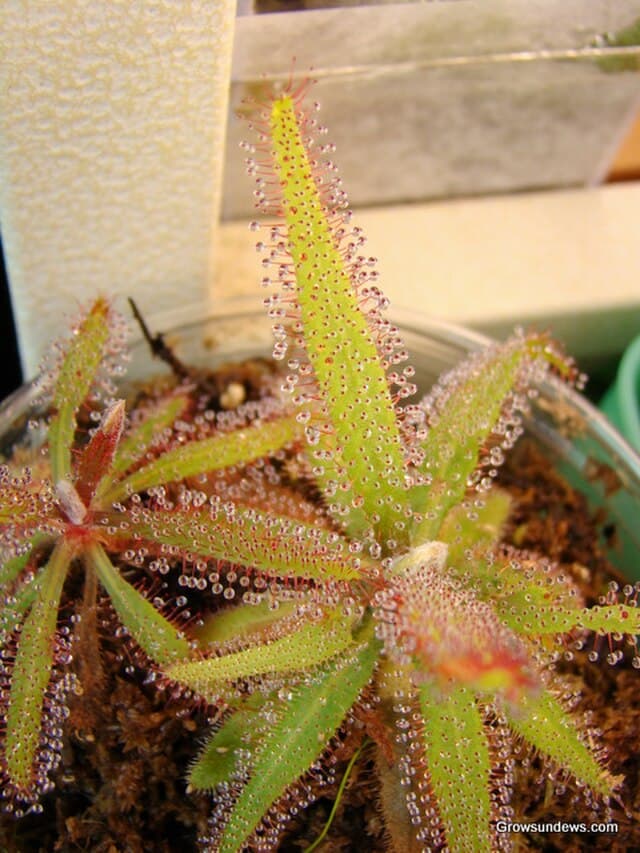
Drosera Adelae
An Australian sundew preferring partial shade with long lance-shaped leaves.
CarnivorousSundewShade
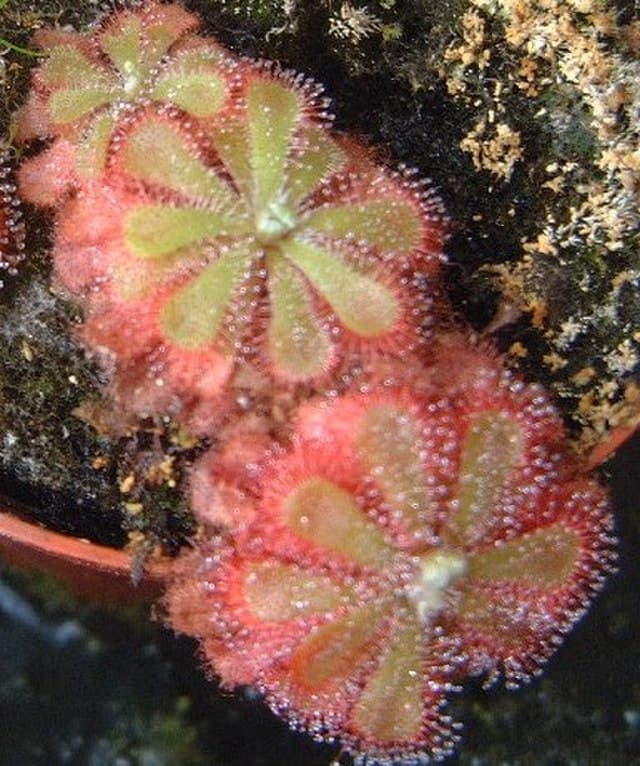
Drosera Aliciae
Drosera aliciae
A South African rosette sundew with beautiful symmetrical form, a top beginner species.
CarnivorousSundewRosette
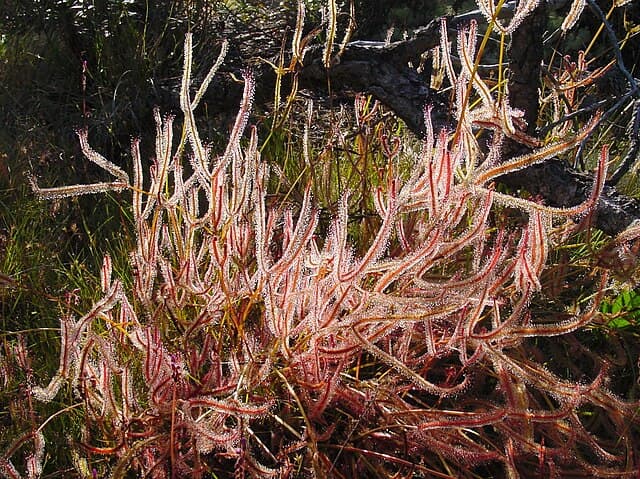
Drosera Binata
Drosera binata
A sundew with uniquely forked leaves, large and impressive, very hardy.
CarnivorousSundewForked
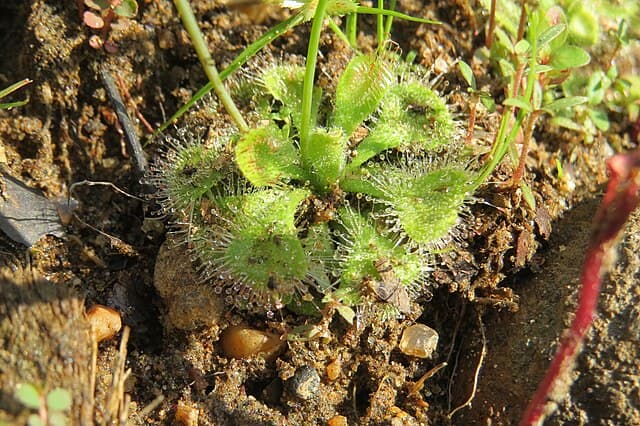
Drosera Burmannii
Drosera burmannii
A sundew that captures insects very quickly, curling leaves in seconds. Sometimes annual.
CarnivorousSundewFast
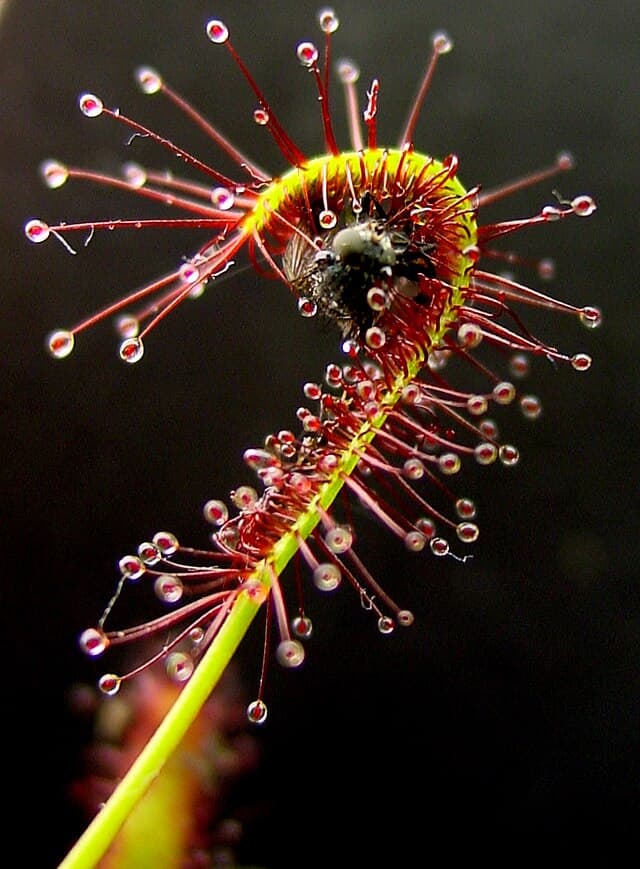
Drosera Capensis
Drosera capensis
A hardy sundew from South Africa with beautiful glistening sticky leaves, perfect for beginners.
CarnivorousSundewHardy
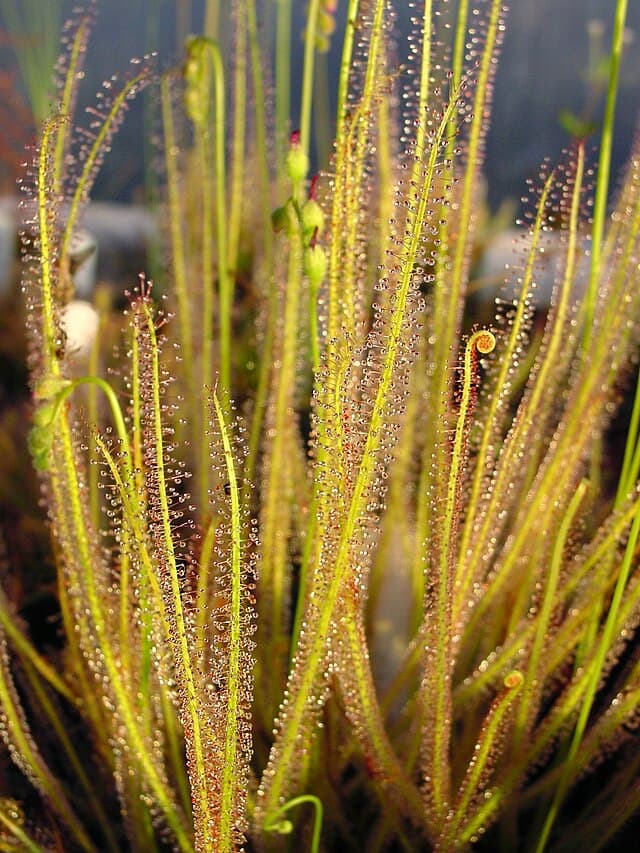
Drosera Filiformis
Drosera filiformis
A North American sundew with thread-like long leaves, stunningly beautiful when glistening with dew.
CarnivorousSundewThread
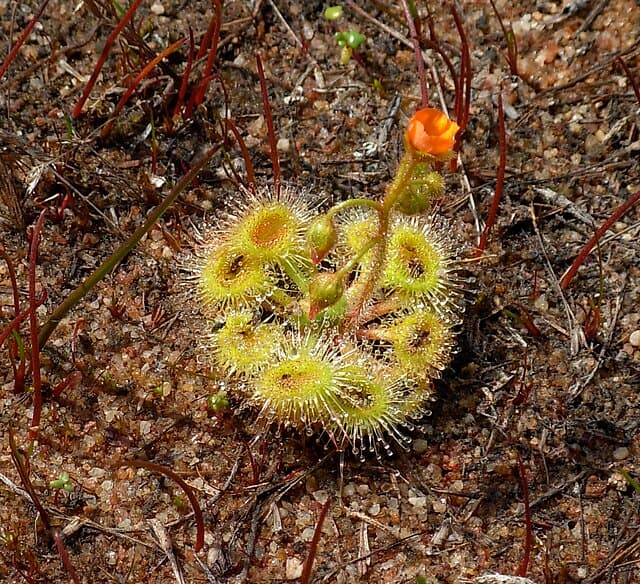
Drosera Glanduligera
Drosera glanduligera
An annual Australian sundew with both sticky tentacles and snap-tentacles that catapult prey in milliseconds.
CarnivorousDroseraAustralia
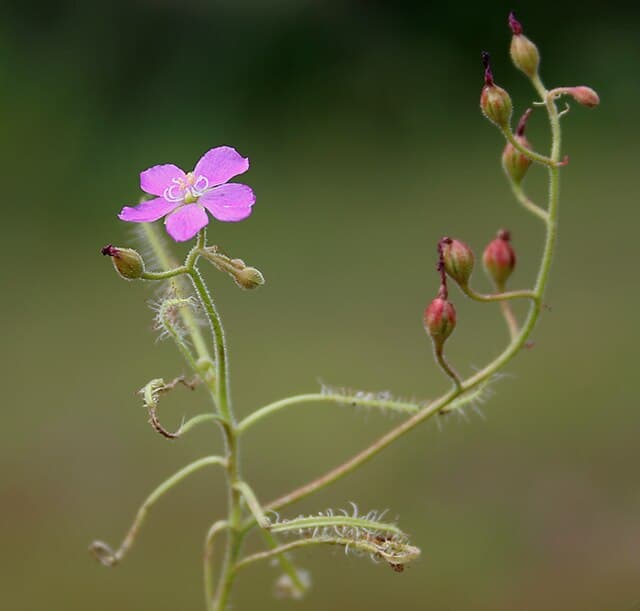
Drosera Indica
Drosera indica
A tall sundew native to Japan as well, but wild populations have drastically declined.
CarnivorousSundewUpright
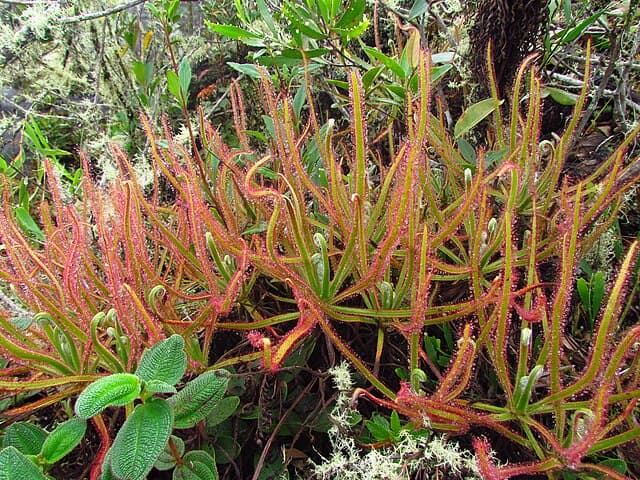
Drosera Magnifica
Drosera magnifica
Discovered in 2015, one of the world's largest sundews, endemic to one mountain in Brazil.
CarnivorousSundewWorld Largest
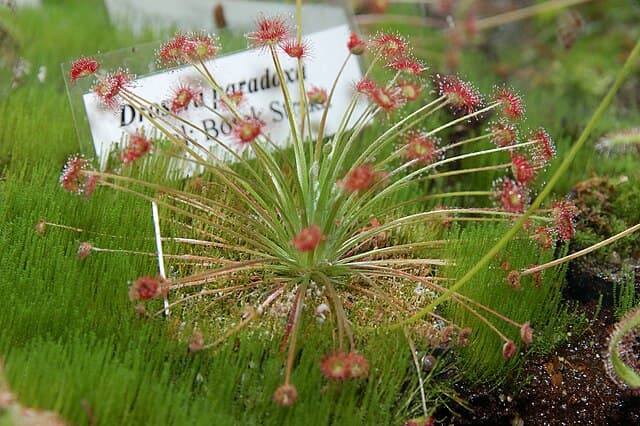
Drosera Paradoxa
Drosera paradoxa
A large tropical sundew with tall stems from northern Australia, wild and impressive.
CarnivorousSundewLarge
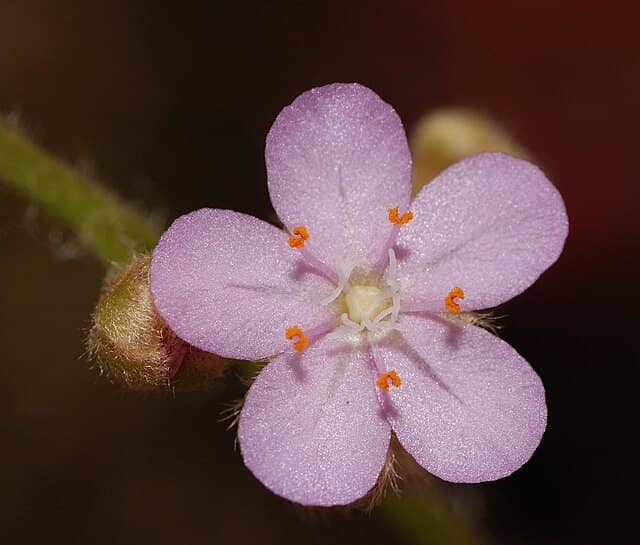
Drosera Petiolaris
Drosera petiolaris
A tropical sundew from northern Australia with rosette trap leaves on long petioles.
CarnivorousSundewTropical
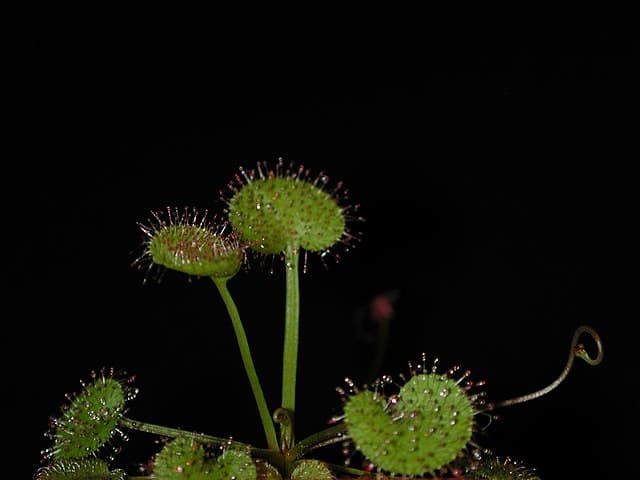
Drosera Prolifera
Drosera prolifera
A unique sundew producing plantlets on flower stalks, spreading in an interesting creeping manner.
CarnivorousSundewPlantlets
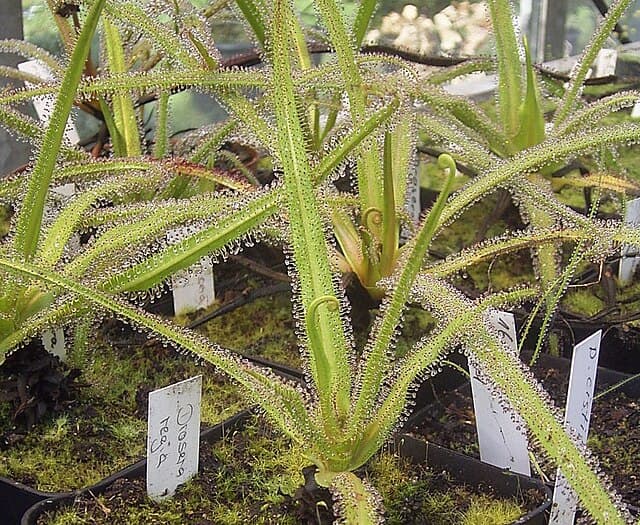
Drosera Regia
Drosera regia
Called King Sundew, the largest sundew with leaves exceeding 60cm.
CarnivorousSundewLargest
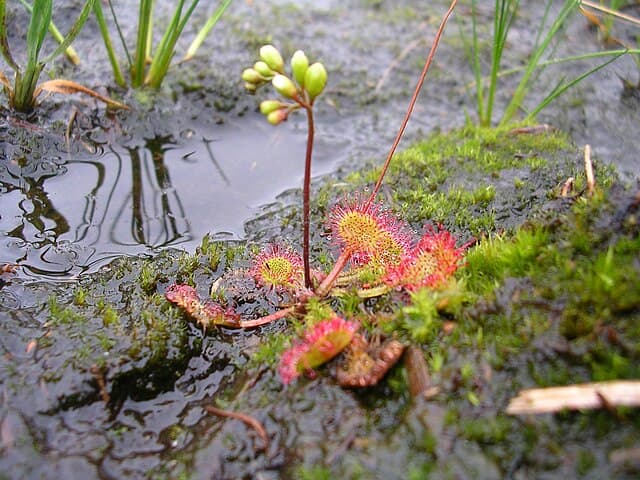
Drosera Rotundifolia
Drosera rotundifolia
A round-leaved sundew native to Japan, growing in wetlands. Goes dormant in winter.
CarnivorousSundewJapanese Native
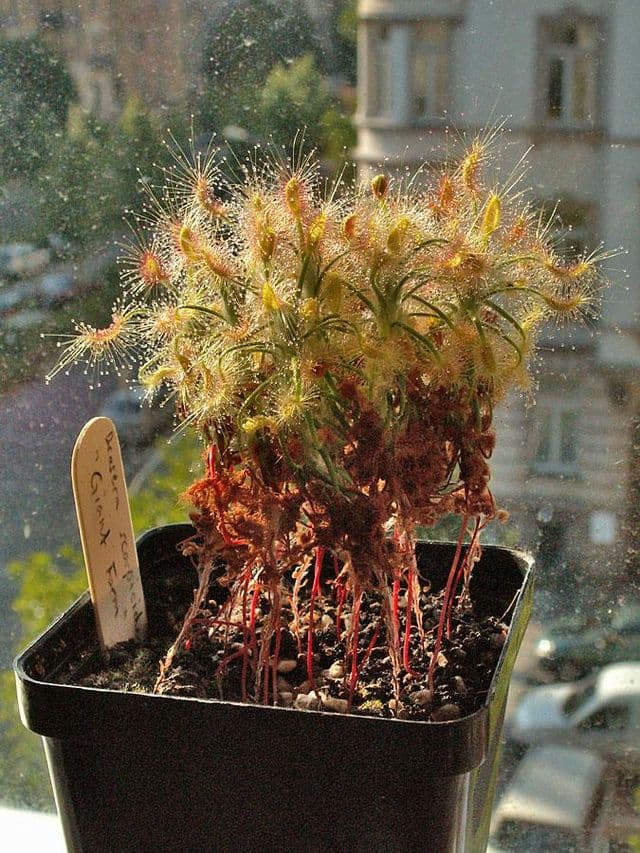
Drosera Scorpioides
Drosera scorpioides
An Australian sundew propagating by gemmae with scorpion-tail-like flower stalks.
CarnivorousSundewGemmae
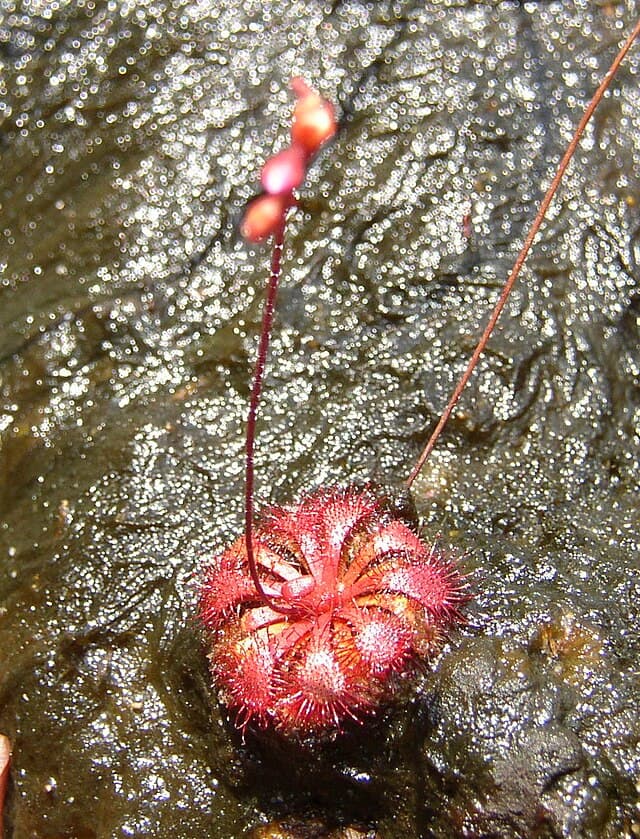
Drosera Spatulata
Drosera spatulata
A spatula-leaved sundew native to Japan, forming cute rosettes.
CarnivorousSundewSpatula
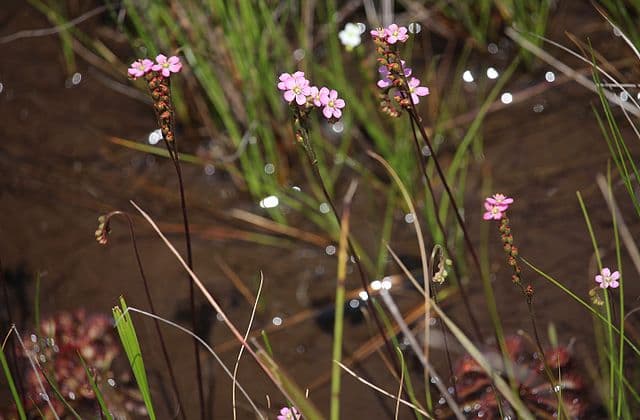
Drosera Tokaiensis
Drosera tokaiensis
A Japanese endemic sundew discovered in the Tokai region with intermediate leaf shape.
CarnivorousSundewJapanese Endemic
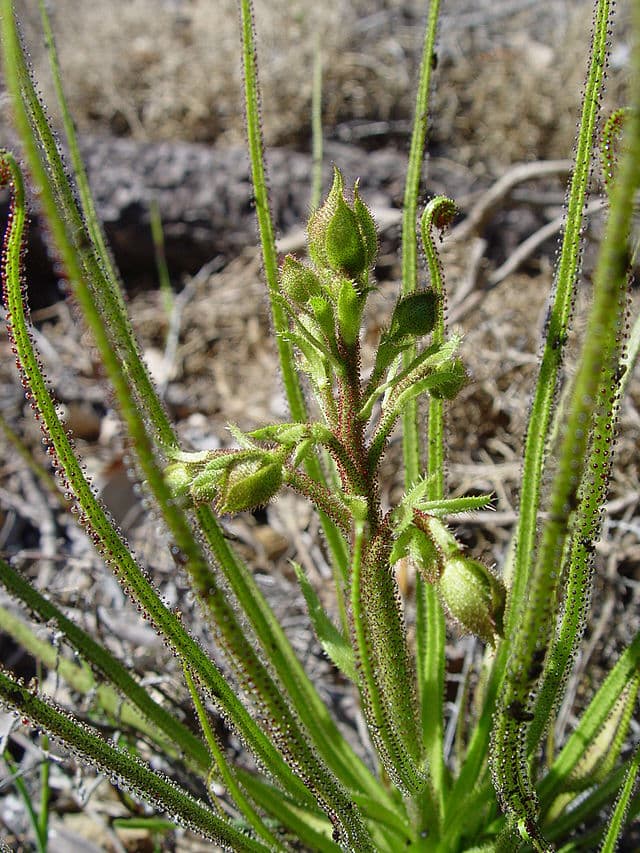
Drosophyllum Lusitanicum
Drosophyllum lusitanicum
A rare carnivorous plant from dry areas, attracting insects with honey-like sweet scent. Dislikes transplanting.
CarnivorousDrosophyllumDry
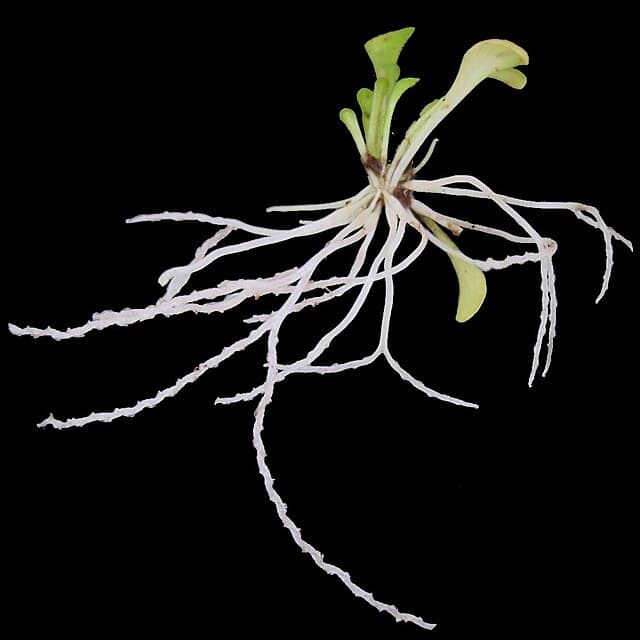
Genlisea
A carnivorous plant with underground Y-shaped traps, cute flowers above but trapping below.
CarnivorousGenliseaUnderground
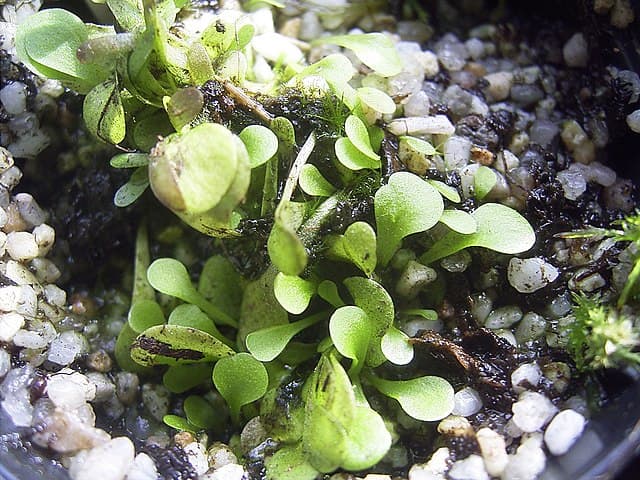
Genlisea Violacea
Genlisea violacea
A South American carnivorous plant with underground spiral Y-shaped traps that capture microorganisms and protozoa.
CarnivorousGenliseaSouth America
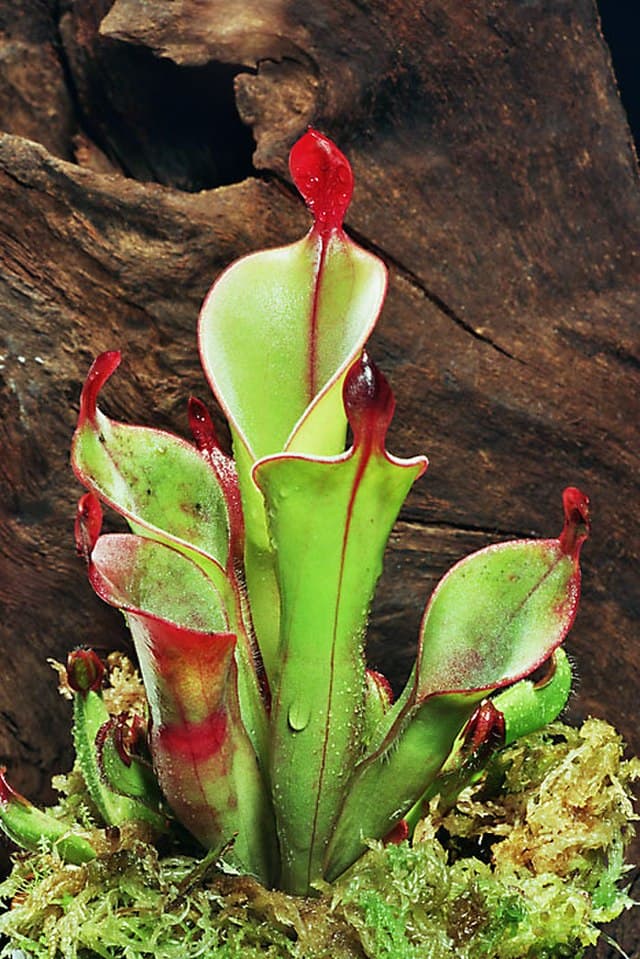
Heliamphora Chimantensis
Heliamphora chimantensis
A beautiful Heliamphora from Chimanta Tepui with stunningly red-colored tubes.
CarnivorousHeliamphoraRed
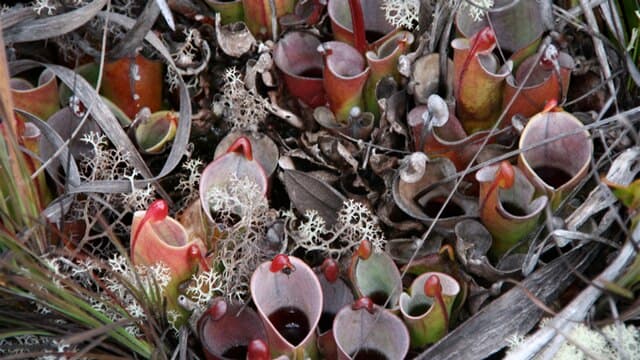
Heliamphora Minor
Heliamphora minor
The smallest Heliamphora, compact and cute, ideal for starting with the genus.
CarnivorousHeliamphoraSmallest
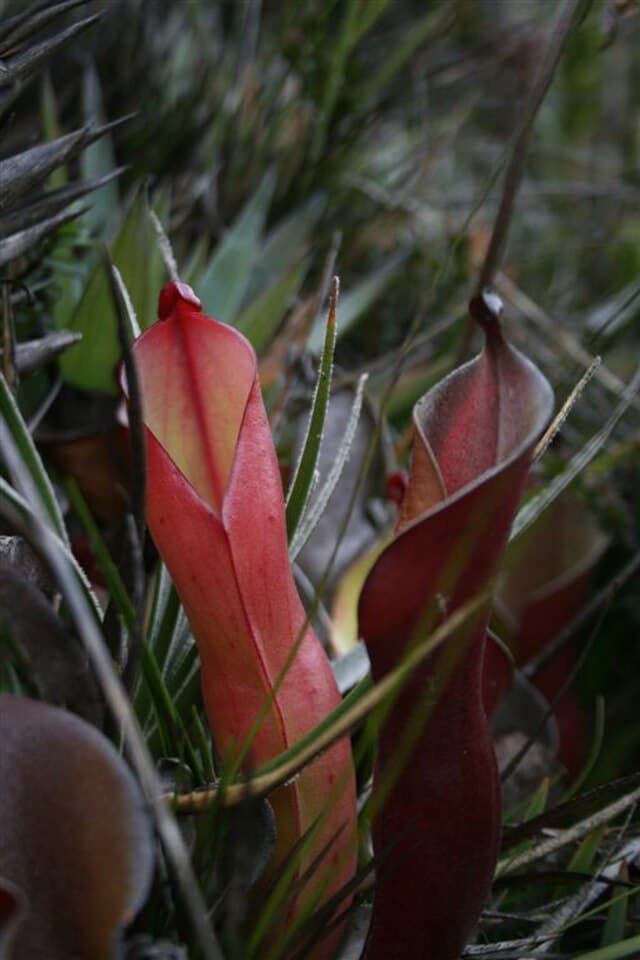
Heliamphora Nutans
Heliamphora nutans
A sun pitcher from Guiana Highlands table mountains with beautifully simple tubular pitchers.
CarnivorousHeliamphoraTable Mountain
🪴
Nepenthes (Tropical Pitcher Plant)
Nepenthes spp.
About 170 species of pitcher plants centered in Southeast Asia. Captures insects in lidded pitchers. Highland and lowland species require different growing conditions.
IntermediatePitcherTropical
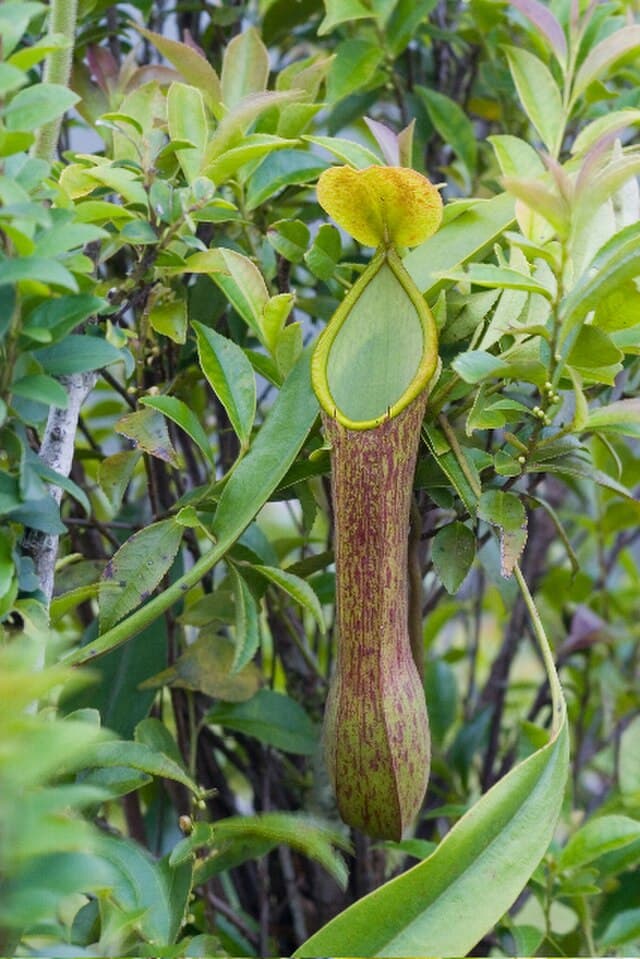
Nepenthes Alata
Nepenthes alata
One of the easiest Nepenthes, growable indoors by beginners, producing many green pitchers.
CarnivorousNepenthesBeginner
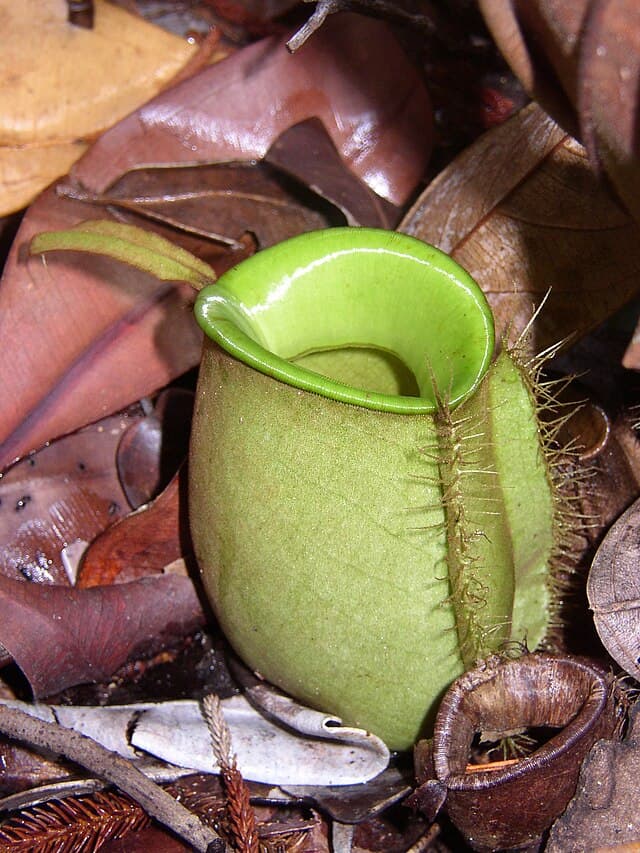
Nepenthes Ampullaria
Nepenthes ampullaria
A unique Nepenthes clustering pitchers on the ground, decomposing fallen leaves for nutrition.
CarnivorousNepenthesGround
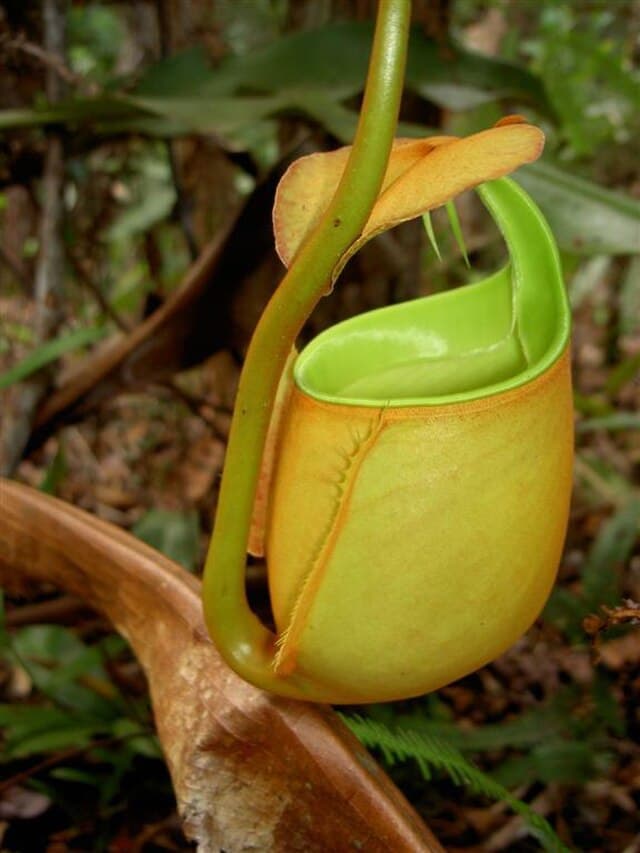
Nepenthes Bicalcarata
Nepenthes bicalcarata
A Nepenthes with two fang-like projections at the pitcher mouth, famous for ant symbiosis.
CarnivorousNepenthesFangs
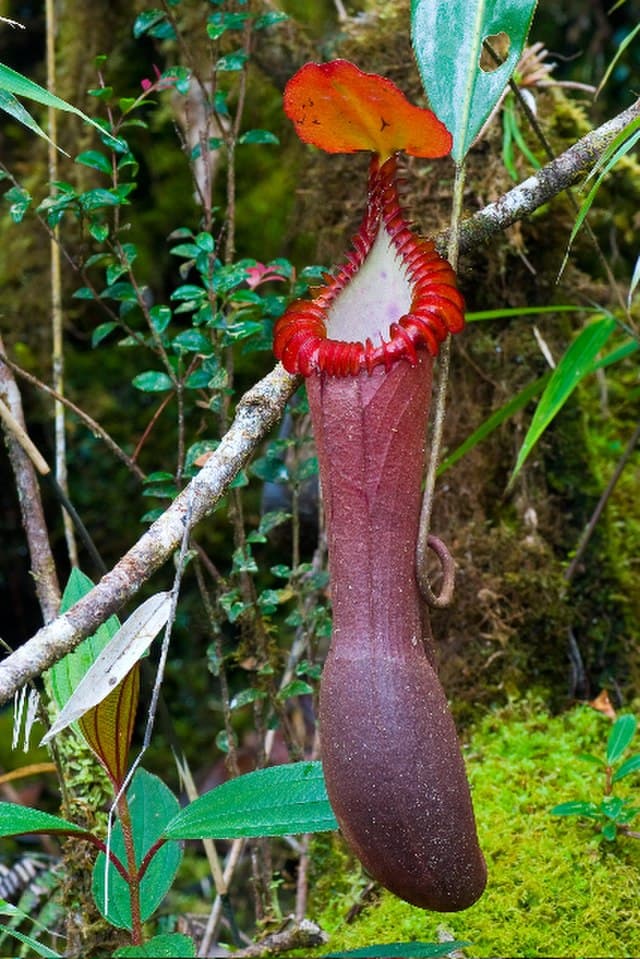
Nepenthes Edwardsiana
Nepenthes edwardsiana
A ultra-rare Kinabalu endemic with exquisitely toothed peristome of unmatched beauty.
CarnivorousNepenthesUltra Rare
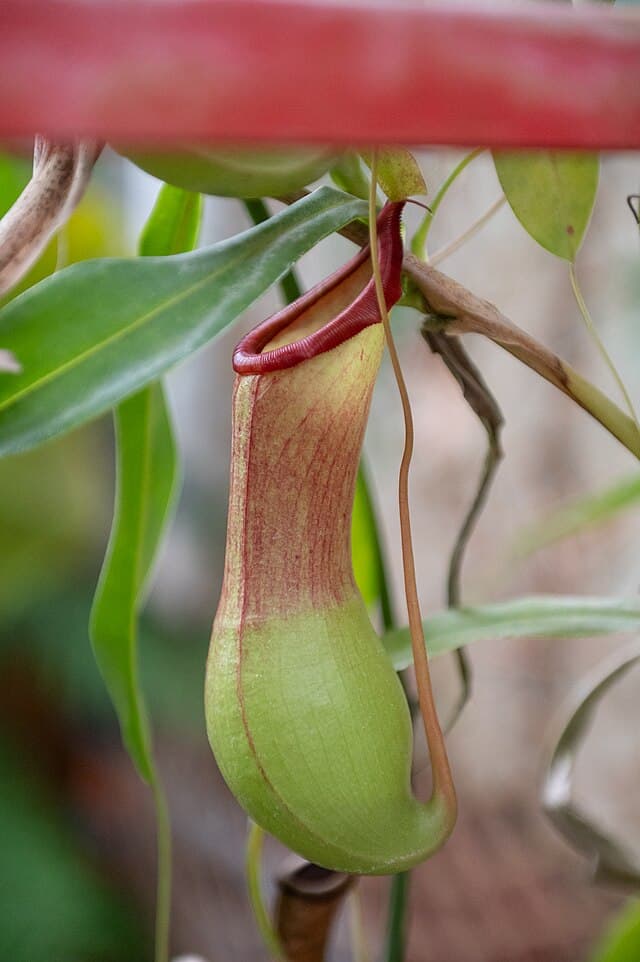
Nepenthes Gracilis
Nepenthes gracilis
A slender Nepenthes with a unique lid mechanism that flicks insects in with raindrop impact.
CarnivorousNepenthesSlender
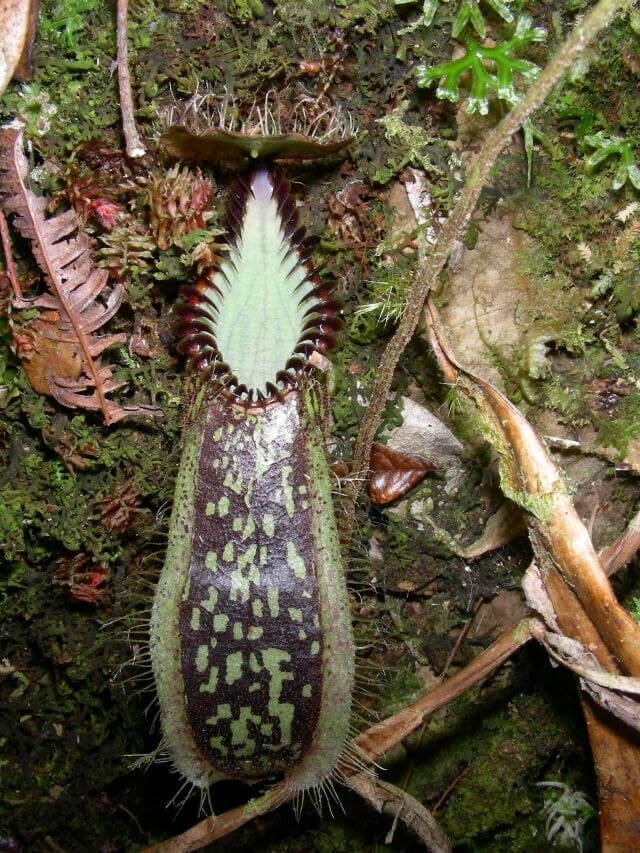
Nepenthes Hamata
Nepenthes hamata
A fearsome-looking Nepenthes with fang-like sharp projections inside pitchers, from Sulawesi highlands.
CarnivorousNepenthesFangs
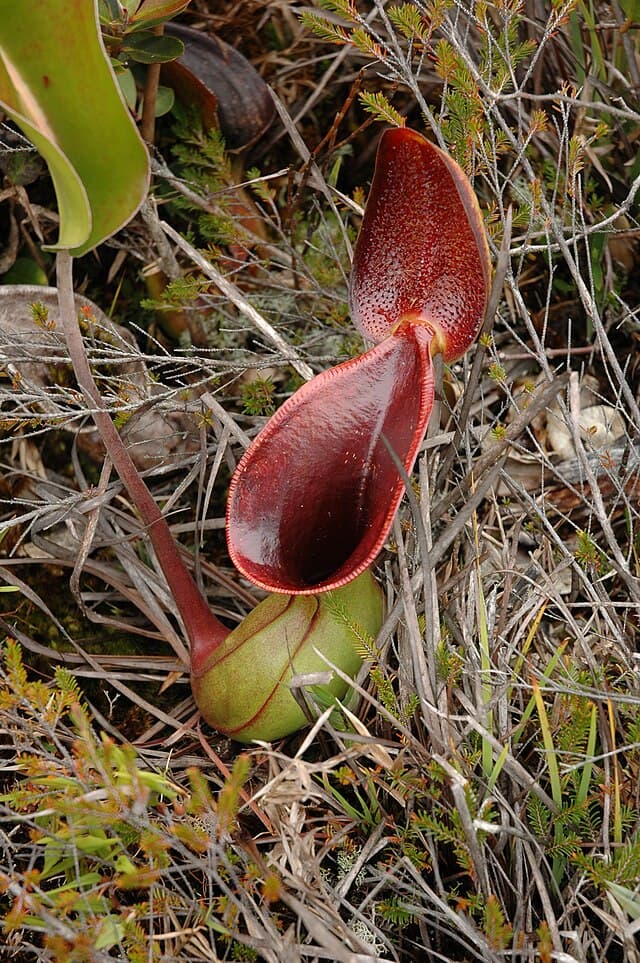
Nepenthes Lowii
Nepenthes lowii
A Nepenthes with toilet-shaped pitchers that collect tree shrew droppings as nutrition.
CarnivorousNepenthesToilet
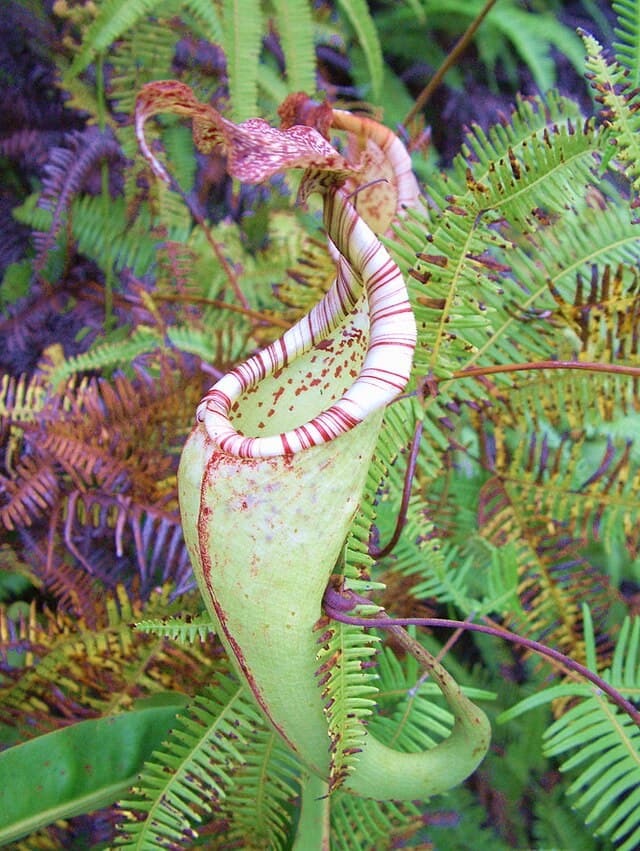
Nepenthes Maxima
Nepenthes maxima
A beautiful Nepenthes from Sulawesi with large pitchers and diverse color forms, relatively hardy.
CarnivorousNepenthesLarge Pitcher
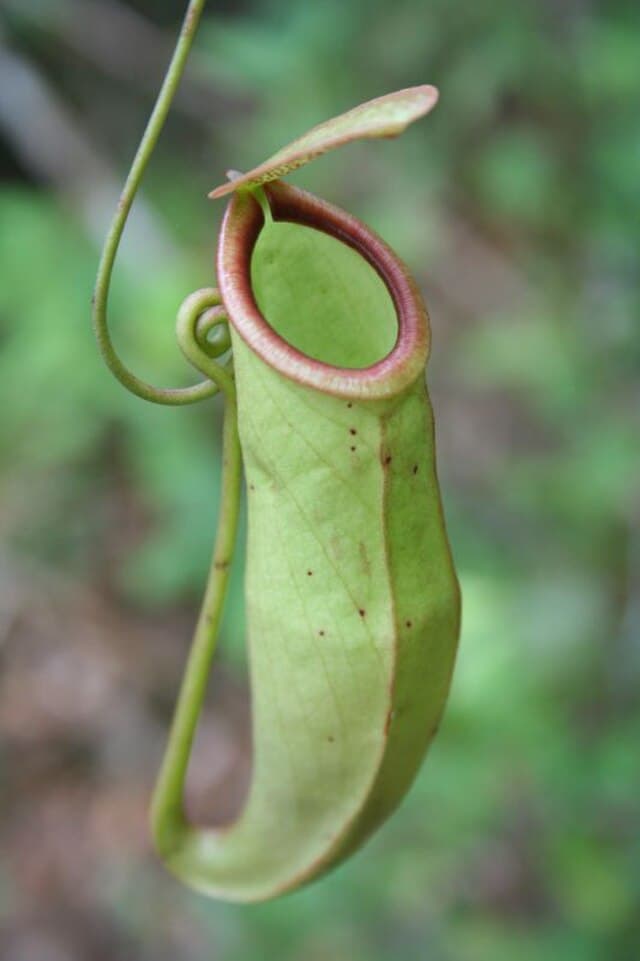
Nepenthes Mirabilis
Nepenthes mirabilis
The most widespread Nepenthes, from SE Asia to Australia, hardy and great for beginners.
CarnivorousNepenthesHardy
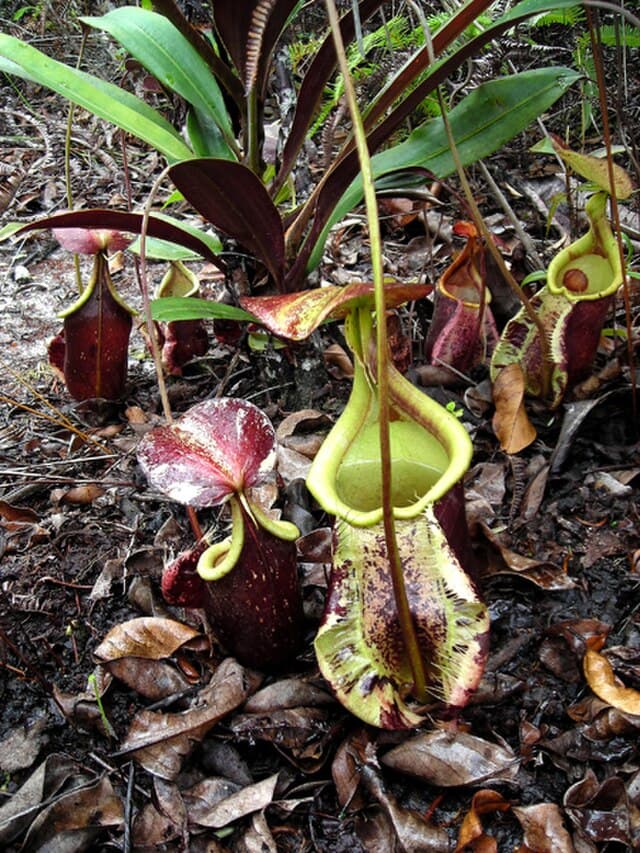
Nepenthes Rafflesiana
Nepenthes rafflesiana
A large Nepenthes widely distributed in SE Asia with huge pitchers and varied coloring.
CarnivorousNepenthesLarge
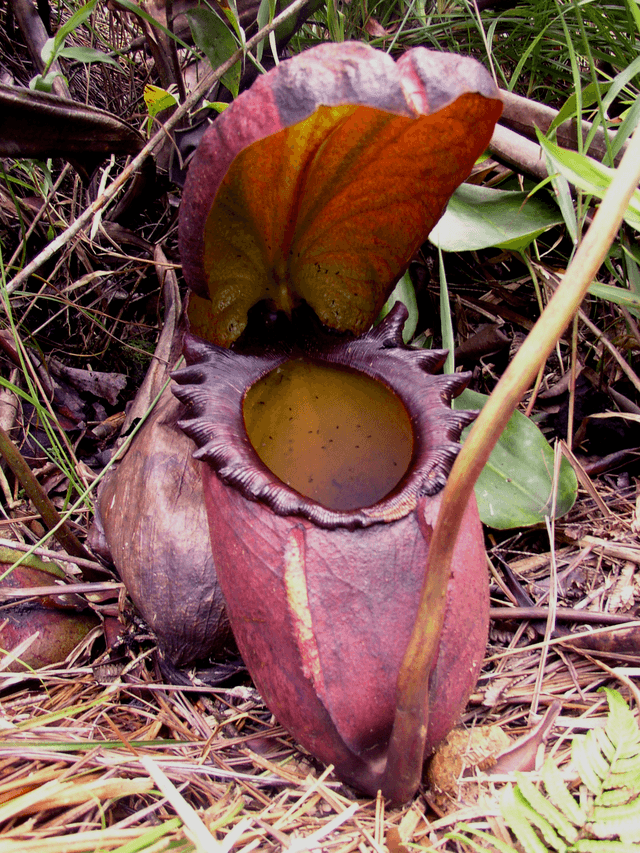
Nepenthes Rajah
Nepenthes rajah
The world's largest Nepenthes from Mt. Kinabalu, Borneo, with pitchers exceeding 35cm. CITES protected.
CarnivorousNepenthesWorld Largest
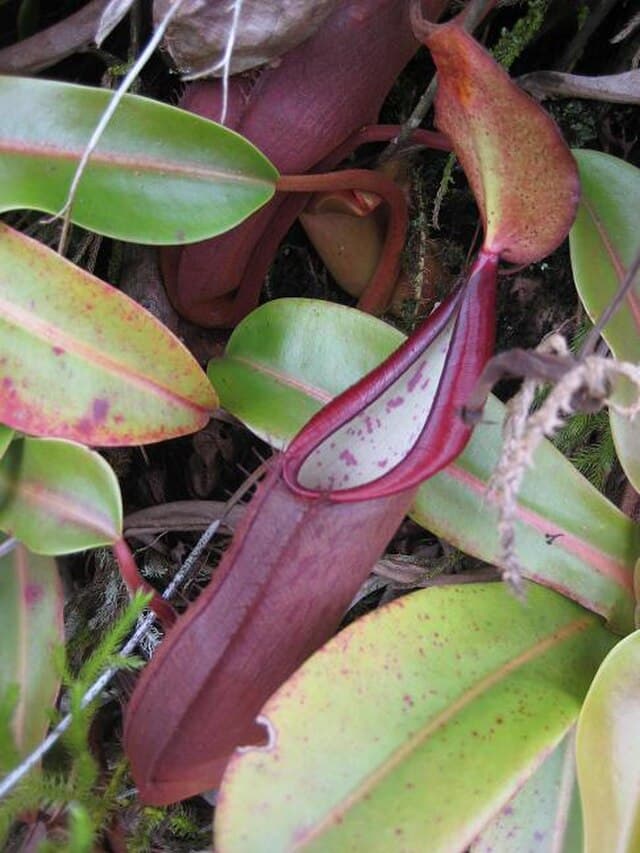
Nepenthes Sanguinea
Nepenthes sanguinea
A hardy Nepenthes from Malay Peninsula with many red-green color forms, easy for beginners.
CarnivorousNepenthesHardy
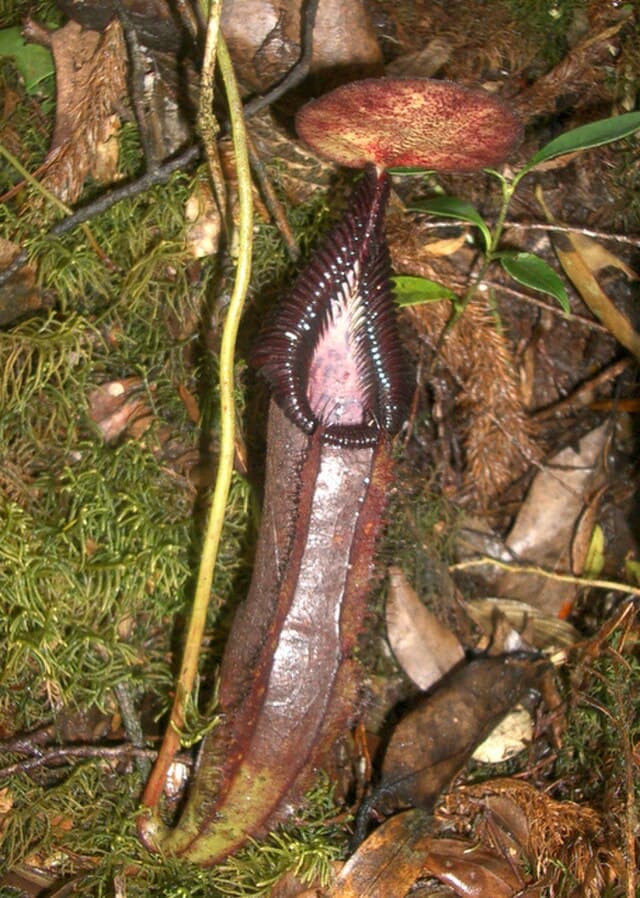
Nepenthes Singalana
Nepenthes singalana
A highland Nepenthes from Sumatra with rounded pitchers and beautiful red coloring.
CarnivorousNepenthesRound
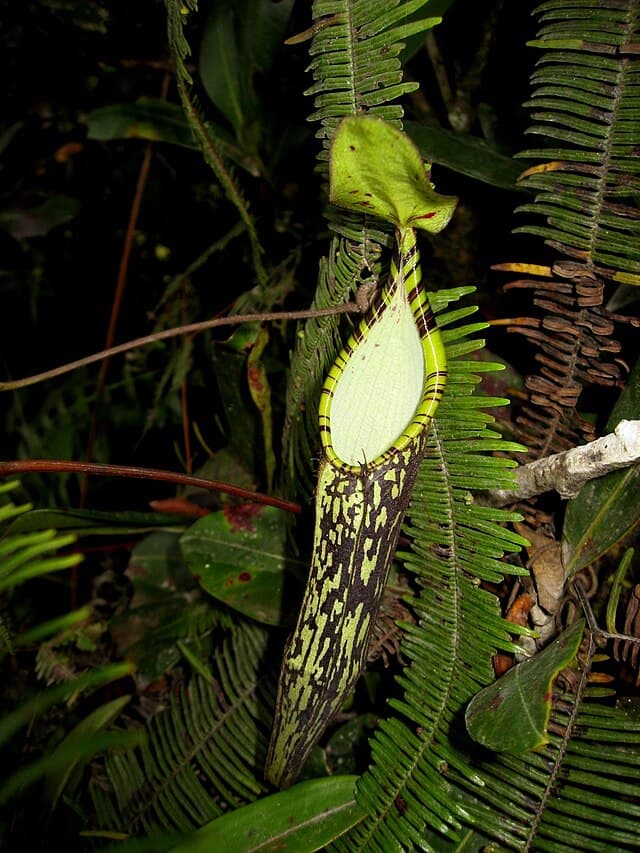
Nepenthes Spectabilis
Nepenthes spectabilis
A highland Nepenthes from Sumatra with strikingly beautiful striped peristome.
CarnivorousNepenthesStriped
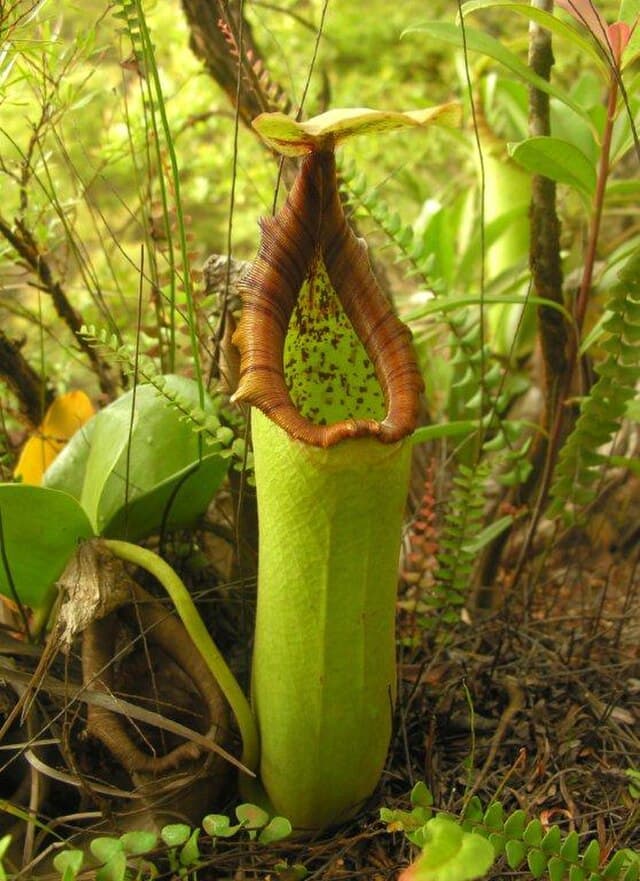
Nepenthes Truncata
Nepenthes truncata
With flat-cut leaf tips and huge pitchers, said to catch rats. A giant species.
CarnivorousNepenthesGiant
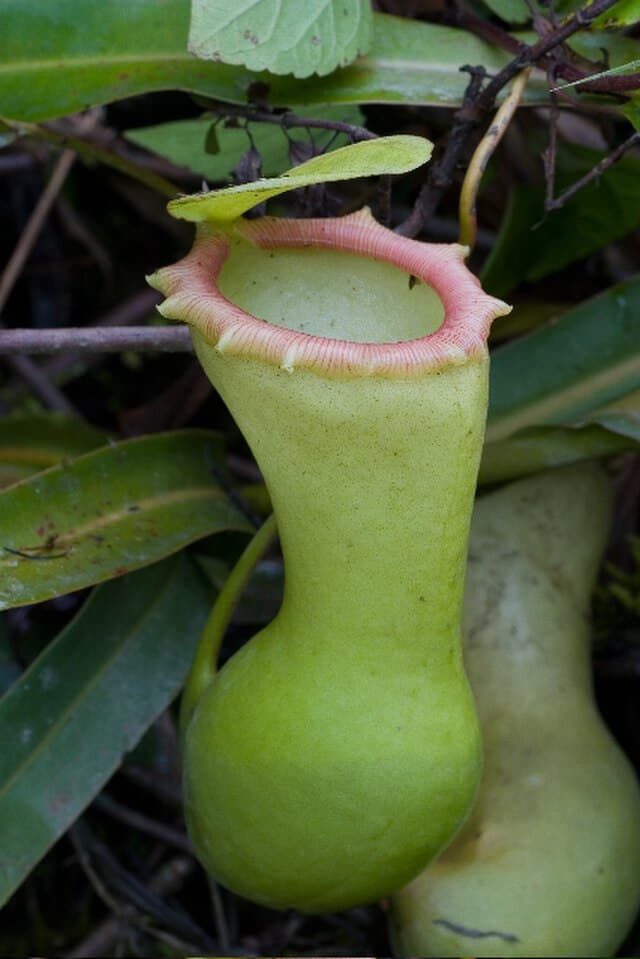
Nepenthes Ventricosa
A Nepenthes with cute rounded pitchers, highland but relatively easy to grow.
CarnivorousNepenthesRound
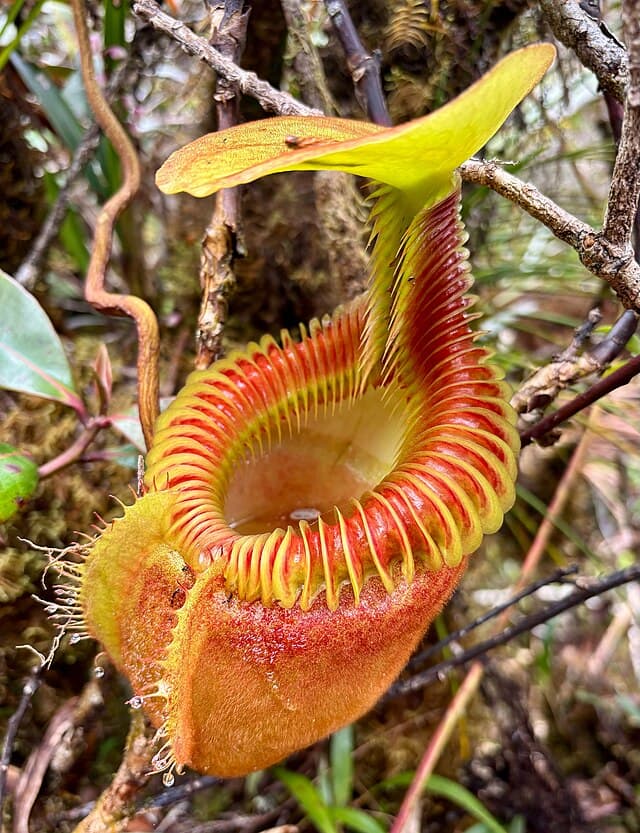
Nepenthes Villosa
Nepenthes villosa
A Mt. Kinabalu endemic Nepenthes with hairy pitchers and intricate peristome of stunning beauty.
CarnivorousNepenthesHairy
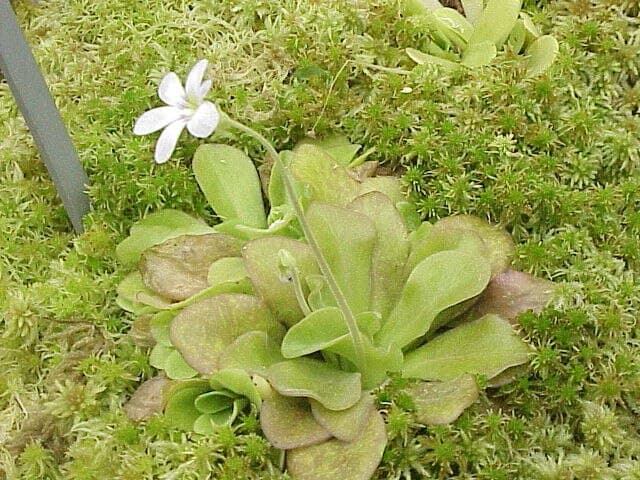
Pinguicula Agnata
Pinguicula agnata
A hardy Mexican butterwort with blue-purple flowers and thick leaves, recommended for beginners.
CarnivorousButterwortBlue Purple
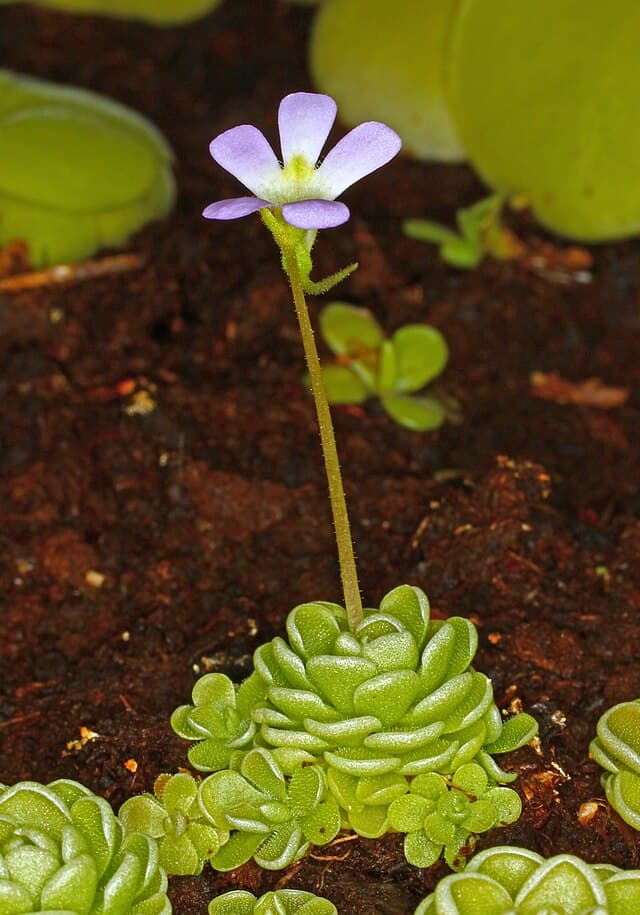
Pinguicula Esseriana
Pinguicula esseriana
A small Mexican butterwort forming succulent rosettes in winter, beautiful year-round.
CarnivorousButterwortSmall
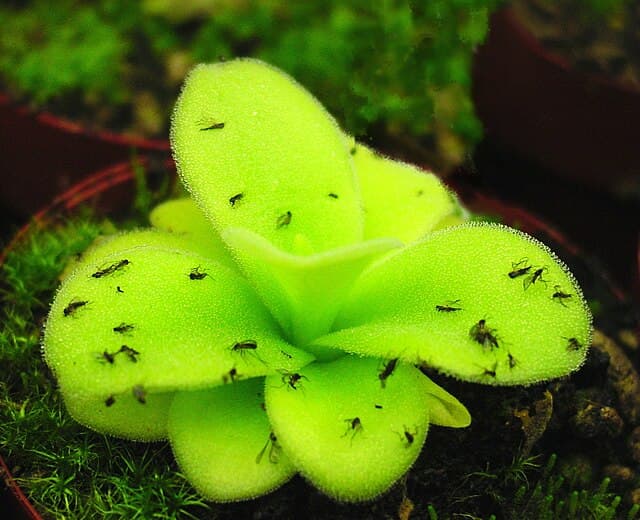
Pinguicula Gigantea
Pinguicula gigantea
The world's largest butterwort with rosettes over 30cm, catching large amounts of insects.
CarnivorousButterwortLargest
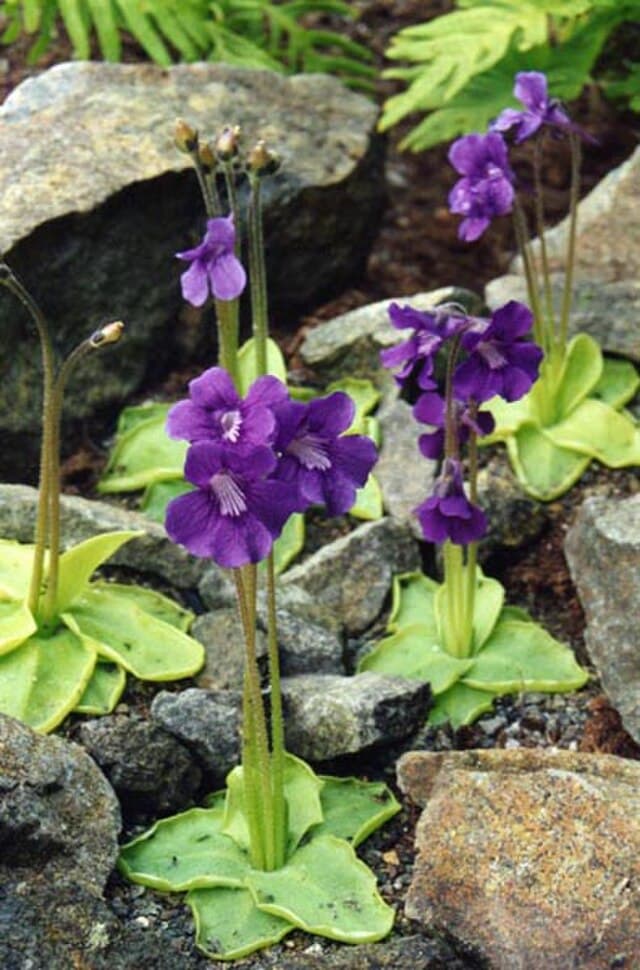
Pinguicula Grandiflora
Pinguicula grandiflora
A European butterwort with large purple flowers, very cold hardy and growable outdoors.
CarnivorousButterwortLarge Flower
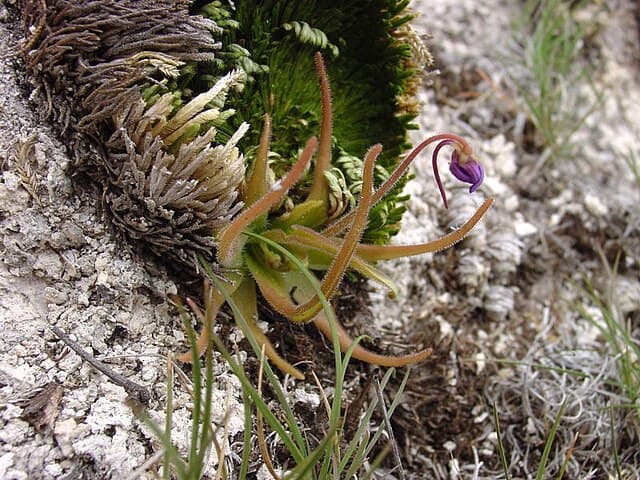
Pinguicula Gypsicola
Pinguicula gypsicola
A Mexican butterwort growing on gypsum rocks with delicate translucent leaves.
CarnivorousButterwortTranslucent
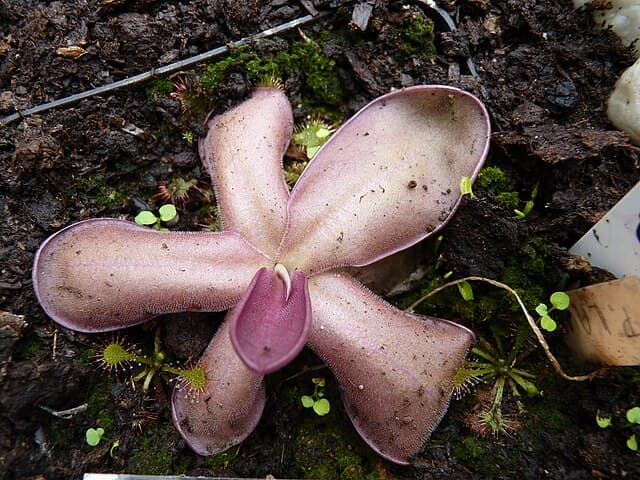
Pinguicula Laueana
Pinguicula laueana
A Mexican butterwort with vivid red flowers, considered the most beautiful flowering species.
CarnivorousButterwortRed
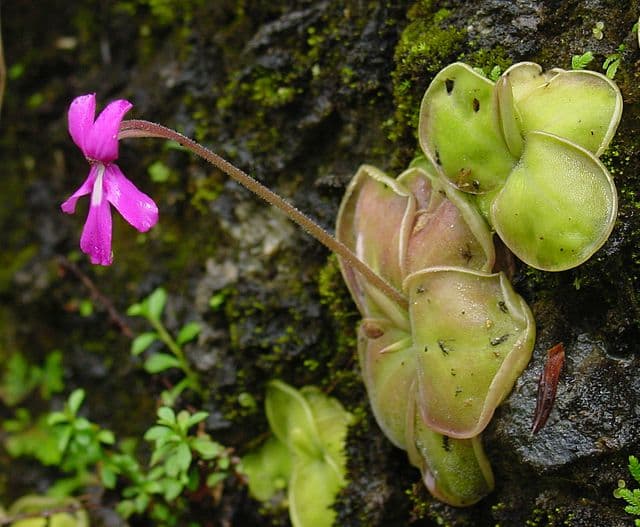
Pinguicula Moranensis
Pinguicula moranensis
A hardy Mexican butterwort with beautiful pink flowers and succulent-like leaves.
CarnivorousButterwortPink
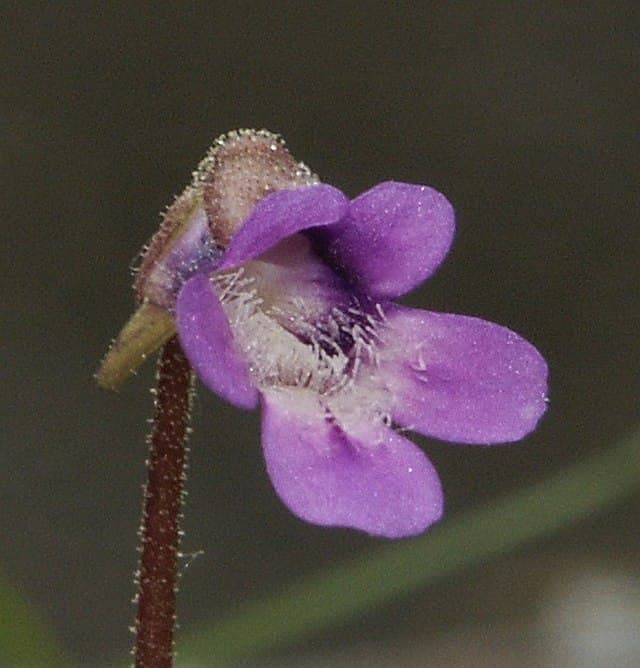
Pinguicula Vulgaris
Pinguicula vulgaris
A widely distributed butterwort of the Northern Hemisphere, native to Japan with purple flowers.
CarnivorousButterwortJapanese
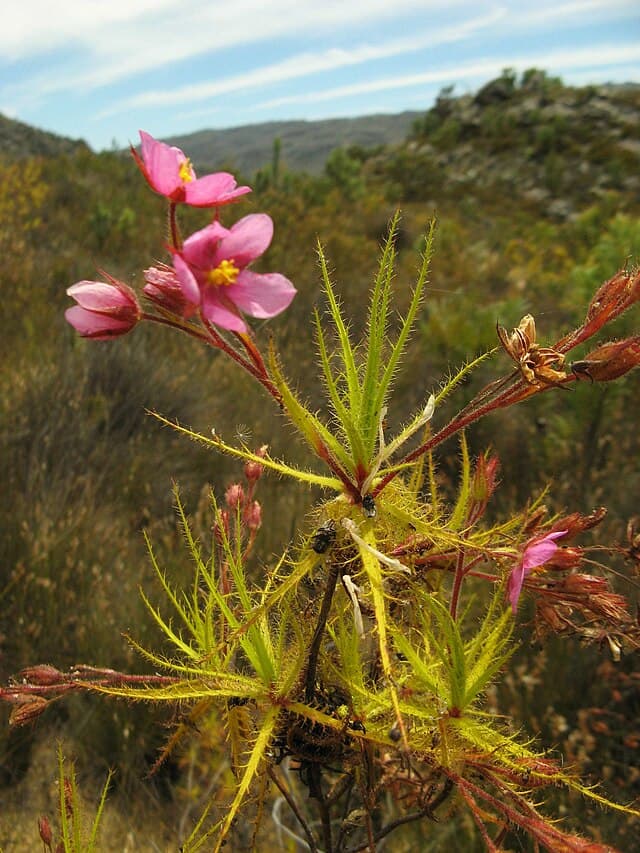
Roridula Dentata
Roridula dentata
A semi-carnivorous plant from South Africa that traps insects with sticky glands but gains nutrients via symbiotic assassin bugs.
CarnivorousRoridulaSouth Africa
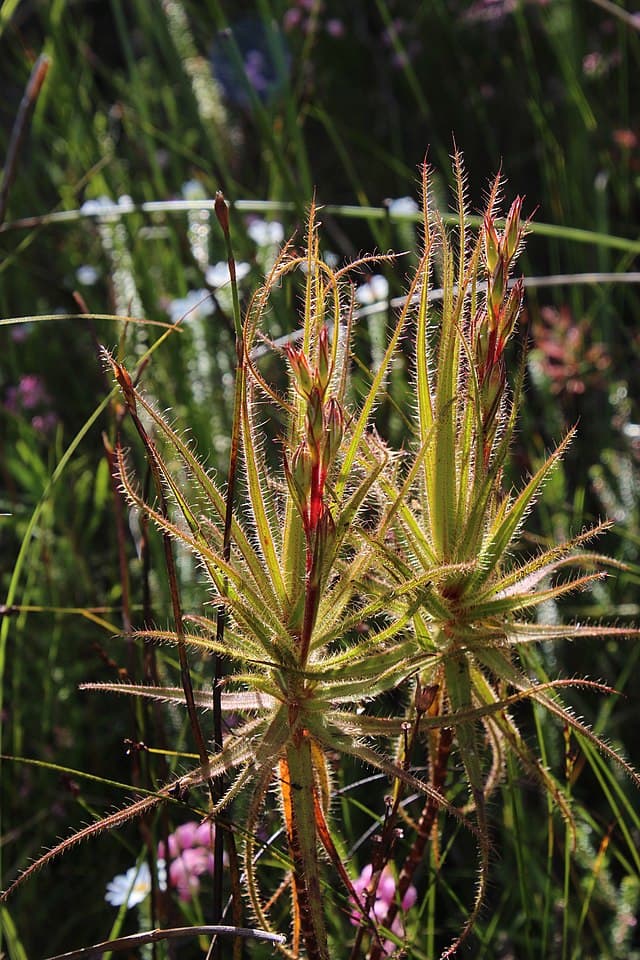
Roridula Gorgonias
Roridula gorgonias
A South African proto-carnivore trapping insects with mucilage but relying on symbiotic bugs to digest.
CarnivorousRoridulaSymbiosis
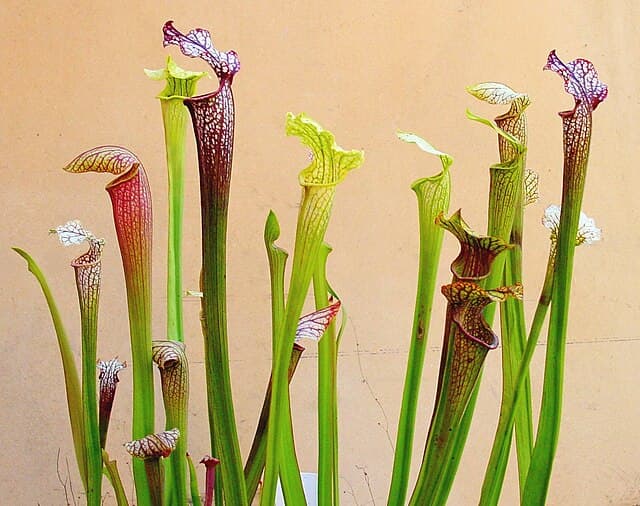
Sarracenia
Sarracenia spp.
North American tube-shaped pitcher plant with beautifully patterned and colored upright traps. Cold-hardy enough for outdoor cultivation in Japan. Many hybrids exist for collectors.
Beginner-friendlyCold-hardyOutdoor OK
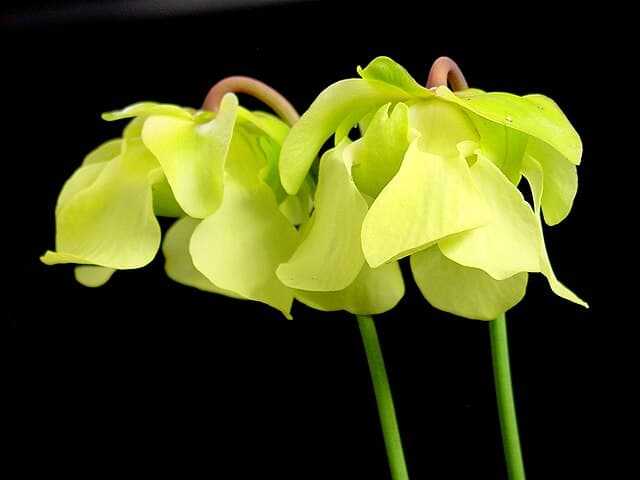
Sarracenia Alata
Sarracenia alata
A Sarracenia with winged tubes, delicate yellow-green form and sweet-scented lid.
CarnivorousSarraceniaWinged
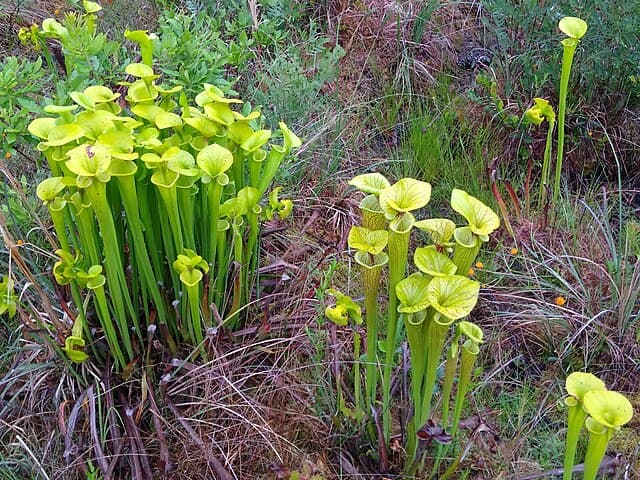
Sarracenia Flava
Sarracenia flava
A Sarracenia with tall yellow-green tubes, one of the largest species, exceeding 1m.
CarnivorousSarraceniaLarge
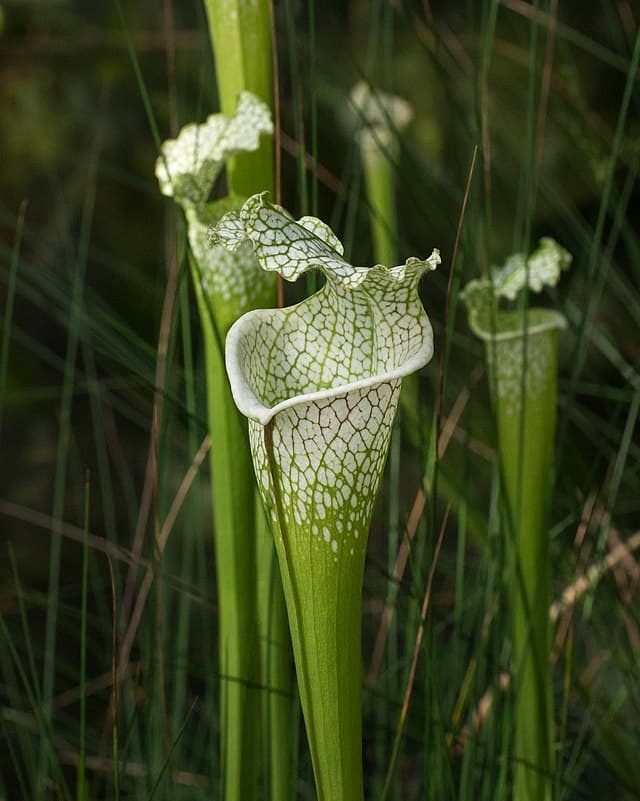
Sarracenia Leucophylla
Sarracenia leucophylla
The most beautiful Sarracenia with white lids and red vein patterns, especially stunning in autumn.
CarnivorousSarraceniaWhite
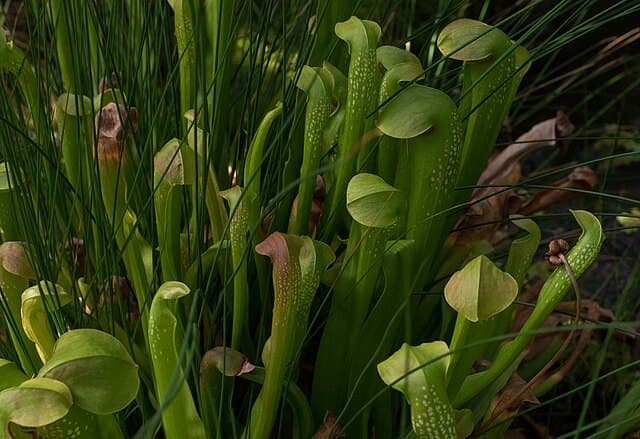
Sarracenia Minor
Sarracenia minor
A Sarracenia with window-like transparent patches on the lid, trapping insects confused by light.
CarnivorousSarraceniaWindow
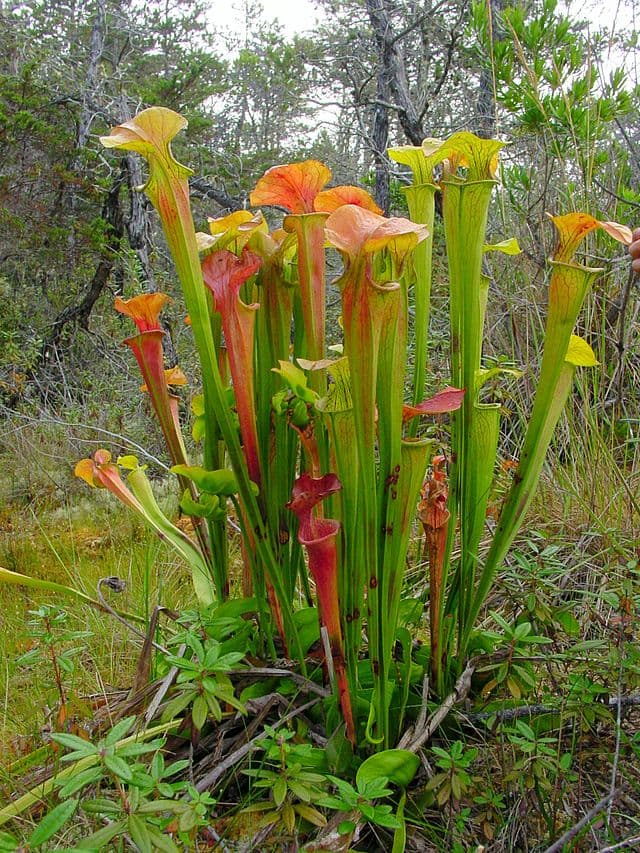
Sarracenia Oreophila
Sarracenia oreophila
A highland Sarracenia, endangered and protected, with beautiful yellow-green tubes.
CarnivorousSarraceniaEndangered
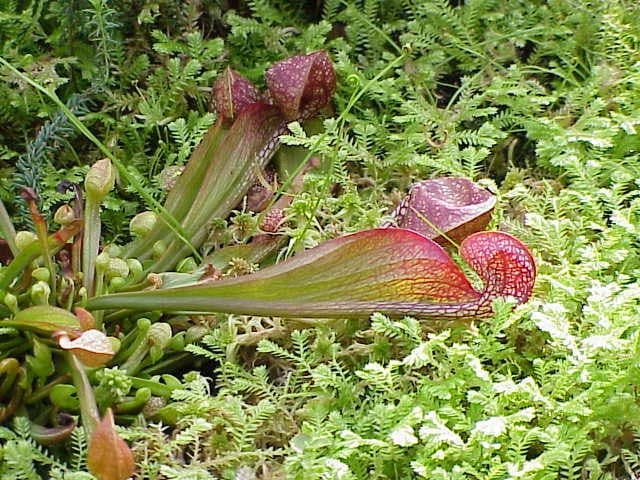
Sarracenia Psittacina
Sarracenia psittacina
A Sarracenia with unique parrot-beak-like pitchers spreading along the ground.
CarnivorousSarraceniaParrot
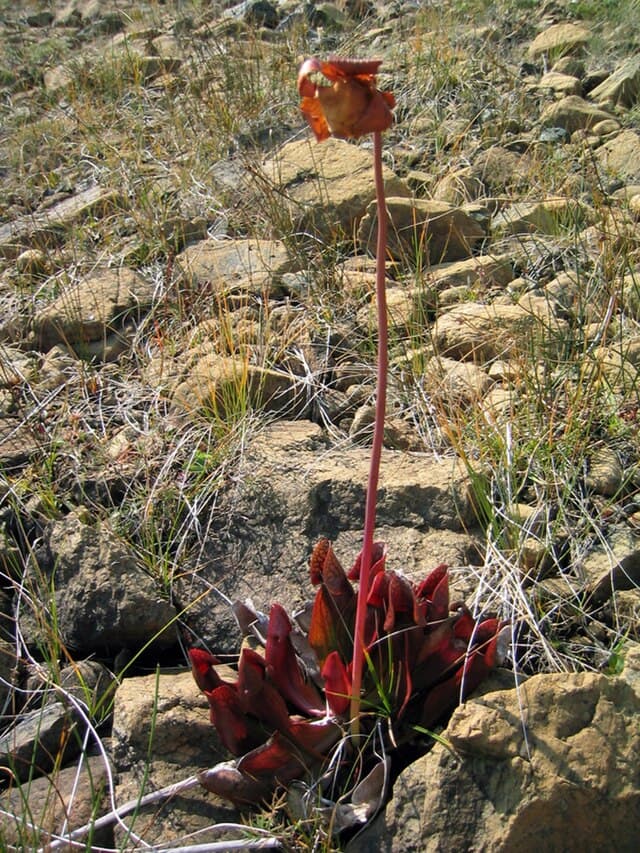
Sarracenia Purpurea
Sarracenia purpurea
The most widespread North American Sarracenia with short tubular red-purple pitchers, very cold hardy.
CarnivorousSarraceniaCold Hardy
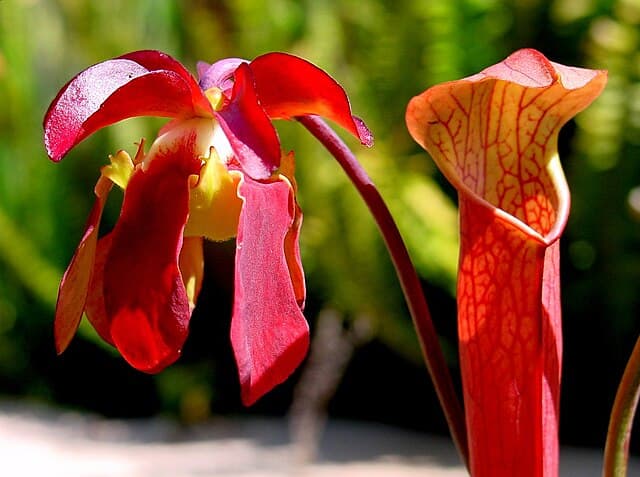
Sarracenia Rubra
Sarracenia rubra
A small reddish Sarracenia that attracts insects with sweet scent, many varieties exist.
CarnivorousSarraceniaRed
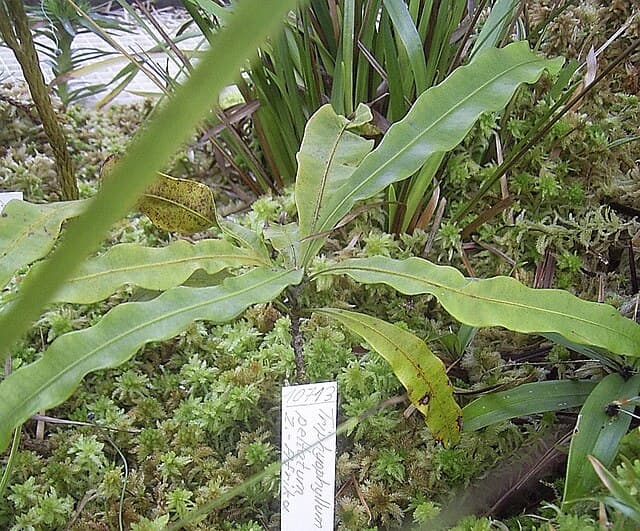
Triphyophyllum Peltatum
Triphyophyllum peltatum
A rare West African carnivorous plant whose leaves change form three times, temporarily developing sticky trapping leaves.
CarnivorousTriphyophyllumWest Africa
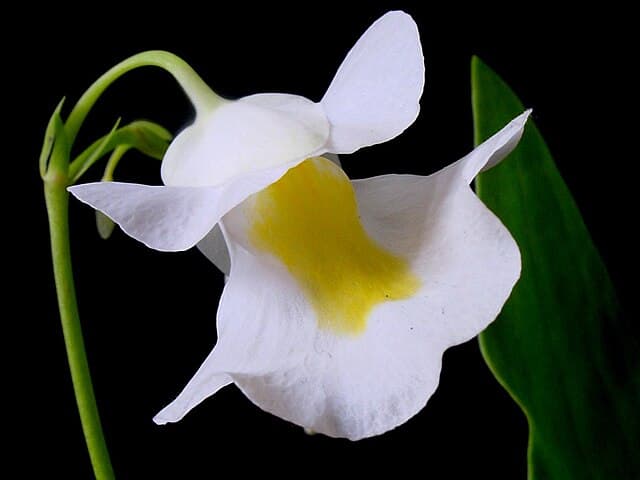
Utricularia Alpina
An epiphytic bladderwort from Central/South American highlands with large white flowers, growing on trees like orchids.
CarnivorousUtriculariaEpiphyte
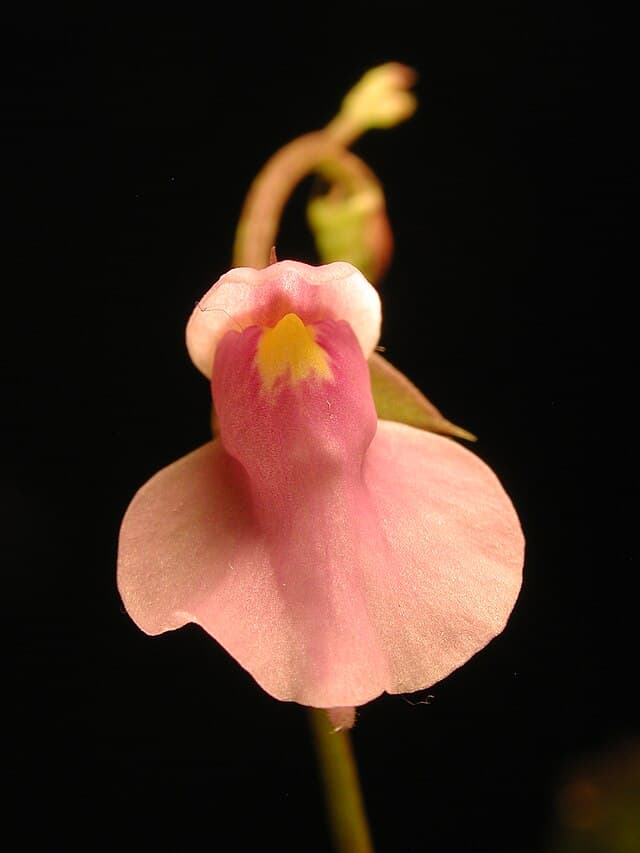
Utricularia Calycifida
Utricularia calycifida
A South American epiphytic bladderwort with beautiful large purple flowers, ideal for terrariums.
CarnivorousBladderwortEpiphyte
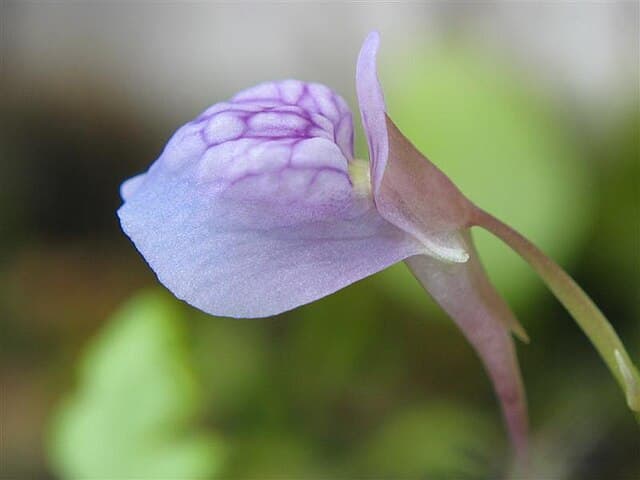
Utricularia Graminifolia
Utricularia graminifolia
A bladderwort also popular as aquatic plant, forming green carpet for aquarium foreground.
CarnivorousBladderwortAquatic
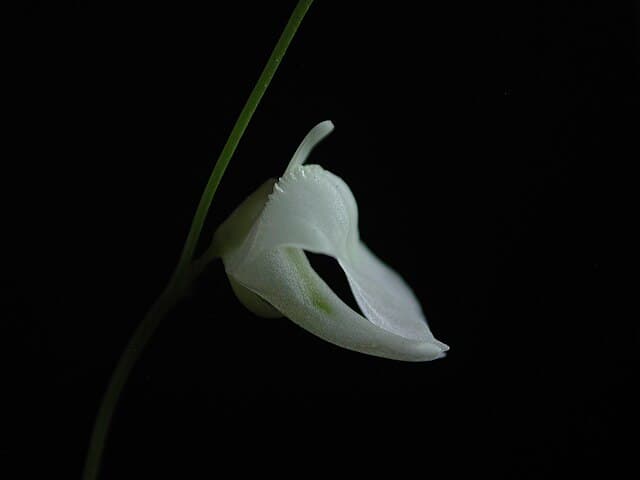
Utricularia Livida
Utricularia livida
A terrestrial bladderwort with many pale purple flowers, hardy and spreading like ground cover.
CarnivorousBladderwortPurple
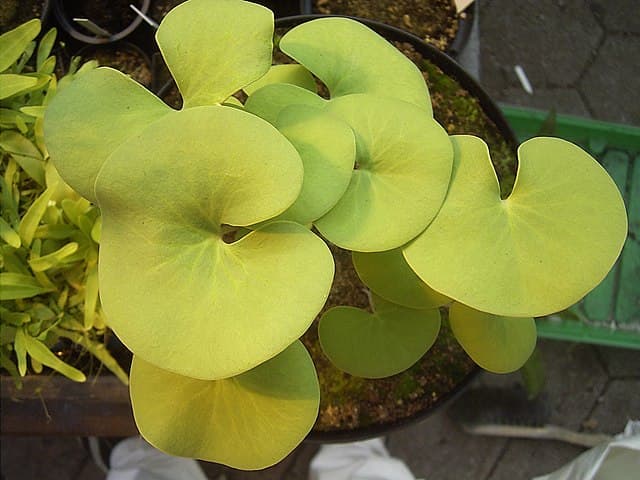
Utricularia Reniformis
Utricularia reniformis
A South American epiphytic bladderwort with large kidney-shaped leaves and purple flowers.
CarnivorousBladderwortLarge
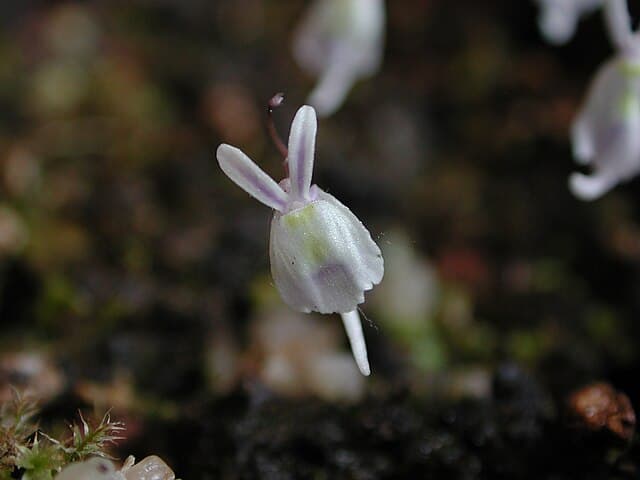
Utricularia Sandersonii
Utricularia sandersonii
A terrestrial bladderwort with rabbit-face-like flowers, vigorous and easy to grow.
CarnivorousBladderwortRabbit
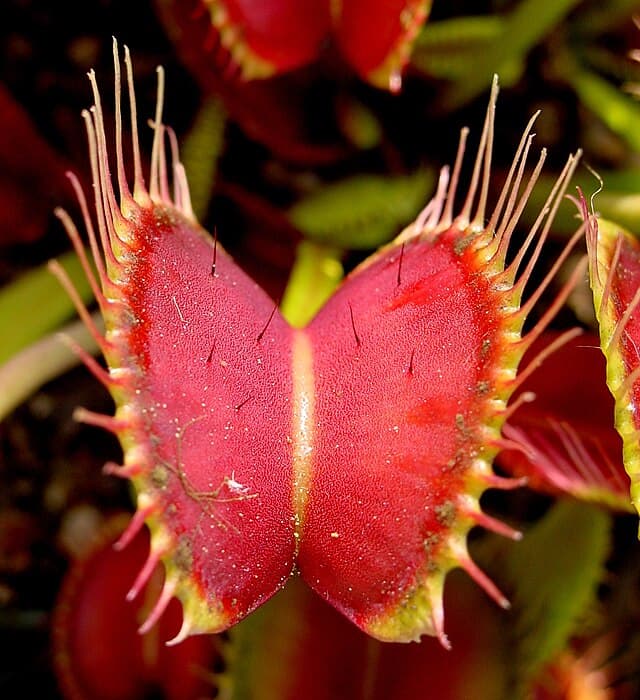
Venus Flytrap
Dionaea muscipula
The world's most famous carnivorous plant. Clam-like leaves snap shut in 0.1 seconds to capture insects. Native only to Eastern US wetlands. Requires winter dormancy.
IntermediateSnap trapDormancy required
🪴
Venus Flytrap B52
A Venus Flytrap cultivar with one of the largest traps, named after the B-52 bomber for its size.
CarnivorousVenus FlytrapLargest
🪴
Venus Flytrap Big Mouth
A cultivar forming very large traps, with leaves that can exceed 5cm.
CarnivorousVenus FlytrapGiant Trap
🪴
Venus Flytrap Dentate
A cultivar with triangular pointed trap teeth, giving a more powerful impression than typical thin teeth.
CarnivorousVenus FlytrapTriangular
🪴
Venus Flytrap Green Dragon
A rare cultivar with green trap interiors, giving a refreshing look unlike typical red traps.
CarnivorousVenus FlytrapGreen
🪴
Venus Flytrap King Henry
A Venus Flytrap cultivar with tall upright traps giving a kingly, powerful appearance.
CarnivorousVenus FlytrapUpright
🪴
Venus Flytrap Red Dragon
A popular Venus Flytrap cultivar that turns deep red, more vivid under strong light.
CarnivorousVenus FlytrapRed