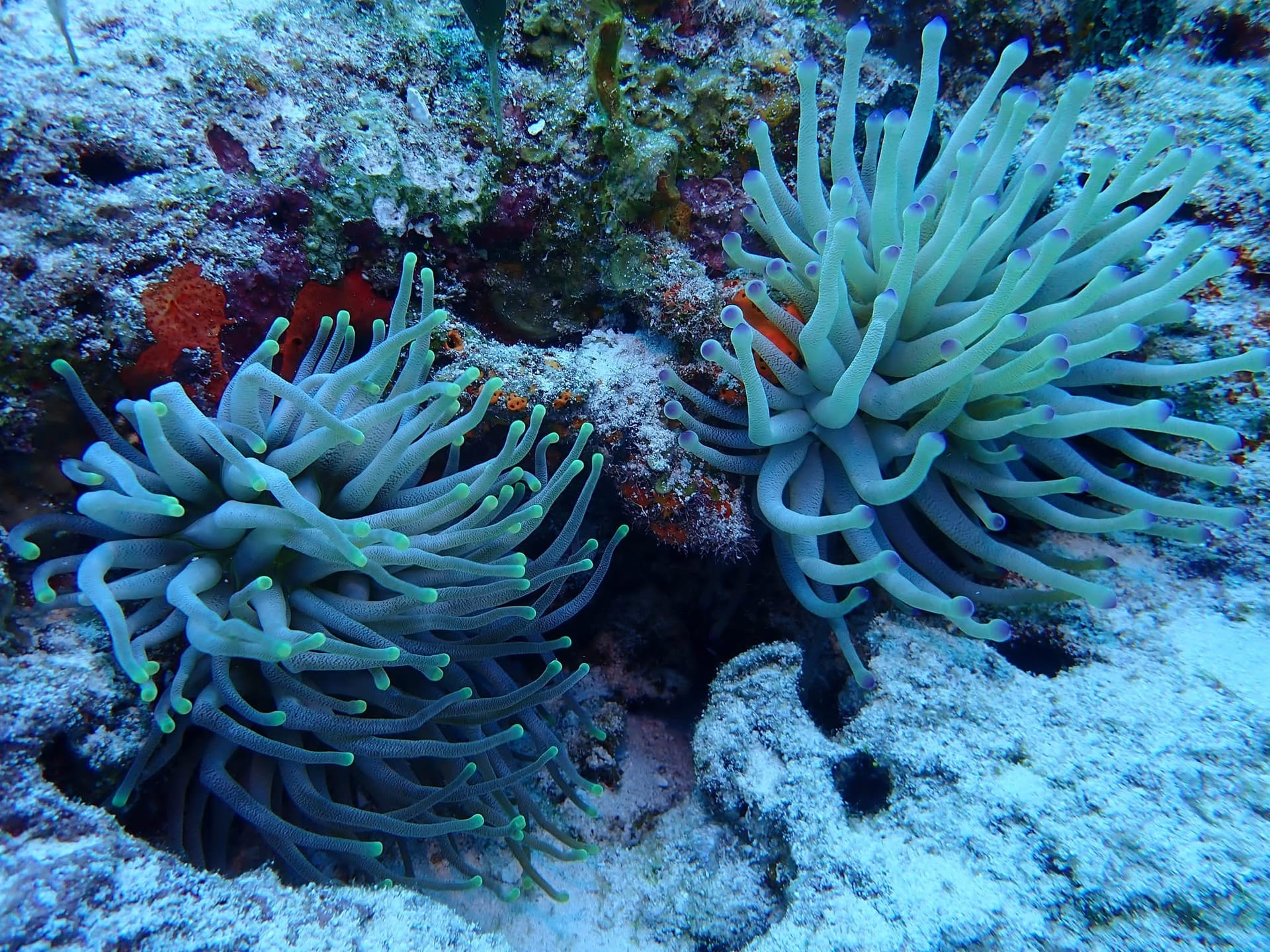
 © Tylermack999 / CC0
巨海葵(加勒比海葵)
The Condylactis anemone, also known as the Caribbean anemone, is native to shallow reefs across the Caribbean Sea and western Atlantic. Its reddish column supports long, tapering tentacles that fade to soft pink at the tips, and some individuals develop a bulb-like swelling at the very end of each tentacle. Rather than clustering in large groups, it tends to live alone or in loose gatherings, giving it a calm, understated presence in a reef tank. Because it calls for some hands-on experience with water quality and reef husbandry, it's best suited to aquarists who already have a marine tank under their belt.
View 巨海葵(加勒比海葵) encyclopedia →成交手續費 0%!2026年9月30日前註冊,前 2 筆成交免佣金!
繁殖者 招募中!
在 BreederDirect 上架,直接銷售給全國各地的客戶!
我們承諾的 6 個透明度標準
在珊瑚的上架商品中,繁殖者會明示下列資訊。避免過度捕撈的野生個體,確保養殖/CB為主、實物照片、飼育難度資訊的透明度。
- 養殖個體
- 實物照片
- 難度明示
- Frag/Colony
- 飼育資訊
- 標明流通名
查看全部210個品種
珊瑚分類正在招募認證繁殖者
繁殖者正在陸續註冊,即將上架。設定上架通知,不錯過新商品。
「接收上架通知」需免費註冊會員即可設定。當有符合您儲存條件的新商品上架時,我們會以郵件和站內通知提醒您。
已註冊的繁殖者(搶先看)
關於巨海葵(加勒比海葵)
Condylactis anemone (Caribbean anemone): a Caribbean and western Atlantic species with a reddish column and pink-tipped tentacles. Intermediate difficulty, prized for its calm, striking presence in a reef tank.
迎接巨海葵(加勒比海葵)前需要了解的7件事
1Intermediate Care Level
The Condylactis anemone is considered suitable for intermediate keepers, requiring some working knowledge of water quality and lighting. Building experience with a saltwater tank beforehand makes it easier to keep the environment stable.
2Nematocysts Need Space
Its tentacles carry stinging cells that can injure neighboring corals or anemones on contact. Give it plenty of space from other sessile animals, and consider water flow patterns so its tentacles don't drift into contact with tankmates.
3It Can Relocate Itself
Anemones are capable of moving on their own, and Condylactis may relocate within the tank in search of a spot it prefers. Keep an eye on pump intakes and heaters, since it can settle in inconvenient places.
4Prefers Strong Light and Flow
In the wild it lives in shallow water, so it tends to do best under relatively strong lighting and moderate water movement. Choose a placement in the tank that can provide both.
5Needs Regular Feeding
It catches small food items with its tentacles, so regular feeding supports its health. Pieces of shrimp or fish sized to fit its mouth are commonly offered.
6Usually Found Alone
In the wild it doesn't form large groups, typically appearing alone or in loose clusters. This makes it easy to start with a single specimen and still see its natural behavior.
7Prepare a Mature Tank First
Because anemones are sensitive to shifts in water chemistry, it's best introduced to a tank that has been running long enough for parameters to stabilize. It's also worth checking compatibility with existing corals and fish beforehand.
巨海葵(加勒比海葵)的常見問題
- Q.Is the Condylactis anemone suitable for beginners?
- A.It's generally considered an intermediate-level species, so it's best to build some saltwater keeping experience first. Aquarists comfortable with water quality management will find it manageable in a stable tank.
- Q.Can it be kept with other anemones or corals?
- A.Its tentacles carry stinging cells that can harm neighboring animals, so it needs to be placed with plenty of space around it. Planning the tank layout carefully helps prevent accidental contact.
- Q.Does it move around the tank?
- A.Yes, anemones can move on their own and Condylactis may relocate in search of a spot it prefers. Keep an eye on where it settles, especially near equipment like pump intakes.
- Q.How much light and water flow does it need?
- A.Since it naturally lives in shallow water, it tends to prefer relatively strong lighting and moderate flow. Try to place it somewhere in the tank that can provide both.
- Q.How often should it be fed?
- A.It catches food with its tentacles, so regular feeding helps support its health. Offering pieces of appropriately sized food is a common approach.
適合飼養巨海葵(加勒比海葵)的實用工具
在圖鑑中詳細了解巨海葵(加勒比海葵)
查看巨海葵(加勒比海葵)的圖鑑條目 →
收錄飼養難度、壽命、體長、食性等基礎資料。