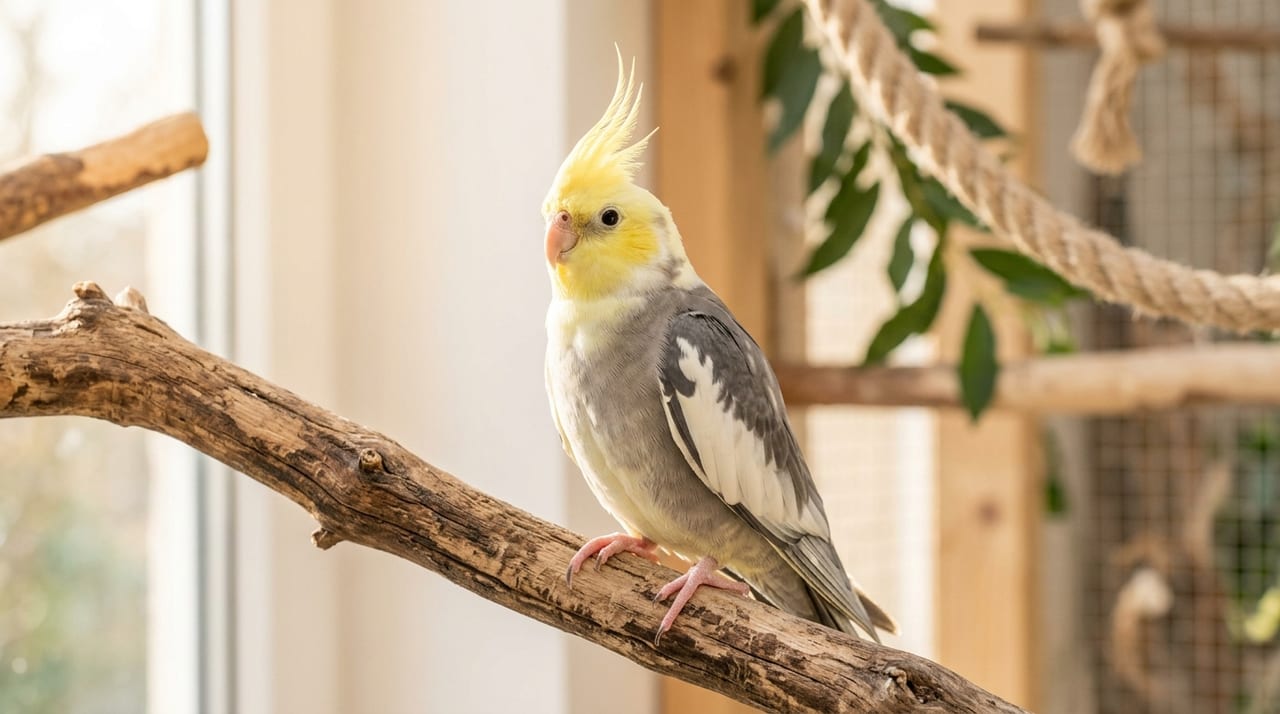
A complete guide to buying pet birds from breeders, covering how to identify reputable breeders, spot healthy chicks, and prepare for bringing a bird home.
要點總結
A complete guide to buying pet birds from breeders, covering how to identify reputable breeders, spot healthy chicks, and prepare for bringing a bird home.
When welcoming a bird for the first time, where you purchase it and what chick you select greatly influence your success. Here we cover how to identify reliable breeders and tips for selecting healthy chicks.
Where to Purchase Birds
Main options for purchasing birds include:
- Specialist breeders: Selling self-bred birds directly
- Pet shops (bird specialists): Stores dedicated to birds
- General pet shops: Stores handling birds alongside dogs and cats
- Bird events and sales: Events where breeders gather
Since the breeder's level of hands-on care significantly influences a bird's personality, purchasing from breeders or specialist shops is recommended.
Identifying a Trustworthy Breeder
Characteristics of Good Breeders
- Allow facility visits: Clean cages of appropriate size with proper temperature control
- Show parent birds: Allowing you to verify parent health and temperament
- Answer questions thoroughly: Openly explain care methods, diet, and health history
- Share hand-feeding stage details: Accurately tracking the chick's developmental stage
- Offer after-sales support: Available for care consultations after purchase
- Practice responsible breeding: Breed at appropriate intervals, not excessively
Breeders to Avoid
- Refuse facility visits
- Won't share parent bird information
- Give vague answers to bird-related questions
- Breed excessively many species simultaneously
- Sell very young chicks (with eyes not yet open)
Selecting Healthy Chicks
Physical Examination
- Feathers: Fluffy and glossy. Not disheveled or messy
- Eyes: Round, bright, and sparkling. No discharge or swelling
- Nostrils (cere): Clean around the nostrils. No nasal discharge
- Beak: Upper and lower beak properly aligned (no crossbeak)
- Feet: Digits are firm with no deformity or swelling
- Vent area: No diarrhea stains
- Body condition: Keel bone not protruding (sign of underweight)
Behavioral Assessment
- Activity: Moving around energetically. Responsive to surroundings
- Appetite: Eating hand-feeding formula well, or self-feeding
- Vocalization: Calling energetically
- Breathing: No open-mouth or shoulder breathing (signs of respiratory disease)
- Puffing up: Sitting still with puffed feathers when not cold may indicate illness
What to Confirm at Purchase
- Date of birth: Exact birth date
- Hand-feeding stage: How many times per day, what is being fed
- Self-feeding transition timeline: When is independent feeding expected
- Current diet type and brand: Prepare the same in advance
- Hand-taming level: How accustomed to people
- Sex: Has DNA sexing been performed (many species are difficult to sex visually)
- Health history: Any previous illness
- PBFD/BFD testing: Have infectious disease tests been conducted
Post-Adoption Chick Care
- Warmth is critical: Chicks need approximately 28-30 degrees Celsius. Set up a pet heater in a plastic container
- Feed at proper temperature: Mix powder formula with warm water to approximately 40 degrees Celsius (never serve cold formula)
- Provide a calm environment: Place in a quiet location for the first few days
- Initial vet visit: Within one week of adoption, get a health check at an avian veterinary clinic
Find Healthy Birds on BuriChoku
BuriChoku lets you purchase directly from specialized bird breeders. You can confirm parent bird information, hand-feeding stages, and taming levels directly with the breeder. First-time bird owners can proceed with adoption preparation confidently.