基鳉卵的保存与管理指南|年鱼休眠卵技术
讲解基鳉卵的保存方法。介绍年鱼休眠卵管理、泥炭苔的保存、孵化时机等内容。基鳉中被称为"年鱼"的这一类群,具备了适应自然界恶劣环境的惊人生存战略。虽然在干季水源会完全干涸导致成鱼全部死亡,但卵会在土壤中保持休眠状态,等到下一个雨季再重获新生——能在家庭鱼缸中再现这一戏剧性的生活周期,正是年鱼饲养最大的魅力所在。
要点总结
讲解基鳉卵的保存方法。介绍年鱼休眠卵管理、泥炭苔的保存、孵化时机等内容。基鳉中被称为"年鱼"的这一类群,具备了适应自然界恶劣环境的惊人生存战略。虽然在干季水源会完全干涸导致成鱼全部死亡,但卵会在土壤中保持休眠状态,等到下一个雨季再重获新生——能在家庭鱼缸中再现这一戏剧性的生活周期,正是年鱼饲养最大的魅力所在。
相关品种
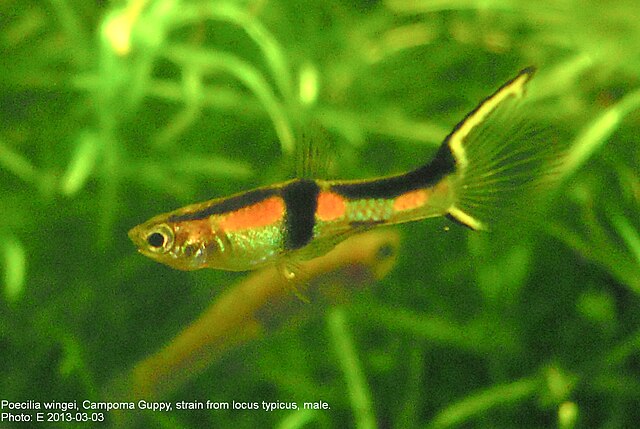
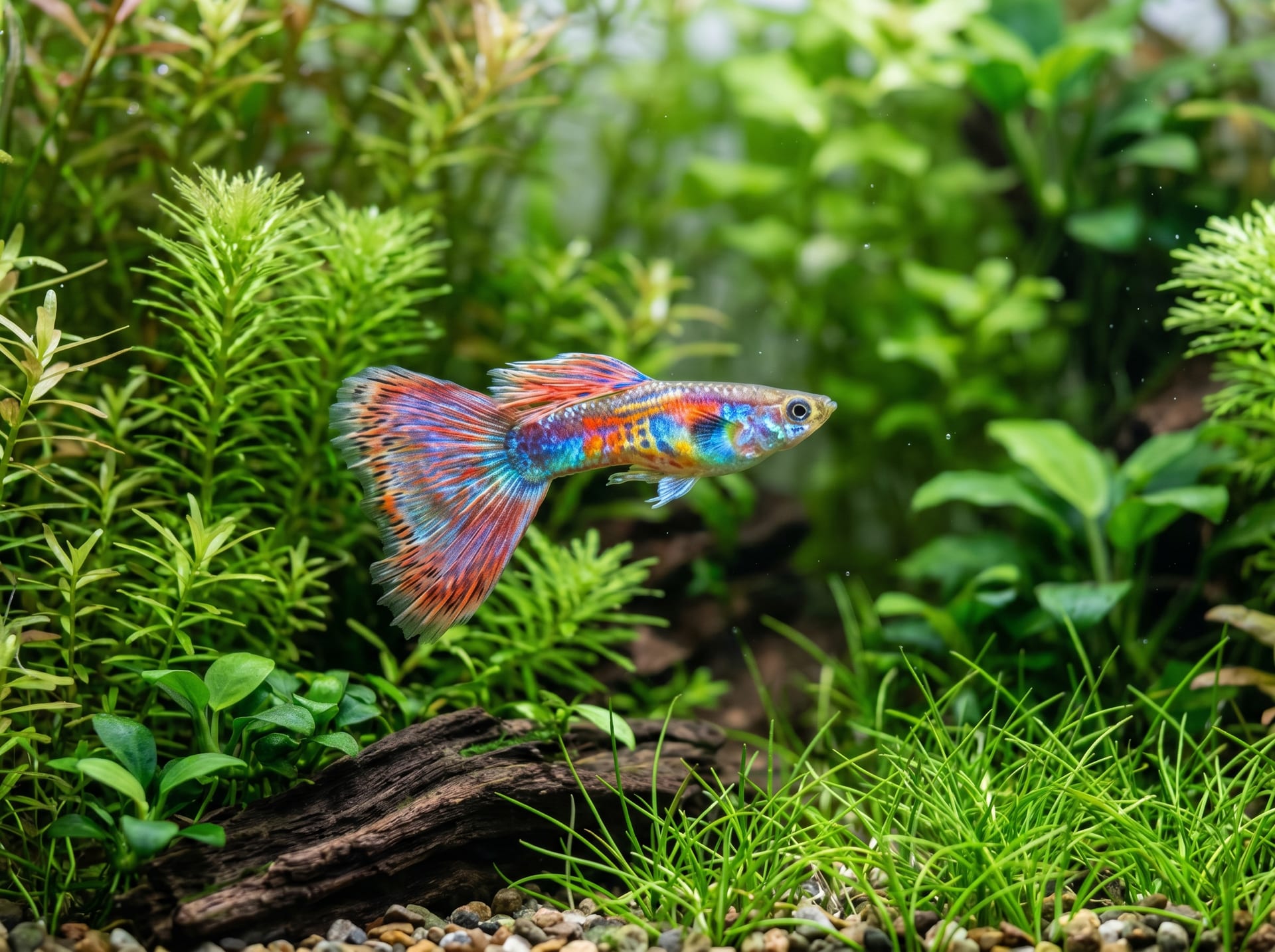
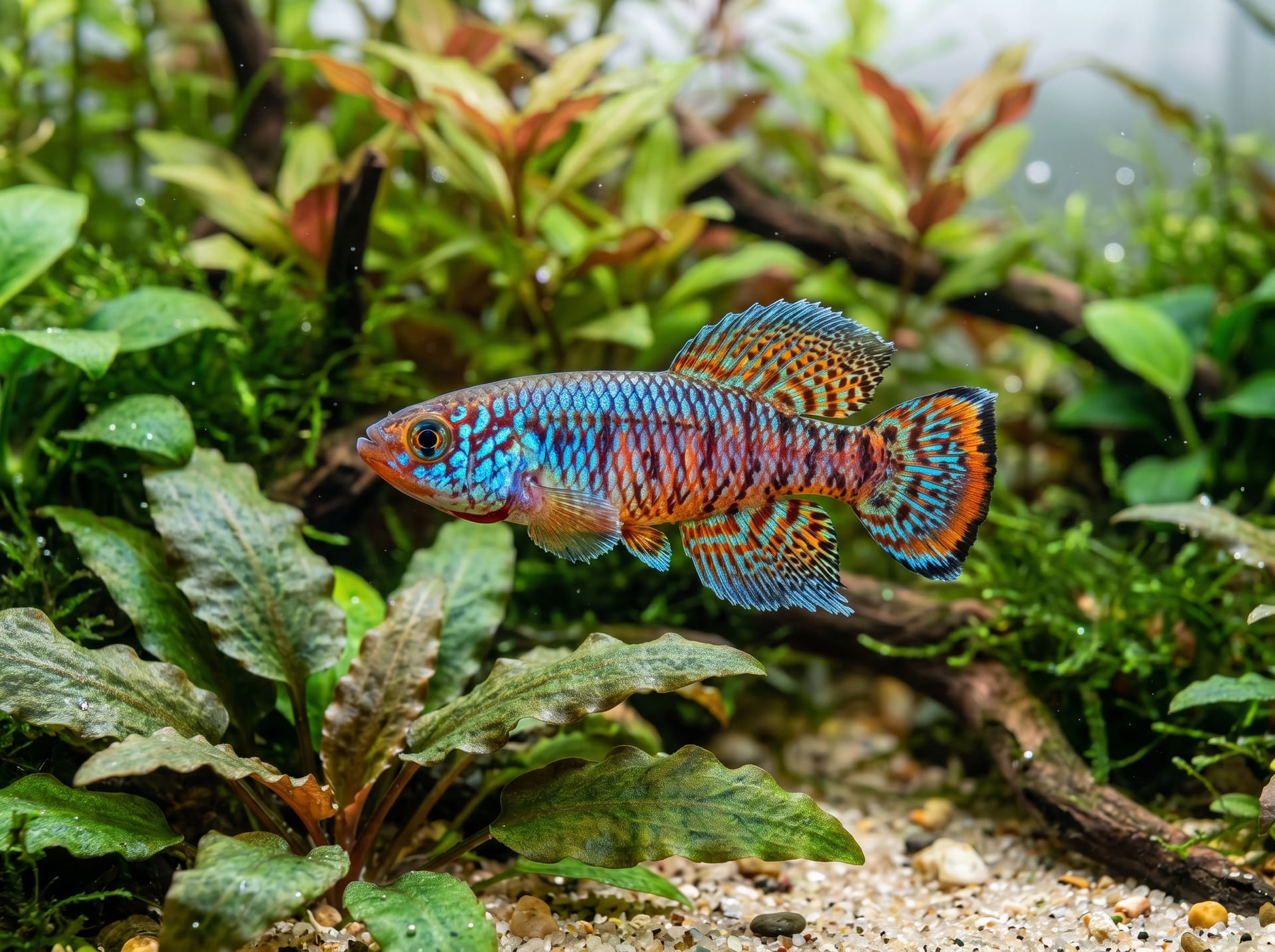
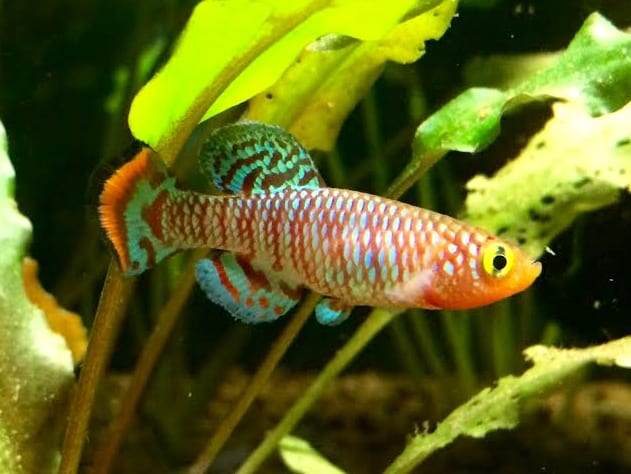
基鳉中被称为"年鱼"的这一类群,具备了适应自然界恶劣环境的惊人生存战略。虽然在干季水源会完全干涸导致成鱼全部死亡,但卵会在土壤中保持休眠状态,等到下一个雨季再重获新生——能在家庭鱼缸中再现这一戏剧性的生活周期,正是年鱼饲养最大的魅力所在。本文从卵的采集、保存到孵化,为初学者详细讲解每一步骤。
年鱼是什么样的鱼
年鱼(Annual Killifish)是分布于非洲东部、中部和南美热带地区的基鳉的一类群。它们生活的环境被称为"临时水域",是指仅在雨季积水的浅池或草地水洼。
雨季来临时卵会孵化,仔鱼仅需数周就能成长为成鱼。完成繁殖的成鱼随着干季到来而死亡。但卵会在土壤中进入"休眠(滞育)"状态,维持数月甚至一年以上的生命活动最小值,静待下一个雨季。当雨季再次来临、水源恢复时,卵便一齐孵化——正因为每年重复这一循环,才得名"年鱼"。
正因为这一特性,卵可以连同泥炭苔一起通过邮递方式运输。与活体运输相比成本更低,即使长距离运输也能安全送达,因此在国内外基鳉爱好者中盛行买卖。近年来,通过社交媒体和在线社区,国内爱好者之间的卵交换文化也逐渐兴盛,初学者也能相对容易地获得卵源。
常见的年鱼种类
年鱼中存在众多属和种。现介绍几个入门级的热门种类。
诺多支属(Nothobranchius)
主要分布于非洲东部。雄鱼体色鲜艳夺目,常见红、蓝、黄、橙等色彩复杂混合。饲养难度相对较低,休眠期通常为3~6个月,是入门年鱼的最佳选择。代表种包括红眼诺多支(Nothobranchius rachovii)和蓝眼诺多支(Nothobranchius foerschi)等。
澳洲鳉属(Austrolebias)
分布于南美拉普拉塔河水系。多数大型种,成熟个体可达7~10厘米。体色多为沉稳的金属蓝或绿色,显得低调而优美。休眠期相对较长,通常为4~8个月。
辛普森鳉属(Simpsonichthys)
多分布于巴西东部的小型年鱼。体长约3~4厘米,易于在水缸中饲养,体色鲜艳是其魅力所在。若能做好饲养水的水质管理,相对容易实现繁殖。
上述各属都具有基鳉共有的"寿命短但世代交替快"的特点,只要掌握了卵的管理方法,就能反复体验繁殖的乐趣,这是年鱼饲养的一大魅力。
产卵环境的布置与卵的采集
要使年鱼成功产卵,需要准备模拟自然环境的产卵床。
产卵床的准备
- 准备泥炭苔:需使用无农药产品。可在大型家居中心或水族馆店购得。
- 煮沸消毒:用锅将泥炭苔煮沸10~15分钟,去除多余的菌类和害虫。要等完全冷却后再使用。
- 安装到产卵容器中:在浅塑料盒或小型饲养盒中铺2~3厘米厚的泥炭苔,注入饲养水使泥炭苔湿润。
投入配对鱼与产卵
将雌雄鱼移入放有产卵床的容器。状态良好的配对在数小时内,雄鱼就会引导雌鱼进入泥炭苔,两条鱼一起潜入并产卵,可以观察到整个过程。保持产卵1~2周后,取出泥炭苔。
卵的确认与水分调节
取出的泥炭苔用手轻轻挤干,去除多余水分。标准是"握紧时能保持形状,但不滴水"——即所谓"湿润土壤"的手感。用放大镜观察泥炭苔,可以看到直径约1毫米的透明至乳白色卵粒。
卵的保存(孵化)方法
卵的保存阶段是年鱼饲养中最关键的环节。适当的保存环境会显著影响孵化率。
- 容器:最常用的是带拉链的塑料袋(如Ziplock等)。不要完全密闭,要留下少许空气。
- 标签:用油性马克笔在袋外标记"种名·采卵日·估计孵化解禁日",便于管理。用手机备忘录建立管理台账,可避免同时保存多种卵时混淆。
- 保管温度:理想温度为22~25℃的阴暗稳定场所。避免温度波动剧烈的地方。
- 休眠期:因种而异。诺多支属约3~6个月,澳洲鳉属约4~8个月。
- 通气管理:约两周打开一次袋子换新鲜空气。长期保存中如发生霉菌,要小心去除,避免伤害卵粒。
保存期间要注意泥炭苔不能完全干燥,过干会导致卵死亡。只需用喷雾器补充少量水分即可。反之,水分过多会容易导致霉菌和杂菌滋生,因此保持"湿润土壤"的手感至关重要。
孵化的触发与仔鱼的管理
休眠期结束后,就到了孵化阶段。
孵化方法
- 将泥炭苔直接浸入孵化用的鱼缸(或水桶)中。
- 水温设定在24~26℃。
- 数小时至24小时内卵会开始孵化。
若未孵化,不必急躁,将泥炭苔再次挤干放回袋中,再休眠2~4周后重新尝试。第二、三次浸水时孵化也不罕见。年鱼卵具有"分散孵化"的特性,为了分散风险,并非所有卵都会一次性孵化。
仔鱼的初期饲养
孵化的仔鱼极其微小,最初的饵料适合用丰年虫幼虫(无节幼虫)或微型蠕虫。由于对水质变化敏感,需频繁少量换水。年鱼生长速度快,恰当管理下1~2个月即可长至可繁殖的大小。成长后的个体与孔雀鱼等其他卵生、卵胎生鳎类有不同的寿命周期,保持饲养记录能帮助更好地掌握下一代的采卵时机。
BreederDirect的安心安全机制
BreederDirect上,可以直接与销售基鳉卵的饲养者联系。以卵的形态发货相比活体运输压力更小,从北海道到冲绳,全国各地都能安全送达,这是一大亮点。
购买前可确认饲养者的资料和过去交易记录,即使是初次获取基鳉卵的人也能放心购买。可直接向饲养者提问"这个种的休眠期有多长?"、"卵采集日期是什么时候?"等具体问题,从而在收卵前就了解购卵后的管理方法。
年鱼饲养看似门槛高,但只要掌握基础知识,初学者也能充分享受其中的乐趣。首先通过BreederDirect获取状态良好的卵,挑战属于自己的基鳉繁殖之旅吧。