小动物老年护理指南|高龄期的饮食与环保境管理
解释高龄期的症状表现、饮食和居住环境的调整、常见的老年疾病以及临终关怀的心理准备。许多小动物的寿命较短,进入高龄期的时间也来得更早。对于仓鼠来说,从1岁半左右开始;对于兔子来说,从5-6岁左右开始就会进入高龄期。作为饲养者,我们需要理解小动物在高龄期的变化,并采取适当的护理措施,让小动物能够舒适地度过晚年。
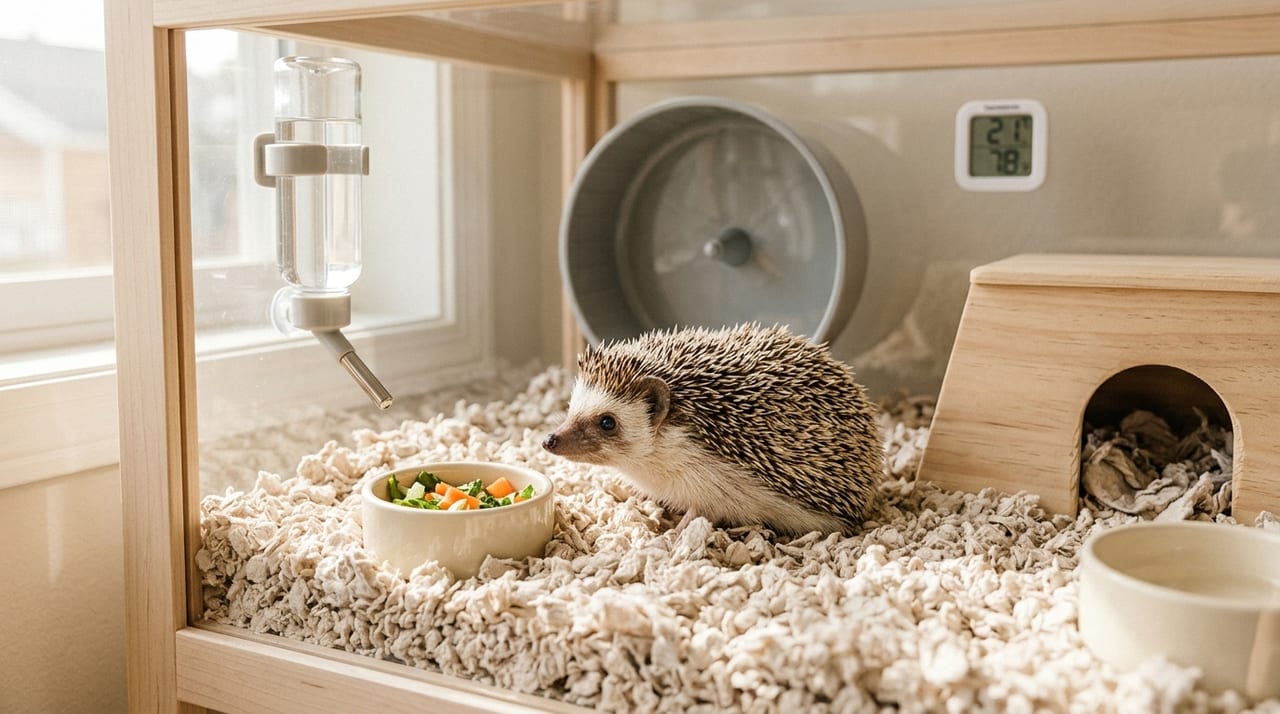
要点总结
解释高龄期的症状表现、饮食和居住环境的调整、常见的老年疾病以及临终关怀的心理准备。许多小动物的寿命较短,进入高龄期的时间也来得更早。对于仓鼠来说,从1岁半左右开始;对于兔子来说,从5-6岁左右开始就会进入高龄期。作为饲养者,我们需要理解小动物在高龄期的变化,并采取适当的护理措施,让小动物能够舒适地度过晚年。
相关品种
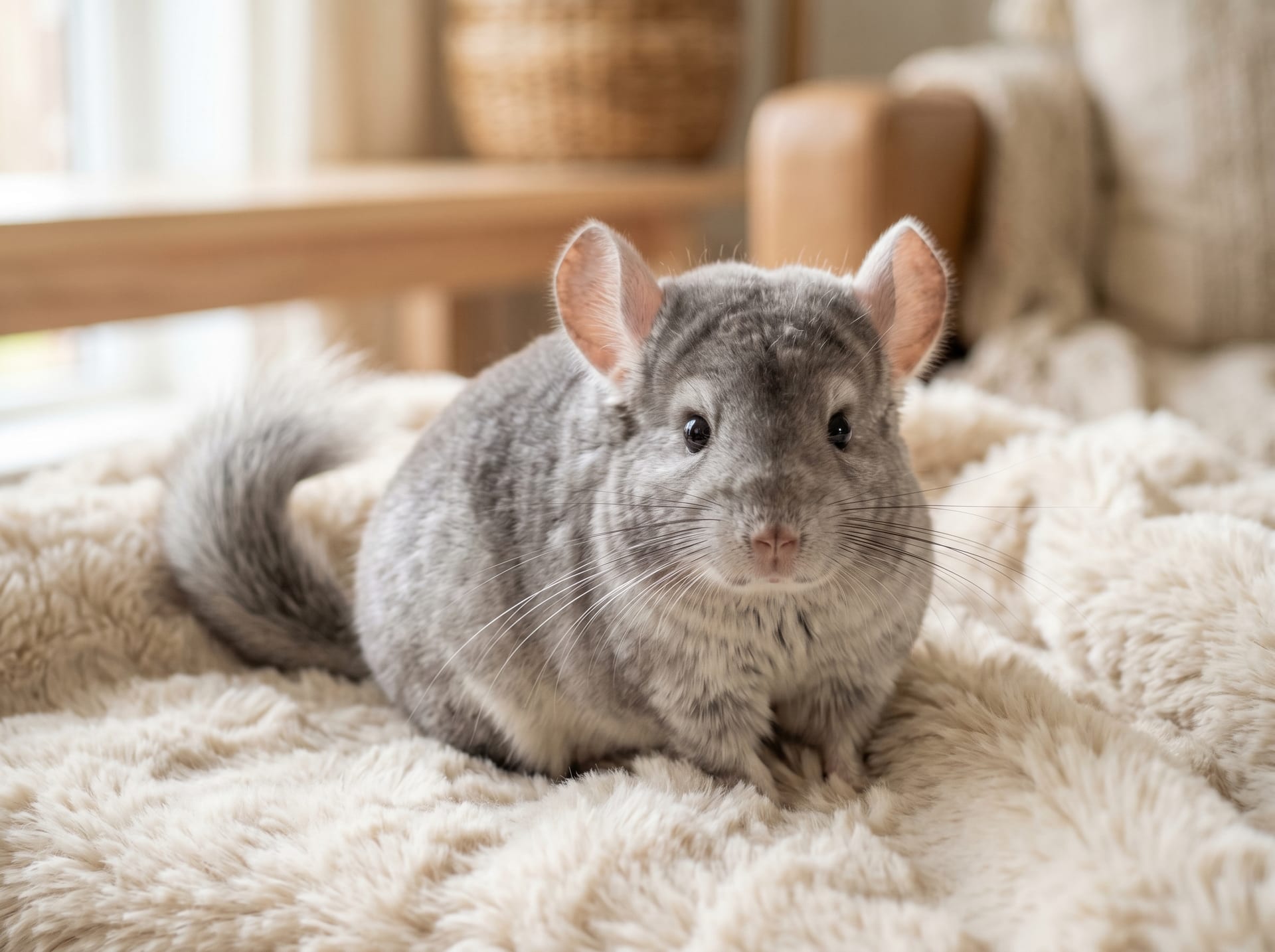
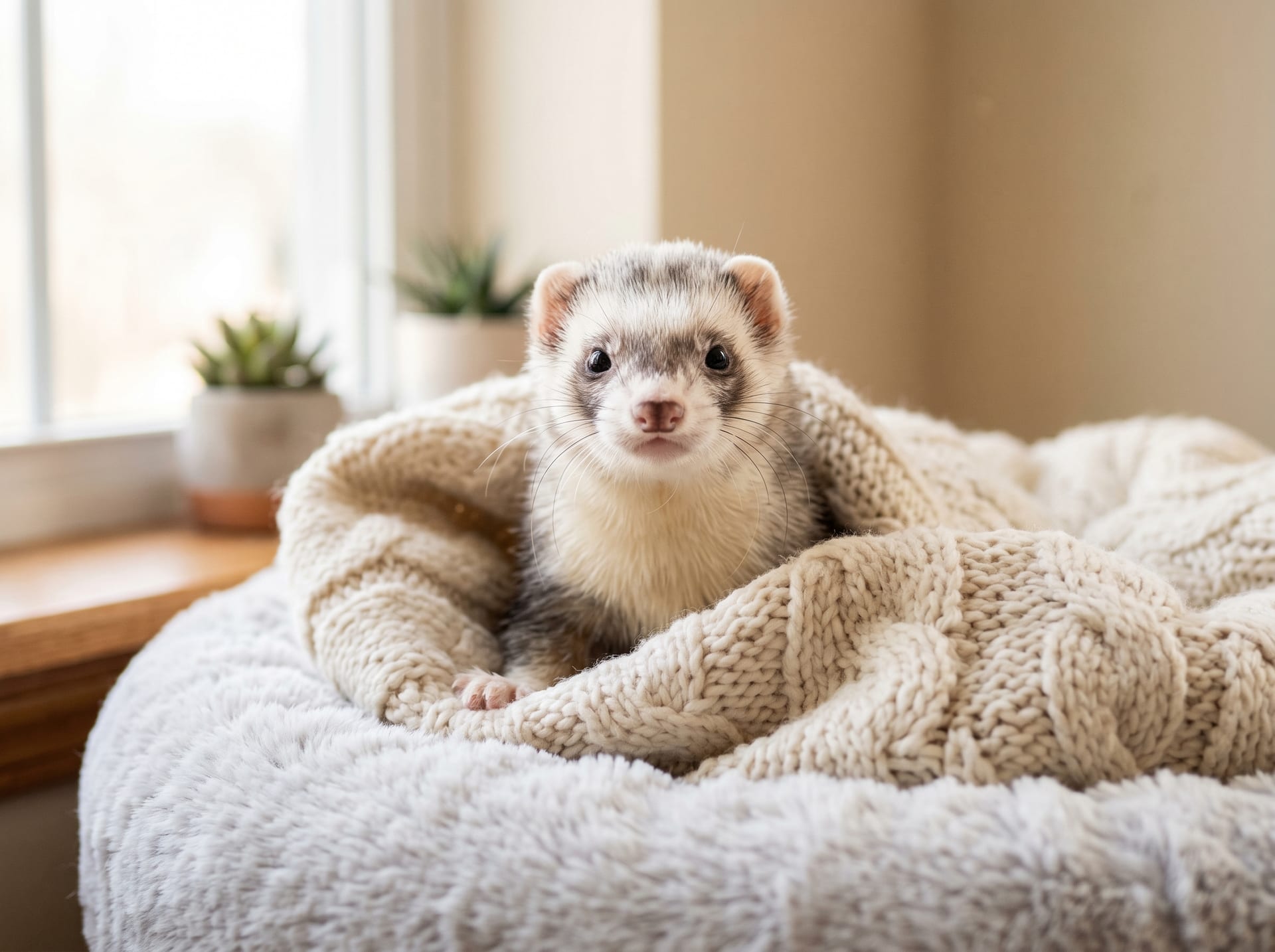
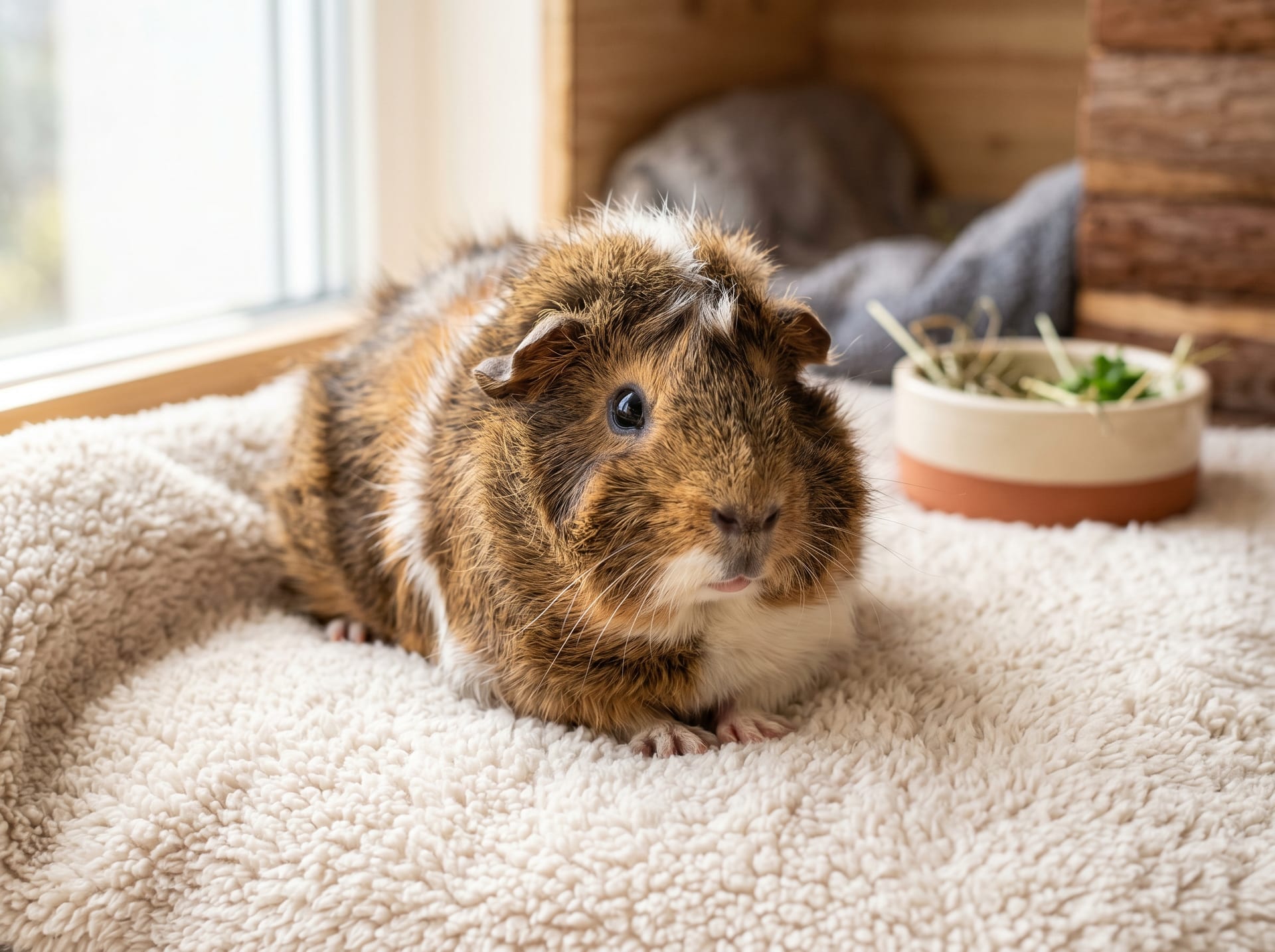
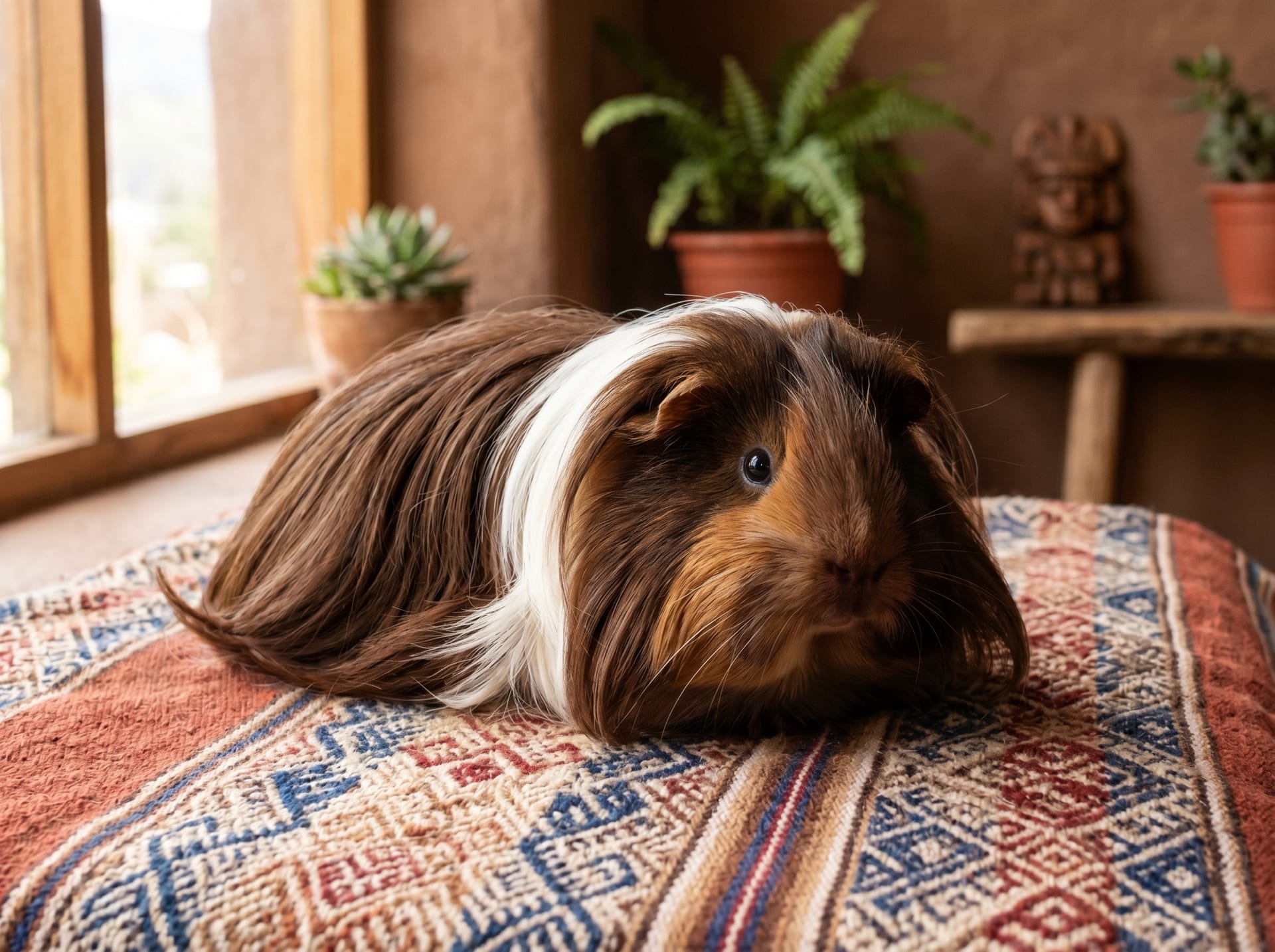
许多小动物的寿命较短,进入高龄期的时间也来得更早。对于仓鼠来说,从1岁半左右开始;对于兔子来说,从5-6岁左右开始就会进入高龄期。作为饲养者,我们需要理解小动物在高龄期的变化,并采取适当的护理措施,让小动物能够舒适地度过晚年。
不要忽视高龄期的信号
小动物的衰老速度远快于人类。如果出现以下变化,说明小动物已经进入高龄期:
- 活动量下降:不再像以前那样频繁地奔跑,睡眠时间增加。跑步轮的使用频率明显降低是典型的变化
- 毛发变化:毛发失去光泽,毛发凌乱或变得稀疏。梳理频率的降低也是原因之一
- 体重变化:由于肌肉量减少导致体重下降,或由于运动量减少导致体重增加
- 眼睛和耳朵衰退:白内障导致眼睛混浊,对声音的反应变得迟钝等感觉器官衰退现象
- 食欲变化:变得难以进食硬质饲料,进食速度变慢
- 排泄变化:可能无法准确使用厕所,尿量增加
不同动物的高龄期标准:仓鼠1.5-2岁、豚鼠4-5岁、兔子5-6岁、雪貂4-5岁、龙猫10-12岁。
高龄期的饮食调整
高龄小动物需要与年轻时期不同的营养管理。需要考虑消化功能下降和牙齿问题。
- 转变为软质食物:将硬质颗粒饲料用温水浸软,或提供磨碎的蔬菜,以减少咀嚼负担
- 高纤维、低脂肪:兔子和豚鼠需要继续以牧草为主。如果难以进食坚硬的一割刈草,应改用柔软的二割刈或三割刈牧草
- 确保水分摄入:高龄动物的饮水量可能会减少。可以降低饮水器的位置,或增加含水量多的蔬菜(黄瓜、生菜等)的供给
- 考虑补充剂:在兽医指导下,可考虑使用关节保健或维生素补充剂。避免自行判断给药
- 少量多次喂食:由于一次进食量减少,采用每天多次少量喂食的方法更加有效
在仓鼠的高龄期,应减少种子类的比例,注重低脂肪、高蛋白的饮食平衡。雪貂进入高龄期后,胰岛素瘤(胰腺肿瘤)的风险增加,特别需要重视低糖分的饮食管理。
调整居住环境
为了让高龄期的小动物安全舒适地生活,需要对居住环境进行调整。
- 无障碍设计:减少笼舍内的高度差,将梯子改为缓坡。对于兔子,应在笼舍入口处设置斜坡
- 垫料选择:使用防滑材料。对于腿部虚弱的兔子,铺设柔软的垫子可以预防足底溃疡(蹈疮)
- 厕所位置:靠近睡眠区放置厕所以缩短移动距离。改用矮边缘的厕所也很有效
- 温度管理强化:高龄小动物的体温调节能力下降。需要比年轻时更严格的温度管理。特别是冬季应考虑安装宠物加热器
- 安静的环境:高龄期对压力的耐受性下降。避免电视声音和访客带来的噪音,将笼舍放在安静的地方
应移除或改造跑步轮和攀爬架等有跌落风险的玩具。
常见老年疾病及应对方法
了解小动物高龄期的常见疾病有助于早期发现和早期治疗。
- 牙齿不正咬合(兔子、豚鼠):高龄时容易出现牙齿过度生长或咬合异常。食欲不振和流涎是征兆。需要定期检查牙齿,必要时进行磨牙处理
- 肿瘤(仓鼠、雪貂、大鼠):高龄小动物的肿瘤发生率增加。发现体表肿块应及时就医。仓鼠和大鼠在1.5岁之后肿瘤风险增加
- 肾上腺疾病(雪貂):高龄雪貂非常常见的疾病。症状包括脱毛、外生殖器肿胀、排尿困难等。可通过激素治疗或手术进行管理
- 子宫疾病(兔子):未进行绝育手术的母兔在高龄期患子宫癌的风险非常高。血尿可能是早期症状
- 心脏疾病(仓鼠):高龄仓鼠可出现心脏功能衰退。需要注意呼吸急促、活动迟缓等症状
- 白内障:许多小动物在高龄期都会出现白内障。即使完全失明,也能通过嗅觉和触觉维持生活,因此不应大幅改变笼舍内的布局
需要护理时
当小动物无法自行移动或进食时,需要饲养者进行护理。
- 强制喂食:无法自行进食时,需要使用注射器式喂食器进行流动食喂食。应向兽医学习具体方法
- 排泄护理:无法到达厕所时,需要经常擦拭身体。臀部周围污垢会导致皮肤炎症
- 翻身护理:卧床时,为了预防褥疮,需要定期改变身体位置
- 保暖:对于难以维持体温的高龄个体,应使用宠物加热器或暖宝宝进行适当保温。但要注意低温烫伤
- 药物管理:确保慢性疾病的治疗药物准时投入。可以混入零食中或通过注射器直接喂食
护理对饲养者的身心都是巨大的负担。应在咨询兽医或有宠物护理经验的人士的指导下进行,以避免过度负担。
面对临终关怀的心理准备
由于许多小动物的寿命较短,饲养者必须为最终的告别做好准备。
- 延命与生活质量:是否继续治疗还是让宠物舒适地度过是最困难的选择。应与兽医协商,为动物做出最佳决定
- 临终地点:许多饲养者希望在家中进行临终关怀。让宠物在熟悉的环境中舒适地度过最后的时光,对小动物也是一种安慰
- 为宠物丧失做准备:失去心爱的宠物的悲伤是深刻而自然的。事先了解宠物丧失咨询或在线社区等可以分享感受的地方会有帮助
- 告别方式:宠物火葬服务、通过政府部门或自家花园埋葬(仅限独栋房屋)等告别方式多种多样。事先收集信息可以在必要时冷静应对
从BreederDirect迎接健康的小动物
要使小动物的高龄期充实而有意义,迎接时的健康状态非常重要。BreederDirect让您能够直接从信任的饲养者购买小动物,并详细了解遗传健康状况和亲本病史。
通过从培育出健康血统个体的饲养者那里迎接宠物,并在适当的环境中养育,可能会降低高龄期疾病的风险。为了将宠物作为珍贵的家庭成员陪伴长久,请重视迎接宠物时的选择。