Pet bird health guide: crop stasis, PBFD, megabacteria, feather plucking — symptoms, treatments, and daily health checks.
要点总结
Pet bird health guide: crop stasis, PBFD, megabacteria, feather plucking — symptoms, treatments, and daily health checks.
Birds have an instinct to hide illness, so by the time symptoms become visible, the condition is often already quite advanced. Daily observation and early veterinary visits are essential.
Symptoms - Vomiting (shaking the head side to side while regurgitating) - Strong, foul breath - Swollen or reddened crop (the bulge at the base of the neck) - Decreased appetite
Causes - Bacterial or fungal (Candida) infection - Unsanitary food or water - Stress from temperature fluctuations
Treatment 1. Visit an avian veterinarian immediately 2. Crop fluid analysis to identify the cause 3. Antifungal or antibiotic medication 4. Thorough sanitation of food and water
Symptoms - Abnormal feather loss or failure to regrow - New feathers grow in deformed - Beak becomes deformed or brittle - Weakened immune system
Cause Circovirus infection. Highly contagious, spreading through feather dust and droppings.
Treatment 1. No definitive cure exists, but PCR testing at a veterinarian is recommended 2. Supportive therapy to boost immunity (nutritional management, warmth) 3. Isolation from other birds to prevent transmission 4. New birds should be tested for PBFD before being introduced to the home
Symptoms - Weight loss despite normal appetite - Undigested seeds in droppings - Vomiting - Sitting fluffed up and inactive
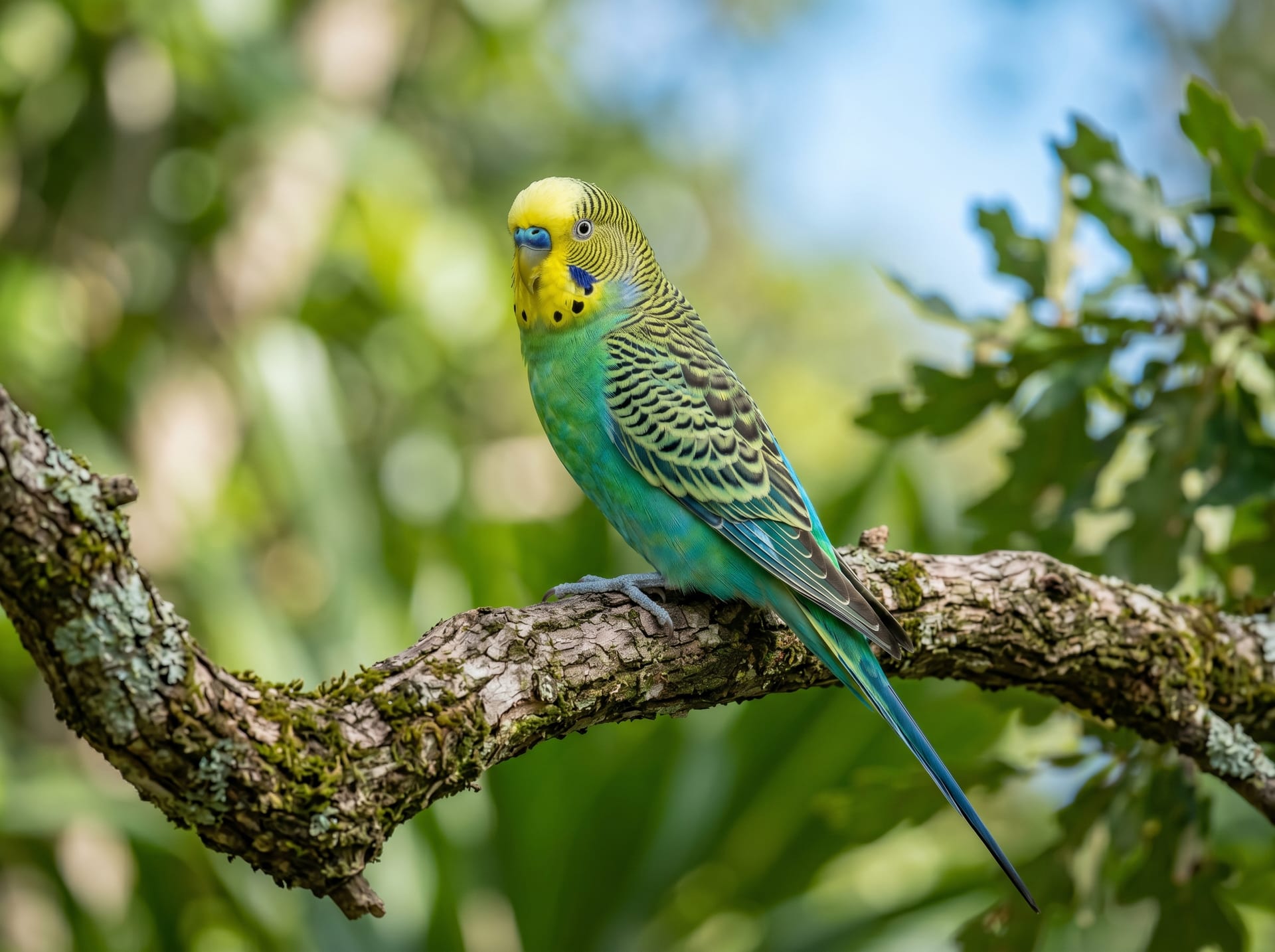
Cause Infection with Macrorhabdus ornithogaster, a yeast-like fungus. Particularly common in budgerigars.
Treatment 1. Fecal examination at a veterinarian 2. Antifungal medication (Amphotericin B) 3. Long-term treatment is required (relapses are common) 4. Stress reduction and nutritional management
Symptoms - Self-pulling or plucking feathers - Bald patches on the chest and inner wings - Exposed skin
Causes - Stress (boredom, loneliness, environmental changes) - Dry or itchy skin - Nutritional deficiency - Hormonal imbalances
Treatment 1. First, rule out medical causes with a veterinarian 2. Environmental enrichment (toys, foraging activities) 3. Adjust the light cycle (12 hours light, 12 hours dark) 4. Ensure sufficient interaction and out-of-cage time 5. An Elizabethan collar is a last resort
Birds show illness through the following signs:
Q. Is my bird fluffed up just because it is cold? A. Possibly, but it may also be a sign of illness. If the bird does not improve with warmth, consult a veterinarian.
Q. Can PBFD be cured? A. Currently there is no definitive cure. Some individuals with strong immune systems may recover naturally, but severe cases can be life-threatening.
Q. How much do avian veterinary costs run? A. Initial consultation typically costs 2,000–3,000 yen, fecal examination 1,000–2,000 yen, and blood tests 3,000–8,000 yen.
Q. Is it true that Teflon cookware can kill birds? A. Yes. When Teflon-coated cookware is heated to high temperatures, it releases toxic fumes. Birds are extremely sensitive and can die from exposure. Households with birds should avoid using Teflon products.
Bird Cage Size Calculator
Calculate optimal cage size, accessories & free-flight time by bird species and count
Feeding Guide
Check feeding frequency, portion sizes & supplements by species and growth stage
Breeding Calendar
Visual monthly breeding season guide for each species
Seasonal Care Calendar
Monthly care events and seasonal management tips at a glance