鸟类夏季饲养管理|防暑指南
夏季高温对鸟类来说存在中暑风险。本文将详细解释如何通过空调温度设置、避免直射日光、水浴频率、夏季食物管理等措施来保护鸟类免受高温伤害。鸟类中暑风险与夏季危险信号 鸟类没有汗腺,与人类和犬猫相比,体温调节能力极其有限。当置于炎热环境中时,体内几乎没有散热手段,很容易陷入 中暑 的危险。
要点总结
夏季高温对鸟类来说存在中暑风险。本文将详细解释如何通过空调温度设置、避免直射日光、水浴频率、夏季食物管理等措施来保护鸟类免受高温伤害。鸟类中暑风险与夏季危险信号 鸟类没有汗腺,与人类和犬猫相比,体温调节能力极其有限。当置于炎热环境中时,体内几乎没有散热手段,很容易陷入 中暑 的危险。
相关品种
鸟类中暑风险与夏季危险信号
鸟类没有汗腺,与人类和犬猫相比,体温调节能力极其有限。当置于炎热环境中时,体内几乎没有散热手段,很容易陷入中暑的危险。鸟类体温约为40~42℃,高于人类,加上身体较小,外界温度变化会直接影响其体温。
中暑的初期表现值得注意,主要表现为张口呼吸、喘气急促,以及展开翅膀远离身体、耷拉下垂的姿态。这些都是"太热了,快要撑不住了"的求救信号。病情加重后,鸟会变得无力,完全静止不动,甚至意识模糊。
如果发现这些症状,首先要立即将鸟移到阴凉处,用喷雾轻轻喷湿身体来降低体温。但要避免用冰水浇淋等急剧降温的做法,因为这样反而可能适得其反。症状不见好转或鸟已经无力时,应立即联系能诊治鸟类的动物医院。夏季尤其要提前确认好常用的医院。
中暑信号与防暑措施 速查表
| 中暑信号 | 防暑措施 |
|---|---|
| 张口呼吸(张嘴喘气) | 使用空调保持室温25~28℃ |
| 翅膀远离身体并展开 | 避免窗边,将鸟笼放在通风良好的房间中央 |
| 无力、静止不动 | 每日水浴,饮用水每日更换2~3次 |
| (重症)意识模糊 | 早晨进行短时间日光浴,立即就医 |
如无法使用空调,可以通过通风、水浴、冷冻矿泉水瓶(不能直接接触)来应对,但效果有限。在极度炎热的日子里,确保冷房设施是最优先的。
空调温度管理的基础知识
夏季室内饲养中最重要的是利用空调进行温度管理。室温的目标范围是25~28℃为宜。虽然对人类来说可能会觉得稍微凉爽,但当温度超过30℃时,鸟类会感到负担,因此需要经常检查和调整设置。
但使用空调时需要注意以下几点。如果空调的出风口冷风直接吹向鸟笼,会导致身体过度受冷或因温度急剧变化而产生压力。应将鸟笼放在空调冷风难以直接到达的位置,并尽量保持整个房间温度均匀。
外出时关闭空调是危险的。即使只是外出短时间,也应保持空调持续运行。依赖定时器也不安全,因为在空调关闭期间室温会迅速上升,回家前重新开启空调往往为时已晚。
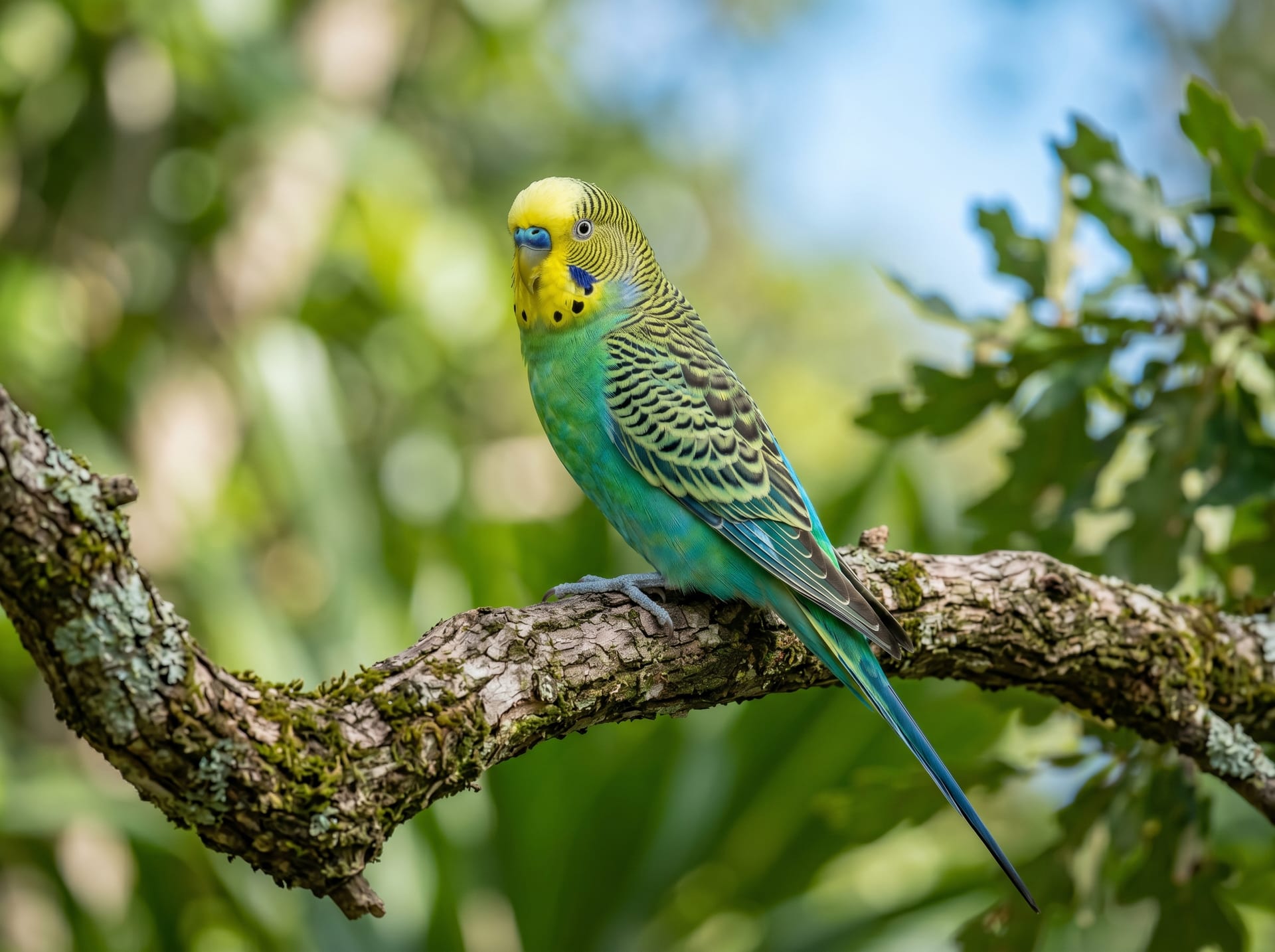
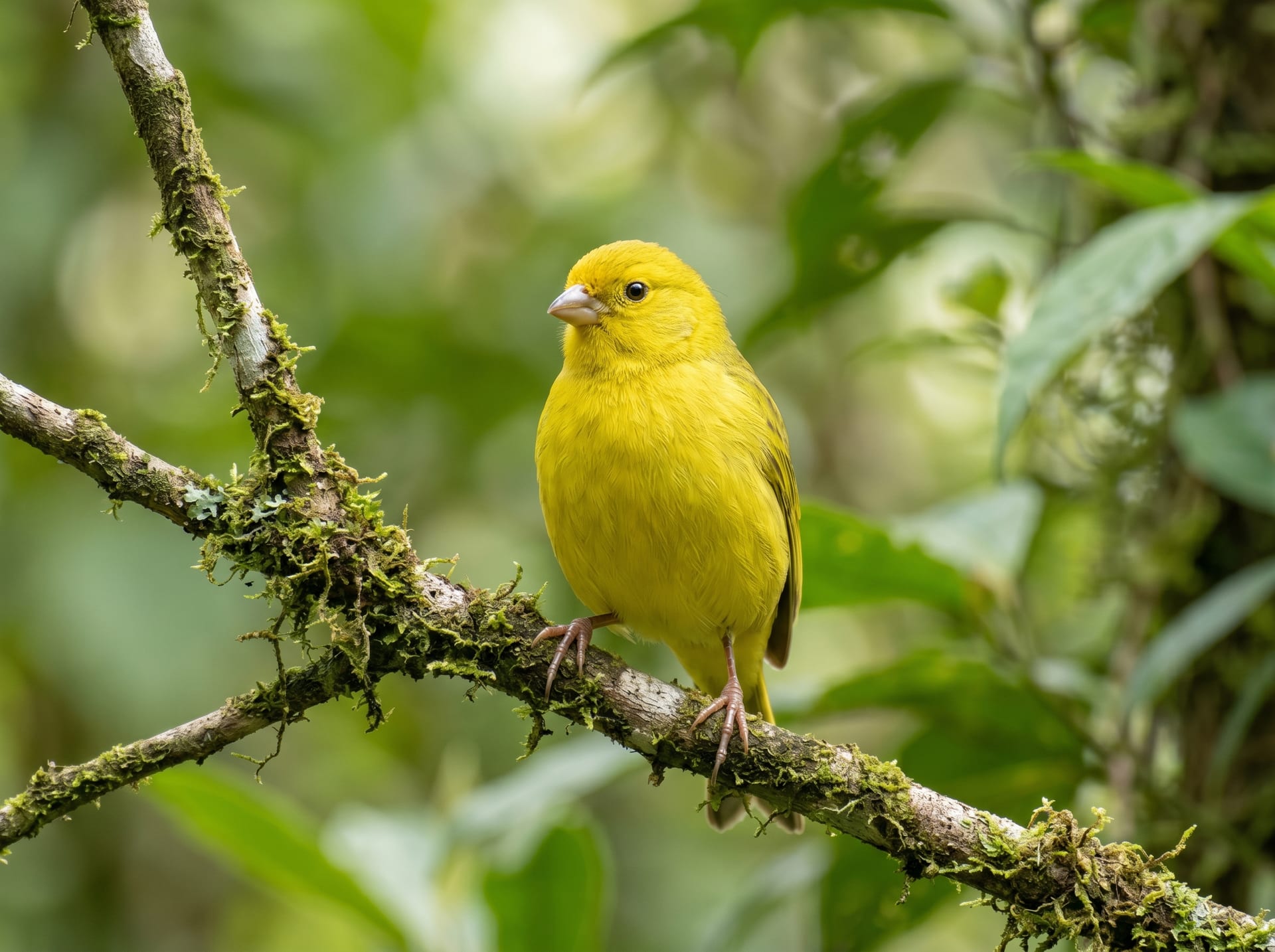
还要了解不同鸟类对炎热的耐受力差异。虎皮鹦鹉和葵花鹦鹉等澳洲原产的鸟类相对耐热,但即使如此,超过30℃也是危险的。文鸟和金丝雀等小型鸟类较不耐热,应该为其营造相对凉爽的环境。
鸟笼放置位置与防直射日光
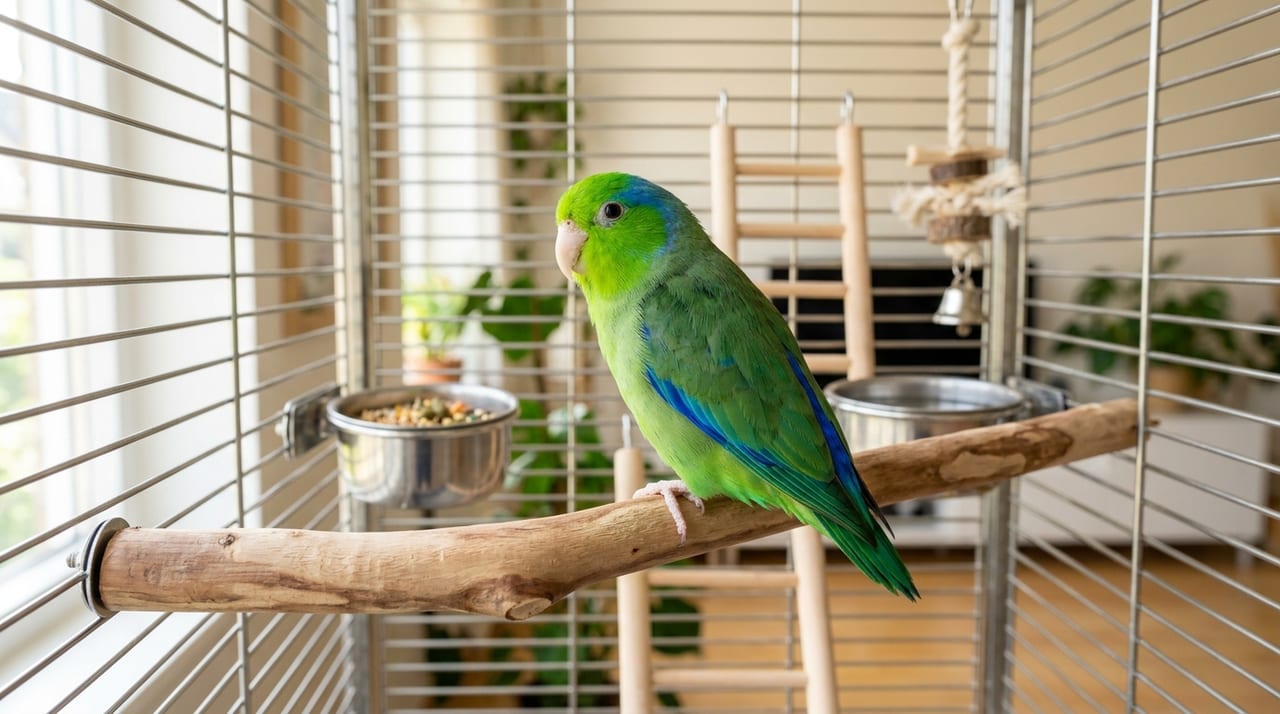
夏季鸟笼的放置位置需要特别谨慎。窗边是最应该避免的地方之一。夏季直射日光照入的窗边,短时间内温度会急速上升,鸟笼内温度很容易超过40℃。仅用窗帘遮光往往不够,理想做法是将鸟笼移到远离窗户的位置。
日光浴对鸟类健康(尤其是维生素D3合成)是必需的,但在夏季应限制在早晨且仅为短时间,并必须确保有遮荫区域供鸟逃避。日光浴期间不要让鸟离开你的视线,如果鸟看起来过热,应立即将其带回室内。
室内不同位置的温度也会差异很大。厨房附近应避免,因为烹饪时产生的热和烟雾(尤其是特氟隆不粘锅产生的氟气对鸟类极其有毒)可能会到达那里。电视、电脑、路由器等发热的电子设备周边也容易形成局部高温区域。远离窗户、通风良好的房间中央附近是理想的放置位置。
水浴与饮水来控制体温
对鸟类来说,水浴不仅是清洁的手段,更是降低体温的重要方式。夏季应养成每天进行水浴的习惯。当羽毛被水浸湿后,水分蒸发时会带走体内的热量。
水浴的方式因个体而异。有些鸟喜欢在浅容器(鸟类水盆等)中自己浸浴,有些喜欢用喷雾轻轻喷湿,还有些喜欢在水龙头下冲洗。应根据各自的偏好尝试不同方法。水温应为常温,避免使用冷水。
水浴后需要注意身体不要过度受冷。应在空调冷风吹不到的地方让羽毛自然干燥。如果使用吹风机,应选择低温、远距离,仅短时间进行,避免热风吹过久。
饮水管理也很关键。由于夏季水容易变质,应每天更换2~3次,确保随时有新鲜饮水。每次更换时也要彻底清洗水盆。通过提供含水量丰富的蔬菜(小白菜、小 bok choy 等)和水果,也能补充食物中的水分。
夏季食物管理与卫生护理
炎热潮湿的夏季,饲料和食材的变质速度大大加快。水果、蔬菜、鸡蛋食物等新鲜食品放入鸟笼后应在2~3小时内取出。食用变质食物会导致食物中毒或消化不良。
颗粒饲料和籽类等干粮在高温高湿环境下也容易发霉。开封后应转移到密闭容器中,存放在远离直射日光、干燥阴凉的地方。与其购买大包装,不如分小包储存以保持新鲜度更安心。
夏季鸟笼的卫生管理需要格外细致。高温下,粪便和食物残渣会迅速滋生细菌,增加感染病的风险。鸟笼底部垫纸(报纸或纸巾)应每天更换,水盆和食盆应用洗碗液清洗并充分干燥。每周应将整个鸟笼分解清洁一次,栖木、停栖木和玩具等也要保持清洁,这直接关系到鸟的健康维护。
有关冬季管理,也可参考鸟类越冬·寒冷对策指南。
BreederDirect的安心与安全机制
BreederDirect是将鸟类饲养者与潜在饲主直接连接的平台。绕过宠物店,直接从饲养者处迎接个体鸟,可以提前详细了解出生环境、健康状况、亲鸟信息等饲养所需的重要信息。
饲养者是与鸟类朝夕相处、日常精心照顾的专业人士。夏季防暑措施、季节性管理方法、该个体的特殊注意事项等,购买后也能获得具体的建议——这是BreederDirect独有的优势。
初次饎养鸟类的人也可以通过与饲养者的沟通,自信地准备迎接新成员。从负责任的环境中迎接健康的个体,是长期陪伴的第一步。在BreederDirect上,找到最适合你的伙伴吧。