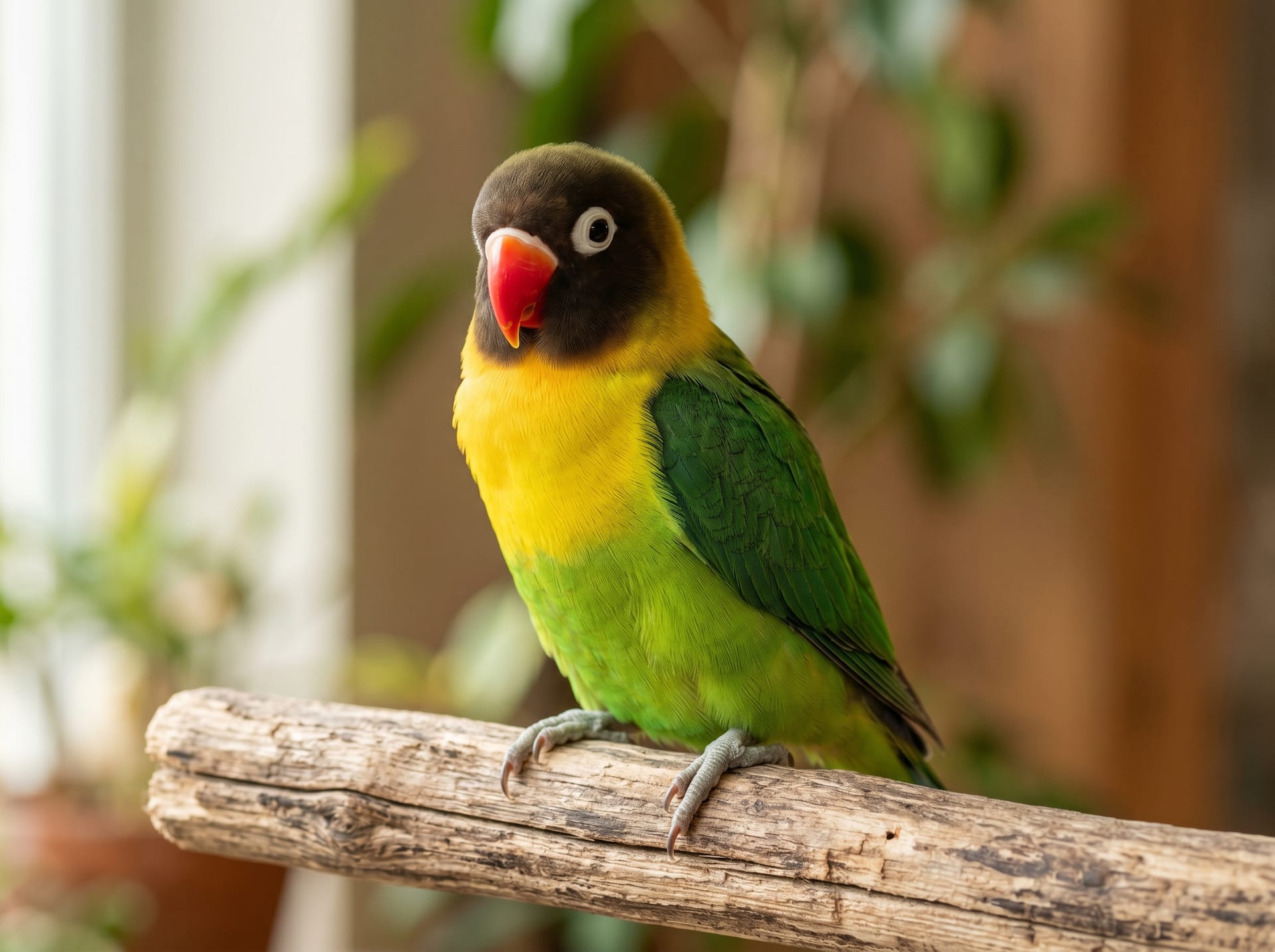
Complete guide to bird bathing: importance, species preferences, container selection, frequency, temperature, and tips for bath-averse birds.
要点总结
Complete guide to bird bathing: importance, species preferences, container selection, frequency, temperature, and tips for bath-averse birds.
Bathing is an important part of bird care that helps maintain feather condition, skin health, and overall well-being. Most birds enjoy bathing to some degree, though individual preferences vary widely. Offering regular bathing opportunities is a simple yet impactful way to support your bird's health.
Why Bathing Matters
Bathing serves several important functions for pet birds. Water helps remove dust, dander, and accumulated feather oils, keeping the plumage clean and functional. It maintains proper moisture levels in the skin and feathers, preventing dryness and itching that can lead to feather plucking. Bathing also stimulates natural preening behavior, which is essential for feather maintenance. In dry indoor environments, especially during winter with heating, bathing helps counteract the low humidity that can cause respiratory issues and poor feather quality.
Types of Bathing Methods
Shallow Water Bath
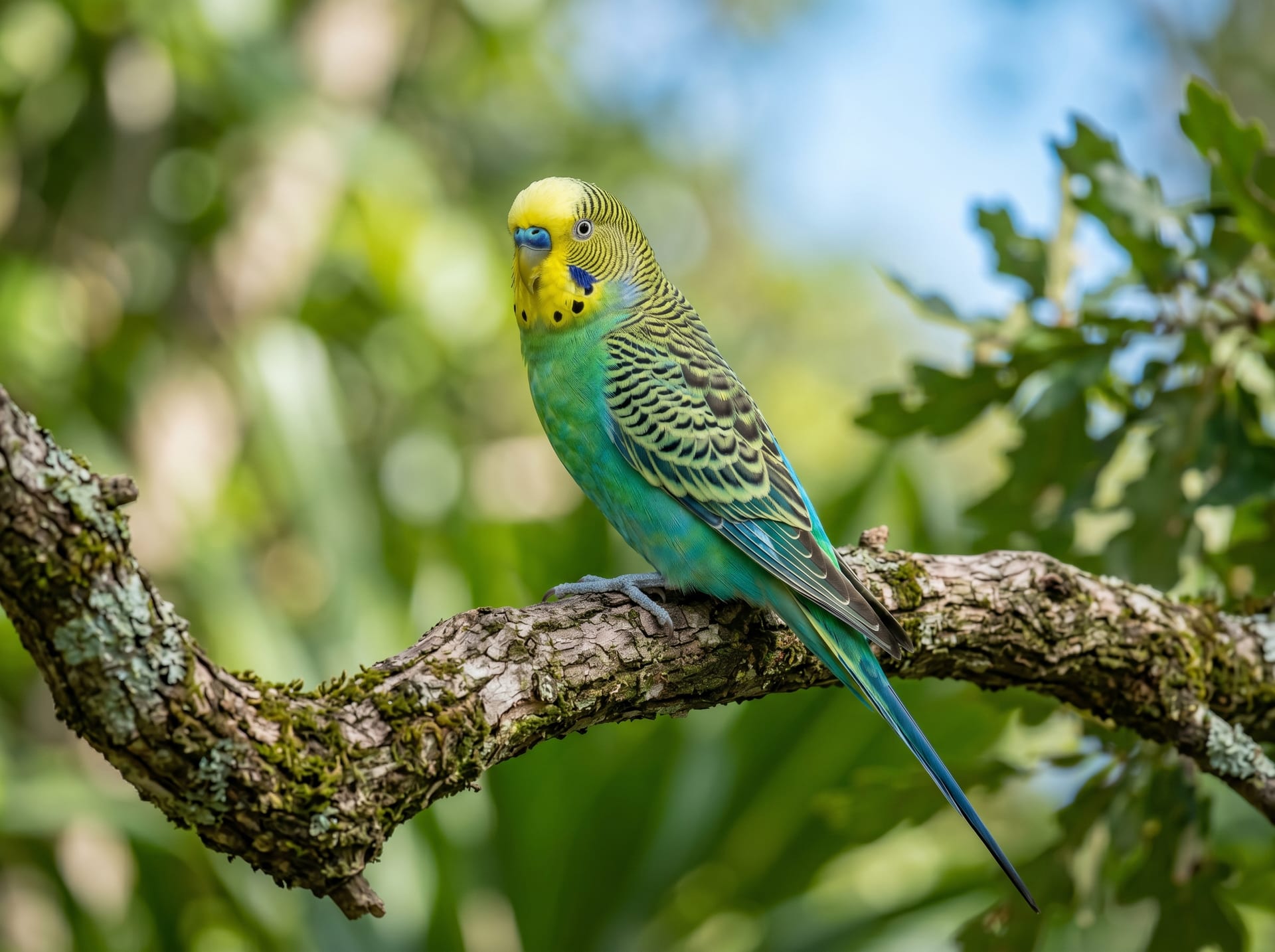
Place a shallow dish of lukewarm water (room temperature to slightly warm) in or near the cage. The water should be no deeper than the bird's chest level. Many small birds like budgerigars and finches prefer this method. Use a heavy, stable dish that will not tip over.
Spray Misting
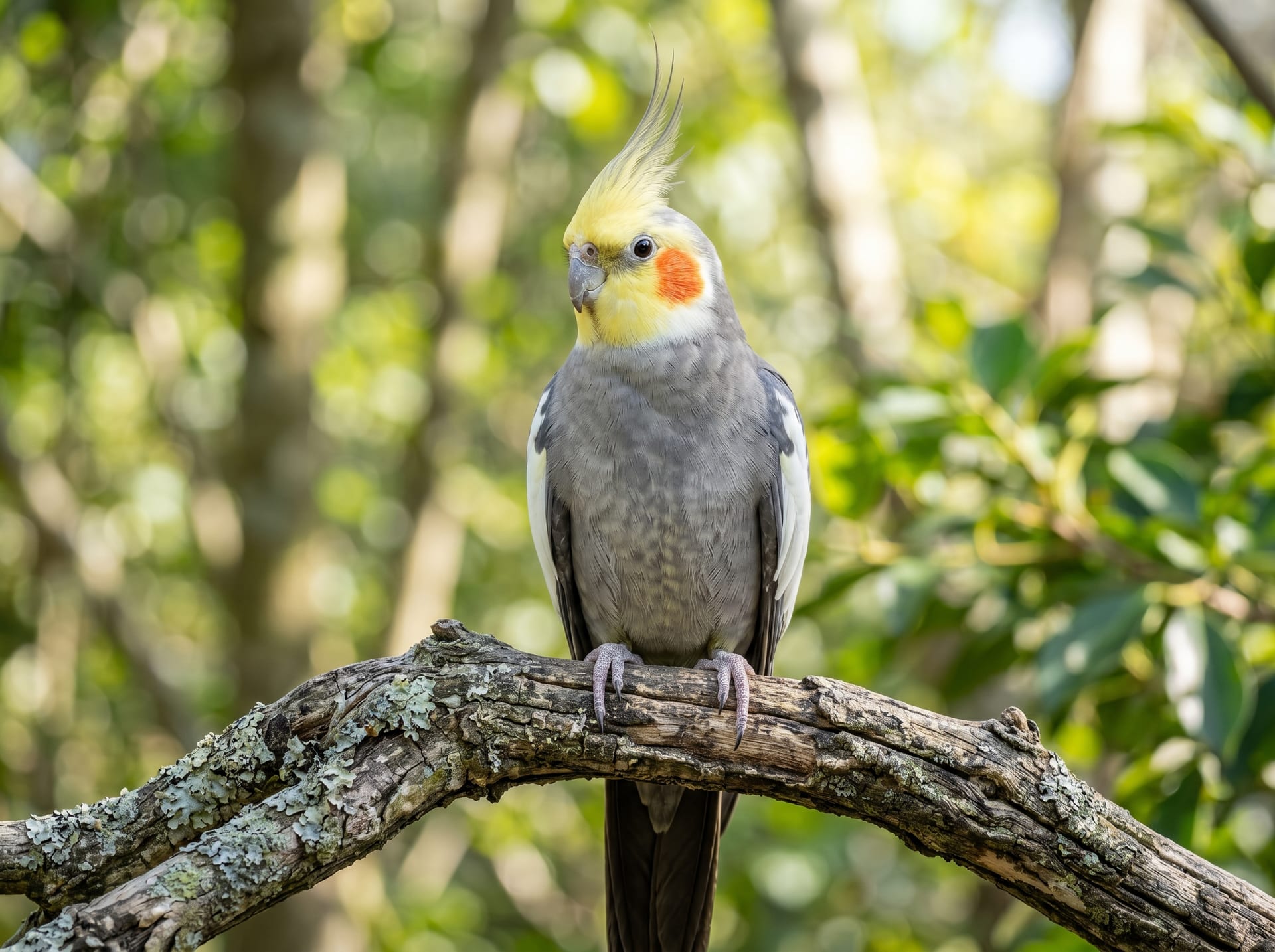
Using a clean spray bottle, mist your bird with lukewarm water from above. This simulates rainfall and is enjoyed by many species, particularly parrots and cockatiels. Use a fine mist setting and spray above the bird so the water falls gently downward. Never spray directly into the face.
Shower Bathing
Some birds enjoy bathing in a gentle shower stream. Special shower perches are available that attach to shower walls via suction cups. Keep the water lukewarm and the stream gentle. This method is popular with larger parrots.
Wet Leaf Bathing
Place wet lettuce, spinach, or other large leaves in the cage. Some small birds like to roll and rub against the wet leaves to bathe. This mimics dew-bathing in the wild.
Sink or Faucet Bathing
Some birds prefer bathing under a slow stream from a faucet. Always supervise closely, ensure the water is lukewarm, and never leave the bird unattended near running water.
Bathing Frequency
- General recommendation: Offer bathing opportunities 2–3 times per week
- In dry winter months: Daily misting may be beneficial
- In humid summer months: 2–3 times per week is typically sufficient
- During molting: More frequent bathing helps soften feather sheaths and ease discomfort
- Respect individual preferences: Some birds love daily baths while others prefer weekly. Never force a bird to bathe
Important Bathing Guidelines
- Water temperature: Always use lukewarm to room-temperature water. Never use hot water—birds are sensitive to temperature and can be scalded. Cold water can cause chilling
- Time of day: Bathe in the morning or early afternoon so feathers dry completely before evening. Wet birds going to sleep in cool conditions risk hypothermia
- No soap or products: Never use soap, shampoo, or any cleaning products. Plain water is all that is needed
- Drying: Allow the bird to air dry in a warm, draft-free area. You can offer a warm (not hot) spot near a lamp. Never use a hair dryer—the Teflon coating inside many dryers can release toxic fumes fatal to birds
- Clean water only: Always use fresh, clean water for bathing. Change the water if it becomes soiled
- Supervised bathing: Always supervise bath time, especially with deeper water
Birds That Need Special Consideration
- Powder-down species (cockatoos, cockatiels, African greys): These birds produce fine powder from specialized feathers. Regular bathing helps manage dust levels and keeps feathers in good condition
- Very young birds: Hatchlings and unweaned chicks should not be bathed. Wait until they are fully feathered
- Sick birds: Consult your veterinarian before bathing a sick bird. While gentle misting can sometimes help, chilling must be avoided
Signs Your Bird Wants to Bathe
- Dipping its head or body into the water dish
- Fluttering wings near water sources
- Excited behavior when it hears running water
- Attempting to bathe in its drinking water
When you notice these behaviors, provide an appropriate bathing opportunity promptly.
On BriChoku, breeders can advise you on the specific bathing preferences and needs of the species you are interested in. Do not hesitate to ask about grooming routines when making your purchase.