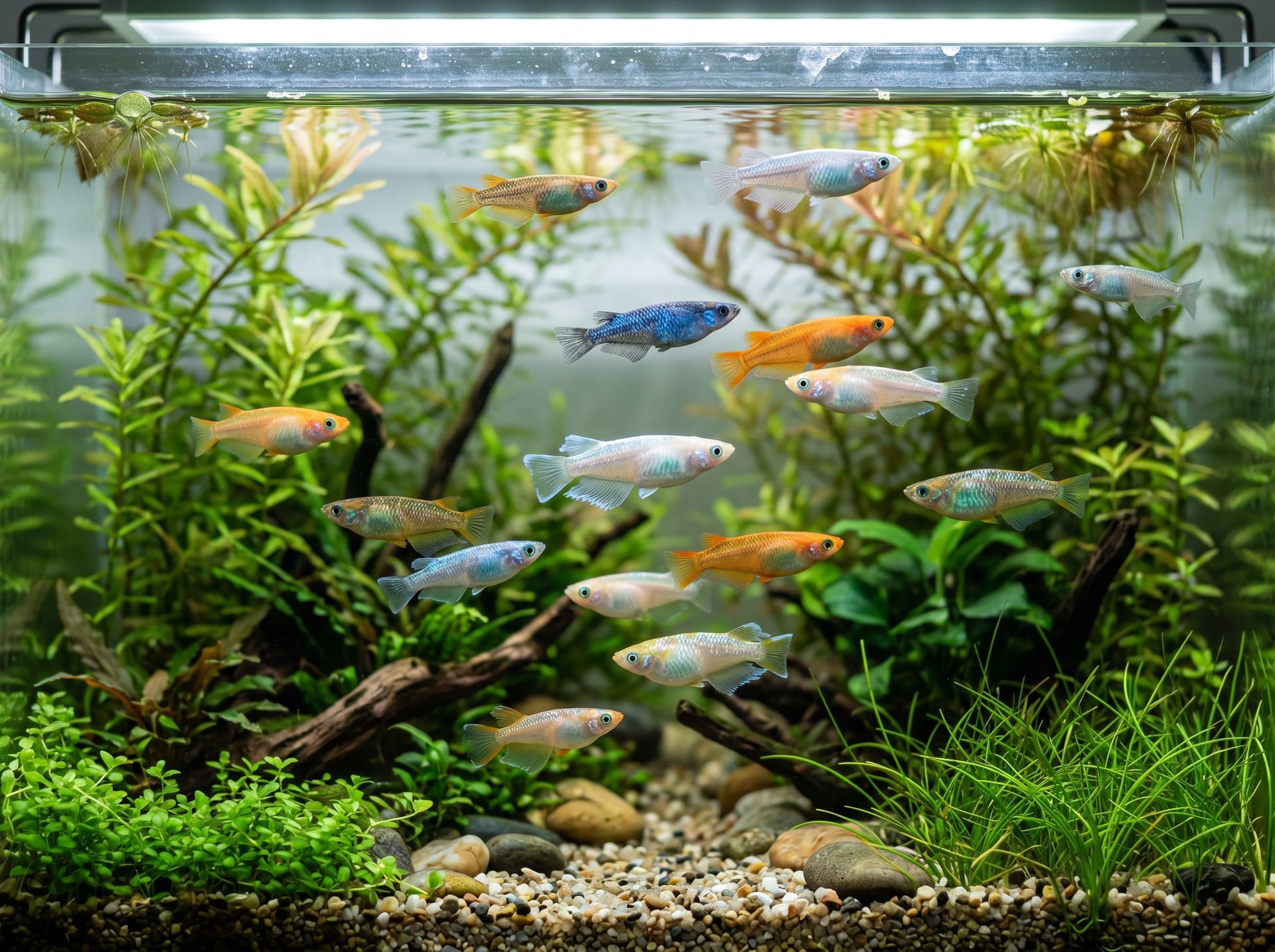
其他青鱂
「其他青鱂」是對不屬於幹之、楊貴妃、三色等既定品種的個性鮮明的青鱂的總稱。許多是品種改良過渡期誕生的個體,或來自特定地域的系統,具有如同藝術品般的獨特魅力。無論是從收集愛好者的視角,還是作為初學者的入門選擇,都可以以多種方式享受飼養的樂趣。
- 價格行情
- ¥4,000〜¥4,000
成交手續費 0%!2026年9月30日前註冊,前 2 筆成交免佣金!
繁殖者 招募中!
在 BreederDirect 上架,直接銷售給全國各地的客戶!
BreederDirect 承諾的 9 個透明度要點
青鱂上架時繁殖者會明示以下資訊。確保多樣的色彩變異(楊貴妃/幹之/亮片)和血統系統的透明度。
- 品種標示
- 系統名稱
- 實物照片
- 體色分類
- 體型標示
- 鱗片標示
- 尺寸標示
- 產地標示
- 代數標示
查看全部20個品種

關於其他青鱂
「其他青鱂」象徵著日本各地多年來進行的品種改良的多樣性。這個類別彙集了不屬於幹之、楊貴妃、三色等既定品種框架的個體,其背後蘊含著各地不同的雜交嘗試、改良途中的系統等豐富的故事。個體間的外觀差異很大,體色呈現白色、黑色、橙色、青色光澤等多種表現,魚鰭的形狀和體型也各不相同。與普通青鱂一樣,它們性格溫和,具有群游的習性,觀察它們永不厭倦。飼養的便利性也是青鱂的共同優勢——對水溫的適應範圍寬廣,即便在小型容器中也能健康成長。既定品種所沒有的單件感,以及繁殖時出現意想不到表現型的驚喜感,可以說是這個類別最大的魅力。
經營其他青鱂的精選繁殖者
查看全部其他青鱂繁殖者列表(2)→迎接其他青鱂前需要了解的7件事
1理解品種的多樣性
「其他青鱂」不是單一品種,而是包含各種系統和改良途中個體的集合。購買前與養殖者確認親魚或系統的資訊,會更容易想像成長後的體色和體型。以享受個體表現型差異大這一特點的心態來迎接它們會更好。
2飼養容器的選擇
青鱂的容器水量越多,水質就越穩定,建議初學者使用10L以上的容器。室外通常使用睡蓮盆或花盆,室內使用魚缸。「其他青鱂」不需要特殊設備,但過度密集飼養會導致水質惡化,因此應該以每條1L以上的水量為目標。
3水溫·光量管理
青鱂喜歡15〜30℃左右的水溫環境,極端高溫(超過35℃)或急劇的溫度變化會導致身體不適。室外飼養時,請設置遮蔭物遮擋盛夏的直射日光。1天8〜12小時左右的光量會影響繁殖活性,因此根據季節的恰當管理很重要。
4喂食和給餌頻率
基本做法是用市售的青鱂專用飼料,1天1〜2次,每次給予2〜3分鐘內能吃完的量。食物殘渣會導致水質惡化,所以剩餘的飼料要及時清除。冬季水溫下降時,消化能力會減弱,因此通常會減少給餌量或進行絕食管理。
5可以混養的生物
青鱂性格溫和,可以與同等大小的青鱂、小型貝類(小蘋果螺、石捲貝)和櫻花蝦混養。應避免與體型大或具有攻擊性的魚混養,因為存在捕食或欺凌的風險。由於「其他青鱂」品種容易混雜,請注意可能出現意外雜交的情況。
6繁殖和卵的管理
青鱂在水溫和光照時間合適的情況下相對容易繁殖。產下的卵可能會被親魚吃掉,因此將附著在水草或產卵床上的卵轉移到另一個容器中孵化,可以提高存活率。由於「其他青鱂」的表達形式多樣,孵化後的仔魚的體色和體型有時會出現意外的變化。
7購買時的健康檢查
購買時,請確認魚的遊動方式不搖晃,體表沒有白點、充血或潰爛。尾鰭或背鰭出現溶爛跡象的個體可能患有疾病,應當避免購買。由於「其他青鱂」的飼養者和流通渠道多樣,建議從信譽良好的賣家處購買,購入後可根據需要進行處理(如鹽水浴),然後再放入主水槽。
其他青鱂的常見問題
- Q.其他青鱂初學者也能飼養嗎?
- A.是的,青鱂總體上很強壯,易於飼養,其他青鱂也不例外。但由於個體間的系統不同,購買時最好向飼養者確認飼養中的注意事項,這樣會更放心。
- Q.用什麼容器飼養最合適?
- A.可以在戶外的睡蓮盆或室內的玻璃/壓克力水槽中飼養,兩者都可以。每條魚至少需要1升以上的水量,加蓋或用網覆蓋以防止魚跳出會更安心。
- Q.可以和其他青鱂或生物一起飼養嗎?
- A.適合與同等大小的青鱂、南美蝦、小田螺等小型生物混養。金魚、泥鰍等口大的魚類與青鱂混養時,青鱂有被吃掉的風險,應該避免。
- Q.需要進行繁殖嗎?
- A.繁殖是可選的,但這類青鱂由於交配履歷多樣,繁殖後可能會產生與親代不同的獨特幼魚。同時考慮到數量過多時的管理,建議在可控範圍內享受飼養的樂趣。