Source: Wikimedia Commons
Grape Bonsai
IntermediateA highly artistic bonsai from vine fruit trees. Thick trunks and hanging fruit clusters full of charm. Wild grape and small-fruit varieties suit bonsai best.
難度
Intermediate
溫度
-5〜35℃
壽命
20-40 years (as bonsai)
體型
20-60cm (bonsai size)
飲食
Fertilizer (regular)
關於我們
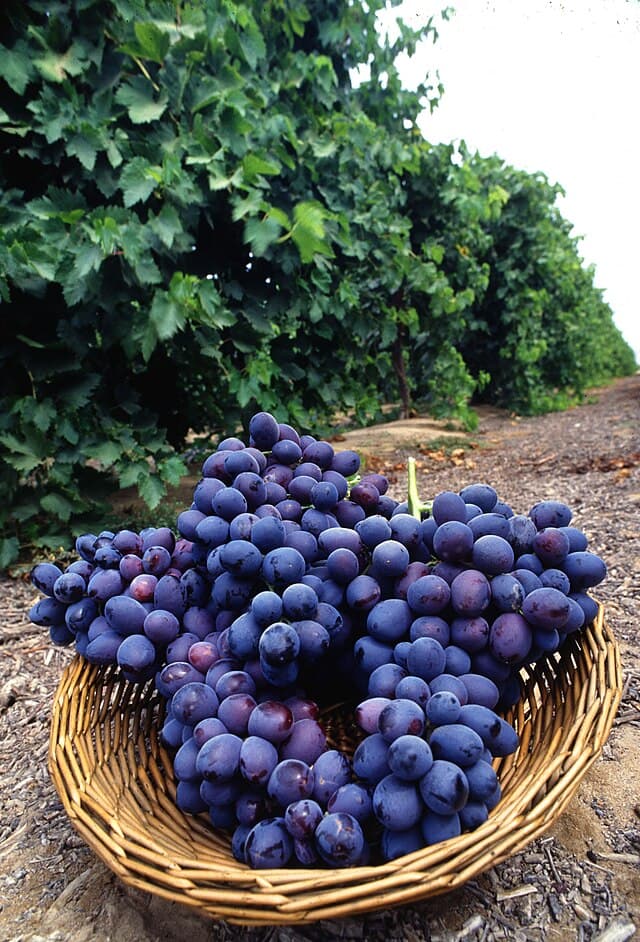
Vitis species, particularly the wild Japanese grape Vitis coignetiae (Yama-budō) and the cultivated Vitis vinifera, are used in bonsai as fruiting specimens of considerable artistic potential. Japanese wild grape (Yama-budō) is native to Japan, Korea, and China and grows vigorously in mountain forests, producing tightly clustered bunches of small dark berries beloved by birds. In bonsai, mature grape vines develop massively thickened, deeply furrowed trunks out of proportion with their canopy — a quality that bonsai artists exploit to create dramatic, powerful compositions. The large maple-like leaves turn vivid crimson in autumn before falling to reveal the sculptural winter silhouette.
基本資訊
產地
Central Asia and Mediterranean region (Vitis coignetiae: Japan, China, Korean Peninsula)
壽命
20-40 years (as bonsai)
體型
20-60cm (bonsai size)
溫度
-5〜35℃
飲食
Fertilizer (regular)
飼養指南
Placement
Full sun outdoors. Manage vines on bench
Watering
Loves water. Especially careful not to dry during fruiting
Styling
Use vine wrapping artistically. Heavy winter pruning maintains form
Notes
Susceptible to pests and disease. Watch for downy and powdery mildew
IntermediateFruitingVineWild grape
Grape Bonsai常見問題
Q飼養Grape Bonsai的難度如何?
A
Intermediate. 這是一個中級難度的物種。建議有一定的飼養經驗和環境管理知識。
QGrape Bonsai的理想溫度是多少?
A
Grape Bonsai的理想溫度為-5〜35℃。避免溫度驟變,保持穩定的環境。
QGrape Bonsai的壽命是多長?
A
Grape Bonsai的平均壽命為20-40 years (as bonsai)。透過適當的護理和營養,牠們可以長壽健康地生活。
Grape Bonsai的問答
尋找此物種的商品