Species-specific bonding guide for small pets: gradual trust-building approaches for hamsters, rabbits, ferrets, and more.
Many new small animal owners struggle with pets that do not warm up to them easily. Compared to dogs and cats, small animals are naturally more wary, and it is essential to understand that they are instinctively prey animals. This guide provides detailed species-specific taming techniques and tips for building trust.
Fundamental Principles Before Starting
The most important rule in taming small animals is to be patient. The speed at which an animal becomes comfortable with humans varies greatly depending on the species and individual personality.
- Understand prey animal instincts: Most small animals are prey species in the wild. Reaching down from above triggers the fear of being attacked by a bird of prey
- Accept individual differences: Even within the same species, personalities vary widely. Give especially timid individuals more time
- Be consistent: Approaching at the same time each day with a calm voice and gentle movements builds the foundation of trust
- Never force interactions: Forcibly picking up or chasing an animal significantly delays trust-building
Approximate taming timelines are 1-4 weeks for hamsters, 2-8 weeks for rabbits, 1-2 weeks for ferrets, and 2-4 weeks for guinea pigs. However, these are estimates only, and some individuals may take several months.
Taming Hamsters
Hamsters are nocturnal and naturally cautious, but with the right approach, most individuals will warm up to you.
- Days 1-3 after arrival: Do not touch the cage and let them acclimate to their environment. This is a sensitive period when they are alert to new smells and sounds, so watch quietly
- Days 4-7: Speak gently through the cage. Repeatedly calling their name helps them learn your voice
- Weeks 1-2: Place treats on your fingertip and put your hand inside the cage. Patiently wait for the hamster to approach on its own
- Weeks 2-3: Place treats on your open palm and wait for the hamster to climb onto your hand
- Week 3 onward: Once they climb onto your palm, gradually lift your hand, supporting their entire body, and try taking them out of the cage
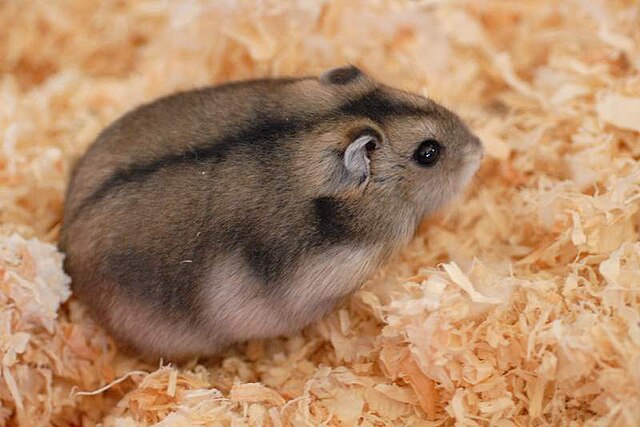
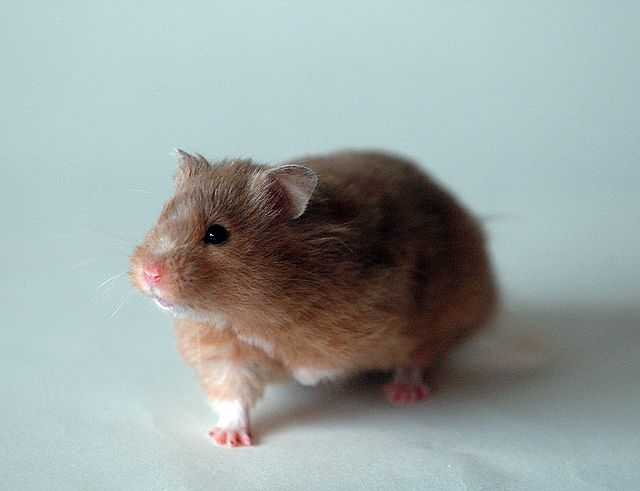
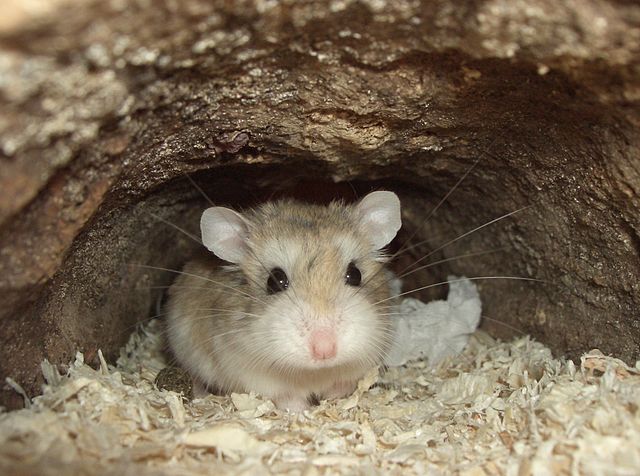
Syrian (Golden) hamsters tend to be easier to tame, and Djungarian hamsters also become hand-friendly with patience. Roborovski hamsters, however, are better suited for observation and are less likely to become hand-tame.
Taming Rabbits
Rabbits are timid but social and intelligent enough to recognize their owner. With time, you can form a deep bond.
- Provide a safe space: First, create hiding spots inside the cage and wait for the rabbit to come out on its own
- Get down to their level: Sit on the floor to meet the rabbit at eye level. A standing human is an intimidating figure
- Let them learn your scent: Offer your hand for them to sniff. Rabbits identify others primarily through smell
- Know where to pet: The forehead and base of the ears are spots most rabbits enjoy. Avoid the belly and feet, which most dislike
- Use treats to close the gap: Small pieces of banana, apple, or dried fruit help build the habit of eating from your hand
If a rabbit thumps its foot ("stomping"), it is a sign of alarm or displeasure. Identify and remove the cause. Conversely, gentle teeth grinding is a sign of contentment.
Taming Ferrets, Guinea Pigs, and Degus
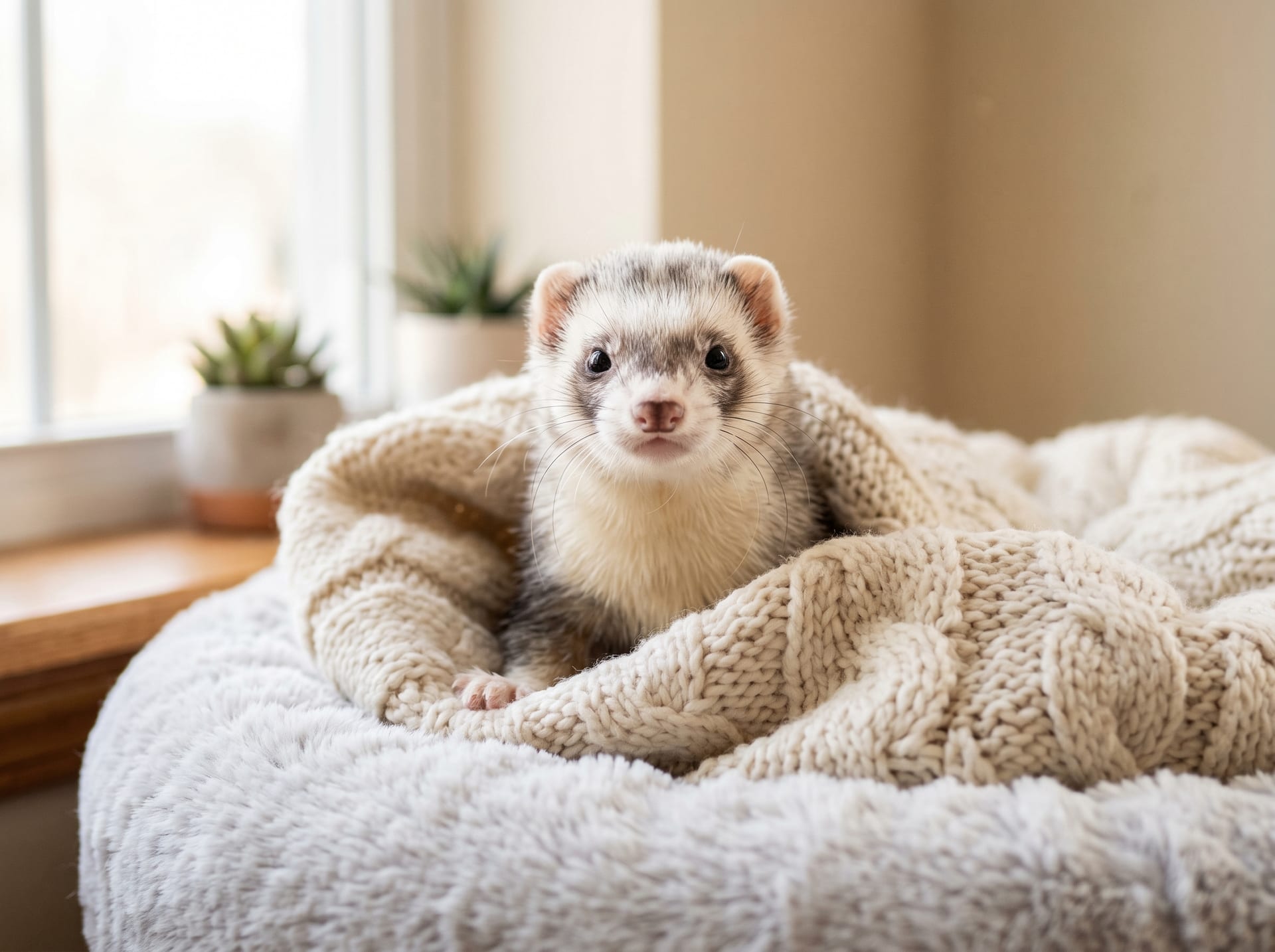
Ferrets are curious, social animals that bond relatively quickly. Play is the most effective way to build a relationship.
- Ferrets: Start inviting them to play soon after arrival. Trust naturally develops through play with tunnels and balls. If they have a biting habit, say "no" in a low voice and stop play when they bite
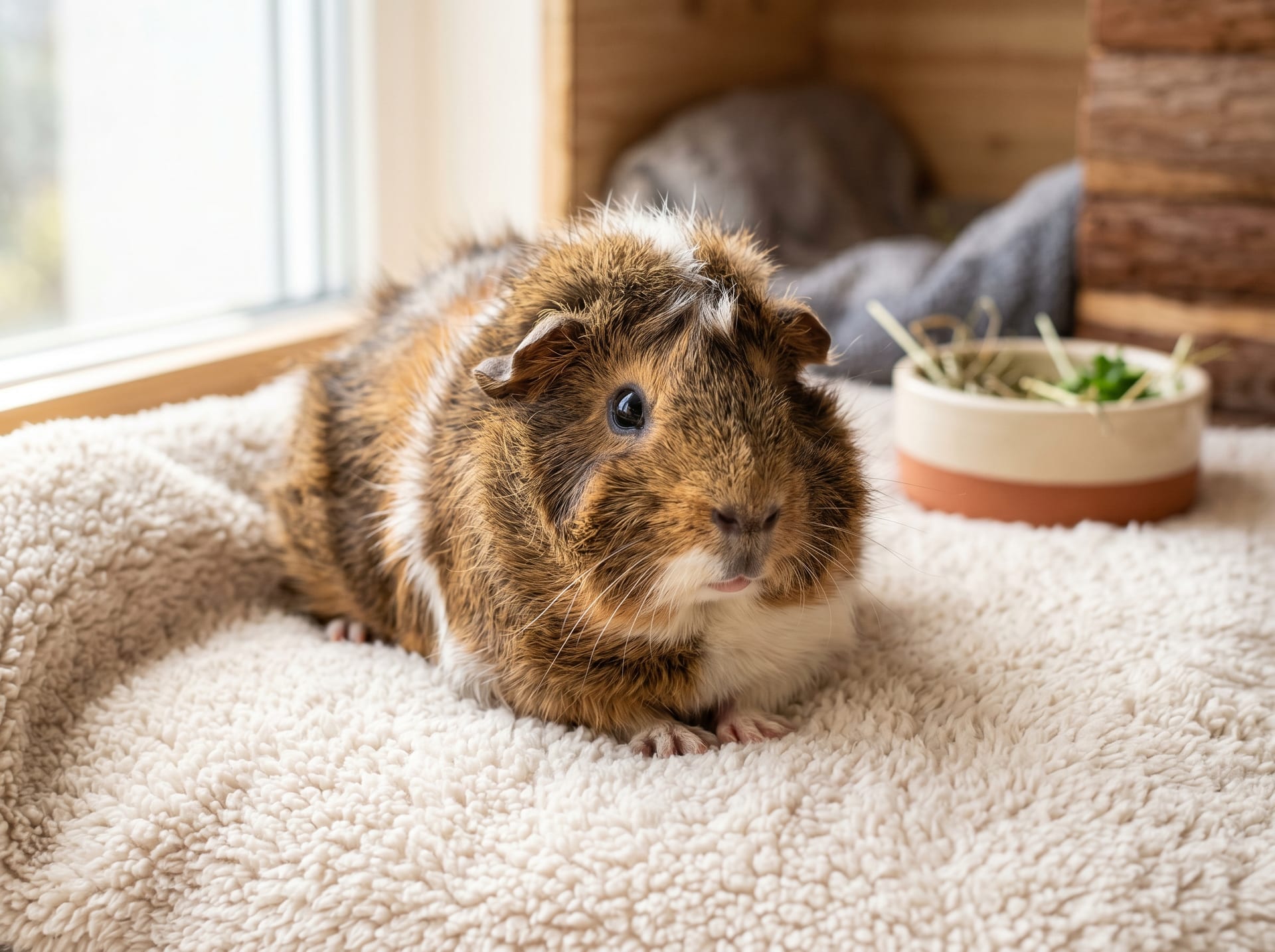
- Guinea pigs: As herd animals, help them see you as part of their group. When kept in multiples, they feel more relaxed around their companions and become friendlier with people too. Start by hand-feeding vegetables
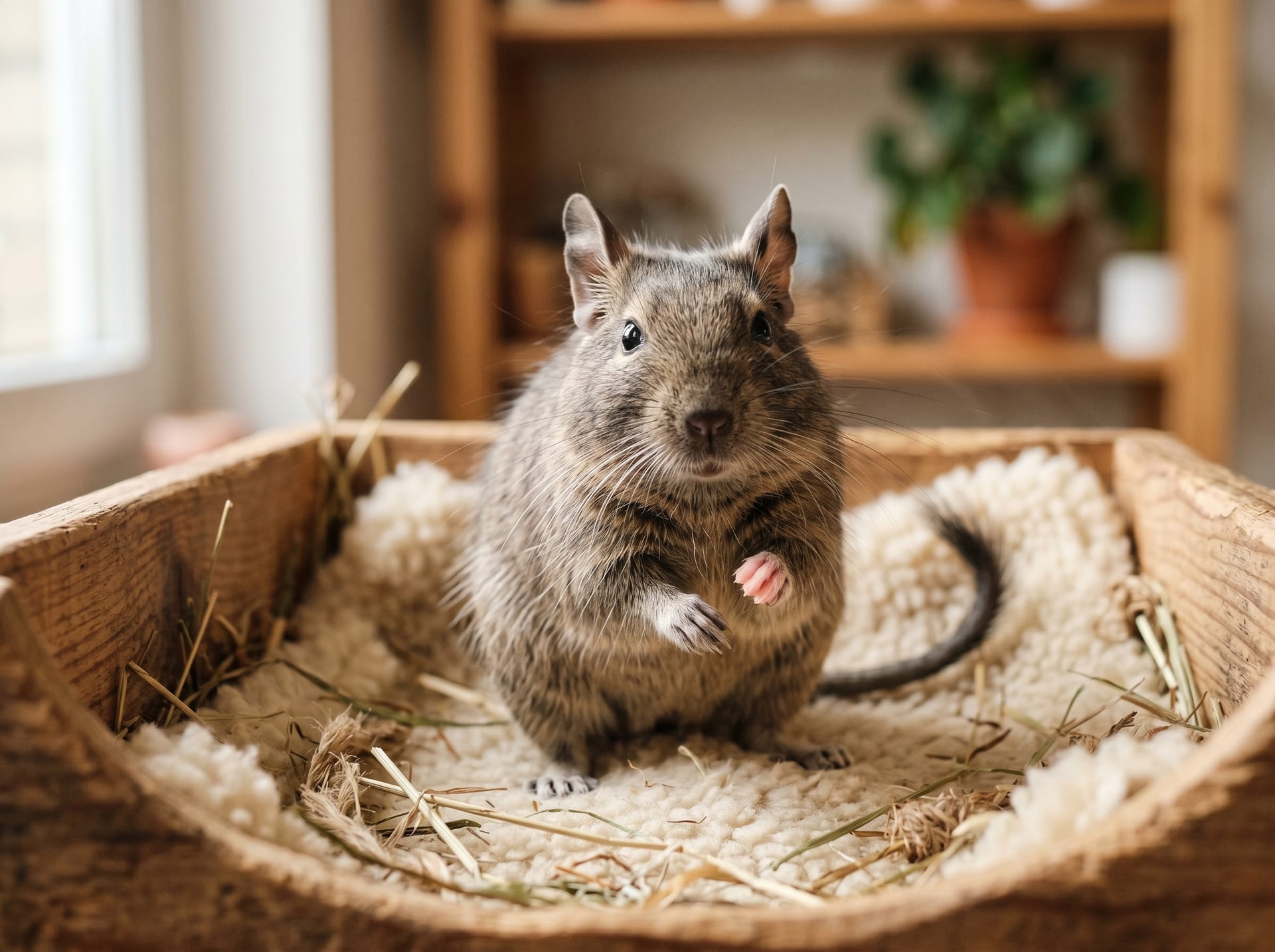
- Degus: Highly intelligent, they can learn their name and recognize individual owners. Combining verbal cues with treats is effective. Degus have a wide range of vocalizations and excellent communication abilities
What all these animals have in common is the importance of accumulating positive experiences. Through treats and play, teach them that humans bring good things.
What NOT to Do
Knowing what to avoid during the taming process is equally important.
- Grabbing suddenly: Snatching from above is the single worst thing you can do. It triggers the fear of being caught by a predator
- Touching while sleeping: Most small animals strongly dislike being disturbed during sleep. Always interact when they are awake
- Loud noises and sudden movements: Small animals have acute hearing, and loud sounds or sudden motions cause panic
- Wearing perfume or strong scents: Strong odors are stressful for small animals. Wash your hands before handling to be as scent-neutral as possible
- Chasing: Pursuing them inside the cage or during free-roaming time makes them perceive humans as enemies
- Prolonged handling: Start with short sessions and gradually extend the duration. Small animals feel stressed by extended restraint
Once you instill fear, rebuilding trust takes many times longer. If you make a mistake, do not panic. Simply start over patiently from the beginning.
Deepening the Bond
Even after initial taming, ongoing effort is needed to maintain and strengthen trust.
- Daily interaction: Even brief daily contact is important. Extended gaps can cause wariness to return
- Body checks during handling: Making a habit of checking for abnormalities while handling helps with early disease detection
- Call their name before treating: Repeating the sequence of calling their name followed by a treat teaches them to respond to their name
- Stable living environment: Frequently moving the cage or disrupting routines increases stress and wariness
- Involvement from all family members: When everyone in the household interacts consistently, the animal develops trust in people in general
Find Your Pet from a Trusted Breeder on BriChoku
A small animal's tamability is greatly influenced by its early exposure to humans. Animals that have been appropriately handled by a breeder from a young age tend to warm up faster than those displayed in pet shops for extended periods.
On BriChoku, you can purchase small animals directly from trusted breeders. The ability to ask breeders directly about living conditions and taming advice is a major advantage of buying directly from breeders. With post-purchase support included, you can start life with your small animal with confidence.