Complete guide to feeder insect management for reptile keepers: comparing crickets, dubias, and mealworms, setting up home colonies, gut-loading techniques, and dusting schedules.
要點總結
Complete guide to feeder insect management for reptile keepers: comparing crickets, dubias, and mealworms, setting up home colonies, gut-loading techniques, and dusting schedules.
In reptile keeping, quality management of feeder insects is one of the most critical factors affecting individual health. In the wild, reptiles maintain nutritional balance by preying on diverse insects, but in captivity, they inevitably depend on limited species such as crickets, dubias (dubia roaches), and mealworms. Since these insects themselves have limited nutritional value, proper management and gut-loading (nutritional enrichment of feeder insects) are essential.
Establishing home breeding offers not only cost savings but also the advantage of consistently supplying fresh, healthy food. This article provides practical guidance for beginners to intermediate keepers, covering everything from understanding the characteristics of three major feeder insects to their breeding, management, and nutritional enhancement.
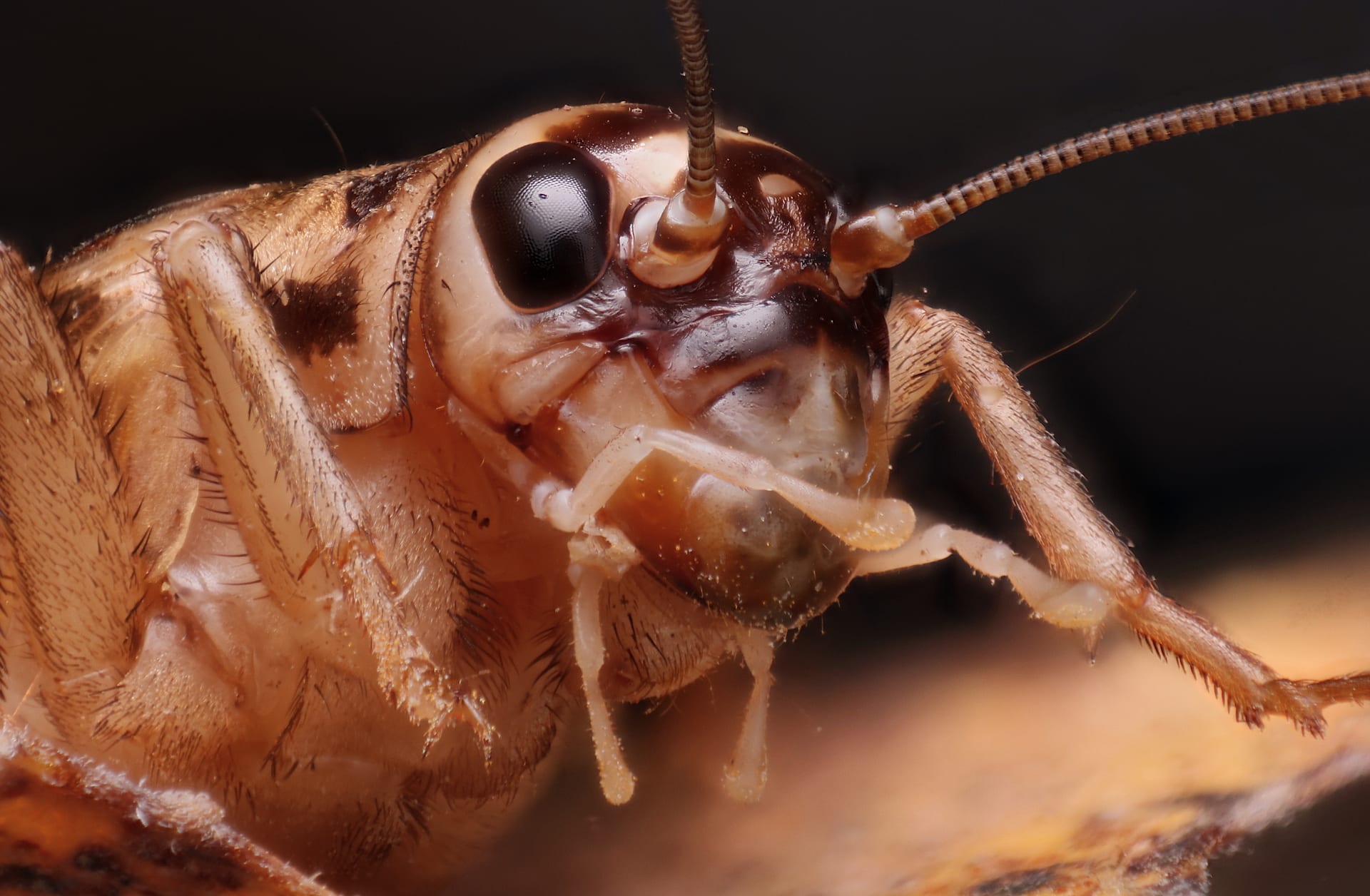
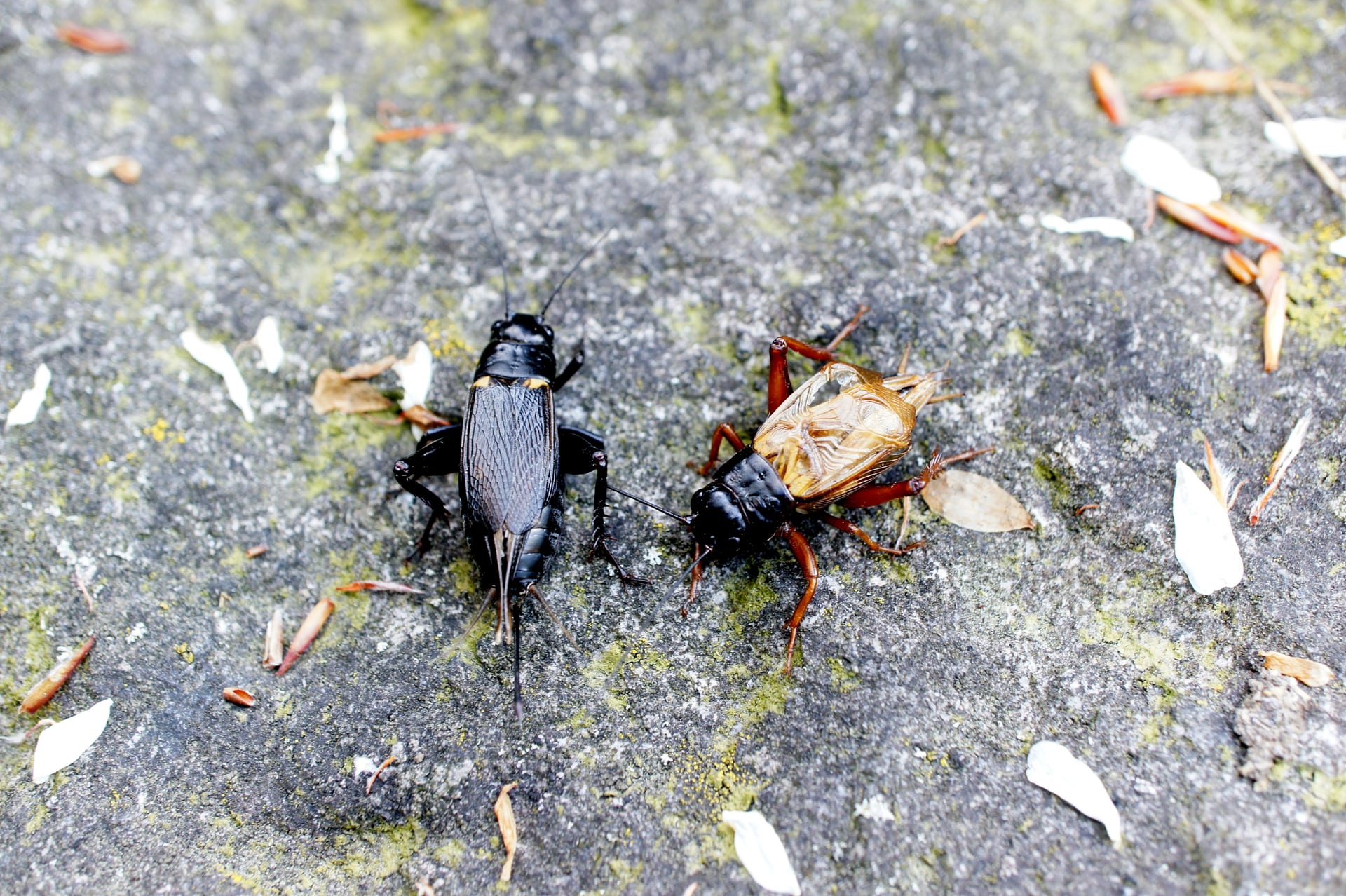
Crickets (Two-spotted Cricket and European House Cricket) are the most common feeder insects. They move actively and easily stimulate the predatory instinct of reptiles. While their calcium-to-phosphorus ratio is skewed at about 1:8, their protein content is excellent at approximately 20%. However, they have strong cannibalistic tendencies, and when kept densely, dead bodies accumulate quickly, making management labor-intensive. Their loud chirping also requires consideration for neighbors depending on your living environment.
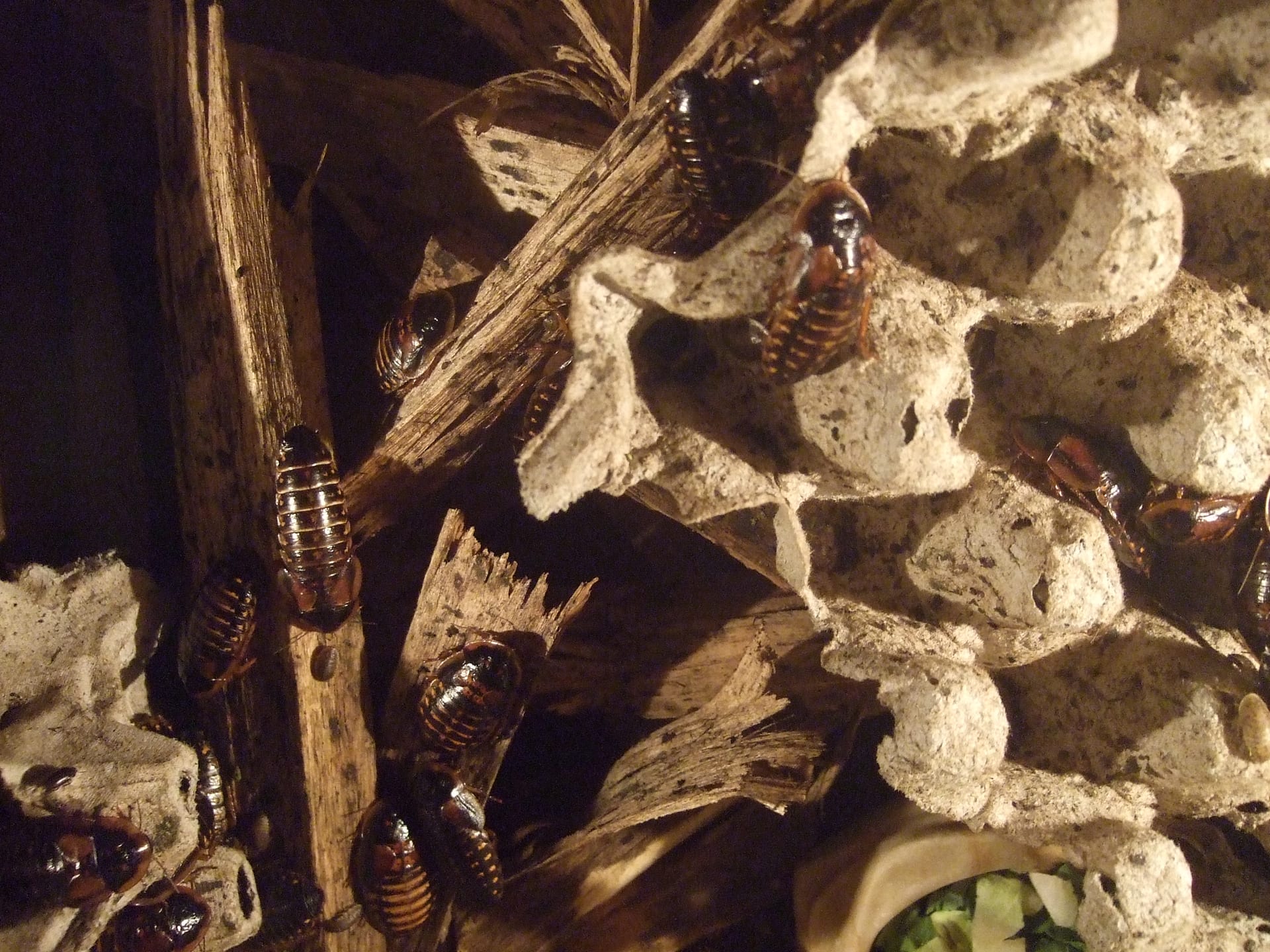
Dubias are an increasingly popular option in recent years. They move more slowly than crickets, making them suitable for individuals with poor feeding responses and juveniles. They have minimal cannibalism, little odor, and don't chirp, making them ideal for indoor breeding. Their protein content at approximately 24% exceeds crickets, and their calcium-to-phosphorus ratio of around 1:3 is relatively favorable. However, their breeding cycle is long (approximately 4 months to adulthood) and requires temperature management of 25-30°C.
Mealworms (larvae of Tenebrio molitor) have excellent shelf life and can be maintained at room temperature for 2-3 weeks. However, their high fat content (approximately 13%) and extremely skewed calcium-to-phosphorus ratio of 1:18 make them unsuitable as a staple food. They should be positioned as treats or for recovering the strength of thin individuals, requiring thorough dusting and gut-loading. Since large pre-pupation individuals have hard exoskeletons, it's better to select freshly molted or young-stage larvae.
Cricket breeding is relatively easy. Arrange egg crates vertically in plastic containers (medium to large) to create hiding places. Bedding is unnecessary; maintaining hygiene requires twice-weekly fecal cleaning. For breeding beds, place moistened red soil or vermiculite in shallow containers; one week with approximately 30 adults is sufficient for egg collection. Transfer breeding beds to separate containers and maintain at 25-28°C; eggs hatch in 10-14 days. Feed with carp pellets or bok choy, and supply moisture using jelly or wet sponges. Development to adulthood is quick (approximately 30-40 days), so rotating three generations enables stable supply.
Dubia breeding requires initial investment and time but is the easiest to manage once established. Stack 5-10 egg crates in large plastic containers to create a dark, confined environment. Place a heat panel under the container to maintain 25-30°C and monitor temperature constantly with a thermometer. Start with approximately 50 adults (1 male to 3 females ratio) and harvest young nymphs at a weekly pace once breeding begins. Feed with goldfish pellets or sweet potatoes; supplement moisture with oranges or carrots. Although the breeding cycle is long, females retain egg cases internally and give birth to nymphs directly, resulting in high and stable hatch rates.
Mealworm breeding is also simple. Spread approximately 5 cm of bran (wheat bran) in a plastic container and add about 100 larvae. Replace the bran (which serves as both food and bedding) entirely once monthly and supplement moisture with vegetable scraps. At 20-25°C, larvae pupate in 1-2 months, and adults emerge after an additional 1-2 weeks. Adults die 2-3 weeks after laying eggs; operating multiple containers staggered in time is efficient for managing generational turnover. However, home-bred individuals tend to have lower nutritional value than purchased ones, so thorough gut-loading is essential.
Gut-loading is a technique of feeding feeder insects nutrient-rich food to accumulate in their digestive tract, which then provides indirect nutritional enhancement when consumed by reptiles. Dusting alone (coating with calcium powder) is insufficient; improvement of the insect's own nutrition is necessary.
The optimal timing for gut-loading is 24-48 hours before feeding to reptiles. Shorter periods don't allow sufficient nutrient accumulation, and longer periods result in the insects excreting the nutrients. Crickets and dubias respond well due to their strong omnivorous nature, and mealworms can be improved by feeding them foods other than bran.
Recommended food combinations are as follows. Calcium sources include bok choy, Chinese cabbage, and pumpkin; Vitamin A sources include carrots and sweet potatoes; Protein sources include goldfish pellets, carp food, and eggs; Moisture sources include oranges and apples (avoid overfeeding). Providing multiple types on a rotating daily basis prevents nutritional imbalances.
Specifically, the feeding protocol involves moving insects to a dedicated container 2 days before feeding reptiles and providing the above foods twice daily (morning and evening). Just before feeding, dust with calcium + D3 powder to achieve double nutritional enhancement. Particularly, improving the calcium-to-phosphorus ratio is directly linked to preventing metabolic bone disease (MBD), so don't compromise.
Additionally, insect freshness is important. Dead insects that have aged show rapid nutritional decline and pose risks of bacterial proliferation. After feeding, promptly remove uneaten insects and maintain the habit of always providing only live, healthy insects.
Storage environments should be optimized for each type of feeder insect. Crickets should be maintained at 20-28°C and 50-60% humidity, separated by growth stage to avoid overcrowding. Neglecting twice-weekly fecal cleaning and dead insect removal causes ammonia odor and mass mortality. Dubias require 25-30°C and 40-50% humidity; regularly review egg crate placement to ensure ventilation. Temperature drops halt breeding, so combining heat panels with insulating materials is effective in winter. Mealworms should be kept at 15-20°C to suppress growth; remove only needed quantities to room temperature for use.
Hygiene management basics include strict adherence to bedding replacement cycles. Target twice-weekly replacement for crickets, monthly for dubias, and monthly for mealworms. Use reptile-specific disinfectants or boiling water for container cleaning; avoid detergent residue. Immediately discard moldy food or bedding and wash food bowls daily.
Inventory management should consider breeding cycles. Ideally, rotate three cricket generations on a 3-week cycle, use higher initial dubia numbers on a 4-month cycle, and operate multiple mealworm containers staggered on a 2-month cycle. As reptile growth increases food demand, record monthly consumption rates and adjust breeding quantities accordingly.
If mass mortality occurs, first suspect overcrowding, high temperature and humidity, or ammonia accumulation. Crickets are particularly fragile; virus spread is likely at high densities, so immediately reduce population and enhance ventilation. For dubias, insufficient temperature or food is often the cause; review heater settings and feeding frequency.
If breeding is unsuccessful, check humidity levels in cricket breeding beds (adjust with misting) and temperature or sex ratio imbalances in dubias. Dubias especially require 3-6 months before initial breeding, so patience and strict temperature management are important.
Cost-reduction techniques include using vegetable scraps and expired grain feeds. However, be careful to avoid pesticide residue and spoilage; always combine with fresh food as the base. Sharing colonies among multiple reptile keepers is also effective for distributing initial costs and risks.
Seasonal considerations include cricket early death from summer heat and winter dubia breeding cessation. Address summer heat with air conditioning or relocation to cooler areas; handle winter with insulation and heat panel combinations. Mealworms can be hibernated in refrigerators, but limit to within one month as longer storage reduces nutritional value.
Feeder insect management is the foundation of reptile keeping. Mastering home breeding and gut-loading enables both individual health maintenance and cost reduction, significantly improving long-term care success rates. It may seem labor-intensive initially, but once routinized, it requires only about 30 minutes per week. Please refer to this article and build a high-quality feeding environment for your reptiles.
Reptile Temperature Calculator
View basking, cool-side, night temps, humidity & UVB requirements by species
Morph Genetics Calculator
Calculate morph breeding outcomes for leopard geckos & ball pythons
Breeding Calendar
Visual monthly breeding season guide for each species
Feeding Guide
Check feeding frequency, portion sizes & supplements by species and growth stage