Everything you need before welcoming a baby reptile: enclosure setup, temperature, first feeding timing, and how to minimize stress.
要點總結
Everything you need before welcoming a baby reptile: enclosure setup, temperature, first feeding timing, and how to minimize stress.
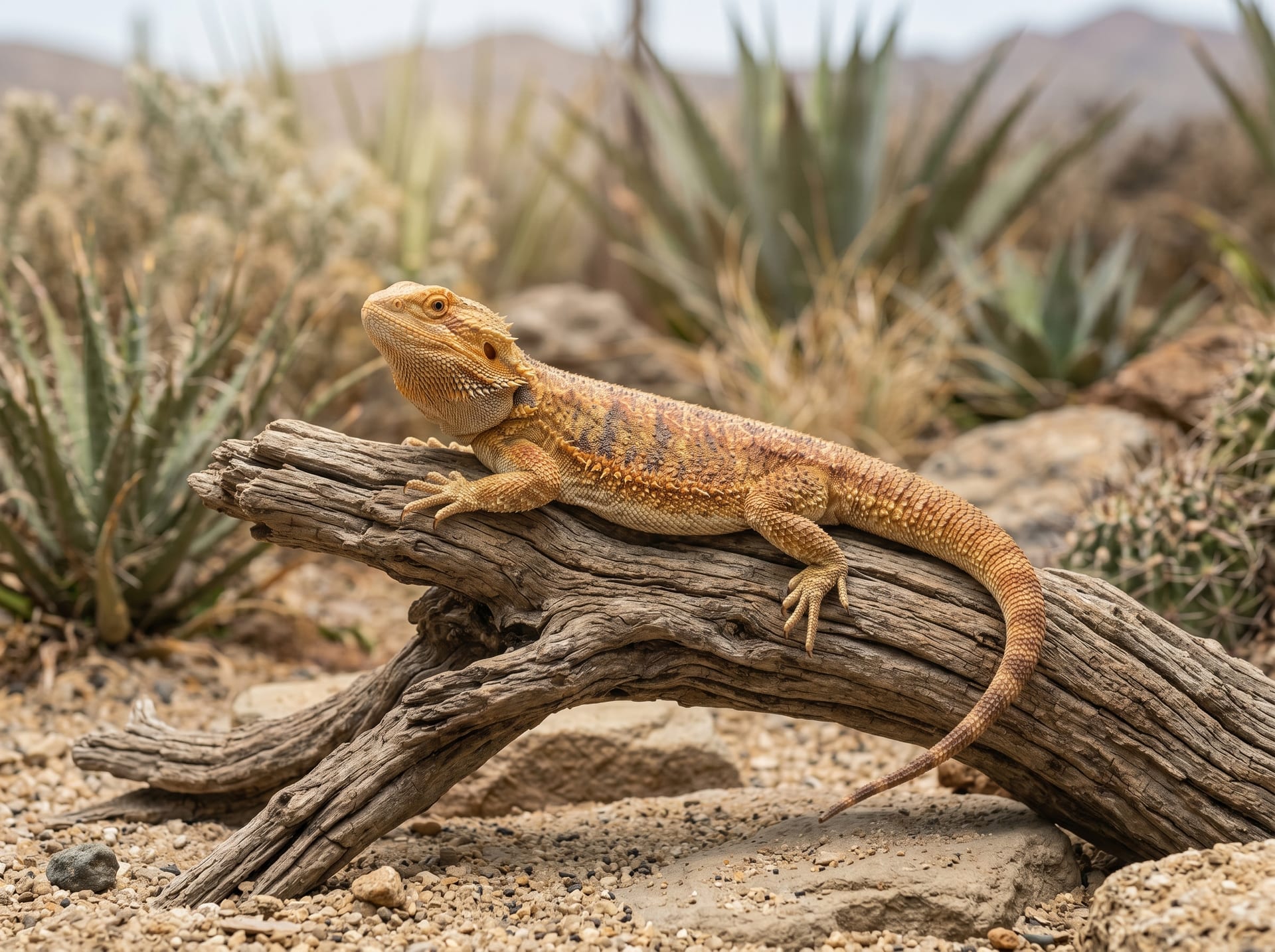
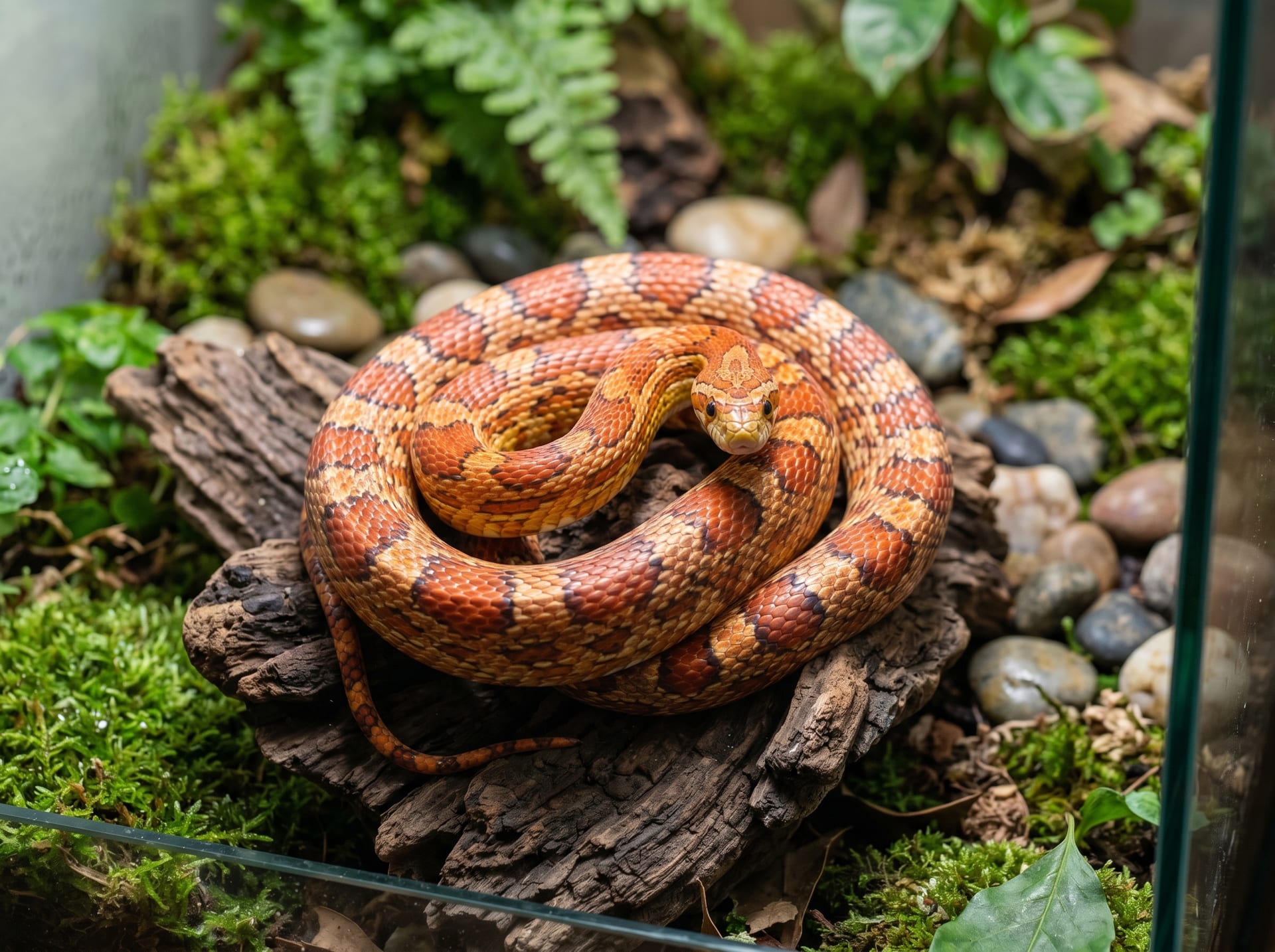
Baby reptiles have lower thermoregulation abilities compared to adults and are more vulnerable to stress and environmental changes, making post-arrival care critical to successful husbandry. Popular species like leopard geckos, corn snakes, and bearded dragons are gaining attention as babies can now be sourced directly from breeders, but applying adult care information directly can often lead to failure.
The three defining characteristics of the baby stage are rapid growth, high metabolism, and frequent feeding requirements. Proper management during this period will ensure your reptile develops into a healthy, robust adult.
Prepare the following environment before your baby reptile arrives.
Enclosure Size: Smaller enclosures provide security during the baby stage. A 30cm × 20cm enclosure works well for leopard geckos, while corn snakes do best with enclosures under 45cm wide. Oversized enclosures make it difficult for babies to find food and hiding spots, causing stress.
Temperature Setup: Create a temperature gradient between the warm side and cool side. For leopard geckos, aim for 28–30°C on the warm side and 24–26°C on the cool side. Place heating panels on 1/3 to 1/2 of the enclosure floor and manage with a thermostat.
Shelters: Place shelters on both the warm and cool sides. Babies especially need hiding spots. Commercial wet shelters are particularly effective as they provide both humidity control and a sense of security.
Water Dish: Choose a shallow dish from which babies can easily escape. Avoid deep water dishes as babies risk drowning.
When your baby arrives, follow these steps:
Do not feed for 48–72 hours after arrival. Transport stress impairs digestive function, and force-feeding can result in the need for assisted feeding.
Begin feeding only once your baby has acclimated (emerging from shelter and exploring). Offer leopard gecko babies 2–3 small crickets (M–L size) or mealworms to start. For corn snake babies, offer one thawed frozen pink mouse.
If feeding refusal persists, take a gradual, patient approach: first try different prey types, then review temperatures, and if still unsuccessful, consult your breeder.
Babies require more frequent feeding than adults.
Dust insect prey with calcium powder (containing vitamin D3) at every feeding. Use multivitamins 1–2 times per week. Avoid over-supplementation, as excess can be counterproductive.
Babies shed more frequently than adults, sometimes 1–2 times per month. Before shedding, eyes become cloudy and appetite drops. Withhold food during this period and keep the wet shelter moist to aid shedding.
After shedding, check for retained skin around the toes and eyelids. Retained skin can cause circulation problems and should be gently removed with a cotton pad dampened in lukewarm water.
Signs of a healthy baby include clear, round eyes, appropriate tail thickness (for leopard geckos), mouth always closed, and normal waste (solid white uric acid plus brown feces). Use these as a daily observation checklist.
Reptile Temperature Calculator
View basking, cool-side, night temps, humidity & UVB requirements by species
Morph Genetics Calculator
Calculate morph breeding outcomes for leopard geckos & ball pythons
Breeding Calendar
Visual monthly breeding season guide for each species
Feeding Guide
Check feeding frequency, portion sizes & supplements by species and growth stage