日本米魚繁殖入門|從產卵到稚魚育成的完全指南
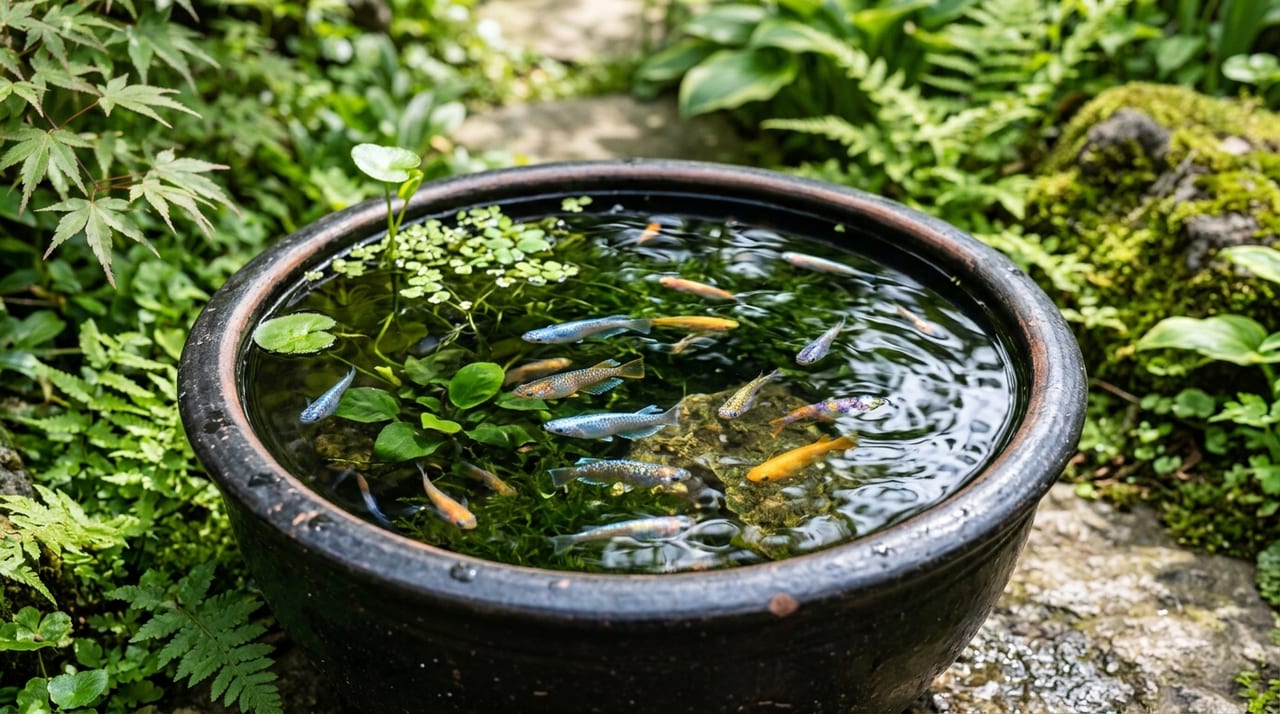
介紹日本米魚的繁殖方法。包括產卵條件(水溫・日照時間)、卵的採集和管理、稚魚飼料(PSB・草履蟲)、根據成長調整飼養容器的方法。日本米魚的繁殖相比金魚和熱帶魚更容易上手,只要環境條件適當,從春季到秋季幾乎每天都能觀察到產卵。卵孵化成針仔(剛孵化的稚魚),逐漸成長為成魚的過程,是日本米魚飼育獨有的巨大魅力。
要點總結
介紹日本米魚的繁殖方法。包括產卵條件(水溫・日照時間)、卵的採集和管理、稚魚飼料(PSB・草履蟲)、根據成長調整飼養容器的方法。日本米魚的繁殖相比金魚和熱帶魚更容易上手,只要環境條件適當,從春季到秋季幾乎每天都能觀察到產卵。卵孵化成針仔(剛孵化的稚魚),逐漸成長為成魚的過程,是日本米魚飼育獨有的巨大魅力。
日本米魚的繁殖相比金魚和熱帶魚更容易上手,只要環境條件適當,從春季到秋季幾乎每天都能觀察到產卵。卵孵化成針仔(剛孵化的稚魚),逐漸成長為成魚的過程,是日本米魚飼育獨有的巨大魅力。本文將為初次嘗試繁殖的朋友詳細講解,從產卵的條件、卵的管理、稚魚的飼養方式逐一說明。
促進產卵的3個條件
日本米魚產卵需要水溫、日照時間、營養狀態3個要素同時具備。缺少其中任何一項,產卵數都會減少,因此首先要理解這個基本原理。
水溫
適合產卵的水溫為 18~30℃,最活躍的產卵溫度是25~26℃前後。低於18℃時產卵活動會顯著下降,冬季幾乎停止。室外飼育時4~10月是主要繁殖季節,但室內飼育時使用加熱器穩定水溫,就能全年進行繁殖。
日照時間
每天 13小時以上 的光照是產卵的觸發條件。室外飼育可依靠自然光照,室內水族箱應使用照明計時器控制光照強度和照射時間。LED燈完全足夠,但光線過弱效果會減弱,建議將燈安裝在水族箱上方近處。
營養狀態
親魚的營養狀態直接影響產卵數和卵的質量。1天投餌2~3次,以魚能吃完為量。在普通配合飼料的基礎上,定期提供 產卵用高蛋白、高熱量專用飼料 或冷凍血紅蟲,能顯著增加產卵量。特別是在繁殖季節前的早春補充充分營養,能為良好的繁殖開始奠定基礎。
產卵床的選擇與卵的採集
產卵床的種類
日本米魚的雌魚有在水草或纖維狀物質上產卵的習性。代表性的產卵床如下:
- 市售產卵床:毛足較長的海綿或無紡布類型較常見。使用方便、可重複使用
- 水草(鳳眼蓮・馬尾・水蘭等):接近自然產卵環境,也能作為稚魚的躲藏處
- 棕櫚纖維:古來常用的天然素材
- 自製毛線產卵床:用100元店的毛線束成。成本低廉
多設置幾個產卵床能提高採卵效率。雌魚剛產下的卵會掛在腹部,之後產在產卵床上。
卵的採集和移至別容器
- 早上取出產卵床,確認附著的卵
- 用手指腹輕輕拨下卵(受精卵富有彈性,小心處理的話用手指觸及也不會受傷)
- 將卵連同水一起移至小型塑膠盒或100元店塑膠盒
- 將產卵床放回親魚水族箱
親魚會吃掉卵和稚魚,因此 必須在別容器中管理。若飼養多個品種,應分別放在不同容器中管理。
卵的管理要點
- 在25℃的環境下 約10天即可孵化(水溫越低孵化天數越長)
- 每天換1/3的水,保持清潔
- 白濁的卵為無精卵或死卵,應在發黴前迅速去除
- 去氯的自來水具有殺菌效果可替代亞甲藍,少量含氯水也是有效的管理方法
孵化直後的稚魚(針仔)的飼養方法
剛孵化的稚魚被稱為「針仔」,體長僅 0.5~1mm 左右。腹部還附著卵黃囊,孵化後2~3天依靠這個營養生活,不需要立即投餌。
適合針仔的飼料
針仔期口徑極小,需要粒徑極細的飼料。代表性選擇如下:
- PSB(光合成細菌):液體型粒徑極細,針仔也能食用。還有改善水質的效果
- 草履蟲:活的微生物消化吸收效果好,促進針仔成長。市售培養套裝可自家培養
- 市售稚魚粉末飼料:粒徑細小易操作。「Medaka no Mai」(日本米魚的舞蹈)、「Tetra Min Baby」等很有名
- 綠水(青水):植物浮游生物豐富的飼育水。稚魚能持續攝取微量飼料,是理想環境
投餌原則是 1天3~5次,每次少量。食物殘留過多會惡化水質,導致稚魚大量死亡,須注意勿過量投餌。
按成長階段劃分的容器管理
| 成長階段 | 目標體長 | 推薦容器容量 |
|---|---|---|
| 針仔 | 0.5~3mm | 5~10L(小型塑膠盒) |
| 稚魚 | 3~10mm | 10~20L(中型容器) |
| 幼魚 | 10~15mm | 20L以上(成魚用等級) |
| 成魚 | 15mm以上 | 可與成魚同居 |
稚魚達到 體長15~20mm(成魚的一半左右) 前應避免與成魚混養。過早混養的話,稚魚會被成魚追逐、受到壓力,最嚴重的情況會被吃掉。
記錄繁殖日誌,徹底進行品種管理
繁殖多個品種時,必須記錄每個稚魚來自哪對親魚。在容器上貼膠帶,記錄 採卵日・親魚品種名・孵化日,之後的管理會輕鬆許多。
若目標是品種改良,選別作業也很重要。根據體型、體色、魚鰭形狀選出優秀個體,作為下一代親魚使用,逐步接近理想形質。積累記錄能直接促進作為繁殖者的技術提升。
日本米魚的安心・安全機制
若想販售自己繁殖的日本米魚,或希望從信賴的繁殖者購買品種日本米魚,推薦使用 日本米魚。日本米魚是繁殖者與購買者直接連結的生體直銷平台,具備以下特徵:
- 繁殖者直銷,沒有中間商差價,交易價格合理
- 能事先確認出品者的飼育環境和管理方法,安心取得健康個體
- 購買者評論不斷累積,容易找到值得信賴的繁殖者
- 整備了應對發貨時問題的支援體制
熟悉日本米魚繁殖後,不妨在日本米魚平台上分享自己飼育的品種。許多繁殖者在這裡作為分享繁殖喜悅的場所發揮著活躍的作用。