Complete care guide for popular tang species including blue and yellow tangs: tank size requirements, herbivorous diet, ich susceptibility management, and compatibility considerations.
要點總結
Complete care guide for popular tang species including blue and yellow tangs: tank size requirements, herbivorous diet, ich susceptibility management, and compatibility considerations.
Surgeonfish (tang) belong to the Acanthuridae family and are highly popular marine aquarium fish due to their vibrant coloring and active swimming behavior. These include the Palette Surgeonfish (made famous by a movie), the Yellow Tang with its stunning bright yellow coloration, and the Powder Blue Tang with its distinctive striped pattern—there are many attractive species. However, surgeonfish are prone to ich (white spot disease), require ample swimming space, and therefore demand appropriate knowledge and preparation for successful care.
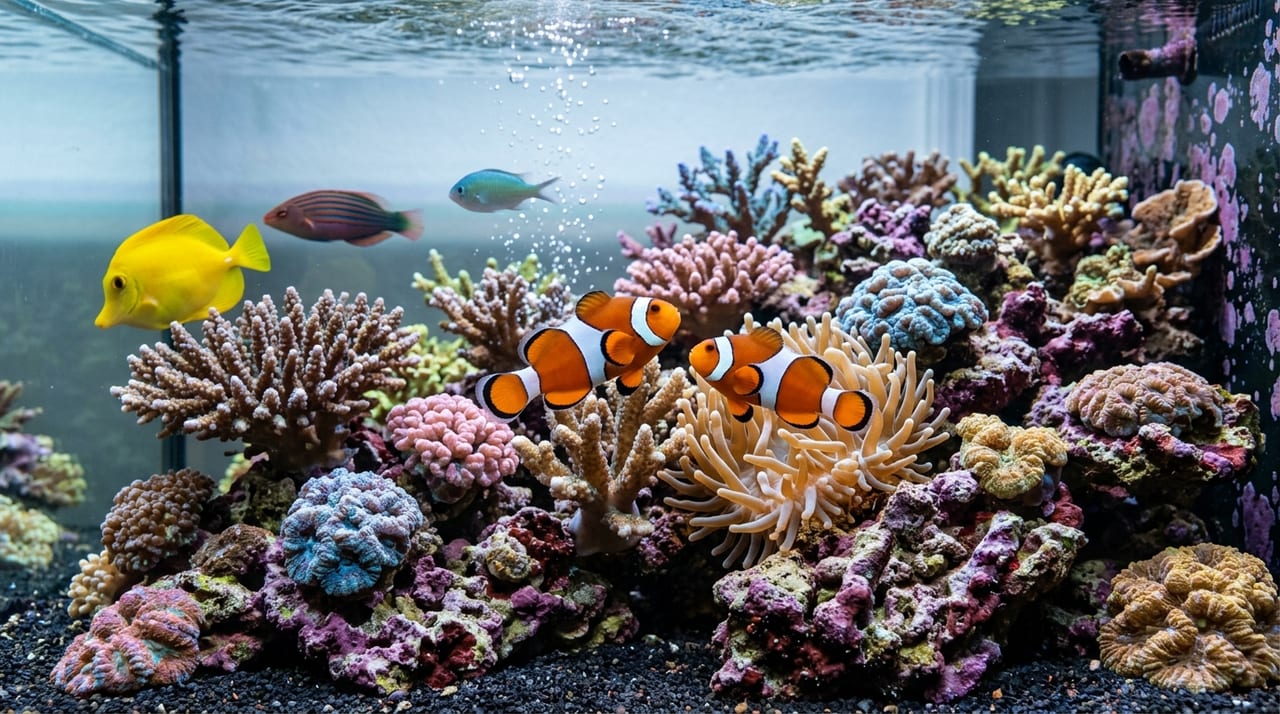
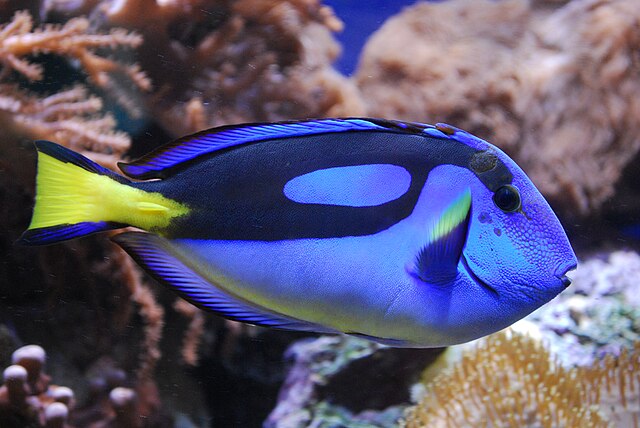
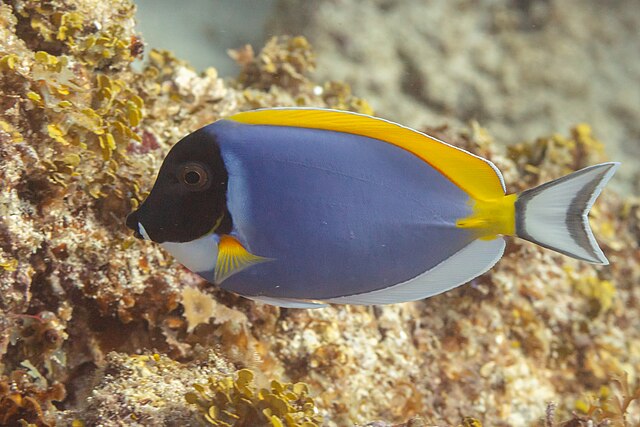
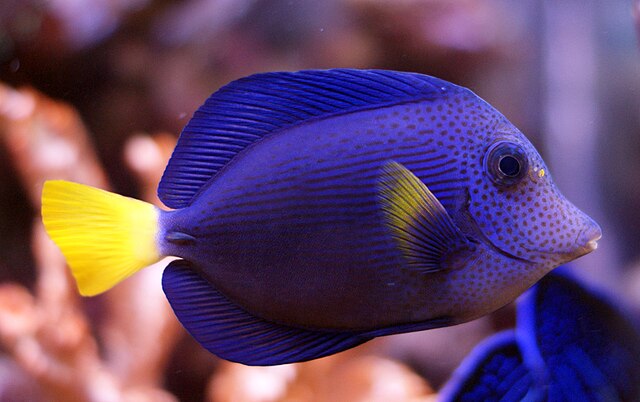
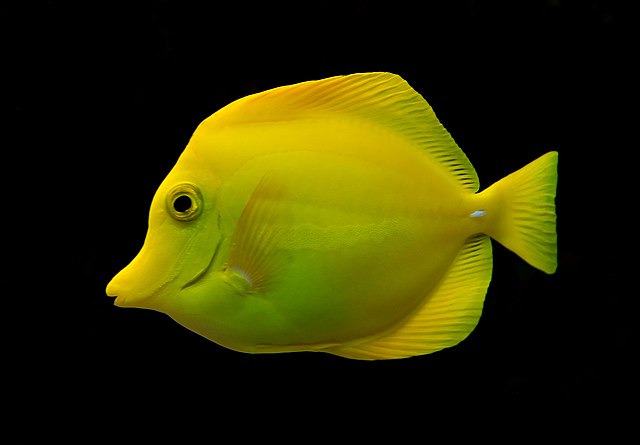
The Palette Surgeonfish features beautiful contrasts of blue, black, and yellow and is the most popular species. Adults grow to nearly 30cm, making a large aquarium essential. Juveniles are timid and hide in crevices of live rock, but become more active swimmers as they mature. The Yellow Tang is entirely bright yellow and makes an excellent accent for coral reef tanks. At a maximum size of about 20cm, it's relatively compact and recommended as an entry-level tang species. The Powder Blue Tang has a pale blue body with a black face and striking yellow dorsal and tail fins, though it has a slightly higher care difficulty. The Purple Tang is a beautiful purple species related to the Yellow Tang; in recent years, its supply has decreased, increasing its rarity value. All surgeonfish species have sharp spines on their tail peduncle, so care must be taken to avoid hand injuries when handling them.
Surgeonfish are active swimmers, and ample swimming space is essential for their health. Even Yellow Tangs require a minimum 90cm tank, while larger species like Palette Surgeonfish and Powder Blue Tangs need 120cm or larger. The key to tank layout is creating hiding spots with live rock while maintaining a large open space in the front. Maintain a specific gravity of 1.023-1.025, water temperature of 24-26°C, and pH 8.1-8.4. Surgeonfish have high oxygen consumption, so strong water flow and adequate oxygen supply via a protein skimmer are important. Lighting should match whether corals are present, though surgeonfish themselves don't require intense lighting.
Surgeonfish are primarily herbivorous, constantly grazing on algae growing on rocks in their natural environment. In the aquarium, maintaining a plant-based diet is key to their health. The easiest and most effective method is to attach dried nori (seaweed) to the tank with a clip so they can graze freely. Use unseasoned commercial nori. Additionally, provide plant-based flakes or pellets containing spirulina and kelp as their main food. While they will consume small amounts of animal-based foods, an ideal diet should be at least 70% plant-based. Surgeonfish cannot store large amounts of food, so feed them small portions 2-3 times daily. Since they tend to become thin easily, it's important to check daily that their abdomen isn't sunken.
Surgeonfish are prone to ich because they have thin mucous membranes and are highly sensitive to stress. Ich is caused by parasitic copepods (Cryptocaryon irritans), appearing as white spots on the body with infected fish exhibiting flashing behavior (rubbing against rocks). Prevention fundamentals include maintaining stable water quality, boosting immunity through proper nutrition, and minimizing stress. The most effective preventive measure is to quarantine new fish in a separate tank for at least 2-4 weeks. If infection occurs, copper ion treatment is effective in fish-only tanks without corals, but copper cannot be used in reef tanks. In reef tanks, raise the water temperature slightly (27-28°C), enhance immunity with garlic-enriched foods, and consider installing a UV sterilizer.
The condition of surgeonfish at the time of introduction greatly affects subsequent success in their care. Through Br-choku, you can obtain healthy individuals that have been properly quarantined and successfully acclimated by breeders. Our expert packing techniques minimize transport stress, and direct consultation about post-introduction management ensures a safe start with reduced risk of ich.
Aquarium Volume Calculator
Calculate water volume, weight, and heater wattage from tank dimensions
Water Quality Checker
Find compatible fish, shrimp, plants & corals based on pH, temperature & hardness
Feeding Guide
Check feeding frequency, portion sizes & supplements by species and growth stage
Compatibility Checker
Check compatibility between two species on a 5-level scale