倫理性繁殖是什麼?道德繁殖與永續飼養
解說倫理性繁殖的理念與實踐方法。包括確保遺傳多樣性、防止過度繁殖、整備適正飼養環境等倫理繁殖的要點。近年來,寵物業界迅速關注「 倫理性繁殖 」這一概念。作為飼養生命的繁殖者,不僅要增加個體數量,更要以動物福祉、遺傳健全性、對購買者的責任為三大核心軸進行繁殖活動。本文詳細說明倫理性繁殖的基本理念與實踐方法。
要點總結
解說倫理性繁殖的理念與實踐方法。包括確保遺傳多樣性、防止過度繁殖、整備適正飼養環境等倫理繁殖的要點。近年來,寵物業界迅速關注「 倫理性繁殖 」這一概念。作為飼養生命的繁殖者,不僅要增加個體數量,更要以動物福祉、遺傳健全性、對購買者的責任為三大核心軸進行繁殖活動。本文詳細說明倫理性繁殖的基本理念與實踐方法。
相關品種
近年來,寵物業界迅速關注「倫理性繁殖」這一概念。作為飼養生命的繁殖者,不僅要增加個體數量,更要以動物福祉、遺傳健全性、對購買者的責任為三大核心軸進行繁殖活動。本文詳細說明倫理性繁殖的基本理念與實踐方法。
倫理性繁殖的基本原則
倫理性繁殖是以「作為飼養生命者應遵守的道德責任」為中心的繁殖方式。國際動物福祉組織和國內繁殖者團體提倡的原則主要歸納為以下五點:
- 確保遺傳多樣性:避免近親交配,維持健全的基因庫
- 防止過度繁殖:遵守與需求相符的計畫性繁殖數量
- 整備適正飼養環境:提供能發揮自然行為的空間與設備
- 向購買者誠實提供資訊:坦白說明品種特性、風險、飼養難度
- 推進終身飼養:負責任地管理退役個體與繁殖外的個體至生命終點
這些全都基於「將動物與購買者的長期幸福優先於眼前利益」的理念。
確保遺傳多樣性與血統管理
近親交配從成本與工作量看似有效率,但長期來說潛伏著嚴重風險。重複進行兄弟、親子間的交配會導致遺傳性疾病的發生率上升、免疫力下降、平均壽命縮短等許多案例。
實踐性血統管理的要點
- 記錄系統圖:至少記錄並管理3~4代的血統
- 定期進行雜交配種:計畫性地導入不同血統的個體,維持遺傳多樣性
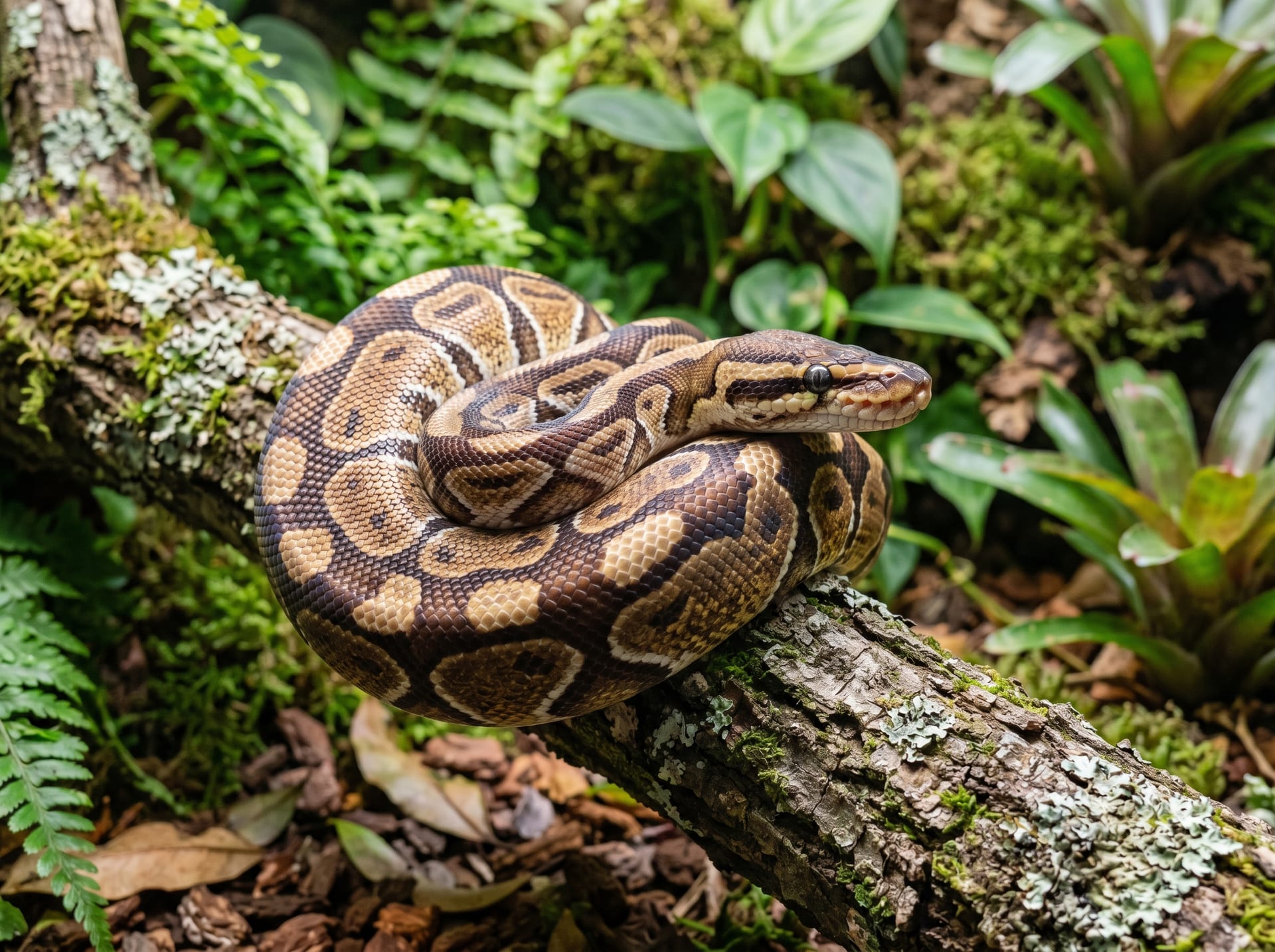
- 了解致命基因與神經障礙:尤其在爬蟲類和美達卡的花紋繁殖中需注意。例如球蟒的「蜘蛛」花紋已知會引起神經障礙(震顫),組合時需謹慎判斷
血統管理雖耗時費力,卻是持續培育健全個體的最重要投資。
防止過度繁殖的計畫性方法
繁殖者容易陷入的失誤之一是「預測需求而過度繁殖」。因應季節性需求波動或流行趨勢而一次大量繁殖,會使未販售個體的管理變成沉重負擔,導致適切照顧無法落實的風險。
適正繁殖數量的參考基準
從倫理性繁殖的角度,建議以「自己能終身負責飼養的最大數量」作為上限參考。具體來說:
- 計算現有飼養空間與設備能對應的頭數
- 根據過去銷售實績預測現實需求
- 考慮繁殖種的健康狀態與年齡設定週期
基於以上制定年度繁殖計畫,可在維持個體品質的同時實現無負擔運營。
適正飼養環境與動物福祉
用於繁殖的親代個體需要特別高水準的飼養環境。過度密集飼養或高壓力環境不僅會降低繁殖成功率,也會對新生個體的健康造成負面影響。
環境整備檢查清單
- 充足空間:確保符合種別習性的寬度、高度與佈局
- 適正溫濕度:全年維持穩定的環境
- 環境豐富化:設置隱蔽處、攀爬樹、水場等引出自然行為的設備
- 衛生管理:定期清潔與消毒以最小化感染風險
- 營養均衡的飲食:根據生長階段與繁殖期提供適切食餌
此外,繁殖個體應設定「繁殖次數限制」「產卵後充分休養期」「適當年齡退役」,以守護親代的健康與福祉。
對購買者的誠實責任
倫理性繁殖者不是「售出即完成」,而是對購買者與個體的長期幸福負責。
銷售前應傳達的資訊
- 品種、種別的特性與成長後的體型、壽命
- 易罹患的疾病與遺傳性疾病風險
- 所需飼養設備與維持成本
- 飼養難度與所需專業知識
對飼養經驗或環境不足的購買希望者,應具備「停止銷售的勇氣」,這也是倫理性繁殖者的重要態度。同時通過整備購買後飼養諮詢的售後支援體制,可與購買者建立長期信任關係。
身為消費者的倫理選擇
不僅繁殖者,購買者也應進行倫理選擇。
- 避免衝動購買,整備好飼養環境再考慮購買
- 從標示有動物經營許可證號的繁殖者購買
- 購買後以誠實評論正當評價值得信賴的繁殖者
BreederDirect的安心安全機制
BreederDirect設計為將贊同倫理性繁殖理念的繁殖者與購買者相連的平台。
- 認證繁殖者制度:通過動物經營許可證確認等信任性審查的繁殖者才能出品
- 評論系統:基於購買者實際體驗的評價,建構讓誠實繁殖者獲得正當評價的機制
- 溝通功能:購買前的詳細提問與購買後的飼養諮詢都可在平台內完成
正因為涉及生命交易,才要優先考慮透明性與安心感。BreederDirect致力於建構「對動物、對繁殖者、對購買者都有利的交易」環境。
深入理解倫理性繁殖,共同培育永續寵物文化。法令詳細資訊請參閱動物經營法令指南。