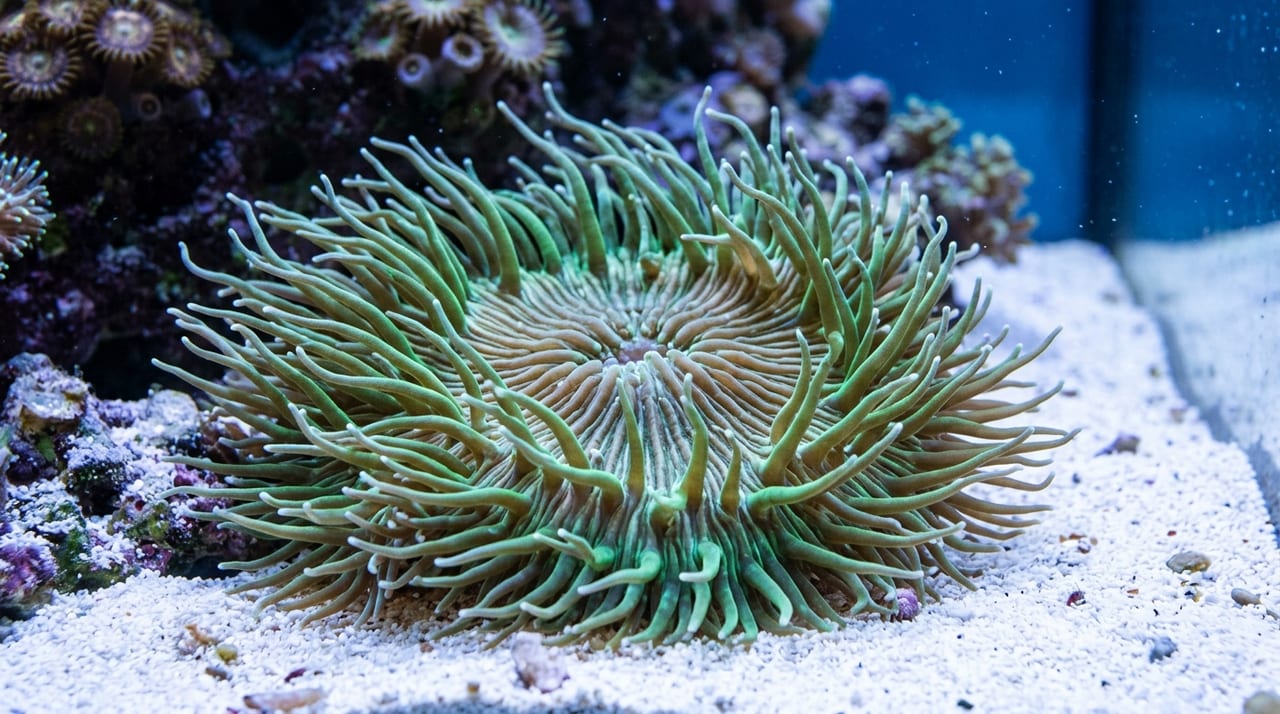
Automating coral tanks: Apex/GHL controllers, auto-dosing, pH/ORP monitoring, and alert configuration.
Managing a coral tank involves daily measurements and dosing that can be a significant burden for busy aquarists. Recent advances in tank controllers and smart sensors have made it possible to automate many of these tasks. This article covers practical methods for implementing automation and smart monitoring for coral tanks.
Choosing a Tank Controller
Tank controllers are the core of any automation system. Here is a comparison of major products.
- Neptune Apex: The most widely used controller in North America. Connects multiple probes for pH, ORP, temperature, and salinity, with cloud-based smartphone monitoring in real time. Highly expandable with add-on modules and offers excellent programming flexibility
- GHL ProfiLux: A high-precision German-made controller popular among European reef aquarists. Particularly strong in automated KH (alkalinity) measurement and dosing integration
- Hydros Control: A relatively new brand featuring Wi-Fi connectivity and a simple app interface. Offers good value as an entry-level model with capabilities sufficient for basic automation
- Selection tips: Choose based on the number of parameters you want to automate and your budget. pH and temperature monitoring alone can be achieved with entry-level models costing 20,000-30,000 yen, while automated KH measurement and dosing control requires an investment of 100,000 yen or more
Building an Auto-Dosing System
Automating calcium, alkalinity, and magnesium additions dramatically improves water quality stability.
- Dosing pump selection: Peristaltic pumps are available from Kamoer, GHL, Jebao, and others. Choose a model with precision matching your daily dosing volume, as large errors cause water quality fluctuations
- Two-part system: The most common method, using separate pumps for calcium and alkalinity solutions. Simultaneous dosing causes precipitation, so schedule them at least 30 minutes apart
- Three-part system: Adds a magnesium solution to the two-part setup. Necessary for tanks with high magnesium consumption (mainly SPS)
- Kalkwasser auto-dosing: Dosing saturated calcium hydroxide solution linked to evaporation top-off. Simultaneously supplements calcium, alkalinity, and helps maintain pH
- Calculating dosage: Stop dosing for 2-3 days and measure the rate of parameter decline to determine daily consumption. Dividing this into 24 doses administered hourly provides stable supplementation
- Calibration: Calibrate dosing pumps monthly by measuring actual output in ml per minute. Tubing degradation gradually changes output over time
Real-Time pH and ORP Monitoring
Continuous pH and ORP monitoring is extremely effective for early detection of water quality anomalies.
- pH monitoring importance: The ideal pH for coral tanks is 8.0-8.3. Excessive CO2 accumulation can drop pH too low at night, negatively affecting SPS skeletal formation. Real-time 24-hour tracking reveals daily fluctuation patterns
- Automated pH correction: Set up automated responses when pH drops below 7.9, such as increasing kalkwasser dosing or activating a ventilation fan to expel CO2
- ORP monitoring: ORP (Oxidation-Reduction Potential) indicates the water's oxidative capacity, with 300-400 mV being ideal for coral tanks. A sudden ORP crash may indicate organic contamination or a bacterial bloom
- Probe maintenance: pH probes require monthly calibration (two-point calibration at pH 4.0 and 7.0). Store calibration fluids sealed in a cool, dark place and use within 3 months of opening. Probes last 1-2 years
- Salinity sensors: Linked with auto top-off systems to prevent salinity increases from evaporation. Ideally, the system automatically replenishes RO water to maintain specific gravity at 1.025
Alert Settings and Notification Systems
The true value of automation lies in immediate notification of anomalies.
- Temperature alerts: Push notifications to your smartphone when values exceed the set range (e.g., 24-27°C). Directly enables early detection of heater failure or chiller shutdown
- pH alerts: Trigger warnings below pH 7.8 or above pH 8.5. pH anomalies often signal other problems, making this the highest priority alert
- Water level alerts: Link with sump water level sensors to notify of abnormal drops (pipe blockage or pump failure) or rises (drainage problems or overflow)
- Power outage detection: Controllers connected to a UPS can detect and notify of power outages. This allows you to assess the situation and decide whether to rush home
- Alert hierarchy: Assigning the same priority to all alerts causes notification fatigue. Classify rapid temperature or pH changes as "urgent" and gradual changes as "caution"
- Redundancy: If your Wi-Fi router or internet connection goes down, cloud notifications will not arrive. Supplement with SMS notifications and local alarms (buzzers)
Auto Top-Off (ATO) System
An ATO that automatically replenishes evaporated water offers the best cost-to-benefit ratio of any automation.
- How ATO works: A water level sensor in the sump triggers a pump to add RO water when the level drops, minimizing salinity fluctuation
- Safety features: Always install a physical backup sensor (such as a float switch) in case the primary sensor fails. Excessive top-off causes salinity drops that can be fatal to corals
- RO water tank capacity: Size the tank to cover one week of evaporation. For a 60 cm tank, 5-10 L; for a 120 cm tank, 20-40 L
- Combining with kalkwasser: Dissolving kalkwasser in the ATO reservoir simultaneously supplements calcium and alkalinity with top-off water. However, large doses of concentrated kalkwasser spike pH, so configure for slow, small-volume additions
Step-by-Step Automation Implementation and Costs
Gradual implementation keeps initial costs down while delivering tangible benefits.
- Step 1 (Budget: 10,000-20,000 yen): Install an ATO system. The single most impactful upgrade that dramatically reduces daily effort
- Step 2 (Budget: 20,000-50,000 yen): Add dosing pumps. Automated calcium and alkalinity dosing stabilizes water quality
- Step 3 (Budget: 30,000-100,000 yen): Add a controller and pH probe. Real-time monitoring and alerts provide substantial peace of mind
- Step 4 (Budget: 100,000+ yen): Full system integration (automated KH measurement, ORP monitoring, lighting control, flow control). At this level, routine tasks are reduced to weekly water changes and visual inspections
Find Corals for Your Automated Tank on BriChoku
On BriChoku, you can purchase corals directly from breeders who manage their tanks with automated systems. Many breeders use controllers and dosing systems, so asking about their automation know-how at the time of purchase is highly recommended. Set up a stable environment, then find your ideal coral on BriChoku.