跳轉到主要內容鳥類發布日期: / 已更新: | ✍️ BreederDirect編輯部
虎皮鸚鵡繁殖入門指南|配對形成到雛鳥獨立飛行
講解虎皮鸚鵡的繁殖方法。涵蓋配對條件、巢箱設置、抱卵管理、產卵前兆與卵堵塞(卵閉塞)的預防準備、發情控制,以及通過人工餵食進行雛鳥育成的方法,為計劃進行繁殖的飼養者整理要點。虎皮鸚鵡在中型鸚鵡中以相對容易繁殖而聞名。溫和的性格和高度的適應力是初次嘗試繁殖的飼養者的有力助手。
要點總結
講解虎皮鸚鵡的繁殖方法。涵蓋配對條件、巢箱設置、抱卵管理、產卵前兆與卵堵塞(卵閉塞)的預防準備、發情控制,以及通過人工餵食進行雛鳥育成的方法,為計劃進行繁殖的飼養者整理要點。虎皮鸚鵡在中型鸚鵡中以相對容易繁殖而聞名。溫和的性格和高度的適應力是初次嘗試繁殖的飼養者的有力助手。
虎皮鸚鵡在中型鸚鵡中以相對容易繁殖而聞名。溫和的性格和高度的適應力是初次嘗試繁殖的飼養者的有力助手。只要布置合適的環境,掌握基本知識,一定能體驗到養育健康雛鳥的喜悅。本文將從配對形成到雛鳥獨立飛行,逐步講解繁殖的全過程。
虎皮鸚鵡繁殖時間表
| 工序 | 時期·預期時間 |
|---|
| 繁殖適齡 | 出生後1歲半~2歲以上 |
| 產卵 | 每隔1天產1個·共4~6個 |
| 抱卵期間 | 約18~21天(公鳥和母鳥輪流) |
| 檢卵(確認有受精卵) | 產卵後約1週 |
| 巢上提取(手養化) | 孵化後2~3週 |
| 離乳·獨立 | 出生後6~8週 |
配對條件|選擇成熟的健康個體
繁殖的成敗在配對選擇階段就基本決定了。第一步是耐心地篩選符合條件的個體。
年齡與性成熟
公鳥和母鳥都應在出生後1歲半~2歲以上才進行繁殖。性成熟本身來得更早,但過年輕的個體進行繁殖會給身體帶來負擔,容易產生無受精卵或雛鳥發育不良。充分成熟的個體體力和免疫力都很穩定,繁殖成功率更高。
健康狀態確認
繁殖前必須進行健康檢查。理想個體的條件如下:
- 羽毛整齊有光澤
- 眼睛清晰,鼻孔沒有堵塞
- 體重適中(既不肥胖也不過瘦)
- 活躍,食欲穩定
✍️
BreederDirect編輯部
BreederDirect編輯部專注於動物飼養資訊,涵蓋獸醫、繁育各領域,為新手提供淺顯易懂的指南。
在BreederDirect上尋找鳥類
直接從認證繁殖者購買
瀏覽相關商品
在BreederDirect上尋找與本文相關的鳥類商品。直接從認證繁殖者購買。
致繁殖鳥類的您
您可以將培育的個體上架至本平台。註冊與上架免費,僅在成交時收取佣金。
肥胖個體卵管脫出和難產的風險更高,所以繁殖前需要通過飲食管理調整體型。
性別辨別
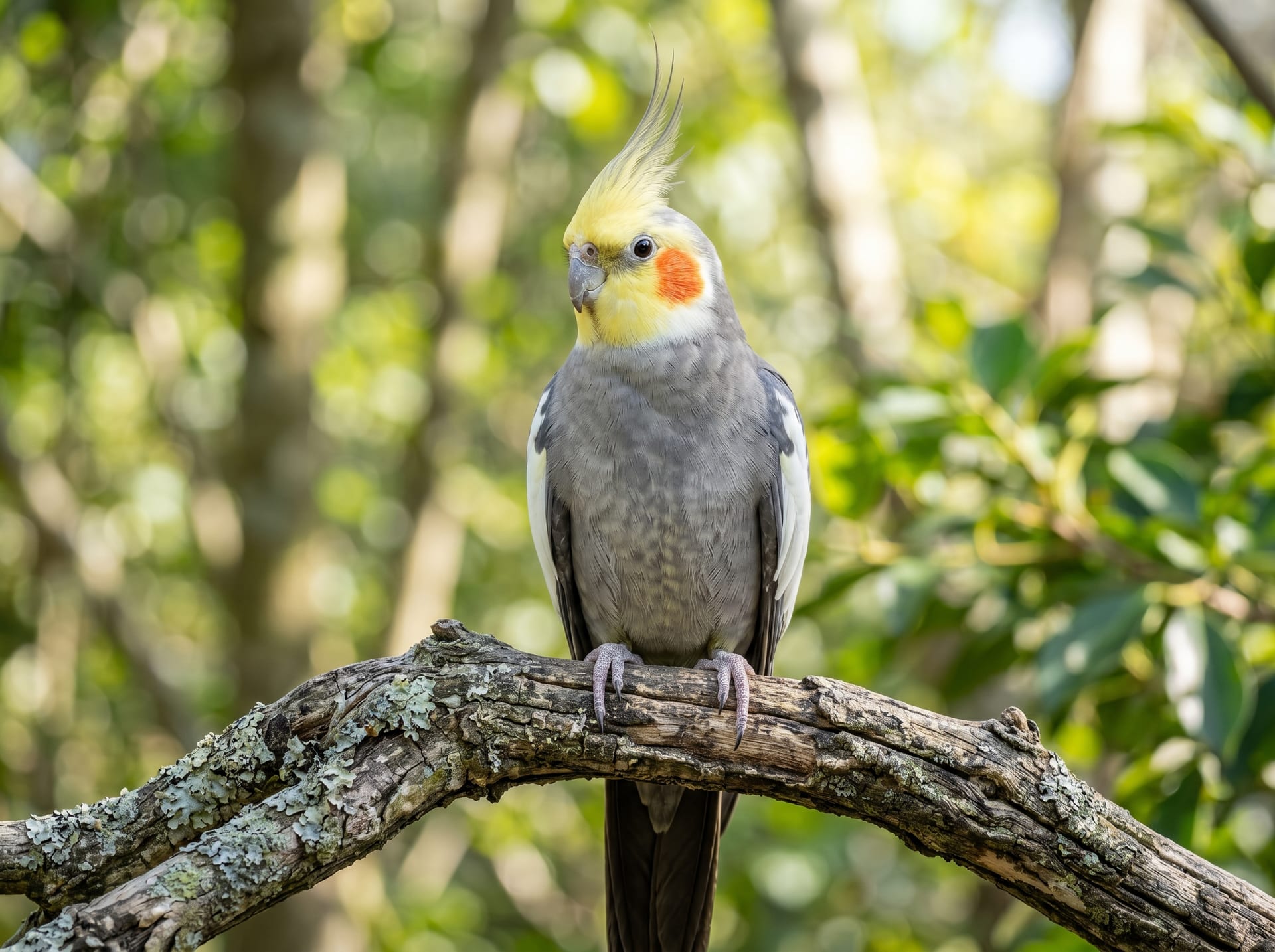
成鳥後,標準灰色羽毛的公鳥臉部呈現鮮豔黃色,母鳥臉部顏色較暗,翅膀內側有白色斑點。但路馬/花色等色系品種通過外觀很難判斷性別,強烈建議通過DNA檢測確認性別。配對錯誤會導致繁殖進展緩慢,浪費時間。
繁殖環境布置|巢箱·溫濕度·營養管理
配對完成後,接下來要布置適合繁殖的環境。即使是健康的配對,環境不當也可能無法進行繁殖行為。
巢箱選擇與安裝
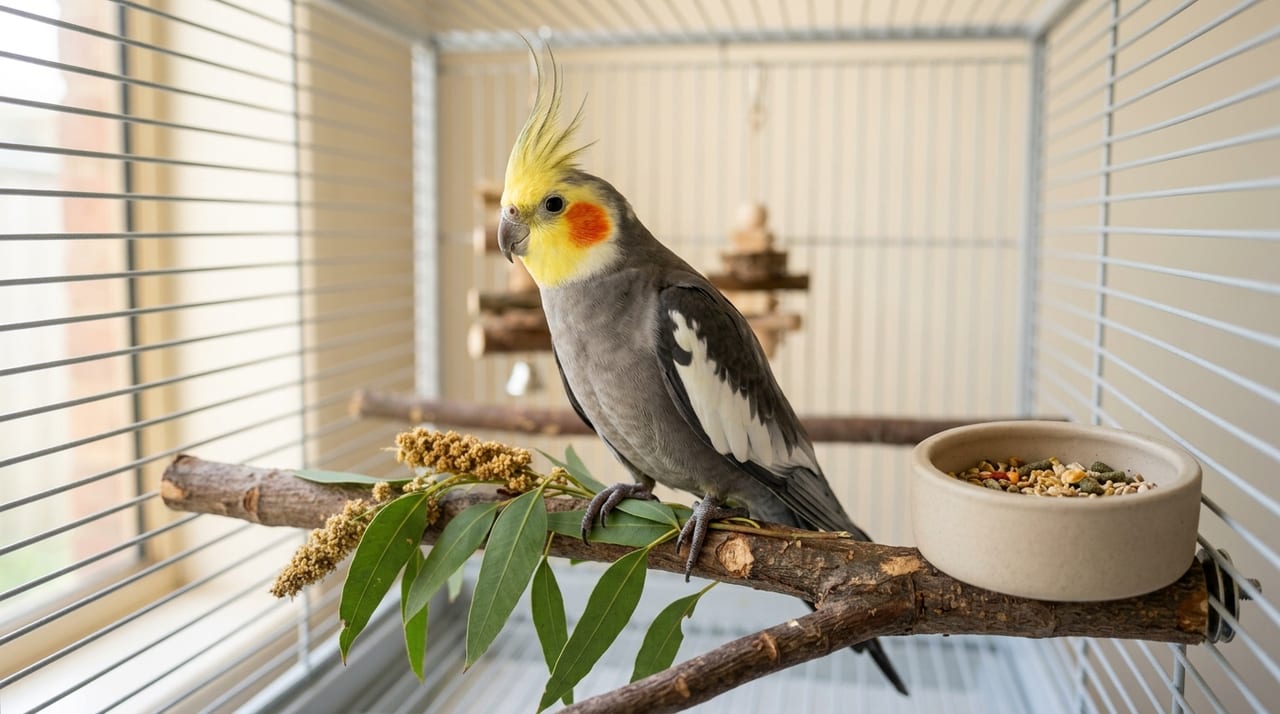
虎皮鸚鵡適合使用木製巢箱。尺寸約為寬25厘米×深25厘米×高35厘米,入口直徑7~8厘米較為適宜。底部鋪5厘米左右的木屑(闊葉樹製)或紙質墊層作為緩衝。
安裝位置應在籠子的高處。虎皮鸚鵡將高處視為安全的巢穴,如果安裝在低處容易不安,導致不產卵。另外,將巢箱入口設置在人的視線之外,親鳥會更放心地進行抱卵。
溫濕度管理
繁殖期的室內環境應維持在溫度25~28℃·濕度50~60%。特別是孵化前後的濕度管理對防止卵乾燥很重要。過於乾燥會降低孵化率,所以要安裝濕度計,養成每日確認的習慣。
繁殖飼料·營養補給
繁殖期需要比平時更多的能量和營養。以飼料為主食的同時,補充以下營養會提高繁殖成功率:
- 鈣質來源:骨粉、墨魚骨(對產卵和骨格形成必不可少)
- 蛋白質:煮蛋黃、Nekton-S等補充劑
- 蔬菜:小白菜、小松菜(葉酸·維生素補給)
抱卵與孵化|靜靜觀察親鳥的工作
產卵開始後,需要靜靜觀察。過於頻繁地靠近籠子或翻看巢箱會給親鳥帶來壓力,導致棄卵。
產卵節奏與卵數
母鳥每隔1天產1個卵,通常共產4~6個。最後一個卵產下後才開始正式抱卵,這樣可以使雛鳥在大約同時期孵化。
抱卵期間與分工
抱卵期間約18~21天。虎皮鸚鵡的特點是公鳥和母鳥輪流抱卵,通常公鳥負責白天,母鳥負責夜間。雙親協力養育的景象是虎皮鸚鵡繁殖的魅力之一。
有受精卵與無受精卵的確認可以在產卵後1週時用小型燈光照射進行「檢卵」。看到血管就是有受精卵的標誌。但檢卵要謹慎進行,避免冷卻卵,盡快完成。
產卵前兆與卵堵塞的預防準備
抱卵前的數天是繁殖過程中最需要注意的時期。能否讀懂這些前兆,決定了能否及早發現卵堵塞。
產卵接近時的表現
- 便便比平時大得多。產卵前的母鳥在巢內會減少排便,所以便便會一次性排出。這是最容易辨別的前兆之一
- 腹部到尾部逐漸膨脹。不用觸摸也能看出輪廓的變化
- 在巢內的時間變長,開始出現挖掘、整理床材的行為
- 體重暫時增加(如果進行日常稱重,會表現為產卵前的增加)
- 食欲或飲水量改變。母鳥可能會頻繁啃食骨粉或墨魚骨來補充鈣質
這些都是正常現象。問題在於出現產卵前兆卻遲遲不產卵的情況。
卵堵塞的警示信號(緊急)
卵堵塞會導致無法排便,短時間內鳥會迅速虛弱。出現以下症狀要視為緊急情況:
- 反覆用力但卵不出來
- 膨脹不動·身體蜷縮,無法停棲在棲木上,躺在籠底
- 食欲下降,精神不振
- 排便停止或只有少量排便
這種情況放任不管會危及生命。 絕對不要自行按壓腹部或用手指挖取。卵破裂會傷害泄殖腔,情況會更危險。立即送往能診治鳥類的動物醫院是唯一正確的做法。
在送往醫院的途中只能做的是保溫(減少體力消耗)和放在安靜的環境中。
容易導致卵堵塞的條件
已知的原因包括以下幾點。其中許多在繁殖計劃階段就能避免:
- 鈣質缺乏(卵殼形成不足,產卵時用力不足)
- 未成熟個體繁殖以及高齡個體繁殖
- 日光不足(維生素D3不足會影響鈣的吸收效率)
- 寒冷
- 運動不足
- 過度產卵(連續產卵導致體力消耗)
前一章提到的配對條件(選擇充分成熟的健康個體)和營養管理(骨粉·墨魚骨補充鈣質)同時也是卵堵塞的預防。繁殖前務必確認附近有沒有能信任的鳥類專科動物醫院。 卵堵塞是「發生後再找醫院」來不及的情況。
發情控制也是繁殖計劃的一部分
在不進行繁殖的時期如果發情持續,會導致重複產無受精卵,消耗身體,卵堵塞風險也會上升。在不繁殖的期間,通過不讓日照時間過長(夜間蓋住籠子保證充足黑暗時間)、不設置巢窩、避免過度高熱量飼料等管理方式來抑制發情。
繁殖計劃既是「產卵計劃」,也是「如何安排不產卵期間」的計劃。 母鳥終身的健康取決於這種配分。
人工餵食與手養育成|與雛鳥建立信任關係
孵化的雛鳥要養成親人的手養鳥,需要在適當的時機進行「巢上提取(人工育雛)」。這個環節可以說是虎皮鸚鵡繁殖的精髓階段。
巢上提取的時機
孵化後2~3週是提取的目標時間。過早會導致體溫調節困難,過遲會不容易親近人。當羽毛開始生長、眼睛睜開時是合適的信號。
人工餵食的方法
人工餵食使用專用粉狀飼料。用溫水(40~42℃)溶解,調整成稍稍粘稠的糊狀,用餵食勺或注射器給予。溫度過低會導致消化不良,所以每次都要確認溫度。
- 出生後2~3週:每天約5次
- 出生後4~5週:每天3~4次
- 出生後6~8週:每天2~3次(同時促進自食)
每次都要確認嗉囊是否充分膨脹、消化是否進行良好,並據此調整。
離乳與獨立
出生後6~8週時,雛鳥開始自己啄食種子和飼料。這個時期要平行進行人工餵食和自食,逐漸減少人工餵食次數。確認完全能自食後,再移到與親鳥分開的籠子裡。
BreederDirect的安心安全機制
「BreederDirect」是連接飼養者和購買者的直接交易平台。對於尋找虎皮鸚鵡手養雛鳥或繁殖配對的人來說,能從信任的飼養者直接購買的環境已經完備。
BreederDirect被選擇的理由
- 飼養者直販,可以直接了解育成環境和親鳥信息
- 購買前可以直接給飼養者留言·提問
- 能找到手養育成的雛鳥、有繁殖實績的配對等符合目標的個體
- 許多在籍飼養者都透明地公開生體狀態和健康管理歷史
想開始繁殖但不知道該選哪種個體?在BreederDirect的飼養者那裡也能諮詢找到理想的個體。從值得信任的相遇開始,開啟與虎皮鸚鵡長期的相處之旅。