Top 5 undertank heaters for reptiles and small animals.
要點總結
Top 5 undertank heaters for reptiles and small animals.
Panel heaters are one of the most fundamental heating tools in reptile husbandry. Unlike overhead basking lamps or ceramic heat emitters, under-tank heaters (UTHs) warm the substrate from below, mimicking the sun-warmed ground that reptiles and small animals rely on for thermoregulation in the wild. Used correctly, they form the backbone of a reliable thermal gradient — the single most important environmental factor you can provide for a cold-blooded animal.
This guide covers the top five panel heaters available in Japan for 2026, along with everything you need to know about installation, safety, and pairing them with a thermostat.
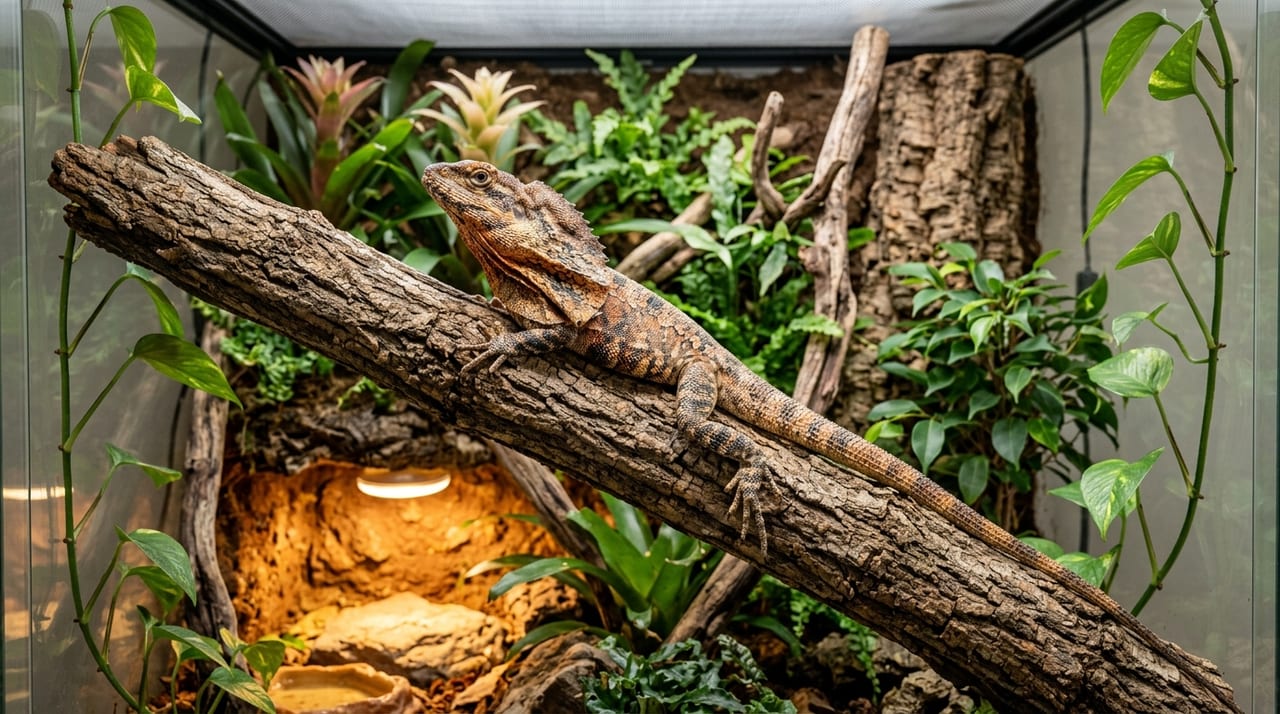
Reptiles are ectotherms: they cannot generate body heat internally and must move between warmer and cooler zones to regulate their core temperature. A panel heater placed under one-third to one-half of the enclosure floor creates exactly this gradient. The heated side reaches your target belly warmth (typically 28–35°C depending on species), while the unheated side stays cooler, giving the animal autonomy over its own thermal comfort.
This bottom-up heat also aids digestion. Many keepers discover that animals fed in cooler enclosures struggle to process food — a warm substrate directly under the gut dramatically improves digestive efficiency.
The industry standard for Leopard Gecko and Crested Gecko keepers. The Pitari Tekion Plus #2 delivers a stable surface temperature of approximately 42°C and fits perfectly under a 30 cm enclosure. Its slim profile means almost no elevation, and the self-adhesive backing keeps it flush against glass or plastic. For beginners setting up their first leo enclosure, this is the default recommendation. Combine it with a simple dial thermostat to prevent overheating.
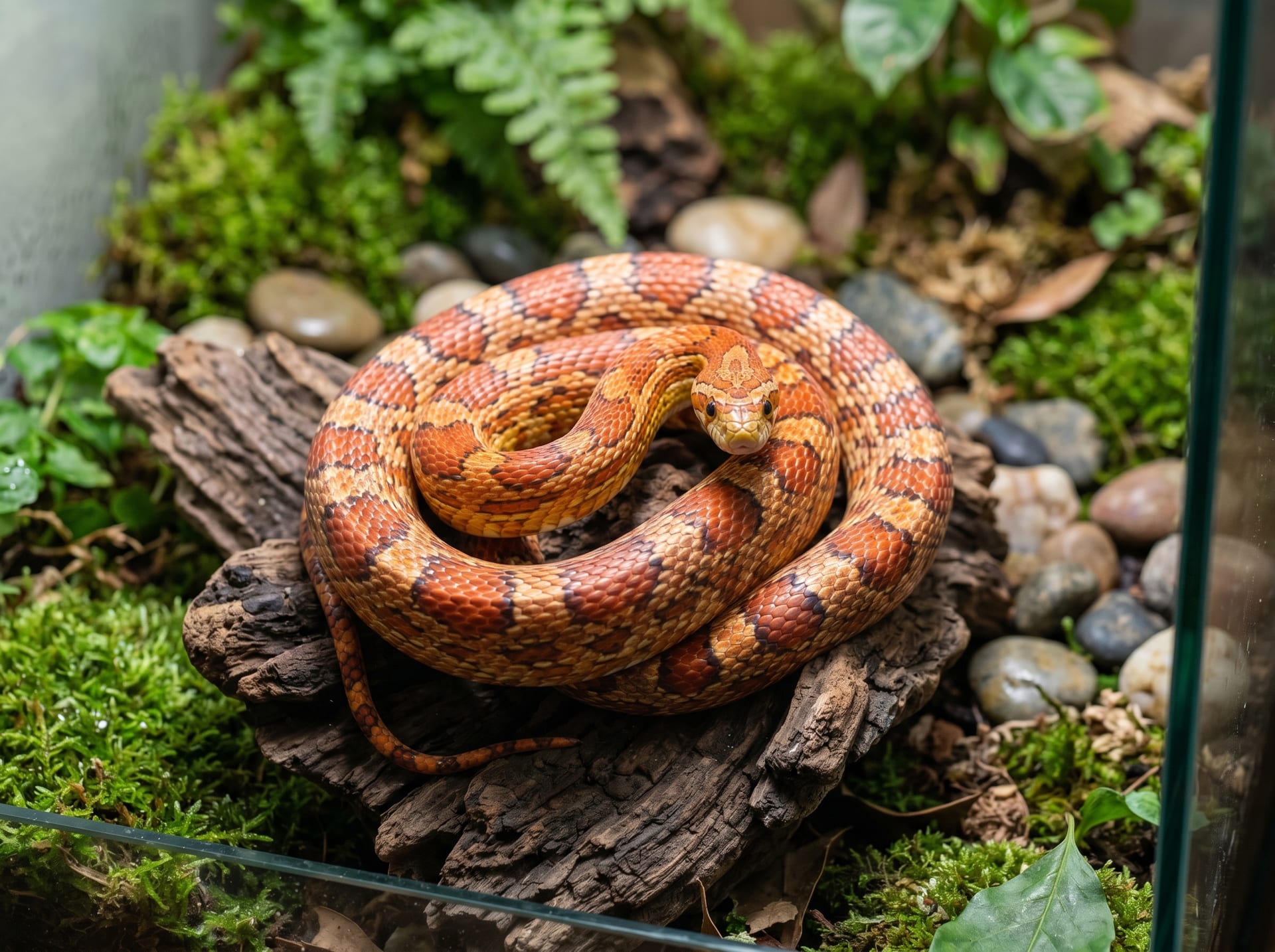
If you want built-in temperature control without purchasing a separate thermostat, the Vivaria Multi Panel Heater is worth the premium. Its integrated dial adjusts output between 25–45°C, and at 16W it has enough power to handle 45–60 cm enclosures. The wider heating surface distributes warmth more evenly than smaller pads. Ideal for Ball Pythons, Corn Snakes, and medium-sized gecko species.
GEX's budget entry is a solid performer for nano enclosures and quarantine tubs. The slim, flexible design slides under most setups without lifting the enclosure, and its waterproof construction means spills and high-humidity setups pose no risk. Output is modest — best suited for 20–30 cm containers — but for small juvenile animals or temporary housing, it punches above its price point.
Designed to complement Exo Terra's line of glass terrariums, this mat maintains a stable and even surface temperature across its full area. Because it lacks an integrated thermostat, pairing it with an external unit is strongly recommended — glass terrariums retain heat differently than plastic tubs, and ambient conditions can cause surface temperatures to creep higher than expected. Once dialed in with a thermostat, it performs reliably for tropical lizards and snakes.
The Dantotsu is a ceiling-mount radiant panel rather than an under-tank mat, making it unique in this lineup. It warms the entire enclosure space from above through radiant infrared heat, ideal for arboreal species like Day Geckos or Chameleons that rarely use the floor. When combined with a floor-level heat mat, you can engineer a true three-dimensional thermal gradient — warm air column above, warm substrate below. The higher price reflects this dual-function capability.
Always place outside the enclosure — never inside where an animal could press against it directly. Under-tank placement on glass or plastic is the standard method. Leave 1–2 cm of clearance on all sides to prevent heat buildup.
Cover only one-third to one-half of the floor area. A reptile with no cool zone is a stressed reptile. Animals that cannot thermoregulate freely are at constant risk of overheating, dehydration, and immune suppression.
Panel heaters without thermostats are fire hazards and animal welfare risks. All five models above should be used with either an on/off thermostat (for basic regulation) or a proportional thermostat (for precision). Place the temperature probe on the substrate surface above the heater — not on the heater itself — to get an accurate reading of what your animal actually feels.
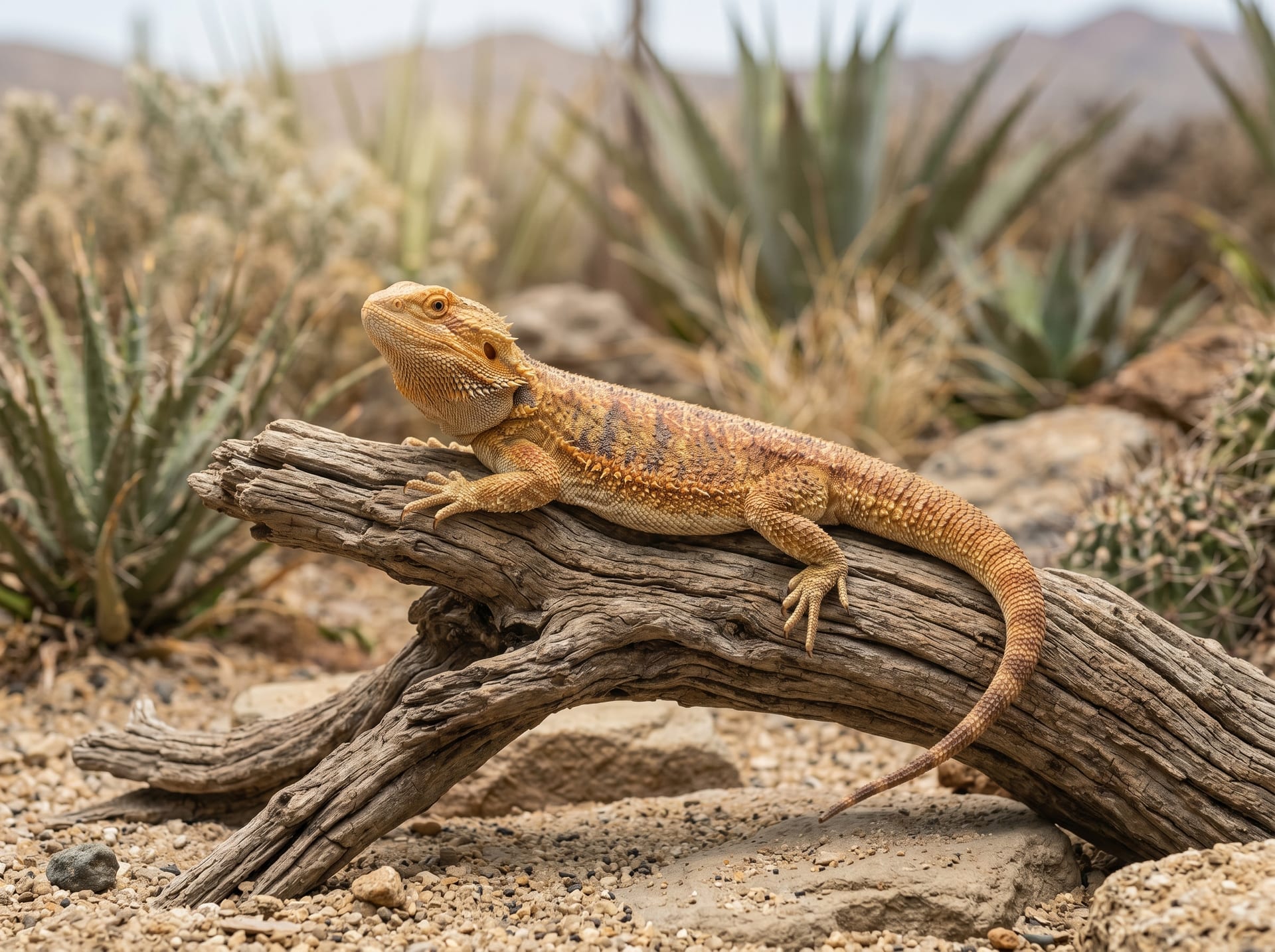
Target substrate temperatures by species: Leopard Geckos prefer 28–32°C belly warmth; Ball Pythons do well at 30–33°C; Bearded Dragon supplemental floor heat sits around 30°C. Always verify with an infrared thermometer after setup before introducing your animal.
A panel heater is a long-term investment in your animal's health. Spending an extra ¥1,000–2,000 on a quality unit with a reliable thermostat is far cheaper than a veterinary visit for a reptile with chronic digestive issues or temperature-related illness. Start with the Pitari Tekion Plus #2 for small setups, step up to the Vivaria 16W for medium enclosures, and consider the Dantotsu if you keep arboreal species. Whichever you choose, measure, monitor, and adjust — and your reptile will thrive.
Reptile Temperature Calculator
View basking, cool-side, night temps, humidity & UVB requirements by species
Morph Genetics Calculator
Calculate morph breeding outcomes for leopard geckos & ball pythons
Breeding Calendar
Visual monthly breeding season guide for each species
Feeding Guide
Check feeding frequency, portion sizes & supplements by species and growth stage