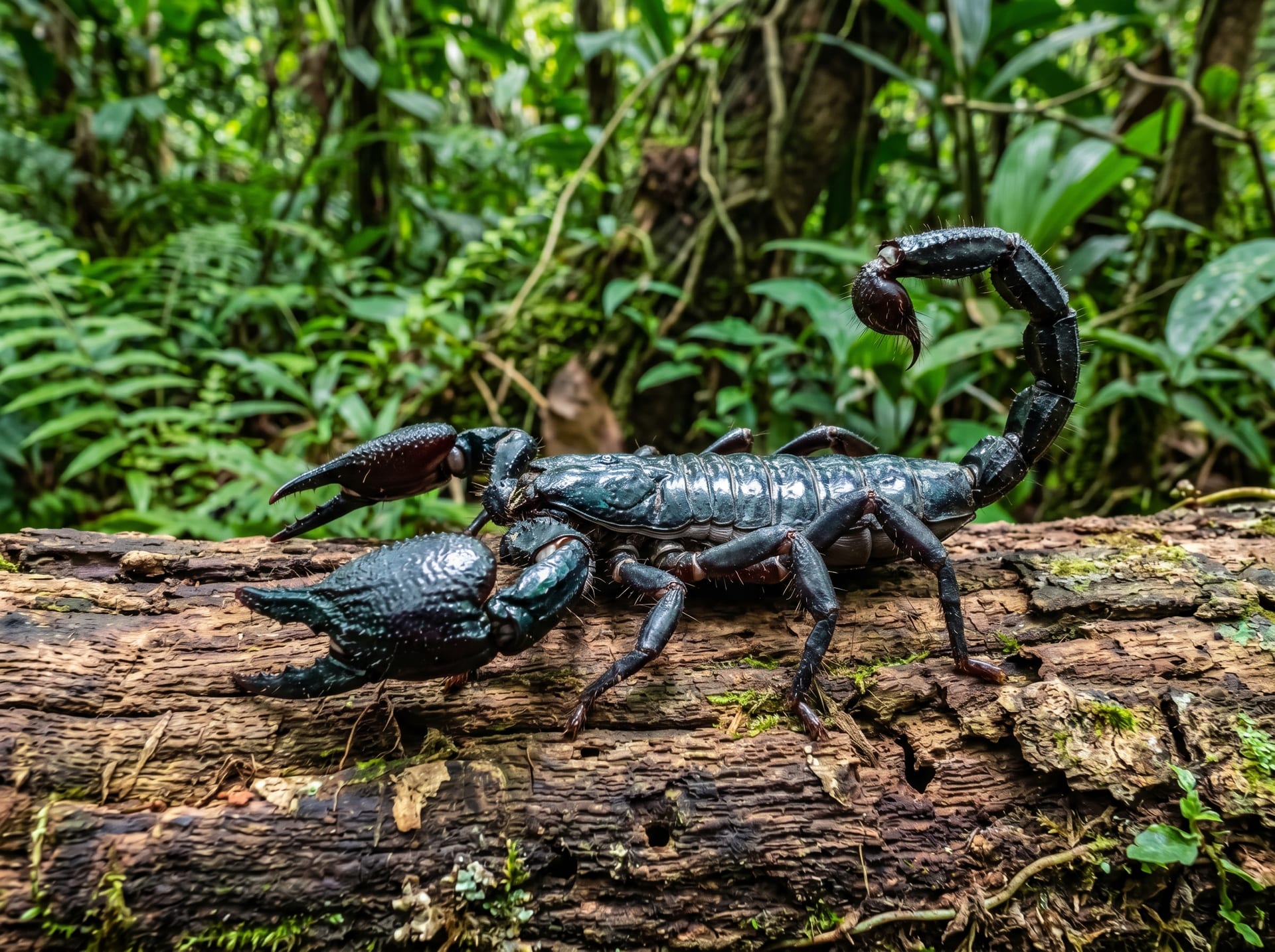
Scorpions are ancient, fascinating arthropods prized by exotic pet enthusiasts for their striking silhouette and prehistoric presence. They are solitary by nature and best enjoyed as display animals rather than hands-on pets. With the right setup, many species are quite hardy and can be a rewarding first invertebrate for curious keepers.
前3笔销售免佣金!在2026年7月31日前注册为繁殖者,前3笔销售免佣金!
繁殖者 招募中!
在BreederDirect发布商品,直接销售给全国客户!
刊登奇虫时,繁殖者会明示以下信息。我们保证成长阶段与繁殖配对的透明性。
价格区间
地区
属性
Scorpions are among the oldest terrestrial arthropods on Earth, with origins tracing back to the Silurian period approximately 430 million years ago. Today, over 2,000 species inhabit tropical and arid regions across the globe, demonstrating remarkable adaptability to diverse environments. Their iconic silhouette — powerful pincers at the front and a venomous tail curving overhead — has remained virtually unchanged for hundreds of millions of years. In captivity, observing their nocturnal behavior and predatory instincts up close is a uniquely rewarding experience. Because venom potency, required habitat, and body size vary widely between species, selecting the right match for your lifestyle is essential. A keeping style centered on observation rather than handling offers deep satisfaction for those who enjoy quietly connecting with the natural world.
1Venom Varies by Species
All scorpions possess a venomous stinger, but toxicity varies greatly between species. Commonly kept species like the Emperor Scorpion or Asian Forest Scorpion have relatively mild venom, though stings can still cause pain and swelling. Always research the specific species' venom potency before purchase and know basic first-aid steps in case of a sting.
2Escape-Proof Housing Is a Must
Scorpions are skilled escape artists that can squeeze through surprisingly small gaps, so a terrarium with a secure, locking lid is essential. Ventilation is important, but mesh with large openings can snag claws and allow escapes. Place the enclosure in a stable, low-to-the-ground location and keep the room secure in case of an unexpected escape.
3Temperature and Humidity Are Critical
Ideal conditions differ by species — tropical scorpions generally thrive at 25–30°C with 60–80% humidity, while desert species require much drier conditions. Incorrect humidity can cause molting problems or even death. Place a thermometer and hygrometer inside the enclosure and adjust conditions seasonally.
4Never Disturb a Molting Scorpion
Scorpions molt as they grow, and during and immediately after molting their exoskeleton is extremely soft and vulnerable. Handling or feeding during this period can cause fatal injuries. Once molting begins, remove any live prey from the enclosure and leave the animal undisturbed for several days until the new exoskeleton hardens.
5Live Prey Is the Standard Diet
Scorpions are predators that respond to movement, so live feeders such as crickets or Dubia roaches are the standard diet. Adults typically eat once or twice a week, though appetite varies by individual and season. Remove any uneaten prey the following day, as live insects left overnight can bite and injure a resting scorpion.
6Handling Carries Real Risk
Scorpions will sting when stressed, and a raised tail (telson) is a clear warning sign. If you must move one, use thick gloves or carefully corral it into a plastic cup with a lid rather than picking it up bare-handed. Approach scorpion keeping with the mindset that observation, not handling, is the primary enjoyment.
7Co-housing Risks Cannibalism
Solitary housing is strongly recommended for scorpions. Even within the same species, a larger individual may cannibalize a smaller one if space and hides are insufficient. If co-housing for breeding, keep the pairing brief and separate the individuals promptly after mating is confirmed. Avoid disturbing a mother while she is carrying offspring on her back.