热带鱼水槽造景素材完全指南|石头、沉木、底砂的选择和搭配
详解热带鱼水槽造景用石头、沉木、底床素材的选择和搭配方法。涵盖水质影响、自然水景的基本构图、素材护理等内容,总结打造美观水景的全面知识。造景素材决定了水族箱的整体印象 热带鱼水槽的造景会因素材的选择和布置而发生戏剧性的变化。
要点总结
详解热带鱼水槽造景用石头、沉木、底床素材的选择和搭配方法。涵盖水质影响、自然水景的基本构图、素材护理等内容,总结打造美观水景的全面知识。造景素材决定了水族箱的整体印象 热带鱼水槽的造景会因素材的选择和布置而发生戏剧性的变化。
相关品种
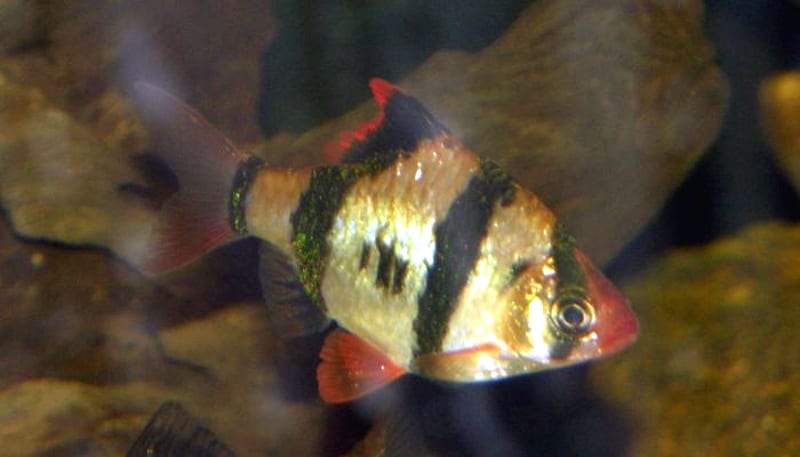
造景素材决定了水族箱的整体印象
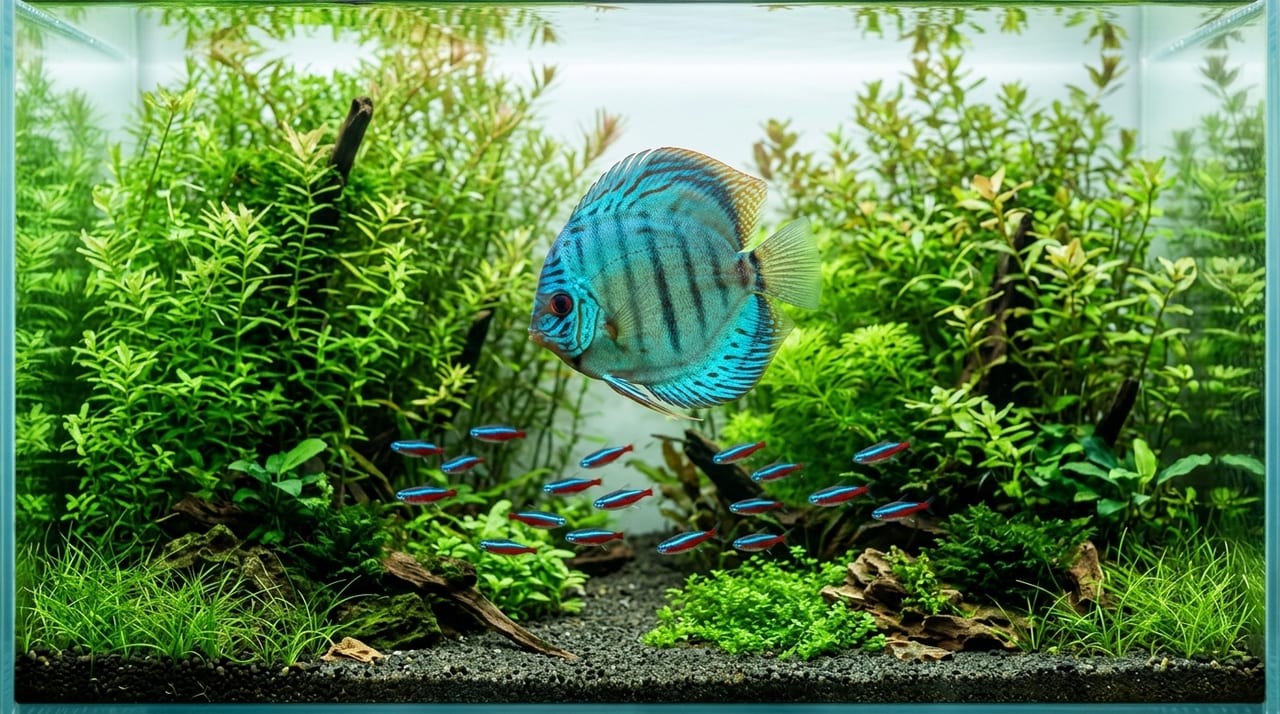
热带鱼水槽的造景会因素材的选择和布置而发生戏剧性的变化。即使是相同的水草和鱼类,仅因使用的石头或沉木不同,就可以营造出"自然溪流"的意境,也可以呈现"热带雨林水底"的景象。
但是,素材不仅仅是"装饰",它还直接影响水质(pH值、硬度)和生物的生存环境。选择与鱼种和水草相匹配的素材,是兼顾美观和生体健康的最重要因素。此外,素材之间的质感和色调搭配也对最终效果产生重大影响。与其从一开始就追求完美,不如先理解基本构图和素材特性,然后通过试验不同的组合来进步,这才是提升造景水平的捷径。
石材的种类与特点
石材是为水族造景增添硬度感和厚重感的主角素材。除了外观,石材对水质的影响也因种类而异,因此必须确认所选石材与饲养鱼种的相容性。
- 龙王石(火山岩系):具有多孔质结构,无数气泡状的孔洞有利于硝化细菌着床,能够辅助生物过滤。黑灰色调易于衬托水草的翠绿,与自然水景的搭配效果出众。对水质影响相对较小,广泛适用于喜欢弱酸性至中性的热带鱼。
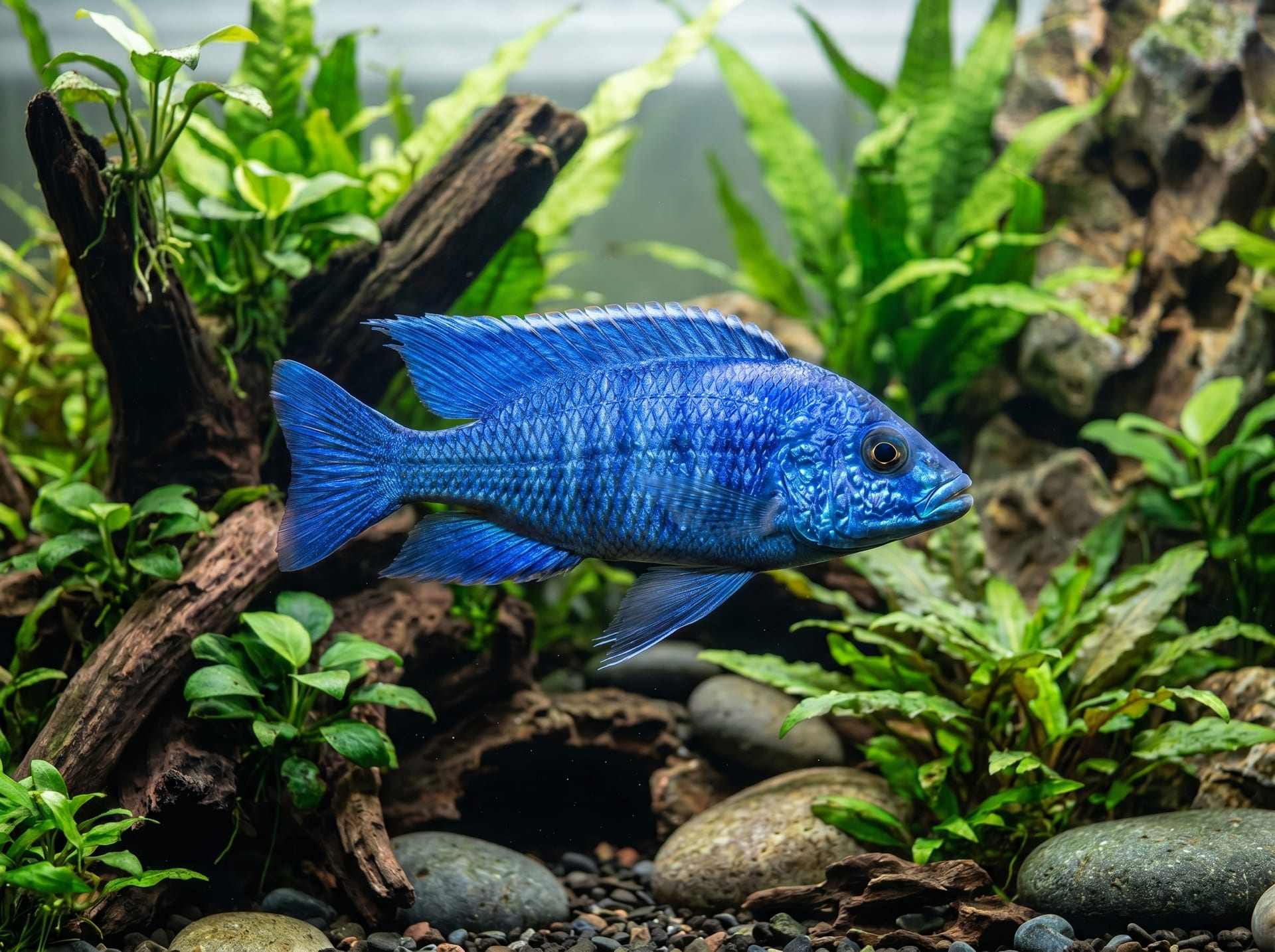
- 青华石(石灰岩系):以白灰色和笔直的裂纹为特征,常用于营造锐利、无机质感的造景。但由于会溶出钙质,pH容易升高,不适合喜欢弱酸性水质的铁皮鱼和鼠鱼等鱼种。与非洲慈鲷和贝类的相容性良好,可积极用于喜欢硬水和碱性环境的生体。
- 木化石(硅化木):是古代木材经硅酸置换而成的化石,具有温暖的茶色至红茶色调。对水质几乎没有影响,用途广泛,与沉木组合使用可增强自然感。
- 熔岩石:黑色至红茶色,表面粗糙,常用于斜坡造景和山岳系造景。硝化细菌着床率高,有利于水槽的初期建立,初学者也容易使用。
组合多块石材时,使用同类型石头的不同尺寸可以营造统一感。混合不同的石种会导致质感散乱,因此基本建议只选用一种石材。
沉木的种类与对水质的影响
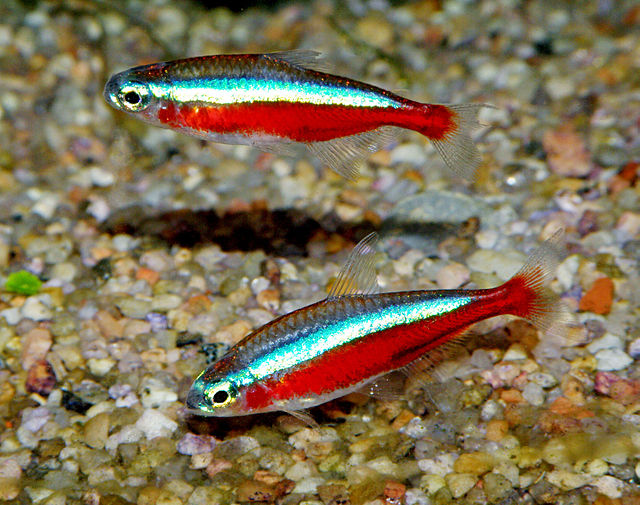
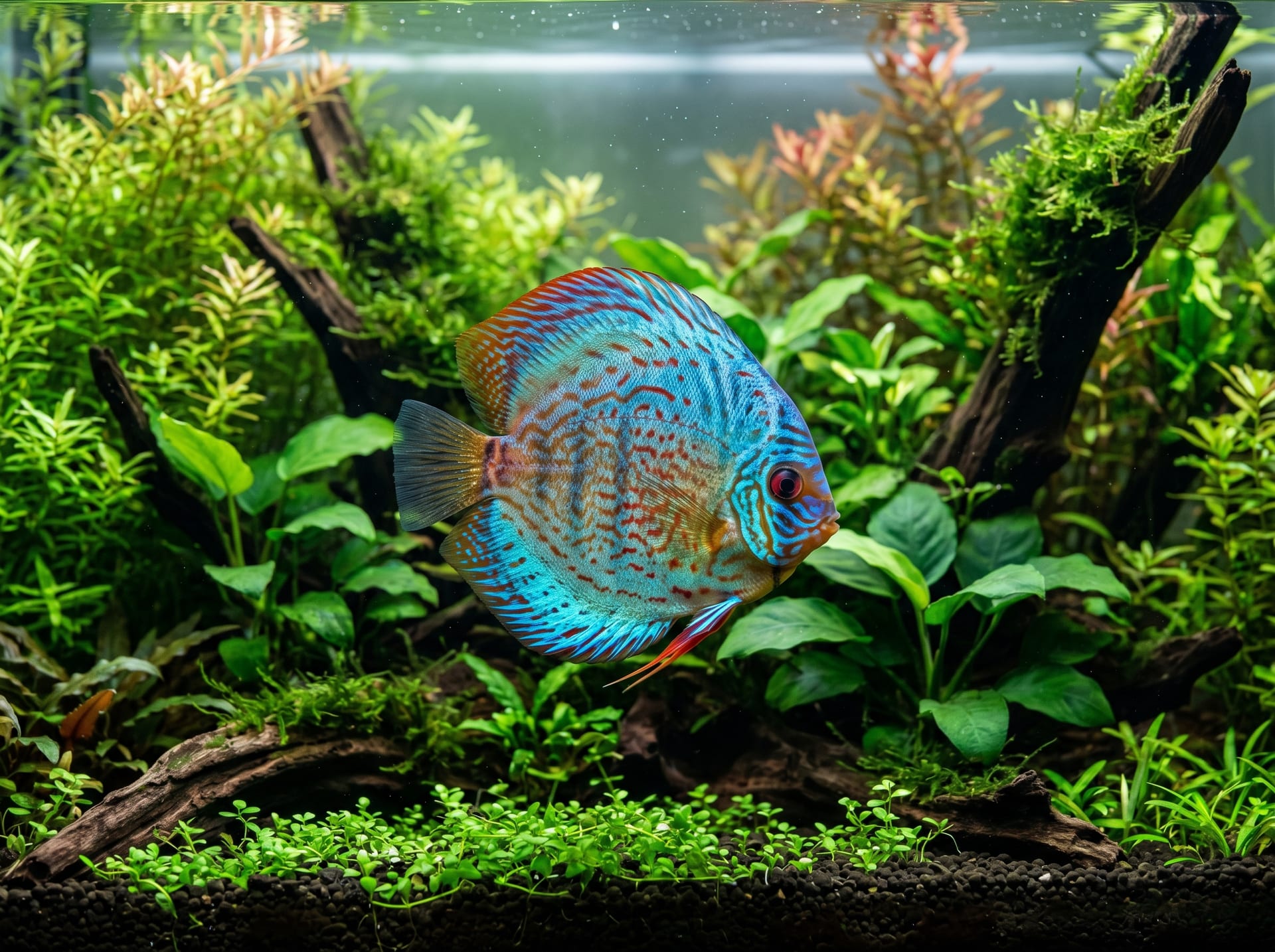
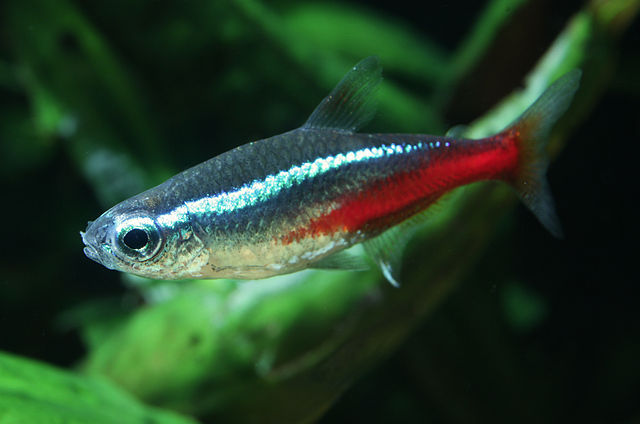
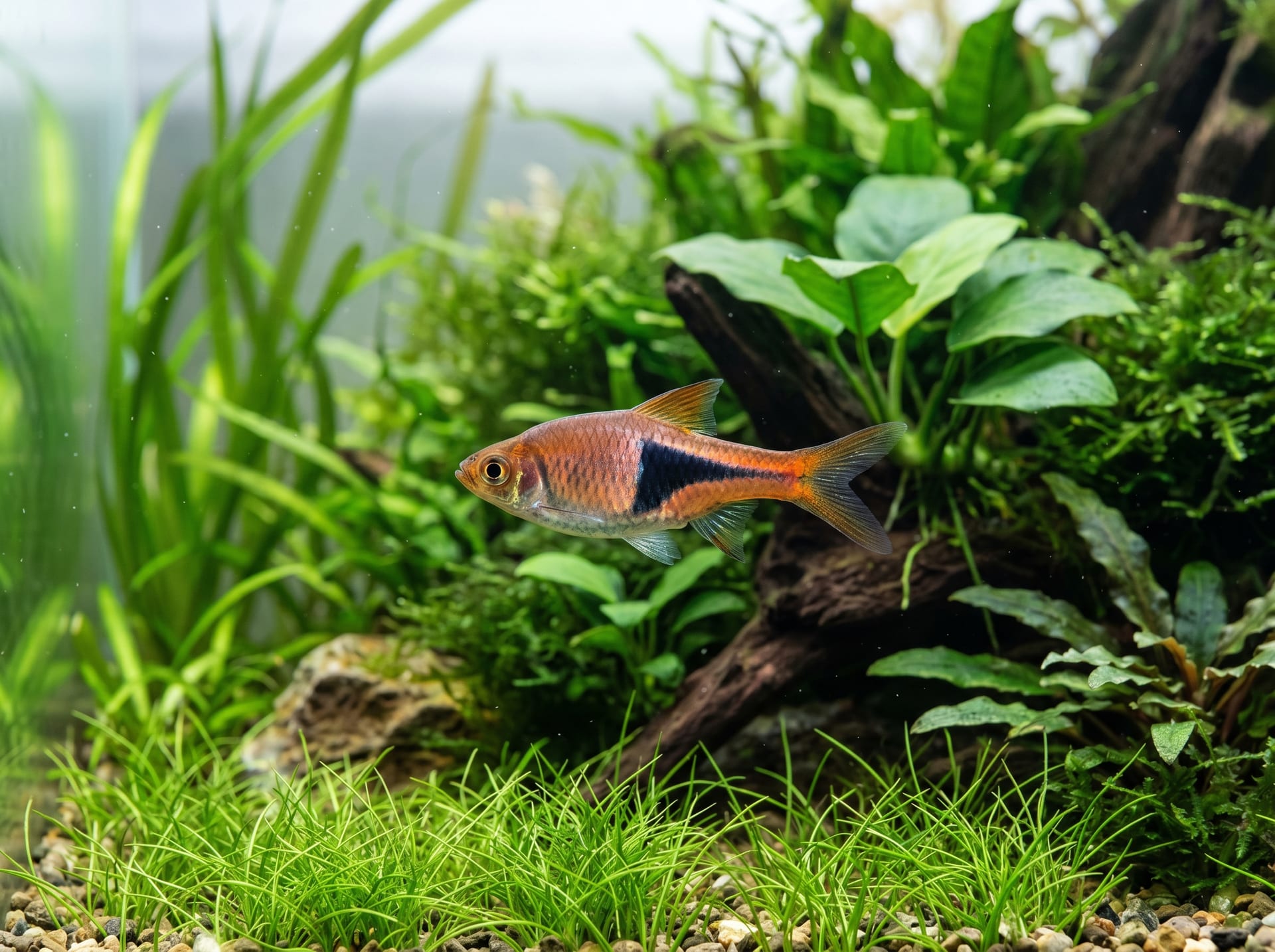
沉木是水族箱的必需素材,能将单宁酸和腐植酸溶出到水中,使水体呈现"黑水"状态。这对霓虹脂鲤、红鼻剪刀鱼、小型拉斯博拉和七彩鱼等喜欢弱酸性水质的鱼类来说是理想条件,但不适合喜欢碱性水质的鱼种。
- 枝沉木:多条细枝向不同方向延伸,最适合用于营造绑缚水草、呈现精致自然感的造景。质轻浮力大,需要用压板或钓鱼线将其固定在底砂上。
- 根沉木:粗壮的根部散发出沉稳有力的存在感,成为水槽的焦点。与石材易于搭配,在山岳溪流系造景中特别有效。
- 苏门答腊沉木:价格便宜,造型易于操作,适合初学者首次使用。许多上市产品已经过除钙处理。
使用沉木前必须进行除钙处理。将沉木浸入水中1至2周,或用锅煮沸30至60分钟。重复这个过程直至不再有褐色液体渗出为止。购买时如标注已除钙,可跳过这一步骤。若不希望沉木产生的黑水影响观赏,可使用活性炭来维持透明度。
底床素材的选择
底床需要同时考虑水草的生育环境、鱼类的生活环境和水质管理三个因素。饲养鱼类是否会啃食或钻入底砂也是重要的参考。
- 水草泥(营养型、吸附型):水草水槽的标准底床。营养型(如ADA亚马逊泥、白金水草泥)含有丰富营养,水草生长快速,但初期易因氨和营养过剩导致藻类大量繁殖,需要每天或数日换一次水。吸附型(如大师泥)优先考虑水质稳定,藻类较少出现,但需要补充营养。更换周期通常为1至2年。不适合鼠鱼等需要泥砂底的鱼类。
- 大矶砂:长期使用的标准素材。虽然砂砾系不利于水草生长,但耐久性强,可冲洗后重复使用。适用于慈鲷、金鱼、鼠鱼等多种鱼类。购买后初期含有贝壳碎片,易导致pH上升,可通过盐酸酸处理或长期水通来抑制pH上升。
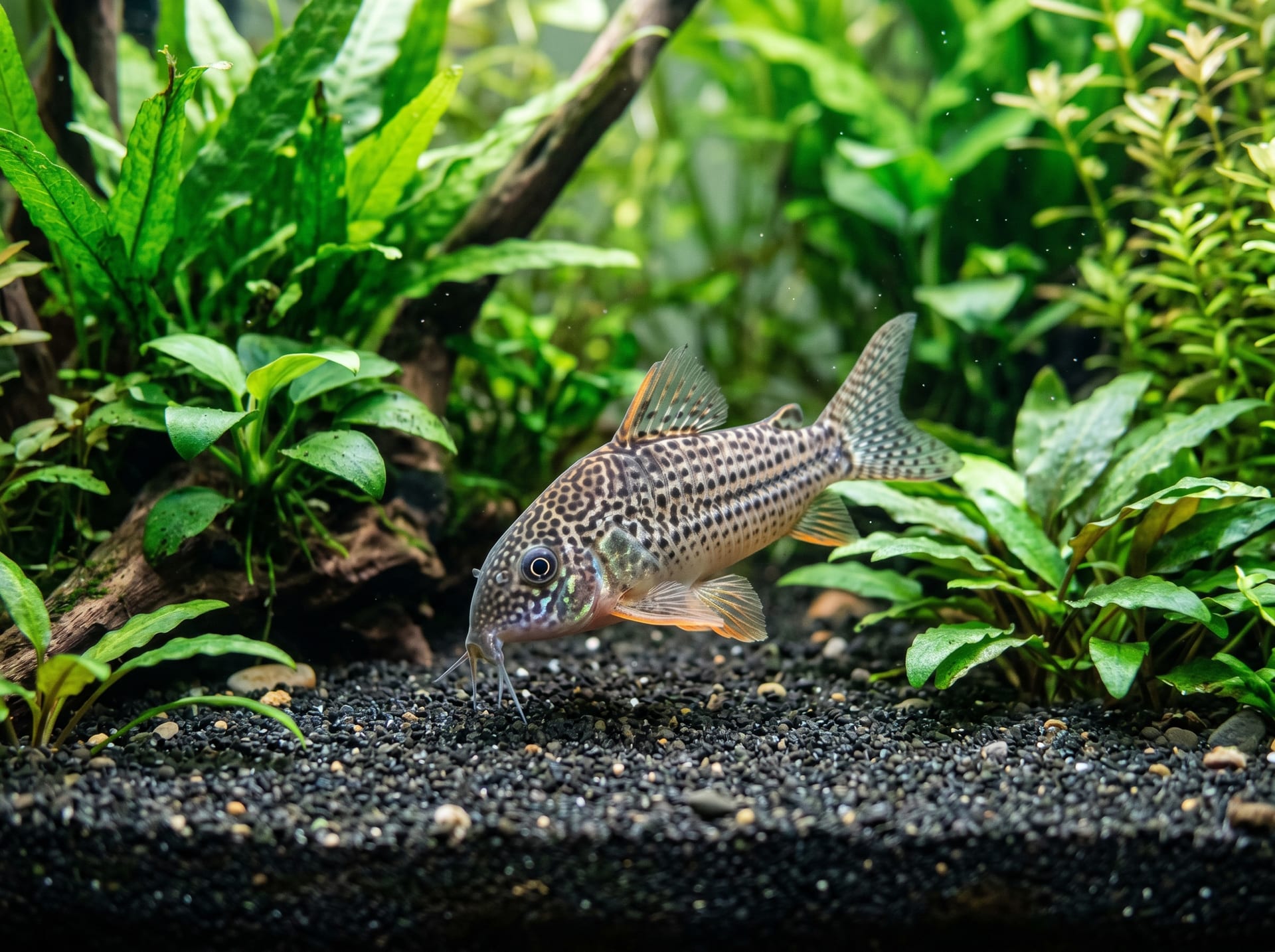
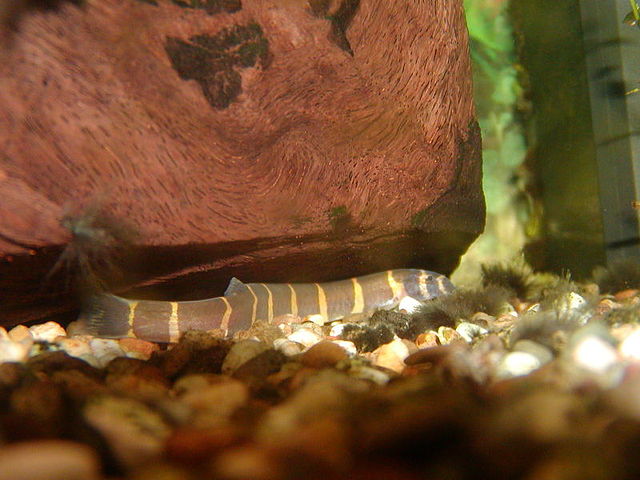
- 细底砂、田砂:粒径约0.2至0.5毫米的细粒砂,对鼠鱼、美食鳅、泥鳅等底部游动的鱼类是必需品。颗粒细小,鱼的须状物不易受伤,也可观察到鱼钻入砂中的行为。水草几乎无法生长。
- 轻石、沸石:有时与底面过滤器组合使用。对水质净化有辅助作用,但育成能力不如水草泥。
基本构图:三角形、凸形、凹形与素材布置法则
美观的造景有3种基本构图。先确定这个框架,再放置素材,就不会偏离方向。
- 三角形构图:从一侧墙壁向斜对角线提高高度,是最简单的构图。在高处集中放置石头和沉木,在低处留出空间以增加纵深感。初学者最容易操作,也适合45厘米以下的小型水槽。
- 凸形(山型)构图:中央较高,两端较低,营造出沉稳厚重感。通过后景草、中景草、前景草的高度差来增强立体感。以沉木为中心山峰,两侧放置石头是常见模式。
- 凹形(谷型)构图:两端较高,中央较低且开敞,营造纵深感和空间感。铺设沙地或小石子于中央,并创造开放的游动空间,更显自然水景特色。90厘米以上的大型水槽特别适合这种构图。
组合素材时,遵循"色调统一"、"尺寸呈现大中小变化"、"奇数个石头显得更自然"三个基本原则。此外,先放置最大的石头以确定整体构图,再用其他素材平衡布局,这是最不容易失败的方法。
素材选择的常见错误与解决方案
了解初次造景易陷入的错误,可大幅提高完成度。
- 未确认对水质的影响:将石灰岩系石头放入铁皮鱼水槽导致pH上升,鱼体状况恶化的情况非常普遍。购买前将石头浸入少量水中数日后测量pH,这是有效的简易检验方法。
- 忽视沉木固定:干燥状态下沉底的沉木,吸水后可能浮起。事先充分浸水让沉木吸足水分,如仍然浮起则用不锈钢螺丝或专用压板固定。
- 素材堆积过多:有种误解认为放入更多素材会显得豪华,结果导致水槽被石头和沉木填满。保留鱼类游动空间、水流流通空间和维护动线,才能同时实现美观性和功能性。
通过积累素材选择、布置和维护的知识,造景的完成度会稳步提高。最好的开始方式是"简单三角形构图+一种石材+一根沉木",逐步积累经验后再挑战更复杂的构图,这是最稳妥的方法。