Beginner's guide to discus fish care: water quality parameters, tank setup, feeding methods, compatible tankmates, and disease prevention for the "king of tropical fish".
要点总结
Beginner's guide to discus fish care: water quality parameters, tank setup, feeding methods, compatible tankmates, and disease prevention for the "king of tropical fish".
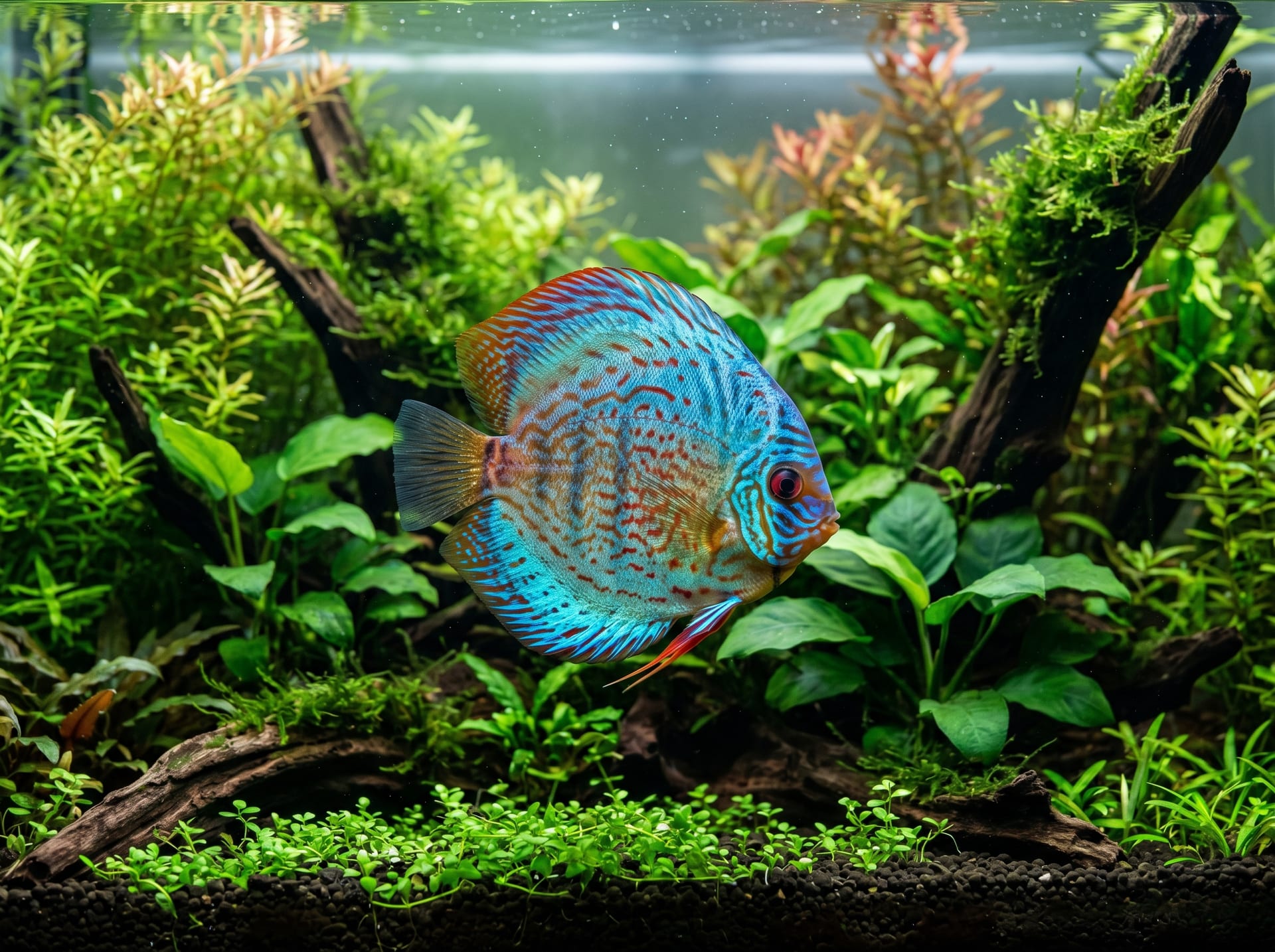
Discus are large cichlids native to the Amazon River basin in South America, beloved by aquarists worldwide as the "king of tropical fish." Their appeal lies in their distinctive disc-shaped body and the vibrant color variations created through selective breeding.
While wild-caught discus have muted brown coloration, decades of selective breeding, particularly in Asia, have produced numerous color variants including deep red, blue, yellow, and white. Highly popular varieties include "Red Turquoise," "Blue Diamond," and "Pigeon Blood"—all prized for their vivid coloration and striking patterns.
Adult discus reach 15–20 cm and their graceful schooling behavior creates a striking presence in the aquarium. However, they require advanced care skills and meticulous attention to water parameters and feeding. Beginners are likely to struggle, so it's recommended to master the basics of tropical fish keeping before attempting discus.
Discus grow quickly and should be kept in groups, so a minimum 90 cm tank (approximately 160 L) is required. Ideally, use a 120 cm tank (approximately 240 L) or larger. Smaller tanks struggle to maintain stable water parameters, leading to stress-related illness.
Filtration: Hang-on-back or canister filters are the standard choice. Since discus are heavy eaters that foul water quickly, aim for filter capacity of 3–4× the tank volume per hour. For a 160 L tank, you need at least 600 L/hour capacity. Prioritize biological filtration using porous ceramic media or biological rings.
Heater: Maintain water temperature at 28–30°C with a heater sized for your tank volume. For redundancy, use two heaters. Check the thermometer daily.
Aeration: High water temperatures reduce dissolved oxygen, so use an air pump and air stone to boost oxygen supply. This is especially critical in summer.
Bare-bottom tanks (no substrate) are standard for discus because they make waste and uneaten food easy to spot and clean. However, to improve aesthetics, add driftwood and hardy, low-light plants such as Anubias nana or microsorum.
在BreederDirect上查找Tropical Fish
直接从认证繁殖者购买
在BreederDirect上查找与本文相关的Tropical Fish商品。直接从认证繁殖者购买。
If planting live plants, use only a thin layer of substrate—about 3 cm. Clean it weekly with a substrate vacuum. Excessive substrate creates anaerobic zones, degrading water quality.
Water quality management is the most critical aspect of discus care. You must replicate and maintain the soft, slightly acidic conditions of the Amazon River.
Tap water varies by region in pH and hardness, so test it first. If pH is too high, lower it with peat moss or blackwater extract. If pH is too low, adjust with small amounts of baking soda, but avoid rapid changes.
Discus metabolism is rapid at high temperatures, so water fouls quickly. Perform 50% water changes twice weekly. Always dechlorinate new water and match its temperature to the tank—temperature differences of 3°C or more can cause shock.
During water changes, siphon waste from the bottom. In bare-bottom tanks, use a turkey baster or vacuum to thoroughly remove leftover food and feces.
Rinse canister filter media monthly with tank water only—never tap water, which kills beneficial bacteria. Squeeze sponge filters gently once weekly to prevent clogging.
Test water chemistry weekly (pH, ammonia, nitrite, nitrate). During tank cycling and after adding fish, test daily for ammonia and nitrite. Perform immediate large water changes if levels spike.
Discus are carnivorous and require high-protein diets. Combine pellets, frozen bloodworms, and frozen brine shrimp for balanced nutrition.
High-quality discus-specific pellets are available from major manufacturers. Choose formulas with color-enhancing ingredients (carotenoids, spirulina). Match pellet size to fish size—powder for fry, medium to large granules for adults.
Pellets alone sustain discus, but combining them with frozen foods improves palatability and nutrition.
Frozen bloodworms: Highly palatable, excellent for conditioning thin fish and breeding stock. High fat content fouls water if overused—limit to 2–3 times weekly.
Frozen brine shrimp: Excellent for fry growth and nutritional supplementation for adults.
Thaw frozen foods and rinse briefly in tank water before feeding. Direct feeding clouds water and degrades parameters.
Adults: Feed 2–3 times daily, only what they consume in 5 minutes. Remove uneaten food immediately.
Fry (under 5 cm): Feed 4–5 times daily in small portions. Growing fry need abundant nutrition but small meals prevent digestive problems.
Discus are shy and may not eat in a new environment. Wait 2–3 days before feeding newly added fish. Groups compete for food, making schooling discus easier to feed than solitary fish.
Discus are peaceful but territorial. Keep 5 or more together to distribute aggression and prevent bullying of individuals.
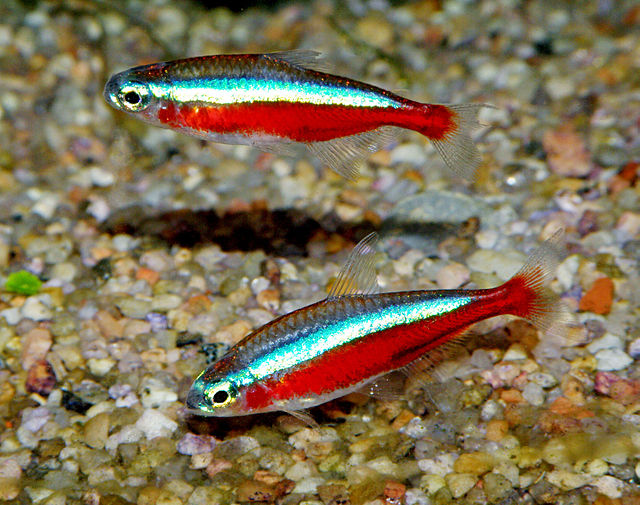
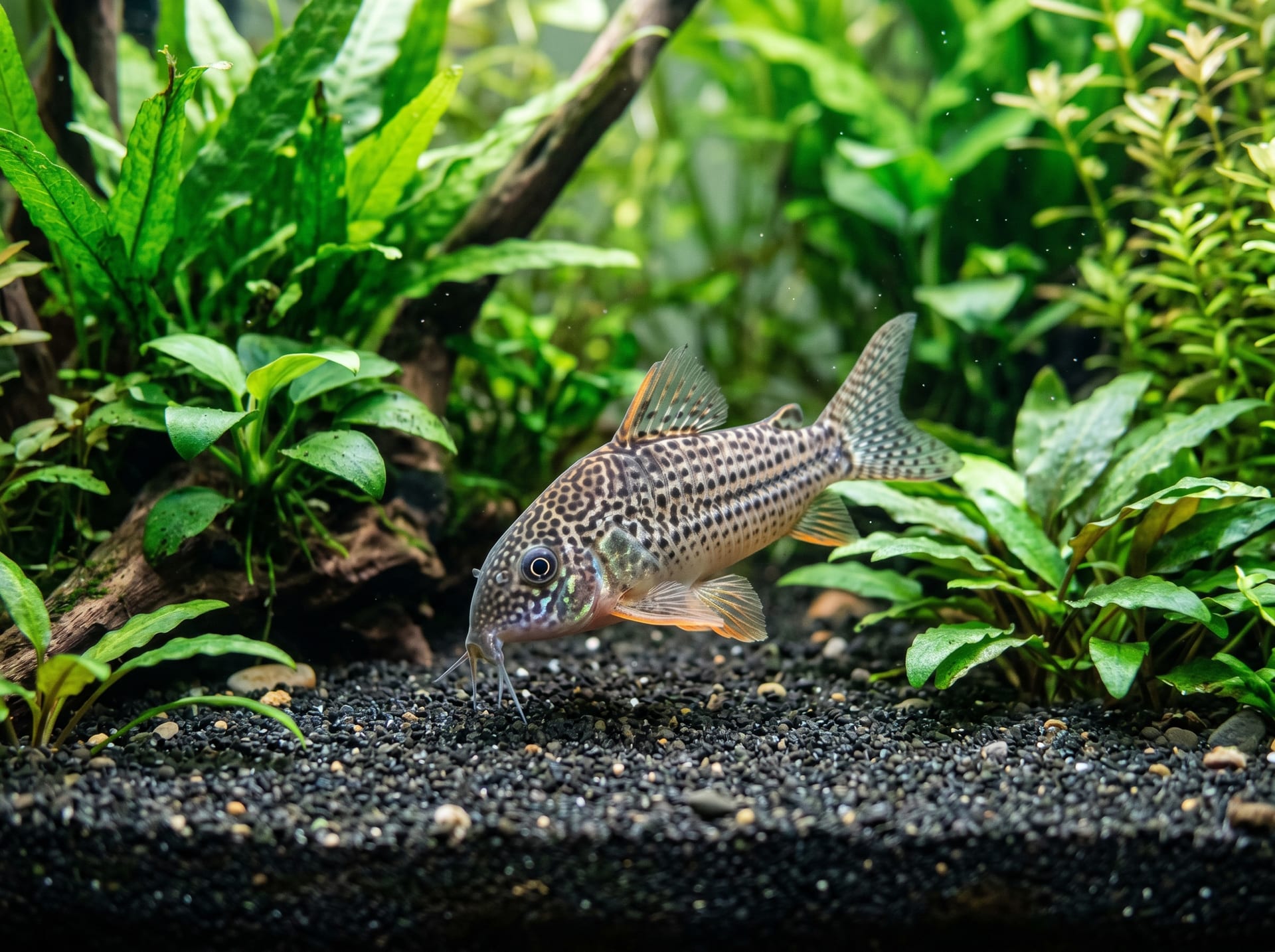
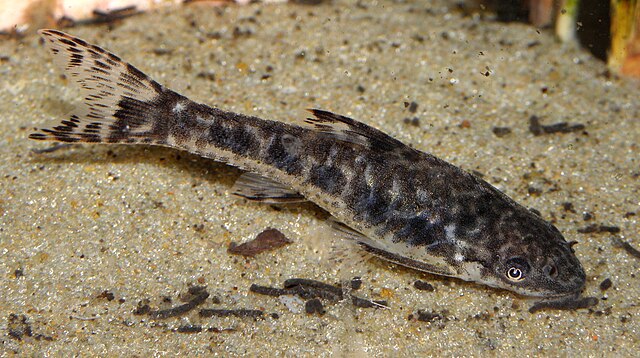
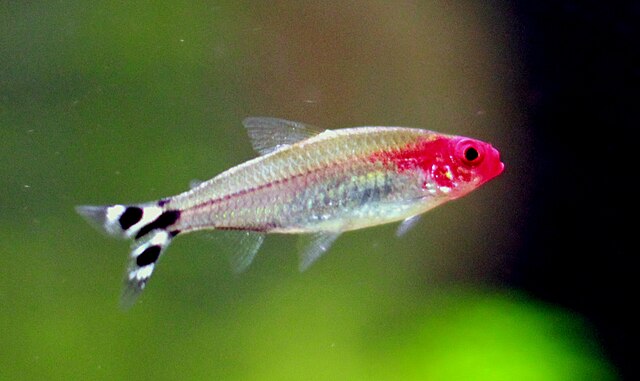
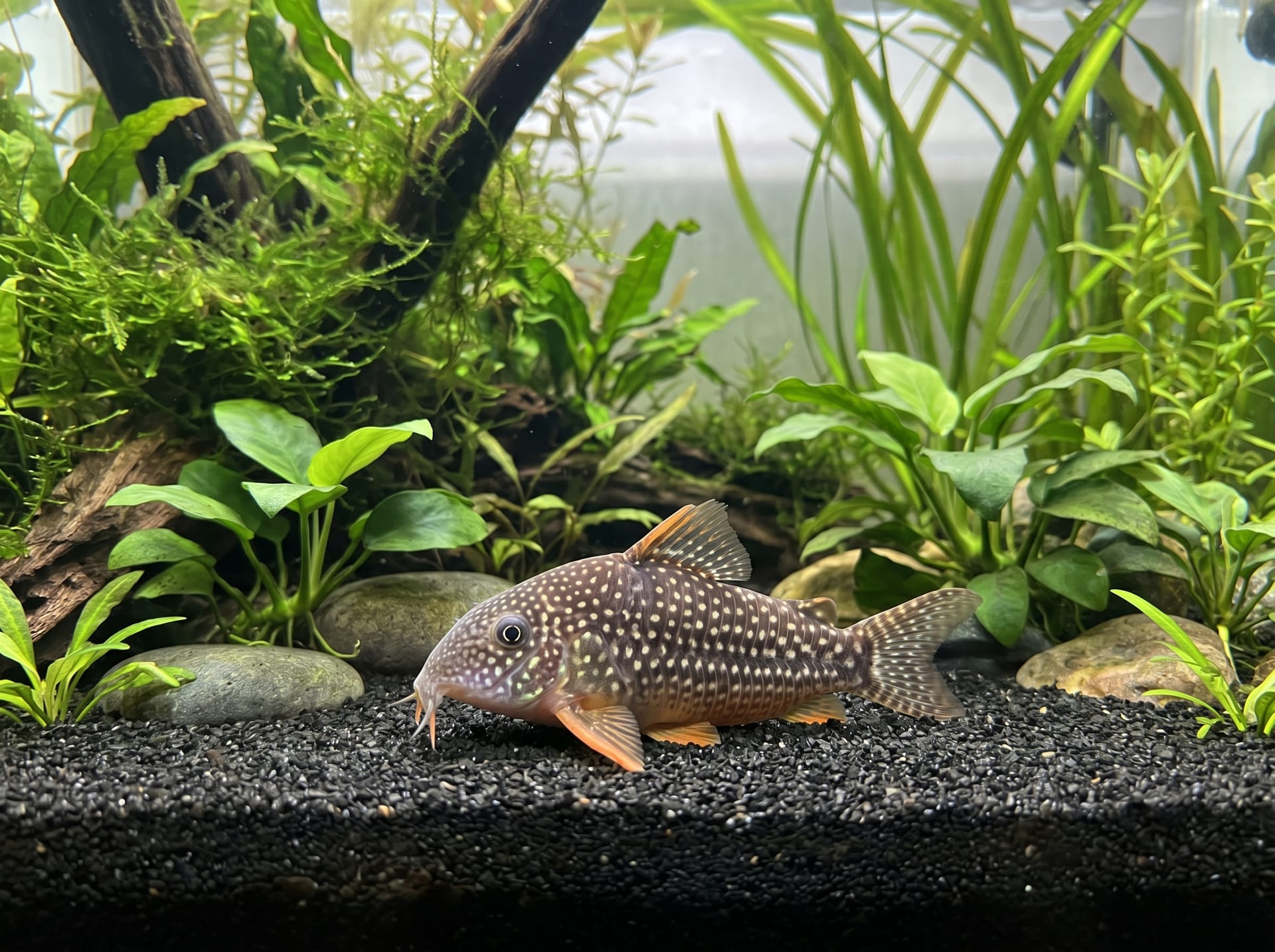
Only keep tankmates that tolerate high temperatures (28–30°C) and slightly acidic water. Cardinal tetras and rummy-nose tetras are ideal. Corydoras sterbai and otocinclus are useful algae and waste eaters if they tolerate warm water.
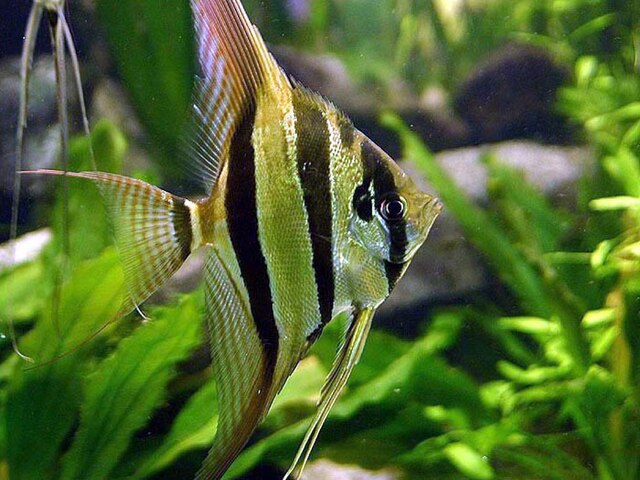
Avoid angelfish and large cichlids—their aggression stresses discus.
Ich (White Spot Disease): White spots on the body caused by parasites. Triggered by temperature fluctuations or poor water quality. Treat by raising temperature to 32°C and using medication (methylene blue).
Gill Disease: Rapid breathing and gaping gills indicate bacterial infection. Caused by poor water quality. Treat with antibiotic medication and large water changes.
Constipation: White, thin, or floating feces indicate digestive problems. Reduce feeding and fast for 2–3 days.
Prevention hinges on stable water quality and proper feeding. Quarantine new fish for 2 weeks before adding them to the main tank.
Discus care is challenging but achievable for beginners who follow the fundamentals. The most critical factor is stable water quality. Make twice-weekly water changes, regular testing, and proper filter maintenance a habit.
Next is careful feeding control. Balanced, appropriately-sized meals and prompt removal of uneaten food prevent water quality deterioration.
Finally, discus are stress-sensitive. Maintain a quiet environment, avoid sudden parameter changes, and provide adequate volume.
A tank full of beautiful discus schooling together represents the pinnacle of aquarium keeping. Use this guide to enjoy life with the "king of tropical fish."