水族馆水质检测套件使用指南|精确测量和数值读取方法
详解水族馆水质管理必需的检测套件的使用方法。介绍氨、亚硝酸盐、硝酸盐、pH、KH等主要参数的测量方法、数值读取和异常值处理方法。水质检测是水族馆管理的基础 "水槽的水看起来好像有点问题"、"鱼的状态不好但找不到原因"——这样的经历对任何水族馆爱好者来说都不陌生。即使水看起来是透明的,有害物质可能也在无形中积累。
要点总结
详解水族馆水质管理必需的检测套件的使用方法。介绍氨、亚硝酸盐、硝酸盐、pH、KH等主要参数的测量方法、数值读取和异常值处理方法。水质检测是水族馆管理的基础 "水槽的水看起来好像有点问题"、"鱼的状态不好但找不到原因"——这样的经历对任何水族馆爱好者来说都不陌生。即使水看起来是透明的,有害物质可能也在无形中积累。
相关品种
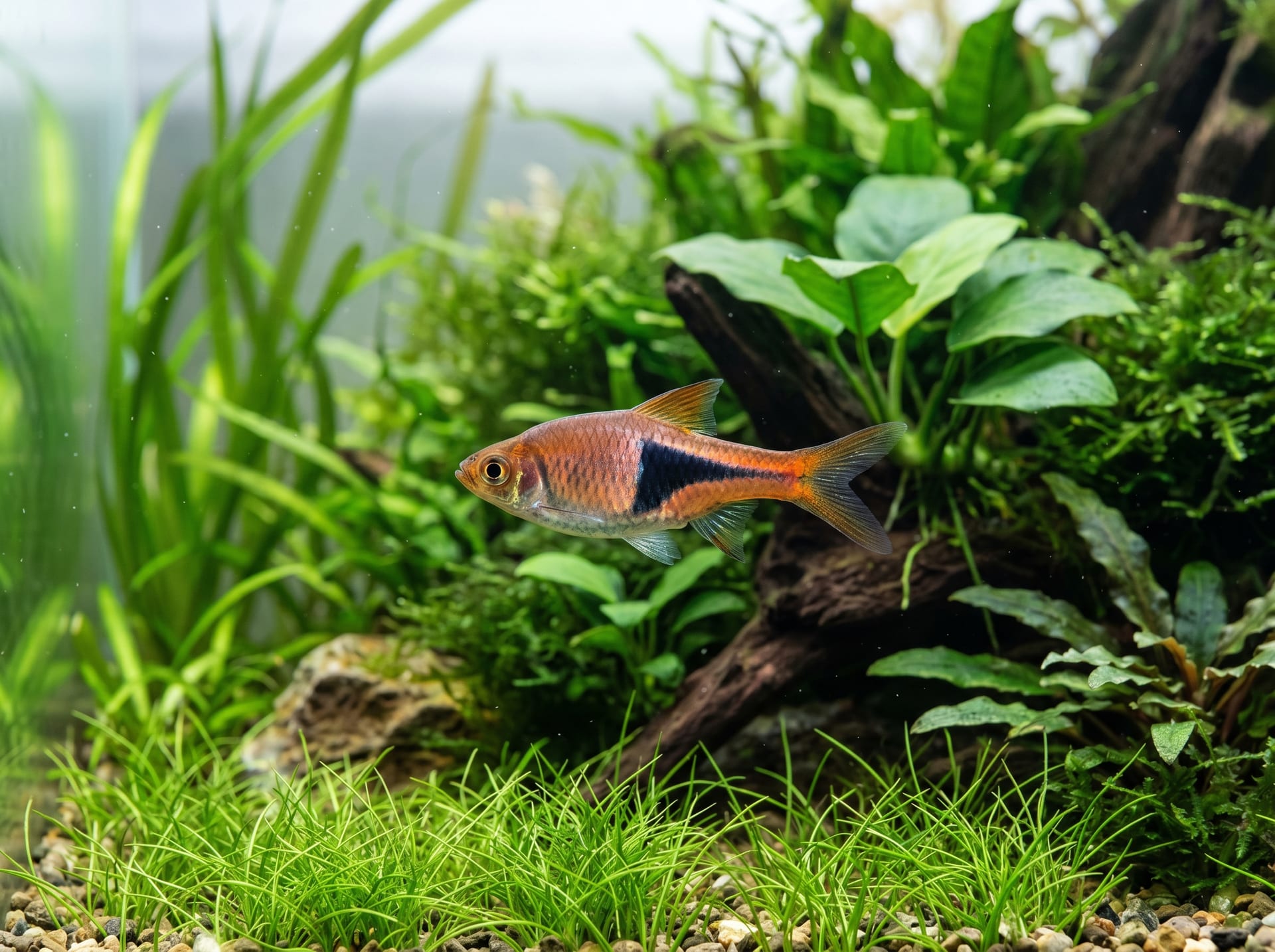
水质检测是水族馆管理的基础
"水槽的水看起来好像有点问题"、"鱼的状态不好但找不到原因"——这样的经历对任何水族馆爱好者来说都不陌生。即使水看起来是透明的,有害物质可能也在无形中积累。水质检测套件能将这些问题数值化,使精确的处理成为可能。它是必不可少的工具。
特别是在水槽新建初期,"氮循环"还未建立,氨和亚硝酸盐容易急剧积累,这是一个危险时期。在过滤细菌充分定着的1~2个月期间,不进行检测而进行管理几乎是不可能的。资深的水族馆爱好者之所以重视水质检测,正是因为如此。通过定期检测养成习惯,可以防患于未然,为生物维持最优的环境。
主要水质参数和安全值
氨(NH3/NH4+)
从生物排泄物、剩余饵料和死亡生物产生的毒性最强的物质。在水槽初期阶段容易出现问题,pH和水温越高,氨(NH3)的毒性越强。
- 安全值: 0 mg/L(检测不到)
- 危险值: 0.25 mg/L以上会对鱼造成伤害,1.0 mg/L以上是致命的
- 处理方法: 大量换水(50%以上)、减少投饵量、添加PSB或硝化细菌制剂
亚硝酸盐(NO2-)
氨被过滤细菌(亚硝酸单胞菌属)分解后的中间产物。从鱼的鳃中吸收后会阻碍血液运输氧气的功能。
- 安全值: 0 mg/L
- 危险值: 0.5 mg/L以上。导致鳃功能障碍、窒息状态
- 处理方法: 立即换水(30~50%)、增强过滤能力、添加食盐(NaCl)临时缓解毒性
硝酸盐(NO3-)
亚硝酸盐进一步分解产生的最终产物。毒性较低,但长期积累会导致慢性压力和免疫力下降。
- 淡水鱼的安全值: 40 mg/L以下
- 海水鱼的安全值: 20 mg/L以下
- 珊瑚和海葵的安全值: 5 mg/L以下(超过此值会有白化风险)
- 处理方法: 定期换水、水草或海藻吸收、引入厌氧性过滤(避难所等)
pH
显示水的酸性和碱性的指标。不同生物的适宜值差异很大。
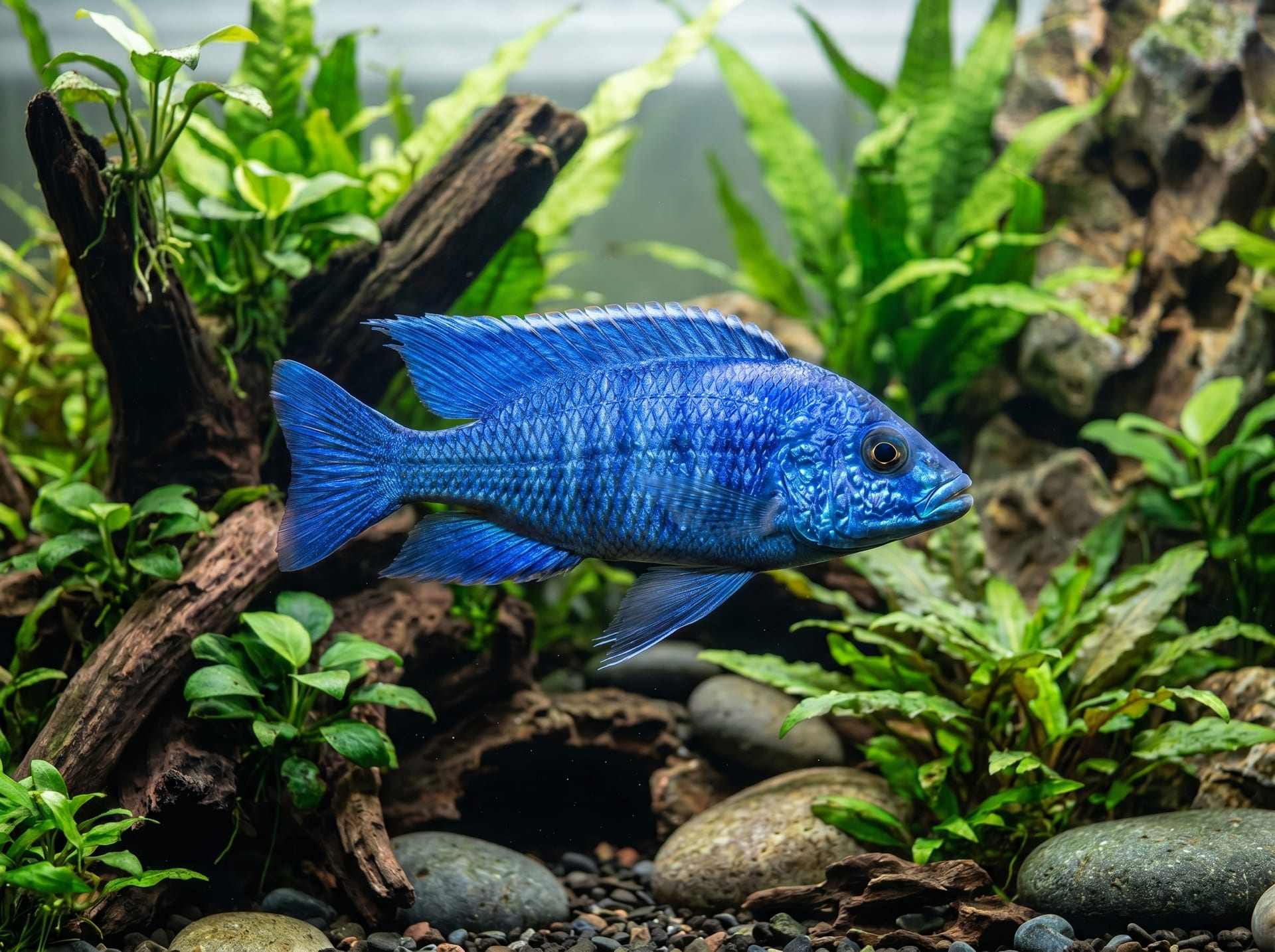
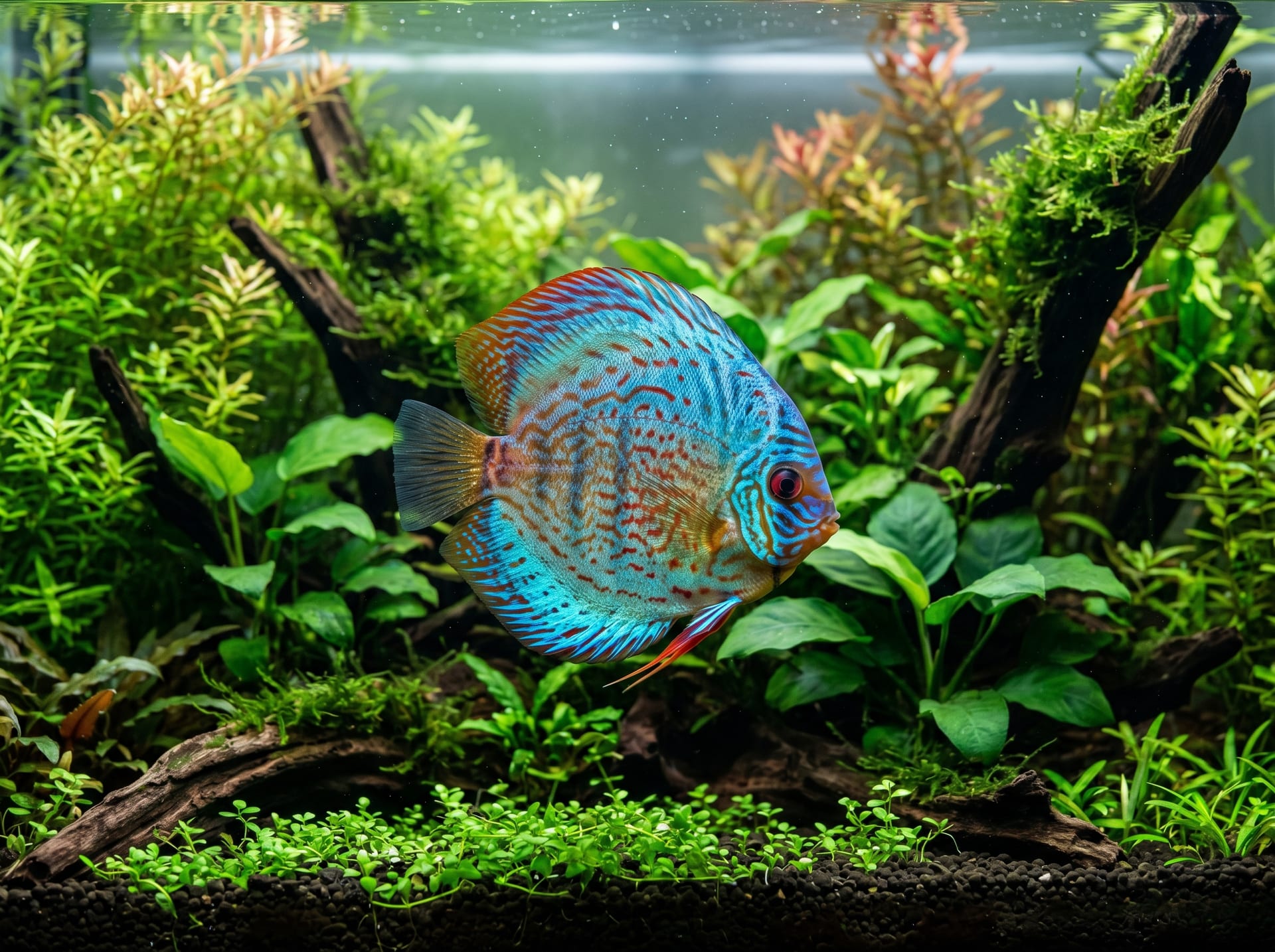
- 亚马逊系统(小神仙、七彩仙鱼): 5.5~6.8
- 东南亚系统(淡水鲤科鱼、珍珠马甲): 6.5~7.5
- 非洲慈鲷: 7.8~8.5
- 海水鱼和珊瑚: 8.1~8.4
- 重要: pH的急剧变化对生物是致命的。每日变动应控制在0.2以内
KH(碳酸盐硬度)和GH(总硬度)
KH表示pH的缓冲能力。KH过低时pH容易急变,导致"pH崩溃"。GH表示钙和镁的总量,与甲壳动物和贝类的壳形成有关。
- 淡水的KH推荐值: 3~8 dKH
- 海水的KH推荐值: 7~11 dKH(珊瑚养殖时8~9最理想)
检测套件的种类和选择方法
试剂型(液体式)
最精确的检测方法。将水槽的水放入试管,按规定量加入试剂,将颜色变化与比色卡进行比较。
- 优点: 高精度、一瓶试剂可测量50~100次,性价比高
- 缺点: 测量需要5~15分钟,试剂处理需要注意
- 代表产品: API Master Test Kit(淡水和海水用)、Red Sea Test Pro
试纸型(检测条)
只需将检测条在水中浸泡几秒钟,就能同时测量多个参数。
- 优点: 操作简单快速(60秒内得出结果)、易于携带
- 缺点: 精度比试剂型略差。容易忽视微妙的数值变化
- 代表产品: 德彩6合1试纸、Salifert检测条
数字仪表
pH计和TDS计(电导率计)等电子测量仪器。
- 优点: 可以进行0.01单位的高精度测量,几秒钟内得出结果
- 缺点: 需要定期用校准液进行校准,初期成本高(pH计3,000~15,000日元)
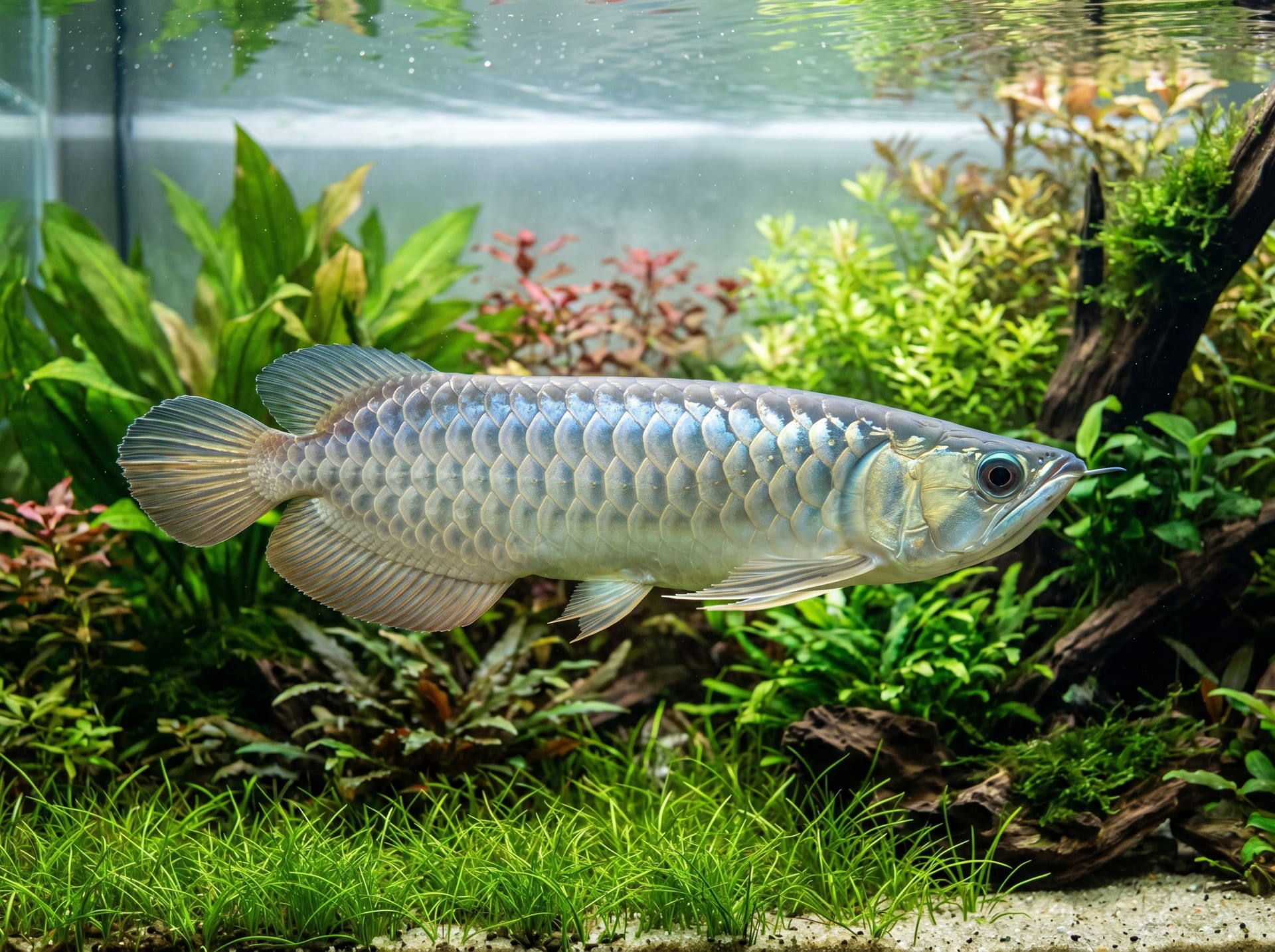
- 应用场景: 需要每天管理pH的七彩仙鱼和金龙鱼养殖,RO水的制造管理
精确测量的实用技巧
掌握以下几点可以提高测量结果的可信度。
- 检查试剂的有效期: 开封后会逐渐劣化。氨试剂特别要在1~2年内用完
- 用蒸馏水彻底清洗试管: 不使用洗涤剂,防止前次试剂的残留
- 固定采水位置: 过滤吐口附近和槽底的水质不同。从水面下中间位置采取是标准做法
- 在自然光下比较颜色: 荧光灯和LED会改变颜色的外观。靠窗的散射光(避免直射阳光)最准确
- 严格遵守规定的等待时间: 加入试剂到读取结果之间的时间因产品而异。按说明书操作,太短或太长都会改变结果
- 检测前停止充氧: 添加CO2的水槽中充氧会改变pH。停止后在30分钟内采水是目标
检测频率的目标和记录的活用
按管理阶段划分的推荐频率
| 阶段 | 时间 | 检测频率 | 重点参数 |
|---|---|---|---|
| 建立期 | 0~8周 | 每天~2天1次 | 氨、亚硝酸盐 |
| 稳定化期 | 2~3个月 | 周2~3次 | 全部参数 |
| 维护期 | 3个月以后 | 周1次 | 以pH和硝酸盐为中心 |
| 故障发生时 | 随时 | 每天 | 全部参数 |
测量结果的记录和活用
必须记录下测量结果。虽然纸质笔记也可以,但使用智能手机上的水族馆管理应用(例如:AquaticLog、Aquarium Note)可以用图表将时间序列变化可视化。
从记录中获得的信息非常有价值。如果能够掌握"换水后3天硝酸盐急速增加"、"夏季pH容易下降"等水槽特有的趋势,就能在问题出现之前采取先发制人的措施。
水质检测是一项平凡的工作,但有一句话说得好:"不进行测量的管理就等于没有管理"。将定期检测养成习惯,好好守护珍爱的生物的水质环境吧。