跳转到主要内容鸟类发布日期: / 已更新: | ✍️ BreederDirect编辑部
饲养容易的鸟类排名15选|公寓适合的安静种类、亲近的种类是?
精选15种饲养容易的鸟类介绍。公寓也能饲养的安静种类是?什么是饲养容易的鹦鹉?通过虎皮鹦鹉、葵花鹦鹉、小蜜鹦鹉、文鸟等性格、鸣叫声、寿命、费用的对比表进行解说。鸟类以美丽的羽色、有趣的学舌、亲近人的性格魅力十足。虽然人气仅次于犬猫,但能在相对紧凑的空间内饲养。为了解答"饲养容易的鸟是什么?
要点总结
精选15种饲养容易的鸟类介绍。公寓也能饲养的安静种类是?什么是饲养容易的鹦鹉?通过虎皮鹦鹉、葵花鹦鹉、小蜜鹦鹉、文鸟等性格、鸣叫声、寿命、费用的对比表进行解说。鸟类以美丽的羽色、有趣的学舌、亲近人的性格魅力十足。虽然人气仅次于犬猫,但能在相对紧凑的空间内饲养。为了解答"饲养容易的鸟是什么?
鸟类以美丽的羽色、有趣的学舌、亲近人的性格魅力十足。虽然人气仅次于犬猫,但能在相对紧凑的空间内饲养。为了解答"饲养容易的鸟是什么?""公寓里也能饲养的安静鸟是?"的疑问,我们精选了即使初学者也容易饲养的15个种类,以一览表加详细解说的形式呈现。与一只鸟的相遇,有时会发展成10年、20年以上的长期伙伴关系。正因如此,最初的"种类选择"需要谨慎考虑。
初学者选择饲养鸟类的要点
- 鸣叫声的大小:集合住宅应选择安静的种类
- 学舌能力:有学会说话的种类,也有不会的种类
- 寿命:鹦鹉类有些种类能活10~30年以上
- 亲近度:想要享受手乘(握在手上),还是以观赏为主
- 费用:不仅要考虑生体费用,还要考虑饲料费和医疗费
初学者养的第一只鸟的最佳选择3种
初次养鸟的人在犹豫时,从以下3个种类中选择风险最低,长期来看最容易享受的方案。这些种类的饲养信息丰富,遇到问题时容易通过网络或书籍查找,这也是重要的考量因素。
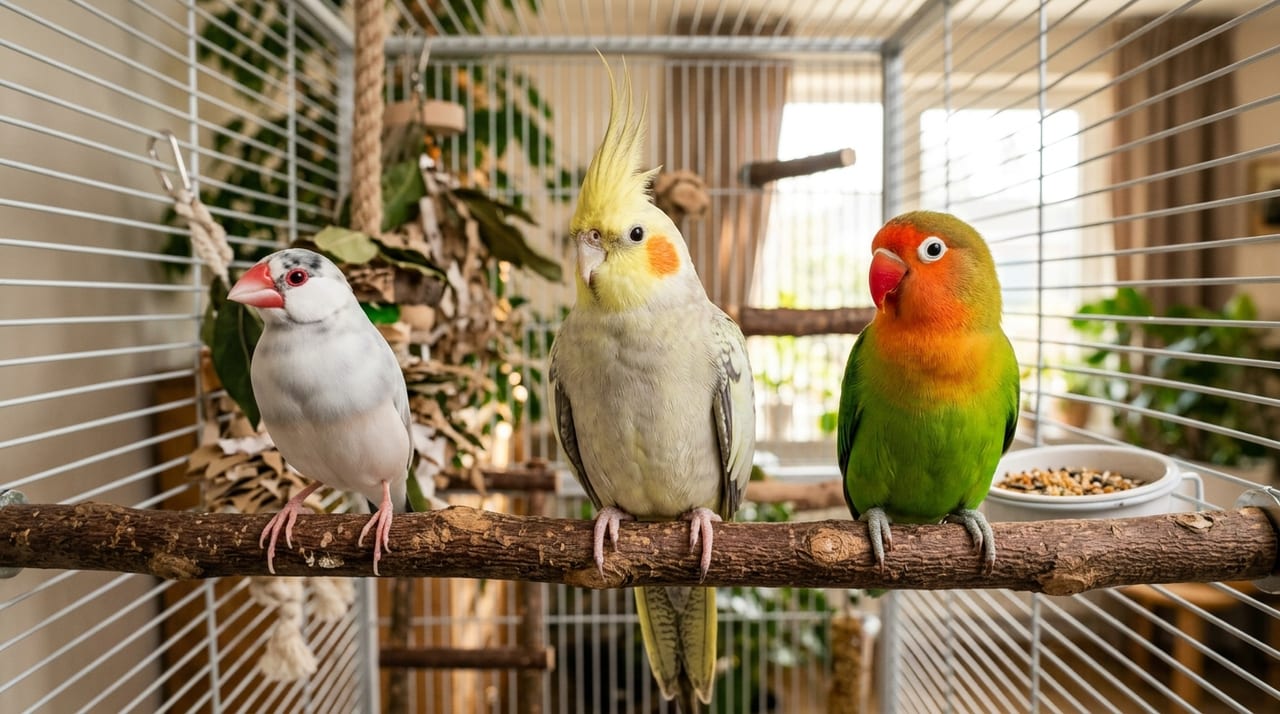
文鸟 ― 安静且亲近,公寓最佳选择
文鸟鸣叫声小,在公寓、单元楼也能放心饲养。性格倔强且傲娇,吸引力十足,精心饲养后会站在手心的手乘文鸟能带来乐趣。寿命为7~10年,是初次与鸟类长期相处的最佳选择。在鸟类专科动物医院也容易就诊,鸟类健康管理指南内容也很充实。
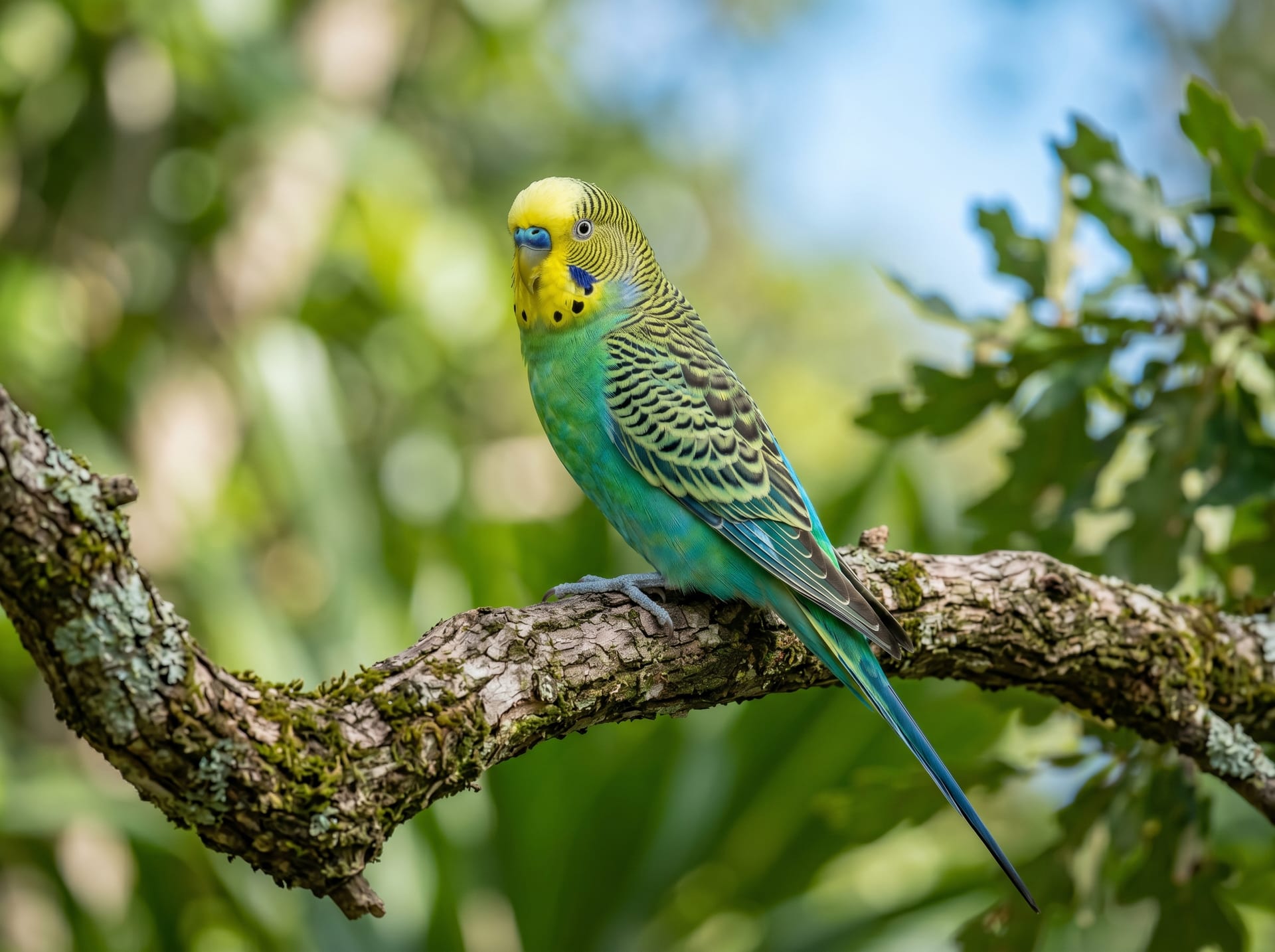
虎皮鹦鹉 ― 性价比压倒性优势和容易亲近
虎皮鹦鹉生体价格属最便宜等级,饲养设备也能从最少的配置开始。色彩变异丰富,能学会单词和短句的学舌表现是一大魅力。要让其成为手乘鸟,从雏鸟开始饲养最理想,每天和它说话会让它惊人地亲近。虎皮鹦鹉饲养详细指南也可供参考。
小蜜鹦鹉 ― 长寿且安静的公寓向小型鹦鹉
小蜜鹦鹉虽然是鹦鹉中最小的体型,但寿命长达15~20年,有些个体还能学会说话。鸣叫声非常小,集合住宅也能放心饲养。活泼好奇,放飞时需要彻底确认窗户和门。
饲养容易的鸟类15种对比一览表
首先用一览表对比全15种。公寓可否以鸣叫声大小为基准(◎=安静,适合集合住宅;○=注意可行;△=建议防音或独栋住宅)。1日的饲养时间是包括放飞、清扫、沟通的目安。
✍️
BreederDirect编辑部
BreederDirect编辑部专注于动物饲养信息,涵盖兽医、繁育各领域,为新手提供通俗易懂的指南。
在BreederDirect上查找鸟类
直接从认证繁殖者购买
浏览相关商品
在BreederDirect上查找与本文相关的鸟类商品。直接从认证繁殖者购买。
ペットライフ
ペット可物件・ブリーダー直販・ペット可スポットの3軸連携。
| 虎皮鹦鹉 | ★★★★★ | 中 | 擅长 | 2,000~5,000元 | 7~10年 | ○ | 30~60分钟 |
| 葵花鹦鹉 | ★★★★☆ | 较大 | 普通(口哨) | 1~3万元 | 15~25年 | △ | 45~90分钟 |
| 文鸟 | ★★★★★ | 小 | 不会 | 3,000~8,000元 | 7~10年 | ◎ | 20~40分钟 |
| 玫瑰鹦鹉 | ★★★★☆ | 较大 | 不太擅长 | 8,000~2万元 | 10~15年 | △ | 45~90分钟 |
| 小蜜鹦鹉 | ★★★★☆ | 小 | 较擅长 | 1~2.5万元 | 15~20年 | ◎ | 30~60分钟 |
| 波浪鹦鹉 | ★★★★☆ | 小 | 不太擅长 | 1.5~3万元 | 10~15年 | ◎ | 30~60分钟 |
| 鳞头鹦鹉 | ★★★☆☆ | 较大 | 擅长 | 4~8万元 | 20~30年 | △ | 60~120分钟 |
| 金丝雀 | ★★★★★ | 极小 | 不会 | 2,000~5,000元 | 5~8年 | ◎ | 10~20分钟 |
| 牡丹鹦鹉 | ★★★★☆ | 较大 | 不太擅长 | 8,000~2万元 | 10~15年 | △ | 30~60分钟 |
| 十姐妹 | ★★★★★ | 极小 | 不会 | 1,000~3,000元 | 5~8年 | ◎ | 10~20分钟 |
| 秋草鹦鹉 | ★★★★☆ | 小 | 不太擅长 | 1.5~3万元 | 10~15年 | ◎ | 30~60分钟 |
| 亚马逊鹦鹉 | ★★★☆☆ | 大 | 非常擅长 | 5~10万元 | 20~30年 | △ | 60~120分钟 |
| 金翅雀 | ★★★★☆ | 鸣唱 | 不会 | 5,000~1.5万元 | 7~12年 | ○ | 10~20分钟 |
| 金冠亚马逊 | ★★★☆☆ | 非常大 | 较擅长 | 6~12万元 | 20~30年 | △ | 60~120分钟 |
| 非洲灰鹦鹉 | ★★☆☆☆ | 大 | 最高级别 | 30~50万元 | 40~60年 | △ | 120~240分钟 |
公寓最容易饲养的安静鸟类应优先考虑文鸟、小蜜鹦鹉、波浪鹦鹉、金丝雀、十姐妹、秋草鹦鹉。如果想要享受学舌,虎皮鹦鹉(经济实惠)、鳞头鹦鹉、亚马逊鹦鹉较为适合。
推荐饲养鸟类15选
1. 虎皮鹦鹉
- 难度: ★☆☆☆☆ / 价格: 2,000~5,000元 / 体长: 18~20cm / 寿命: 7~10年
- 鸣叫声: 中等 / 学舌: 擅长
优点:饲养鸟类的标配中的标配。色彩变异丰富。擅长学舌,能学会单词和短句。容易成为手乘鸟。
缺点:鸣叫声在某些时间段较大。粪便量多。
饲养诀窍:从雏鸟培育(手乘)还是迎接成鸟会影响亲近程度。要确保每天的笼外放飞时间。
2. 葵花鹦鹉
- 难度: ★★☆☆☆ / 价格: 10,000~30,000元 / 体长: 30~33cm / 寿命: 15~25年
- 鸣叫声: 较大 / 学舌: 普通(擅长口哨)
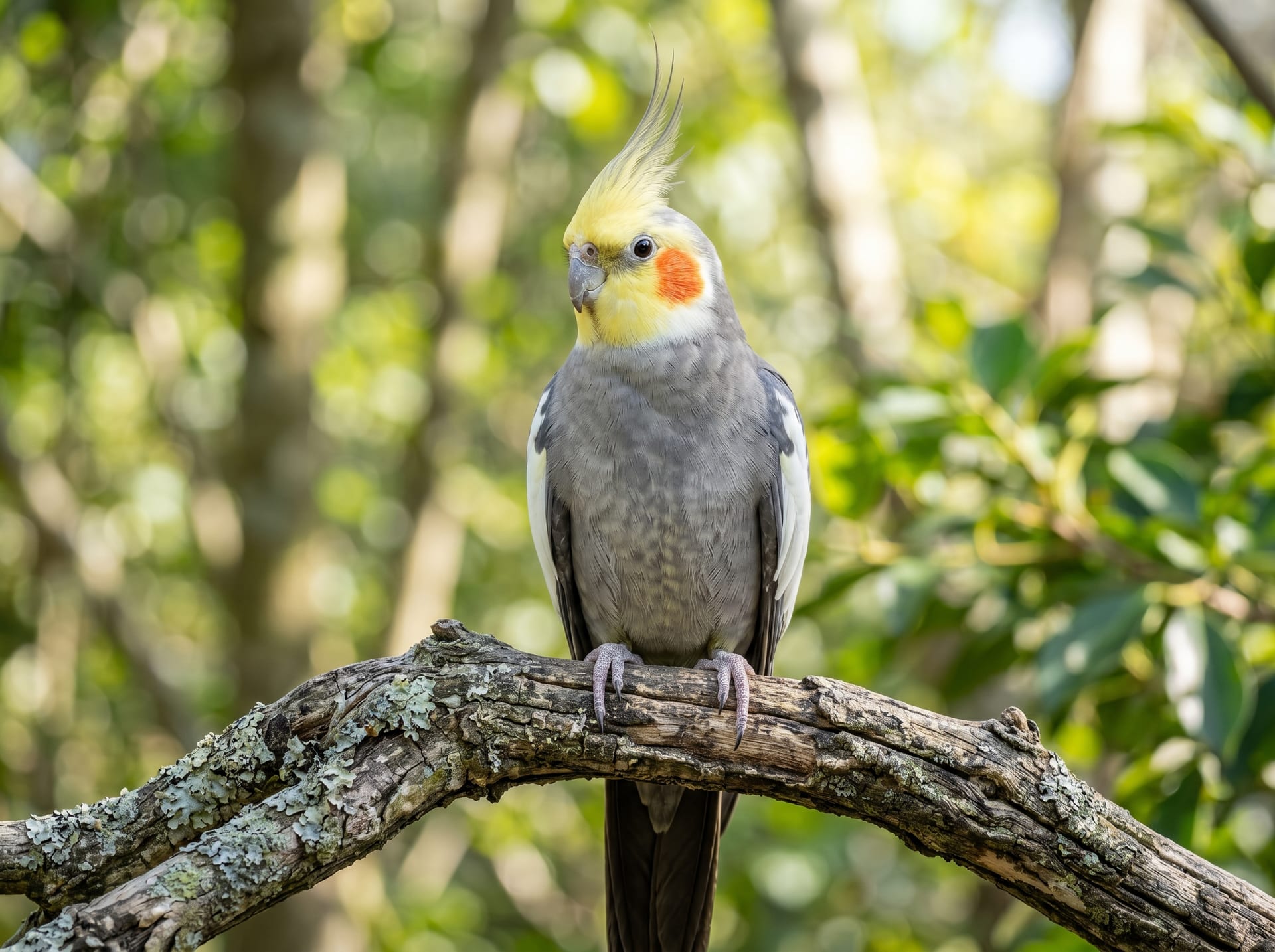
优点:脸颊的橙色很可爱,人称"葵花宝贝"。甘愿撒娇,对饲养者强烈依恋。能学会口哨旋律。
缺点:胆小,容易惊慌失措(葵花惊慌)。脂粉多。
饲养诀窍:夜间给笼子盖罩子以防惊慌。脂粉对策建议配空气净化器。详细的管理方法可参看葵花鹦鹉饲养指南。
3. 文鸟(文鳥)
- 难度: ★☆☆☆☆ / 价格: 3,000~8,000元 / 体长: 14cm / 寿命: 7~10年
- 鸣叫声: 小 / 学舌: 不会
优点:能完全放在手心的尺寸。鸣叫声小,适合集合住宅。性格倔强,有傲娇的魅力。
缺点:咬力出人意料地强。喜欢水浴,周围容易被溅湿。
饲养诀窍:每天准备水浴容器。换羽期补充钙质。要成为手乘鸟从雏鸟开始最好。
4. 玫瑰鹦鹉
- 难度: ★★☆☆☆ / 价格: 8,000~20,000元 / 体长: 15~17cm / 寿命: 10~15年
- 鸣叫声: 较大 / 学舌: 不太擅长
优点:"爱鸟"之名所言不虚,对饲养者的爱意表现丰富。羽色五彩缤纷。活泼爱玩。
缺点:嫉妒心强,有时对其他宠物或家人攻击性强。鸣叫声较尖锐。
饲养诀窍:单独饲养专注于饲养者,或成对饲养二选一。提供丰富的玩具。
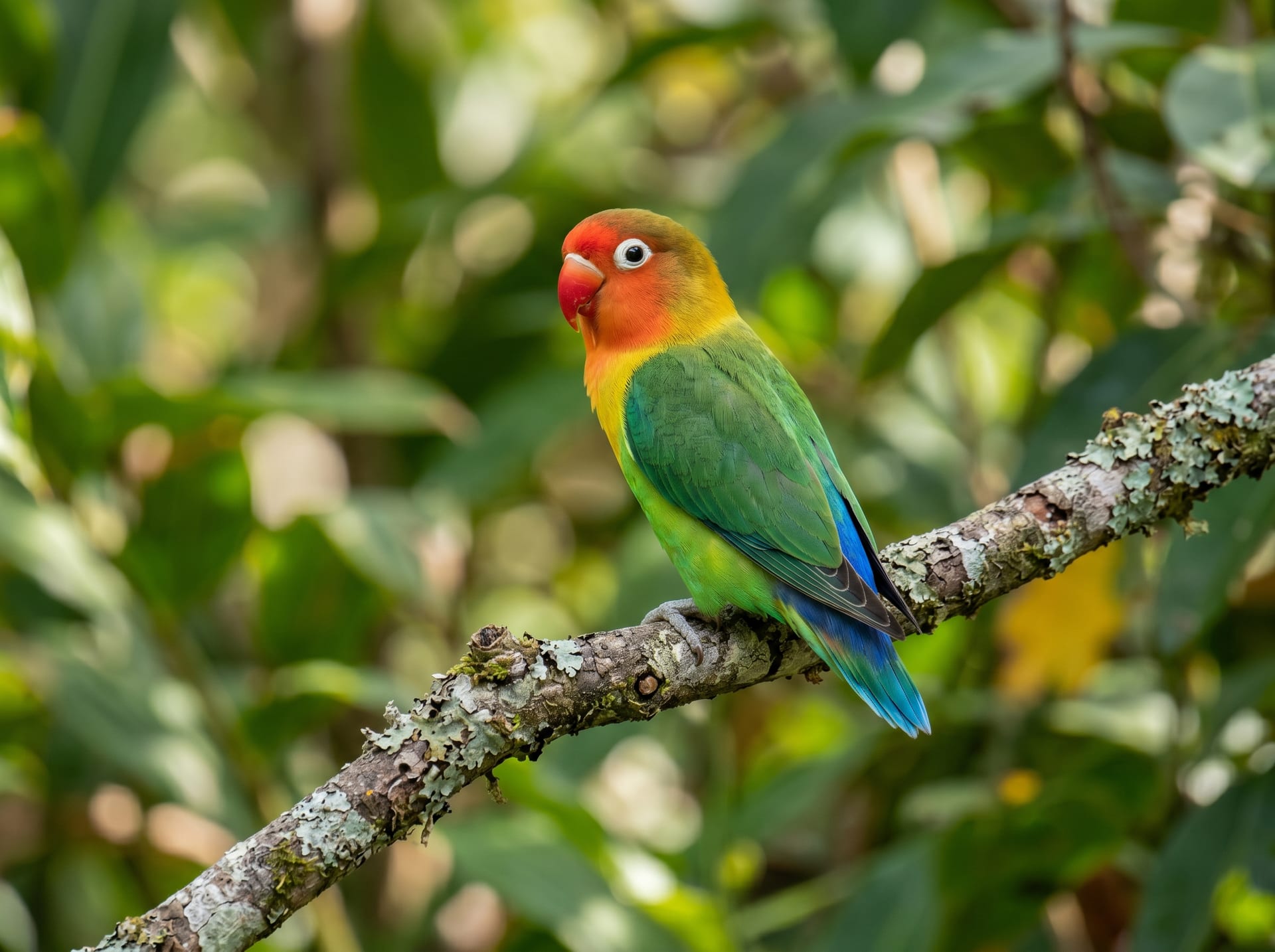
5. 小蜜鹦鹉
- 难度: ★★☆☆☆ / 价格: 10,000~25,000元 / 体长: 12~13cm / 寿命: 15~20年
- 鸣叫声: 小 | 学舌: 较擅长
优点:虽然是鹦鹉中最小的种类,但寿命长。鸣叫声小,非常适合集合住宅。有些个体能学会说话。
缺点:个体太小容易找不到。性格略显倔强。
饲养诀窍:放飞时要彻底确认窗户和门。虽然体型小但活泼,需要较大的笼子。
6. 波浪鹦鹉
- 难度: ★★☆☆☆ / 价格: 15,000~30,000元 / 体长: 16~18cm / 寿命: 10~15年
- 鸣叫声: 小 | 学舌: 不太擅长
优点:性格温顺安静。鸣叫声小,适合公寓。独特的前倾姿势很可爱。
缺点:怕冷。特别喜欢水浴,水浴后的清扫很费事。
饲养诀窍:注意保暖(建议25℃以上)。准备水浴场所。
7. 鳞头鹦鹉(红头鹦鹉)
- 难度: ★★☆☆☆ / 价格: 40,000~80,000元 / 体长: 25~26cm / 寿命: 20~30年
- 鸣叫声: 较大 | 学舌: 擅长
优点:活泼爱玩。很多个体能做出仰卧翻滚的"亲密行为"。擅长学舌。
缺点:鸣叫声较大。咬力强。价格高。
饲养诀窍:从幼鸟开始饲养会很亲近。用知识开发玩具防止无聊。
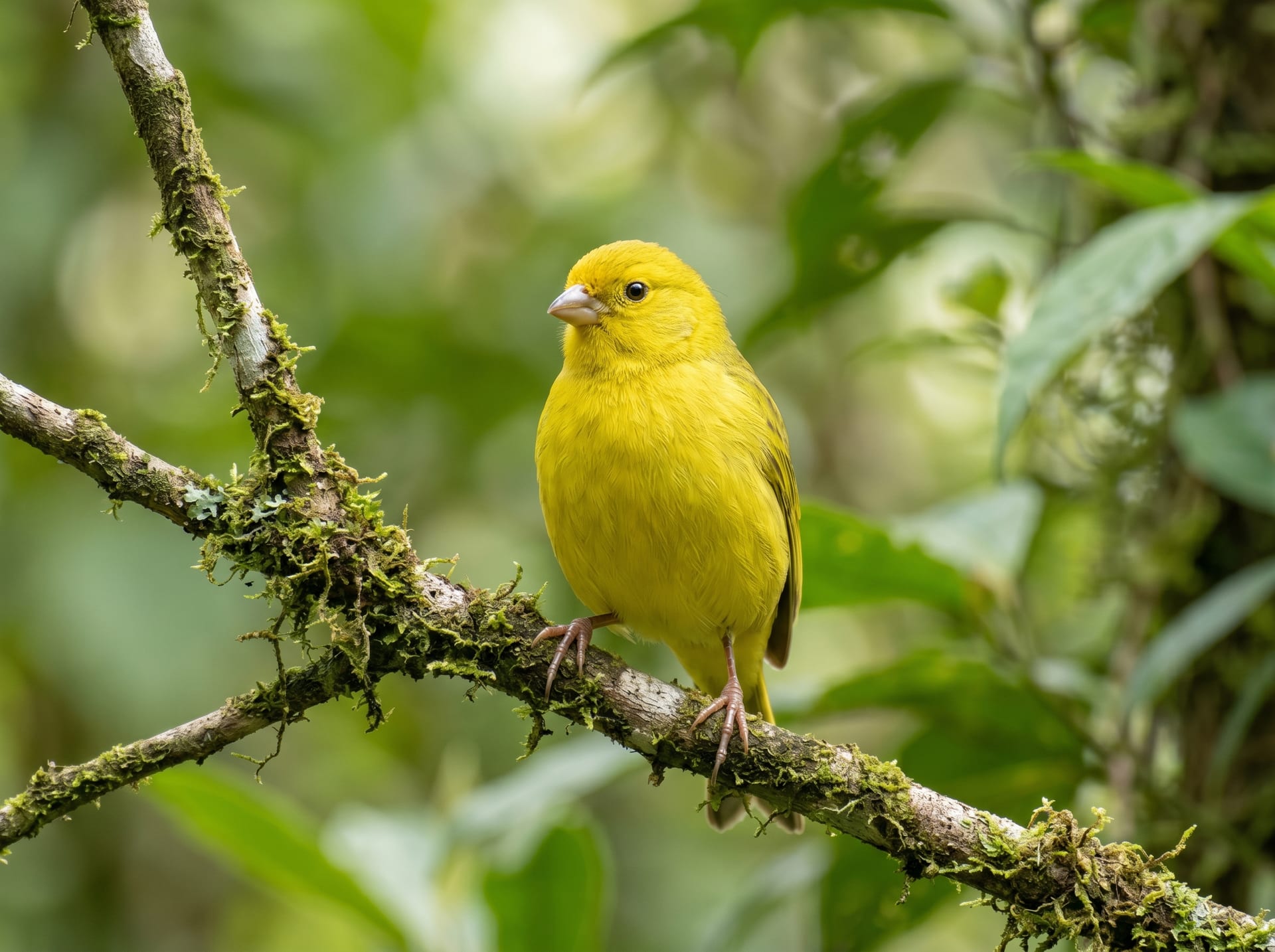
8. 金丝雀
- 难度: ★☆☆☆☆ / 价格: 2,000~5,000元 / 体长: 10cm / 寿命: 5~8年
- 鸣叫声: 非常小 | 学舌: 不会
优点:体型极小,鸣叫声极静。发出"噗噗"的可爱声音。成对饲养时显得亲昵有趣。
缺点:难以成为手乘鸟(适合观赏)。怕冷。
饲养诀窍:成对或小群体饲养。注意保暖。
9. 牡丹鹦鹉
- 难度: ★★☆☆☆ / 价格: 8,000~20,000元 / 体长: 14~17cm / 寿命: 10~15年
- 鸣叫声: 较大 | 学舌: 不太擅长
优点:玫瑰鹦鹉的近亲。色彩鲜艳,性格充满爱意。活泼好看。
缺点:和玫瑰鹦鹉一样,有嫉妒心强的一面。鸣叫声较大。
饲养诀窍:和玫瑰鹦鹉管理方式相同。单独饲养或成对饲养。
10. 十姐妹(十姉妹)
- 难度: ★☆☆☆☆ / 价格: 1,000~3,000元 / 体长: 12cm / 寿命: 5~8年
- 鸣叫声: 非常小 | 学舌: 不会
优点:最容易饲养的鸟类之一。温顺,鸣叫声静。可多羽友好相处。便宜。
缺点:难以成为手乘鸟。外观平凡。
饲养诀窍:多羽饲养最理想。易于繁殖,注意不要增加过多。
11. 秋草鹦鹉
- 难度: ★★☆☆☆ / 价格: 15,000~30,000元 / 体长: 21~23cm / 寿命: 10~15年
- 鸣叫声: 小 | 学舌: 不太擅长
优点:粉红色的体色美丽。鸣叫声小,适合公寓。性格温顺。
缺点:略显胆小。相比其他鸟流通较少。
饲养诀窍:在安静环境下饲养。花时间慢慢让其习惯。
12. 亚马逊鹦鹉
- 难度: ★★★☆☆ / 价格: 50,000~100,000元 / 体长: 28~30cm / 寿命: 20~30年
- 鸣叫声: 大 | 学舌: 非常擅长
优点:学舌能力非常高。智力高,能学会各种技巧。与饲养者的纽带深。
缺点:鸣叫声大,集合住宅不易饲养。价格高。长寿意味着一生的陪伴。
饲养诀窍:需要防音对策。用知识开发玩具防止无聊。
13. 金翅雀
- 难度: ★★☆☆☆ / 价格: 5,000~15,000元 / 体长: 12~14cm / 寿命: 7~12年
- 鸣叫声: 优美的鸣唱 | 学舌: 不会
优点:雄鸟优美的鸣唱是最大魅力。以观赏和欣赏歌声的饲养方式。黄色的体色美丽。
缺点:基本上不会成为手乘鸟。只有雄鸟鸣唱。
饲养诀窍:作为观赏鸟饲养。在安静环境下享受鸣唱。
14. 金冠亚马逊
- 难度: ★★★☆☆ / 价格: 60,000~120,000元 / 体长: 30cm / 寿命: 20~30年
- 鸣叫声: 非常大 | 学舌: 较擅长
优点:橙色、黄色、绿色羽毛鲜艳壮观。非常人好亲近,甘愿撒娇。
缺点:鸣叫声非常大。独栋住宅推荐。价格高。
饲养诀窍:防音对策必须。每天放飞和互动很重要。
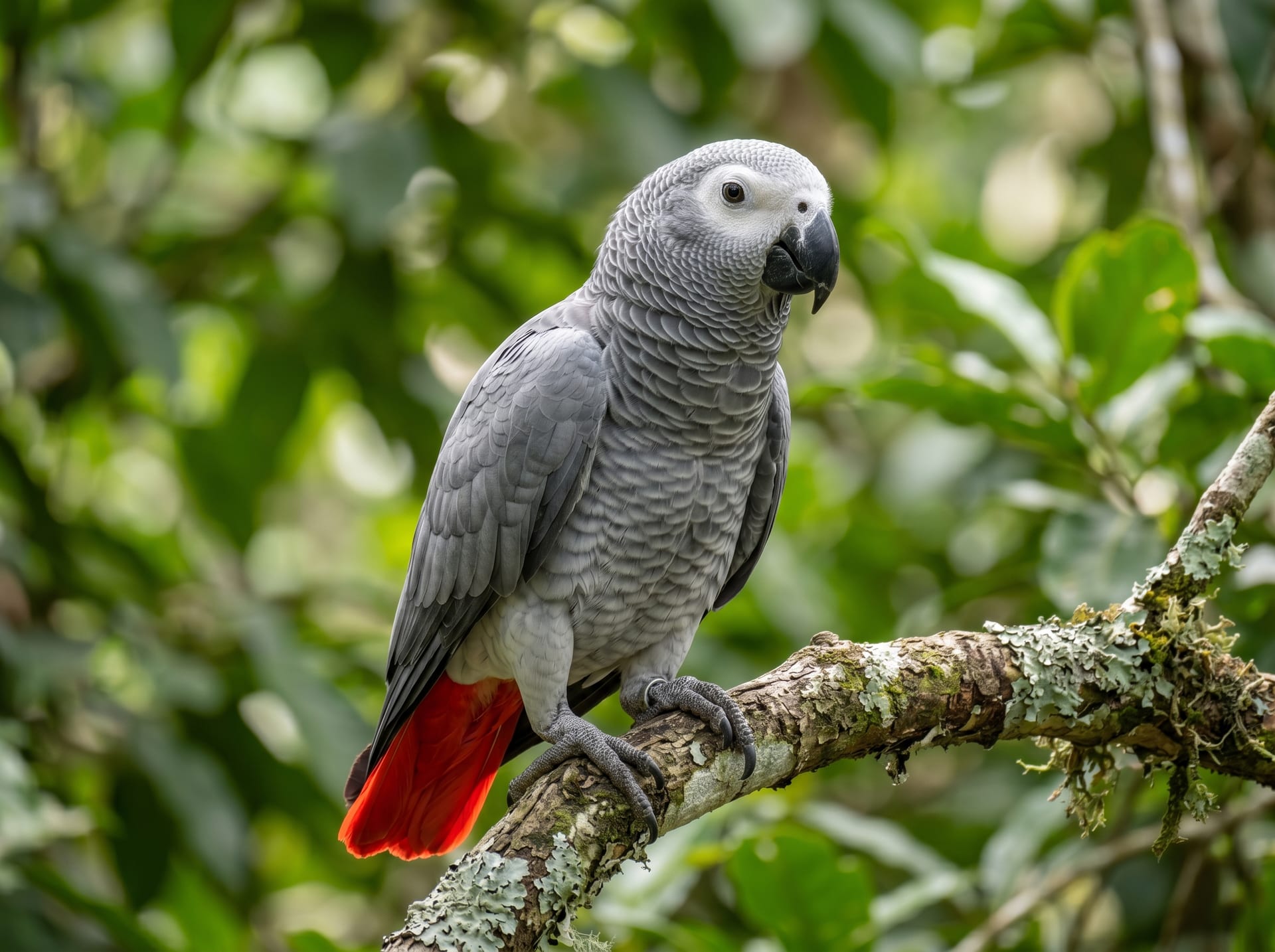
15. 非洲灰鹦鹉
- 难度: ★★★★☆ / 价格: 300,000~500,000元 / 体长: 33cm / 寿命: 40~60年
- 鸣叫声: 大 | 学舌: 最高级别
优点:鸟类最高峰的智力和学舌能力。能理解人类言语并进行对话级交流。灰色羽毛美丽。
缺点:价格非常高。40年以上的寿命是重大责任。压力大时会有拔毛症。
饲养诀窍:虽为高级,但作为目标列出。心理护理最重要。制定长期饲养计划。
饲养容易的鹦鹉是哪种?仅限鹦鹉的对比
寻找"容易饲养的鸟"的人,很多实际上是在鹦鹉中选择。从上面15种一览中单独提取鹦鹉,以集合住宅能否饲养和手乘难度的2个轴重新排列。
| 鹦鹉种类 | 鸣叫声 | 公寓 | 手乘的难度 | 寿命 | 价格目安 |
|---|
| 小蜜鹦鹉 | 小 | ◎ | 高(特别是从雏鸟开始) | 15~20年 | 1~2.5万元 |
| 波浪鹦鹉 | 小 | ◎ | 高(动作缓慢容易操控) | 10~15年 | 1.5~3万元 |
| 秋草鹦鹉 | 小 | ◎ | 中等(温顺但内向) | 10~15年 | 1.5~3万元 |
| 虎皮鹦鹉 | 中 | ○ | 非常高 | 7~10年 | 2,000~5,000元 |
| 玫瑰鹦鹉 | 较大 | △ | 非常高(感情浓烈) | 10~15年 | 8,000~2万元 |
| 牡丹鹦鹉 | 较大 | △ | 高 | 10~15年 | 8,000~2万元 |
| 葵花鹦鹉 | 较大 | △ | 高(叫声大) | 15~25年 | 1~3万元 |
| 鳞头鹦鹉 | 较大 | △ | 非常高 | 20~30年 | 4~8万元 |
- 非要安静的鹦鹉(集合住宅) … 小蜜鹦鹉。鸣叫声小,且容易成为手乘鸟的稀少种类。次选是波浪鹦鹉。
- 想在控制费用的前提下享受手乘 … 虎皮鹦鹉。生体和设备最便宜,信息量丰富,遇到问题容易查找。
- 想要完全依恋你的孩子 … 玫瑰鹦鹉、鳞头鹦鹉。但叫声大,集合住宅需要防音措施。
- 想要长期陪伴 … 鳞头鹦鹉(20~30年)、葵花鹦鹉(15~25年)。先考虑你的人生规划是否能匹配。
与鸣叫声本身相比,鹦鹉的呼唤叫(看不见饲养者时大声呼唤的行为)更容易引起邻里纠纷。葵花鹦鹉、玫瑰鹦鹉、鳞头鹦鹉这些种类特别容易出现这种行为。如果你白天长时间不在家,选择呼唤叫较小的种类会更实际。
鸣叫声安静的鸟类排名(公寓向)
集合住宅最在意的就是鸣叫声大小。在饲养容易的鸟类中,特别是声音小、公寓、单元楼容易饲养的种类,按音量目安排名。
| 排名 | 种类 | 音量目安 | 公寓适性 |
|---|
| 1位 | 十姐妹(十姉妹) | 非常小(似鸣唱) | ◎ 最佳 |
| 2位 | 金丝雀 | 小(滴滴声) | ◎ 最佳 |
| 3位 | 文鸟 | 小~中(地鸣安静) | ◎ 适合 |
| 4位 | 小蜜鹦鹉 | 小~中(尖锐但音量控制) | ○ 适合 |
| 5位 | 虎皮鹦鹉 | 中(爱学舌) | ○ 可行 |
| 6位 | 金翅雀 | 中(雄鸟鸣唱穿透力强) | △ 时间注意 |
十姐妹、金丝雀鸣叫声基本不成问题,是寻找安静鸟类的首选。相反,葵花鹦鹉的叫声、金冠亚马逊、非洲灰鹦鹉等中大型鹦鹉声音非常大,集合住宅需要防音对策。所有鸟类早晚都会活跃鸣叫,用遮光罩管理睡眠时间能抑制鸣叫。
亲近度高的鸟类TOP5排名
想要选"站在手上、叫就来"这样亲近人的鸟的人可参考此排名。亲近度不仅取决于种类,还取决于是否从雏鸟开始手工喂食、每日是否有身体接触。
- 虎皮鹦鹉 ― 手乘率高,也能学会学舌,标配的一羽
- 葵花鹦鹉 ― 甘愿撒娇,对饲养者强烈依恋。会让你摸头表示信任
- 玫瑰鹦鹉/牡丹鹦鹉 ― 顾名思义"爱鸟",感情深、专一
- 小蜜鹦鹉 ― 虽然体型小,但不怯生,能很好地成为手乘鸟
- 文鸟 ― 手乘文鸟会站在肩膀或手上不想离开,亲近度极高
这些都能通过从雏鸟用手工喂食开始培育,或迎接年轻个体、每天喂食、给零食等方式提高亲近度。从成鸟开始饲养时要花时间建立信任关系。
初学者饲养设备(鹦鹉情况下)
| 设备 | 预算目安 | 要点 |
|---|
| 鸟笼 | 5,000~15,000元 | HOEI品牌是标配 |
| 停止木 | 500~1,500元 | 天然木推荐 |
| 食盆・水盆 | 500~1,000元 | |
| 种子或颗粒粉 | 500~1,500元/月 | |
| 玩具 | 500~2,000元 | |
| 加热器 | 2,000~4,000元 | 冬季保温用 |
| 合计 | 约9,000~25,000元 | |
初学者容易犯的失误TOP5及对策
为了开始饲养后不后悔,总结初学者容易陷入的错误及对策。
①放飞中的事故(窗户、门、电线、加湿器接触)
放飞鸟时,如果窗开着会脱逃,接触旋转风扇或电线会致命。此外,已知超声波加湿器喷出的水雾会损伤鸟的呼吸道。放飞前必须关好窗户和门,排除危险物品这个习惯很重要。放飞中不能眼睛离开。
②一人进食移行延迟导致衰弱死亡
从宠物店迎接雏鸟时,需要从粉末饲料(手工喂食)过渡到固体种子或颗粒的"一人进食移行"。移行延迟会导致雏鸟无法自己吃食而衰弱。每日测量体重,按克数管理很重要。不确定时可咨询鸟类专科兽医。鸟类健康管理指南也有参考价值。
③保温不足导致健康恶化
鸟体型小,体温调节能力差,20℃以下环境会严重影响健康。特别是幼鸟、老鸟、病中的个体保温必须。使用带恒温器的加热器,将笼内温度保持在25~30℃是基本。"看起来很有精神就没问题"这种感觉判断是禁忌。
④同时购买2只导致不亲近主人
"一只可能太孤独"的想法导致初期就购买2只,但鸟之间关系好的话对人的依恋度会下降,可能不会成为手乘鸟。特别是想享受手乘的话,先饲养1只,充分亲近后再考虑第二只。
⑤没有提前寻找鸟类专科医院
健康急变多发生在晚上或休息日,"开始养后再找医院"为时已晚。迎接鸟前,提前列出近距离内2~3家鸟类专科或能看鸟的动物医院。年1次健康检查能促进早期发现。鸟类健康检查・鸟类专科医院选择也建议阅读。
常见问题(FAQ)
Q. 公寓能养什么鸟?
A. 文鸟、小蜜鹦鹉、波浪鹦鹉、金丝雀、十姐妹、秋草鹦鹉鸣叫声小推荐。葵花鹦鹉、大型鹦鹉等叫声大,公寓需防音对策或独栋住宅较安心。
Q. 想要会学舌的鸟?
A. 虎皮鹦鹉经济实惠。更高级的学舌体验可选鳞头鹦鹉、亚马逊鹦鹉,最顶级是非洲灰鹦鹉。
Q. 旅行时能留在家吗?
A. 1~2晚可以多放食物和水。3天以上要找宠物保姆或寄养地方。
Q. 鸟有异味吗?
A. 小鸟基本没有异味。葵花鹦鹉有脂粉但不是臭味而是粉尘。
Q. 鸟能活多久?
A. 因种类差异很大。金丝雀、十姐妹5~8年,文鸟、虎皮鹦鹉7~10年,葵花鹦鹉15~25年,非洲灰鹦鹉40~60年以上,寿命极长。选长寿种类要制定生涯饲养计划。
Q. 每天都要放飞吗?
A. 以手乘为目标的话,每天30分钟以上放飞(笼外自由时间)最理想。没有放飞,仅笼内会导致运动不足和压力。但金丝雀、十姐妹等观赏用种类不一定非要放飞。
Q. 颗粒粉和种子哪个好?
A. 从营养均衡角度讲颗粒粉更优。但有些个体只吃种子,所以以种子为主食,用颗粒粉和蔬菜补充营养的"混合食"是现实选择。移行困难时可咨询鸟类专家。
相关内容
BreederDirect上,精心养育的手乘鸟可以直接从专业繁殖者购买。从而不是从店铺而是从繁殖者直接迎接,能提前确认成长环境、亲鸟信息、饲养注意事项。从鸟类分类寻找喜欢的一只吧。