Source: Wikimedia Commons
Lycaste
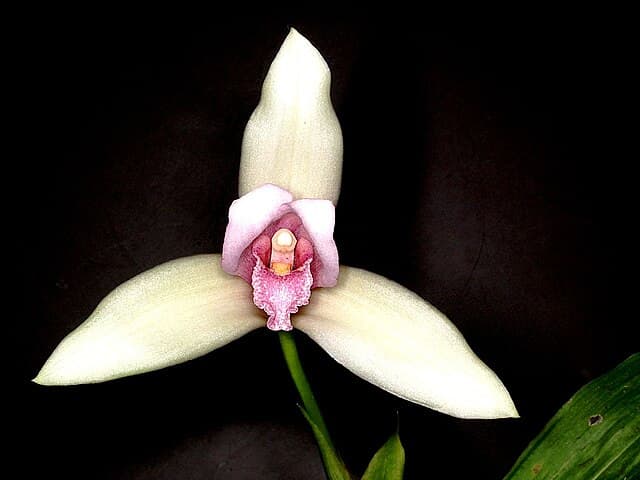
IntermediateA deciduous orchid with large triangular waxy flowers in vivid colors.
Difficulty
Intermediate
Temperature
15〜30℃
Lifespan
10+ years
Size
20-40cm
Humidity
50〜70%
Diet
−
About
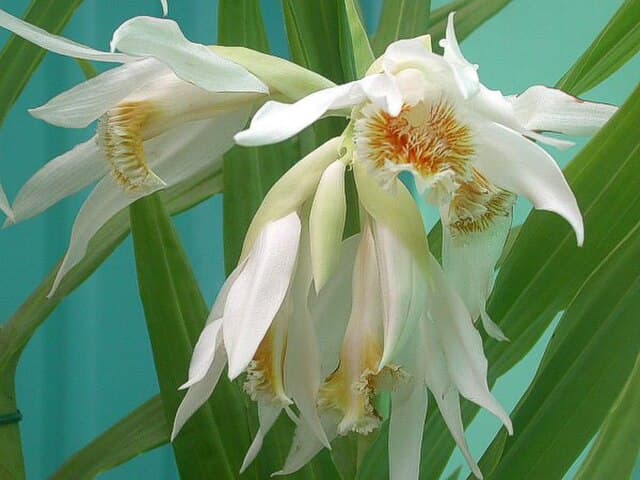
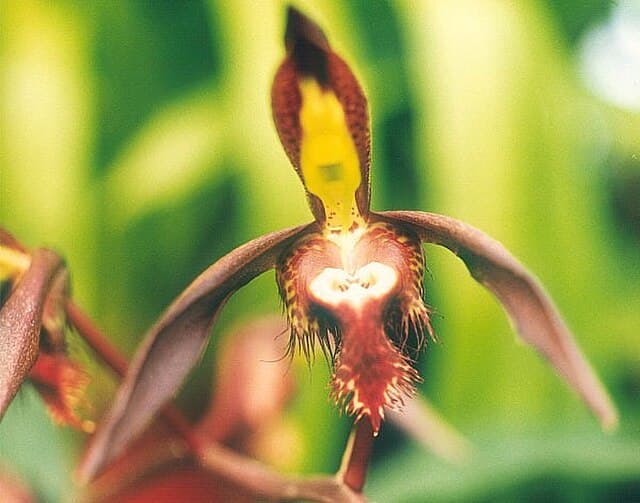
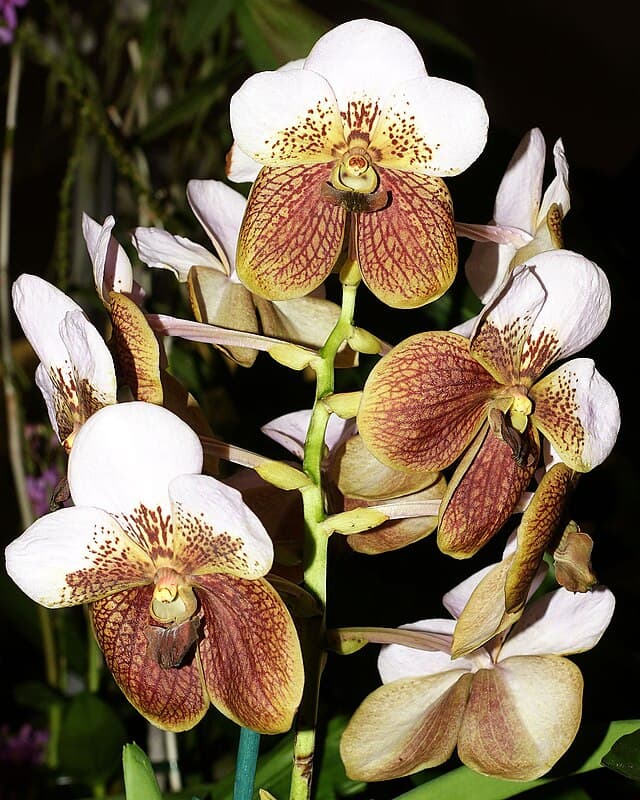
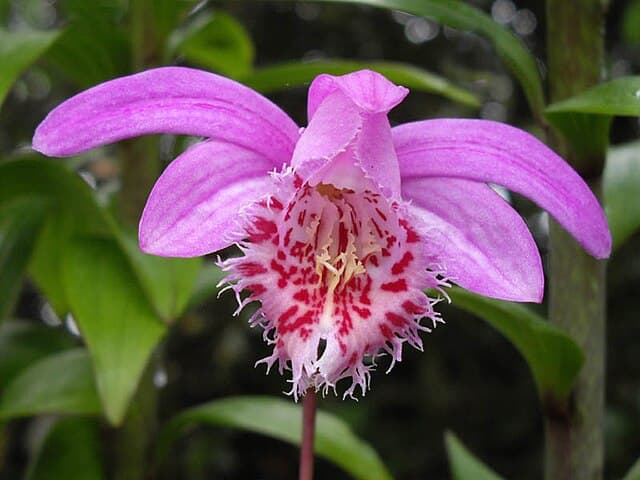
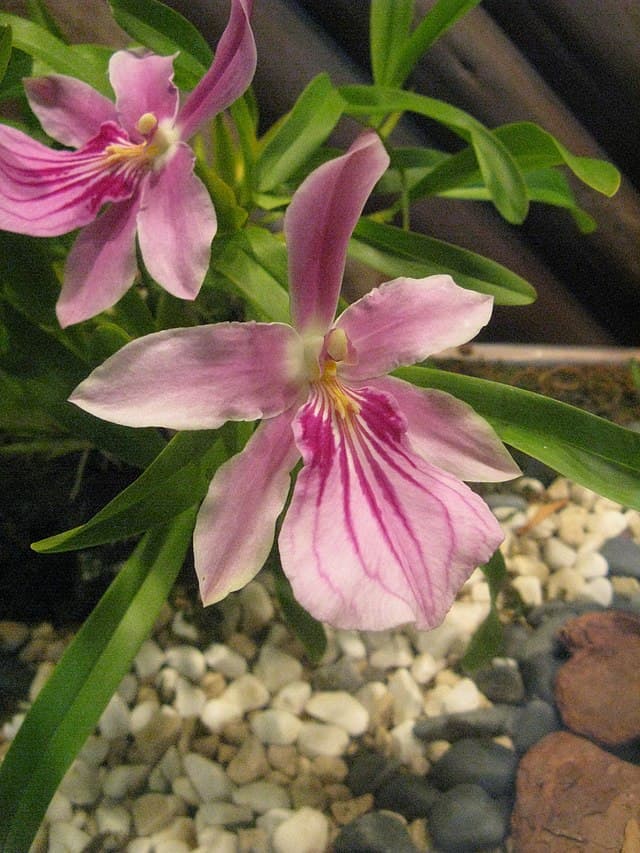
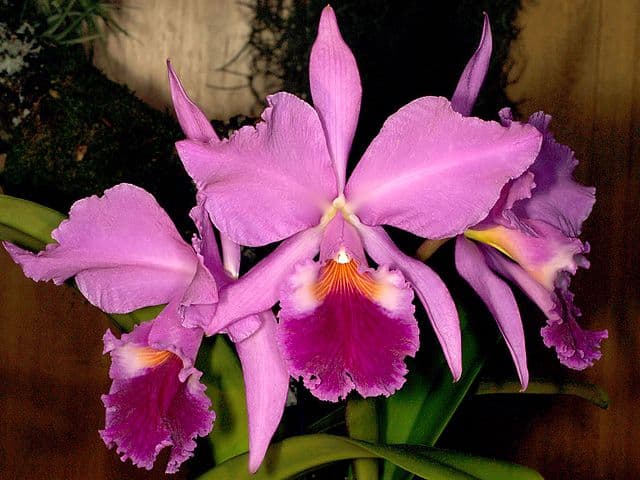
Lycaste is a genus of about 30 orchid species distributed from Mexico to northern South America, primarily in humid Andean foothill forests and cloud forests. Plants bear large, egg-shaped pseudobulbs with broad, thin, pleated leaves and grow 20–60 cm tall. Single flowers are produced per stem from the base of the pseudobulb, with several stems often emerging simultaneously; the three large triangular sepals, 5–15 cm across, are the most conspicuous floral element, in colors spanning white, yellow, green, pink, and orange. Some species have a sweet cinnamon-like fragrance. Many are deciduous, requiring reduced watering during winter dormancy. Preferred conditions are 15–25°C, bright indirect light, and a bark–sphagnum mix with good drainage.
Source: Wikipedia (CC BY-SA 4.0)
Basic Info
Origin
Mexico to northern South America, Andean humid forests
Lifespan
10+ years
Size
20-40cm
Temperature
15〜30℃
Humidity
50〜70%
Diet
−
Care Guide
Temperature
12-25°C
Dormancy
Drops leaves in winter
Watering
Generous in growth season
Flowers
Large triangular
OrchidLycasteDeciduousLarge Flower
Lycaste FAQ
QHow difficult is it to keep Lycaste?
A
Intermediate. This is an intermediate-level species. Some prior experience and knowledge of environmental management are recommended.
QWhat is the ideal temperature for Lycaste?
A
The ideal temperature for Lycaste is 15〜30℃. Recommended humidity is 50〜70%. Avoid sudden temperature changes and maintain a stable environment.
QWhat is the lifespan of Lycaste?
A
The average lifespan of Lycaste is 10+ years. With proper care and nutrition, they can live a long and healthy life.
Lycaste Q&A
Find listings for this species