Source: Wikimedia Commons
Cattleya Labiata
IntermediateCattleya labiata
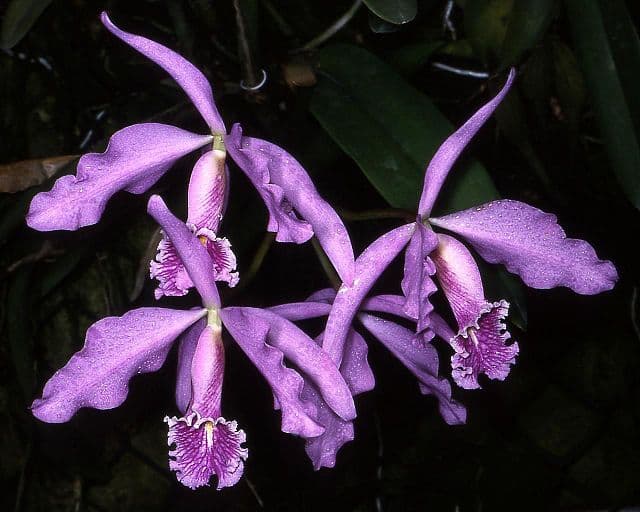
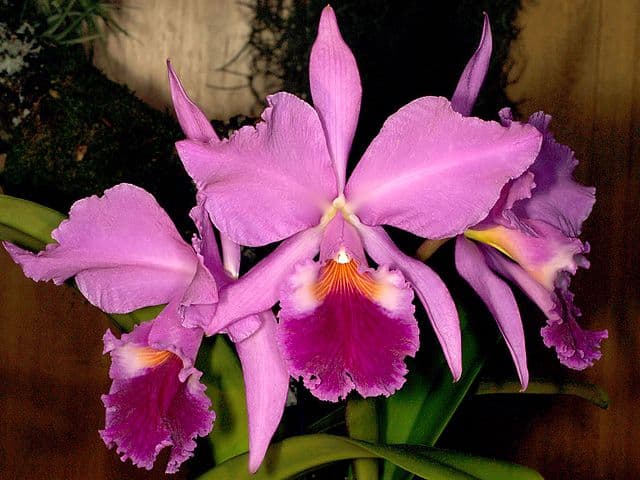
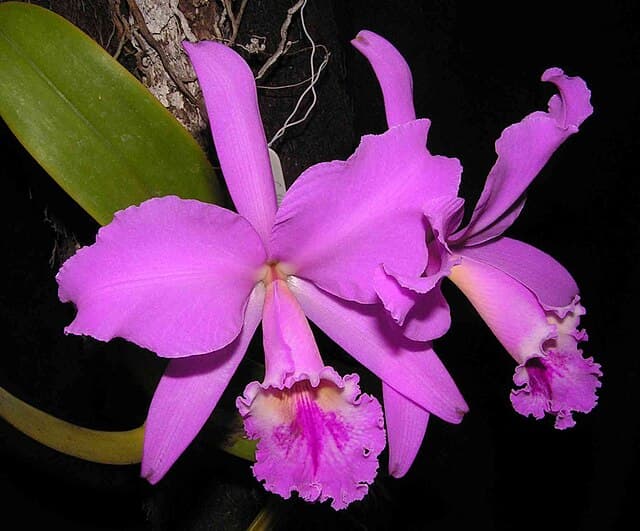
The first Cattleya species discovered, with a large lip and vibrant autumn blooms.
Difficulty
Intermediate
Temperature
15〜30℃
Lifespan
10+ years
Size
30-50cm
Humidity
50〜70%
Diet
−
About
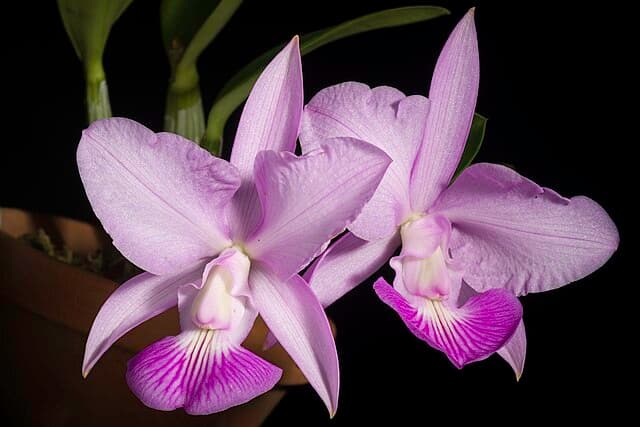
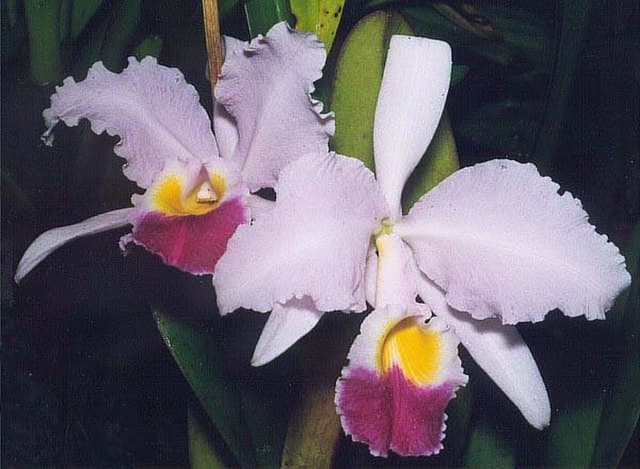
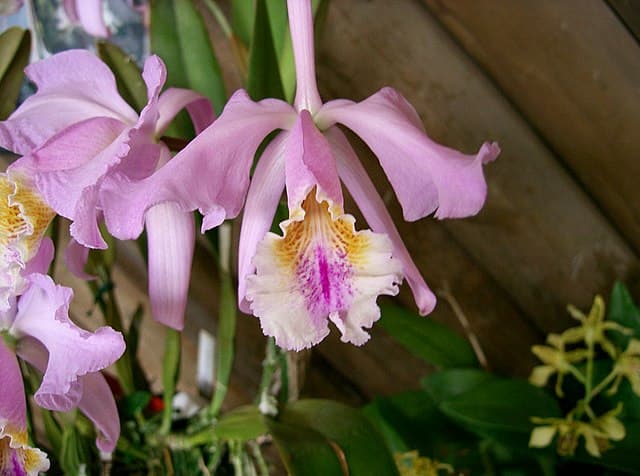
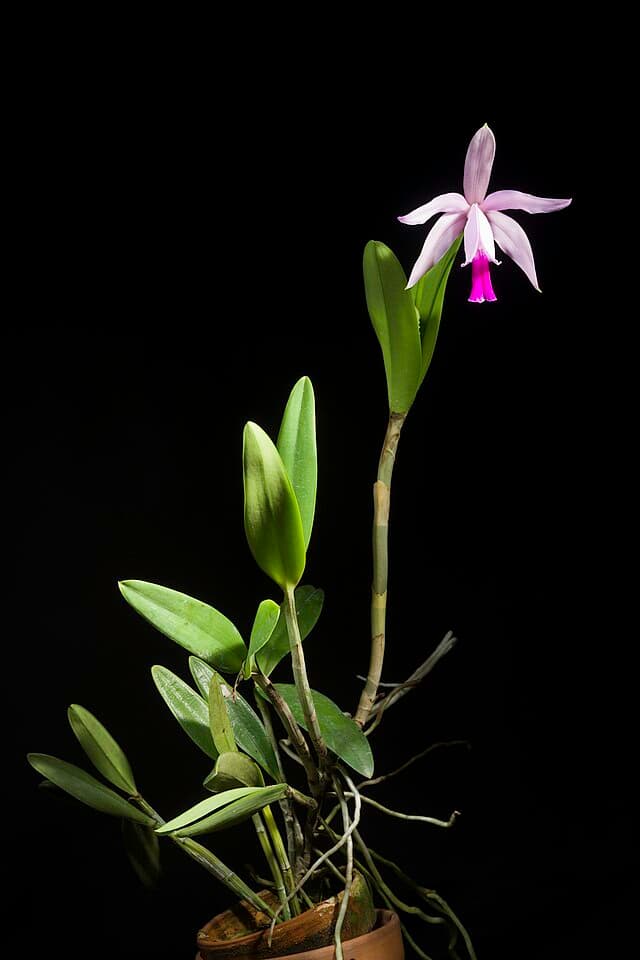
Cattleya labiata, the autumn cattleya, is a large epiphytic orchid native to the coastal mountain ranges of northeastern Brazil. Plants grow 30–50 cm with single-leafed pseudobulbs. The flowers, up to 18 cm across, display pale to deep rose petals and a large, heavily fringed lip in deep purple-crimson; two to four are borne per pseudobulb in autumn (September–November). Introduced to Britain in 1818 and among the first Cattleya species described, it became a cornerstone of modern Cattleya hybridization. Cultivation requires bright indirect light, temperatures above 15°C, and a dry rest in summer–autumn. Bark is the preferred growing medium.
Basic Info
Origin
northeastern Brazil, coastal mountain ranges
Lifespan
10+ years
Size
30-50cm
Temperature
15〜30℃
Humidity
50〜70%
Diet
−
Care Guide
Light
Bright indirect light
Bloom
Autumn blooming
Temperature
13-28°C
History
First species discovered
OrchidCattleyaSpeciesAutumn
Cattleya Labiata FAQ
QHow difficult is it to keep Cattleya Labiata?
A
Intermediate. This is an intermediate-level species. Some prior experience and knowledge of environmental management are recommended.
QWhat is the ideal temperature for Cattleya Labiata?
A
The ideal temperature for Cattleya Labiata is 15〜30℃. Recommended humidity is 50〜70%. Avoid sudden temperature changes and maintain a stable environment.
QWhat is the lifespan of Cattleya Labiata?
A
Cattleya Labiata Q&A
Find listings for this species