Source: Wikimedia Commons
Aldrovanda Vesiculosa
AdvancedAldrovanda vesiculosa
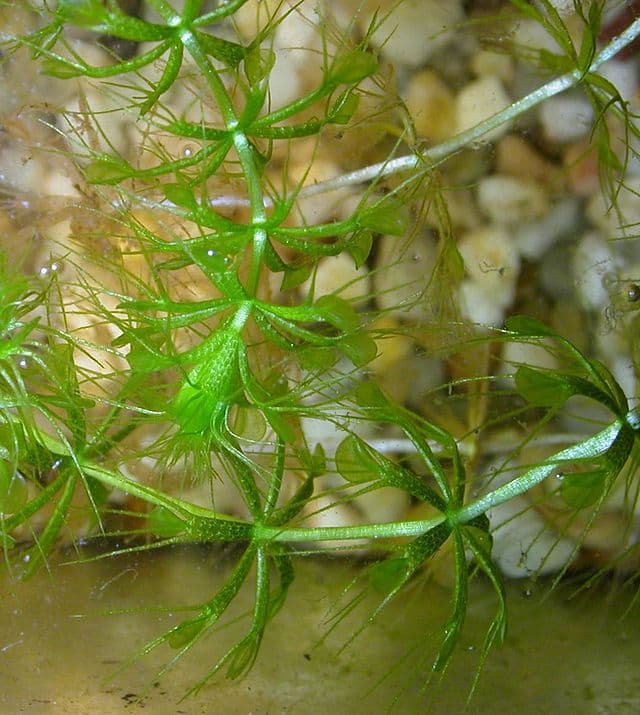
Called Waterwheel Plant, a floating aquatic carnivore trapping prey without roots while drifting.
Difficulty
Advanced
Temperature
10〜30℃
Lifespan
5+ years
Size
5-15cm
Humidity
60〜90%
Diet
Aquatic micro organisms
About
Aldrovanda vesiculosa, the waterwheel plant, is the sole aquatic member of the family Droseraceae and the closest living relative of the Venus flytrap. It is a free-floating, rootless aquatic plant found in still or slow-moving fresh waters across Europe, Asia, Africa, and Australia, though wild populations have declined dramatically worldwide. Like the Venus flytrap, it captures prey—aquatic microinvertebrates such as water fleas, mosquito larvae, and small crustaceans—using a snap-trap mechanism; the traps close in as little as 20 milliseconds. Cultivation is demanding: the plant requires soft, slightly acidic, clean water (pure water or rainwater), strong light, warm temperatures (20–30°C), and sufficient aquatic microorganisms for prey. It is one of the very few fully aquatic carnivorous plants and an object of intense botanical interest.
Basic Info
Origin
Widely distributed across Europe, Asia, Africa, and Australia in still and slow-moving freshwater habitats (populations greatly declined globally)
Lifespan
5+ years
Size
5-15cm
Temperature
10〜30℃
Humidity
60〜90%
Diet
Aquatic micro organisms
Care Guide
Aquatic
Floats in water
Trap
Venus flytrap-style
Roots
No roots
Rarity
Very rare
CarnivorousAldrovandaAquaticFloating
Aldrovanda Vesiculosa FAQ
QHow difficult is it to keep Aldrovanda Vesiculosa?
A
Advanced. This is an advanced-level species. It requires specialized equipment and advanced husbandry skills with precise environmental control.
QWhat is the ideal temperature for Aldrovanda Vesiculosa?
A
The ideal temperature for Aldrovanda Vesiculosa is 10〜30℃. Recommended humidity is 60〜90%. Avoid sudden temperature changes and maintain a stable environment.
QWhat is the lifespan of Aldrovanda Vesiculosa?
A
Aldrovanda Vesiculosa Q&A
Find listings for this species