奇蟲圖鑑|全70個品種一覽
彙整狼蛛、蠍子、蜈蚣等人氣奇蟲的飼育資訊、特徵與難度的品種圖鑑。
顯示70個物種中的4個
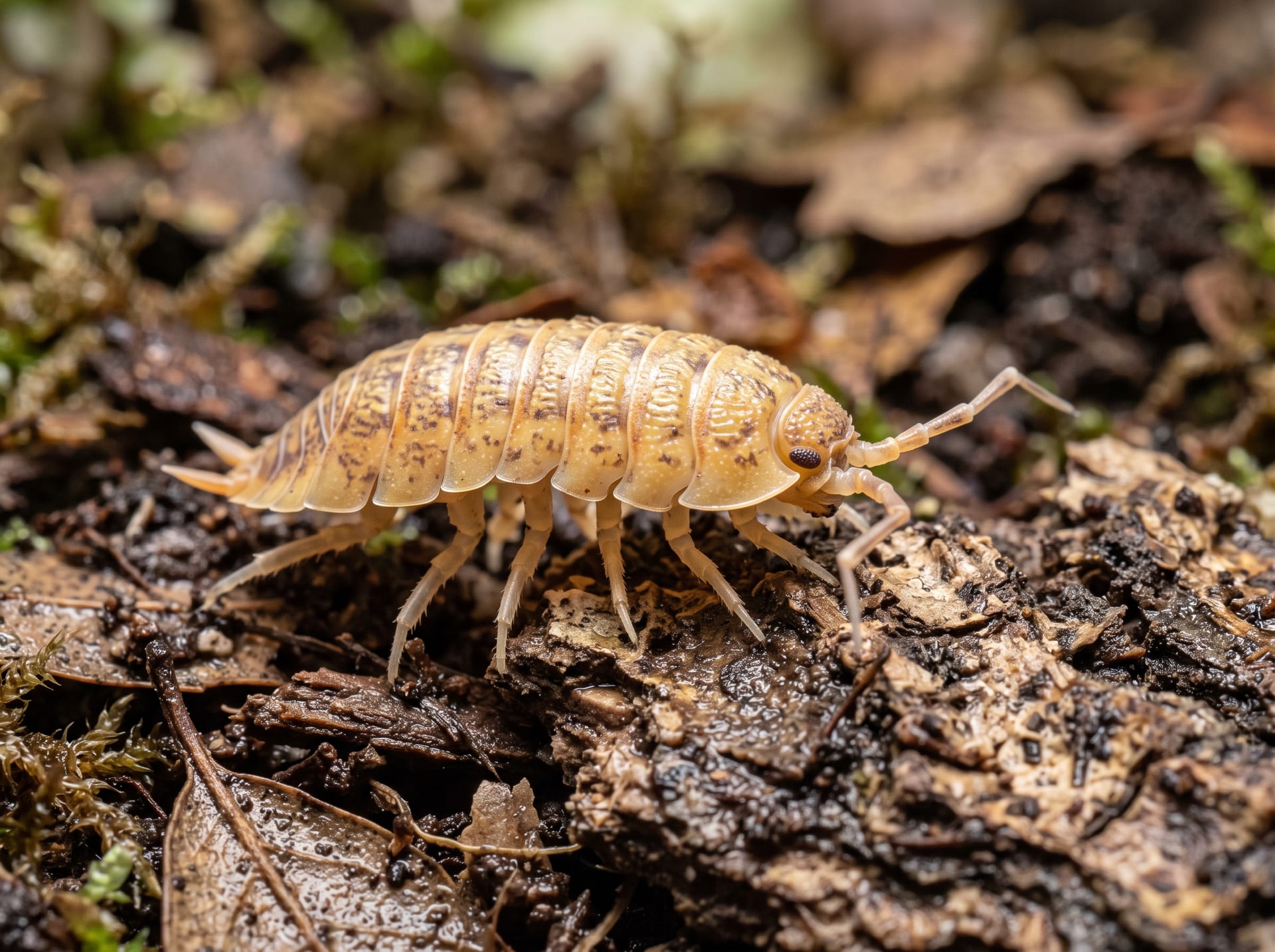
玻利瓦里虱蟲
Porcellio bolivari
以鮮明對比的圖案而受歡迎的西班牙產虱蟲。喜歡乾燥環境和鈣質。動作迅速但無咬傷和毒素,是無害的腐食性種類。
虱蟲波西馬蝨觀賞用
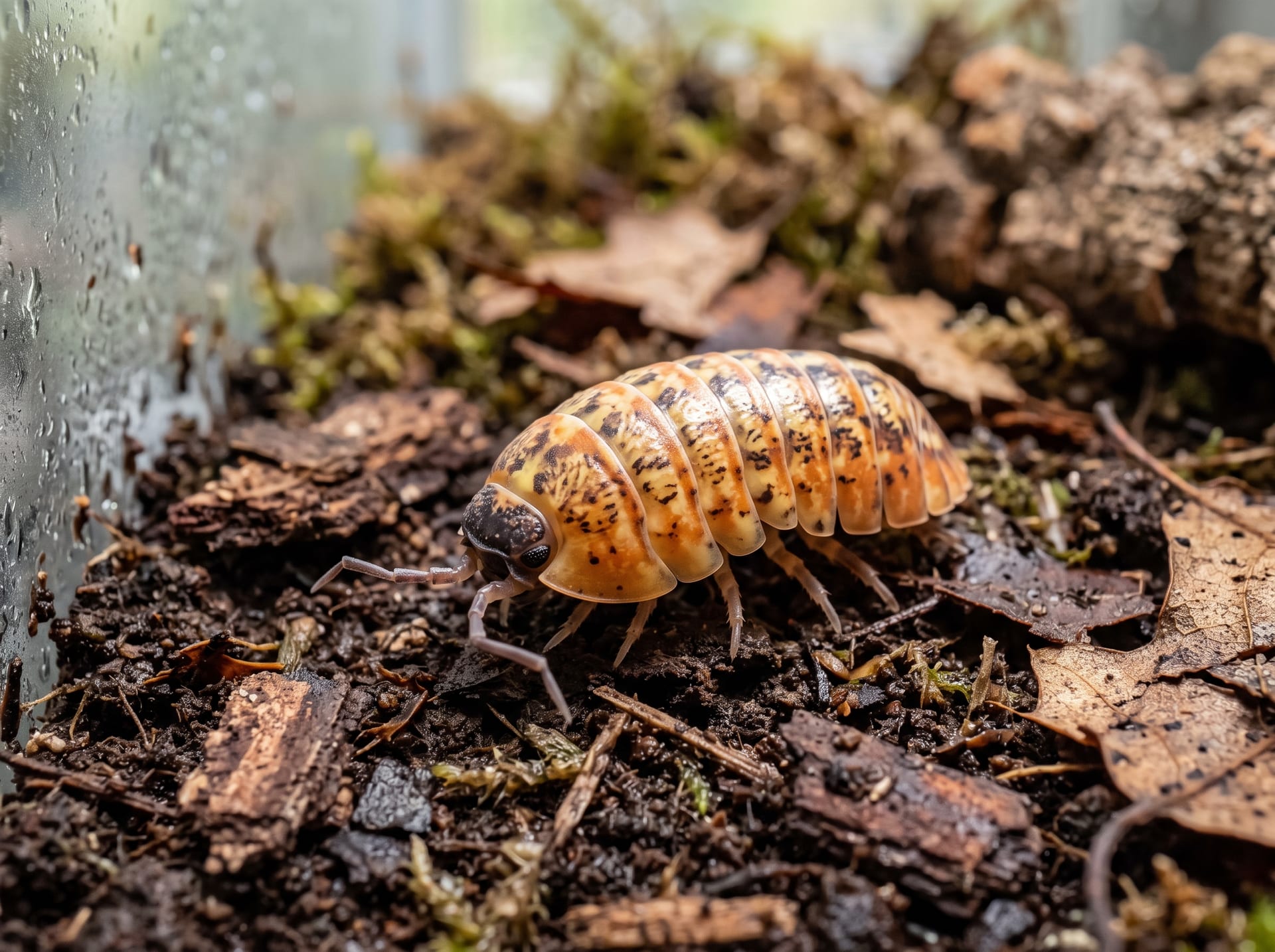
格式球鼠婦(Armadillidium gestroi)
Armadillidium gestroi
具有鮮艷黃色和粉紅色斑紋的小型美種球鼠婦。具有捲曲身體成球狀的特性。繁殖速度略慢。無咬傷和毒性,是無害的腐食性物種。
球鼠婦球鼠婦屬觀賞用
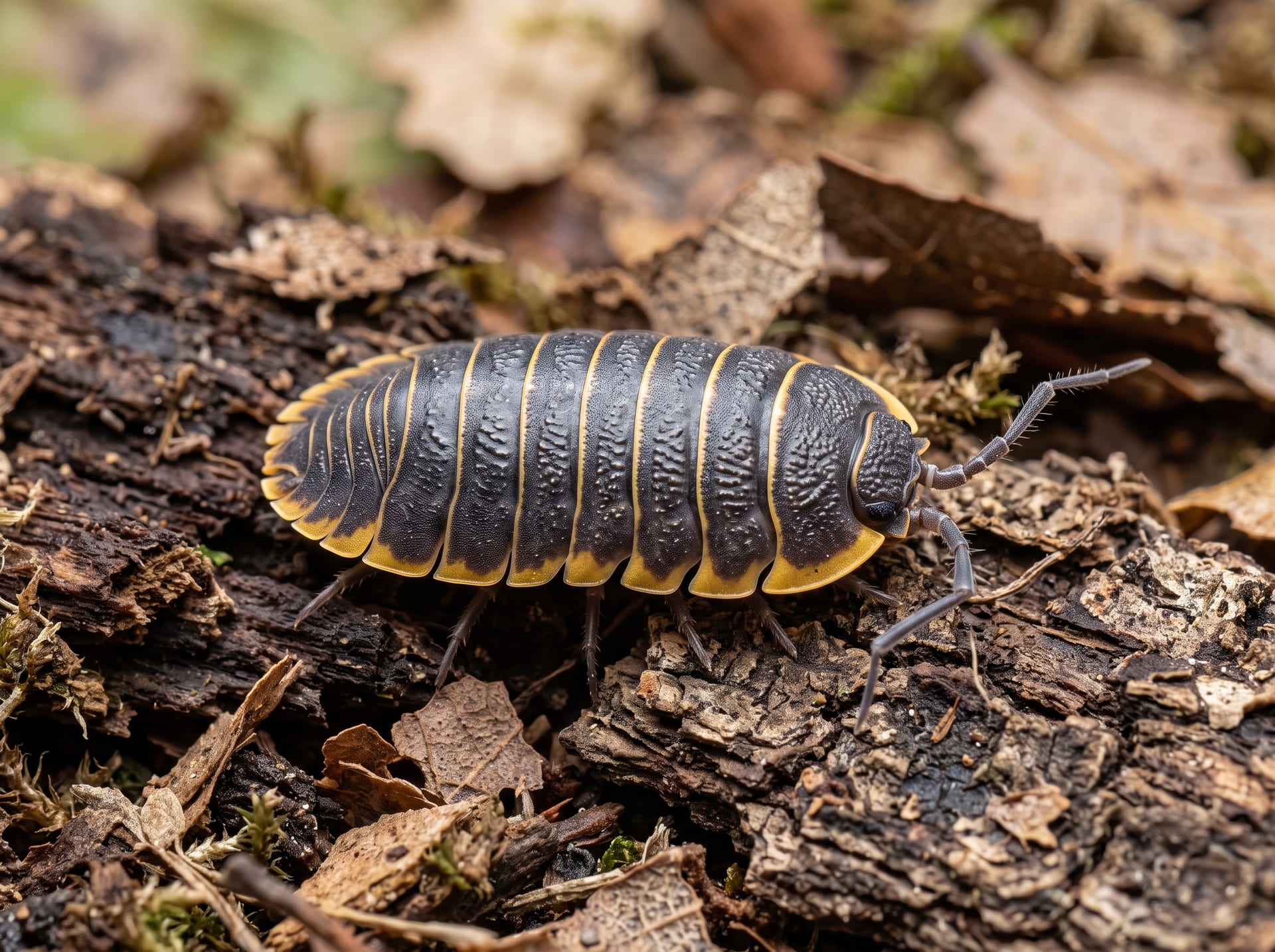
華麗鼠婦
Porcellio magnificus
體表粗糙、體型碩大的西班牙產鼠婦,備受歡迎。喜歡偏乾燥的環境和豐富的鈣質。行動敏捷但無咬傷、無毒,是無害的腐食性物種。
鼠婦波塞利歐大型
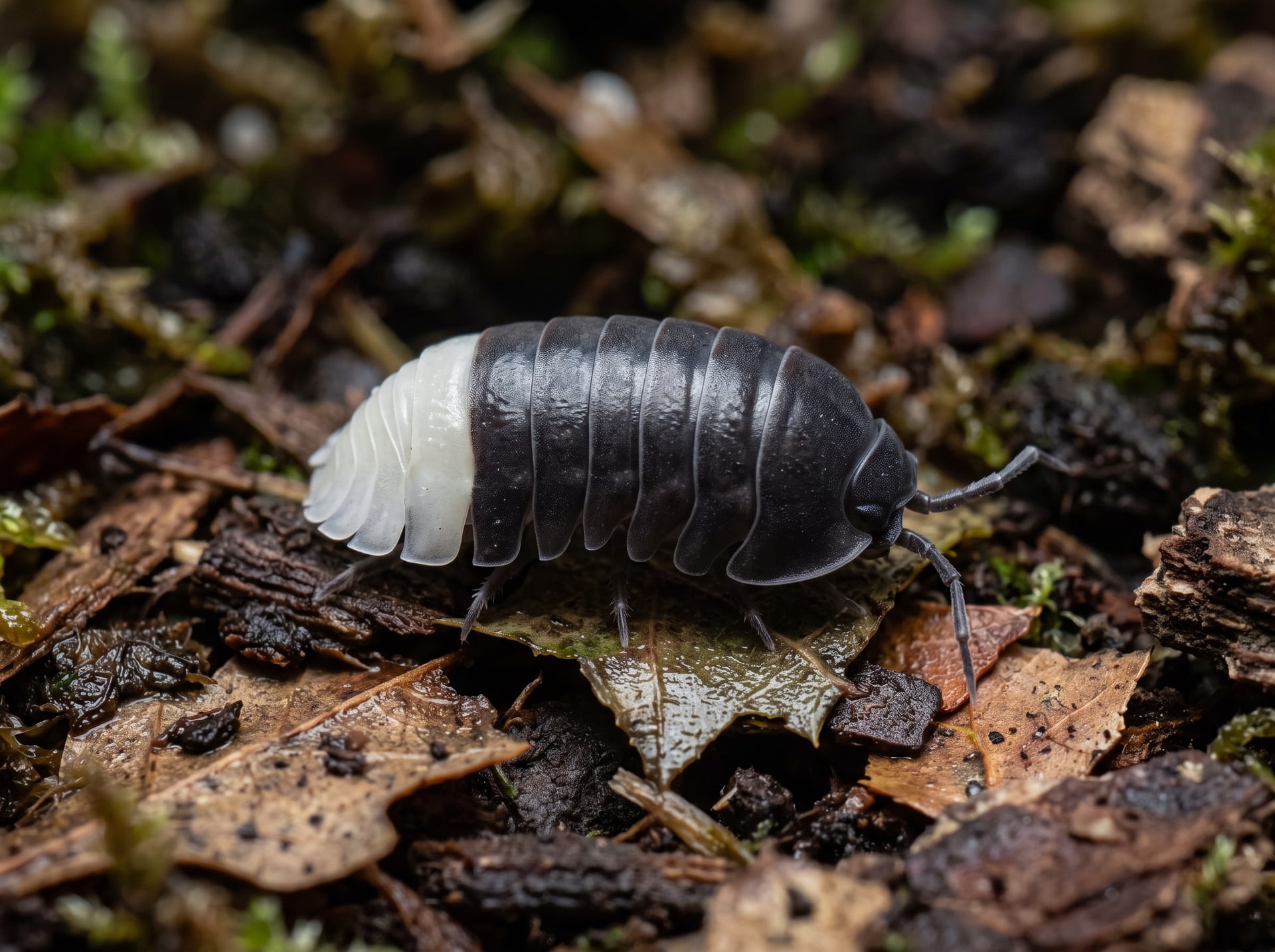
熊貓王木蝨(Cubaris sp.)
Cubaris sp. "Panda King"
黑白熊貓紋路美麗的庫巴里斯系人氣種。學術上屬未記載種,「Cubaris sp.」為其正式學名。喜好高濕度和石灰質環境,繁殖速度緩慢。為腐食性昆蟲,不咬人,無毒,完全無害。
木蝨庫巴里斯觀賞
奇蟲圖鑑常見問題
- What are exotic invertebrates? Can beginners keep them?
- It's a general term for invertebrates centered on arachnids and myriapods such as tarantulas, scorpions, millipedes, and whip scorpions. Hardy species like the Chilean rose tarantula and terrestrial millipedes are relatively easy to keep and popular with beginners.
- How much do exotic invertebrates cost?
- Common hardy tarantulas run 3,000-30,000 yen, while rare species exceed tens of thousands. Scorpions are around 2,000-15,000 yen and millipedes 1,000-5,000 yen. Prices vary with rarity, size, and whether the animal is captive-bred (CB).
- How long do exotic invertebrates live?
- Female tarantulas are remarkably long-lived, reaching 10-20+ years depending on species, while males live only 1-3 years after maturity. Scorpions live 5-8 years and millipedes roughly 3-10 years depending on species, with many kept long-term through repeated molts.
- What equipment is needed for exotic invertebrates?
- Basics include a secure enclosure, substrate (moisture-retaining or dry depending on species), a shelter, and a water dish. Many species need heating, so prepare a heat mat and a thermometer-hygrometer. Arboreal tarantulas need height and climbing structures, while burrowing species need deep substrate.
- What safety precautions apply to exotic invertebrates?
- While most tarantulas have mild venom, urticating hairs and bites can trigger allergic reactions. Some scorpions and centipedes are venomous enough to require medical attention, so always research each species' risks in advance. Keep enclosures securely sealed and locked to prevent escapes.