爬虫类·两栖类图鉴|全80个品种一览
人气爬虫类·两栖类的饲养信息·特征·价格汇总。
Featured 爬虫类·两栖类图鉴
显示80个物种中的33个(25–33)
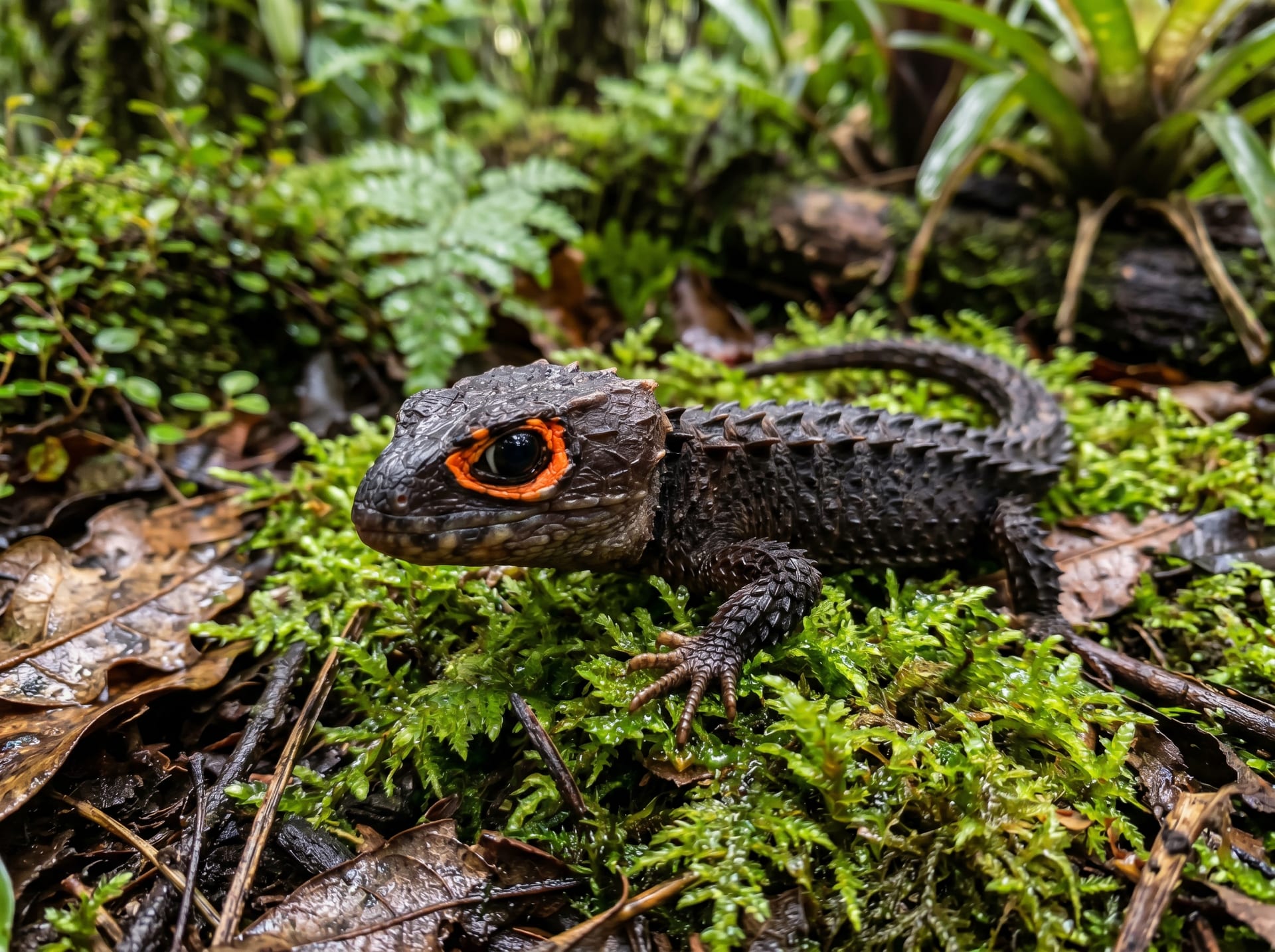
红眼鳄鳞蜥
Tribolonotus gracilis
特征是红色眼圈和鳄鱼般的鳞片,是迷你龙蜥。体型小巧,占用饲养空间少,但胆小且喜欢躲藏。需要高湿度环境的森林栖息种。
中级爱好者适用迷你龙蜥高湿度
 © Brian Gratwicke / CC BY 2.0
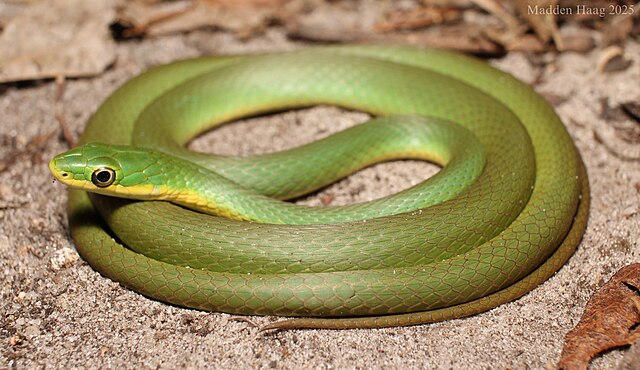
粗皮绿蛇
Opheodrys aestivus
鲜艳的绿色细长蛇。以昆虫为食,性格温和,树栖的美丽小型品种。寿命为5~8年。成体大小为50~80厘米。昆虫。在竖长的笼子中放置活的植物。
绿蛇绿色昆虫食
 © Davidvraju / CC BY-SA 4.0
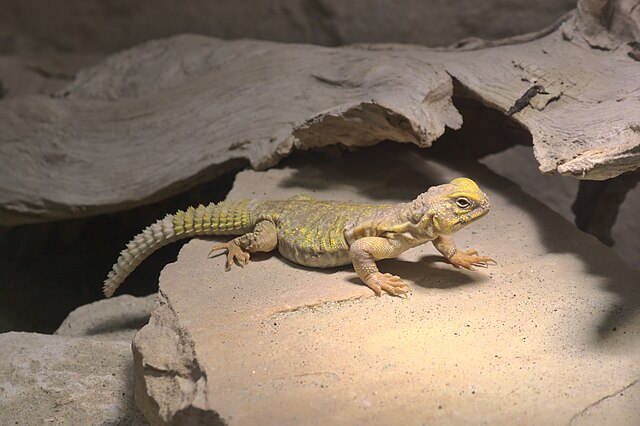
撒哈拉棘尾蜥
Uromastyx geyri
在撒哈拉沙漠色彩鲜艳的黄色和橙色棘尾蜥。草食性,脾气温和,是受欢迎的物种。寿命15~20年。成体体长30~40cm。蔬菜、种子、豆类。
撒哈拉黄色草食
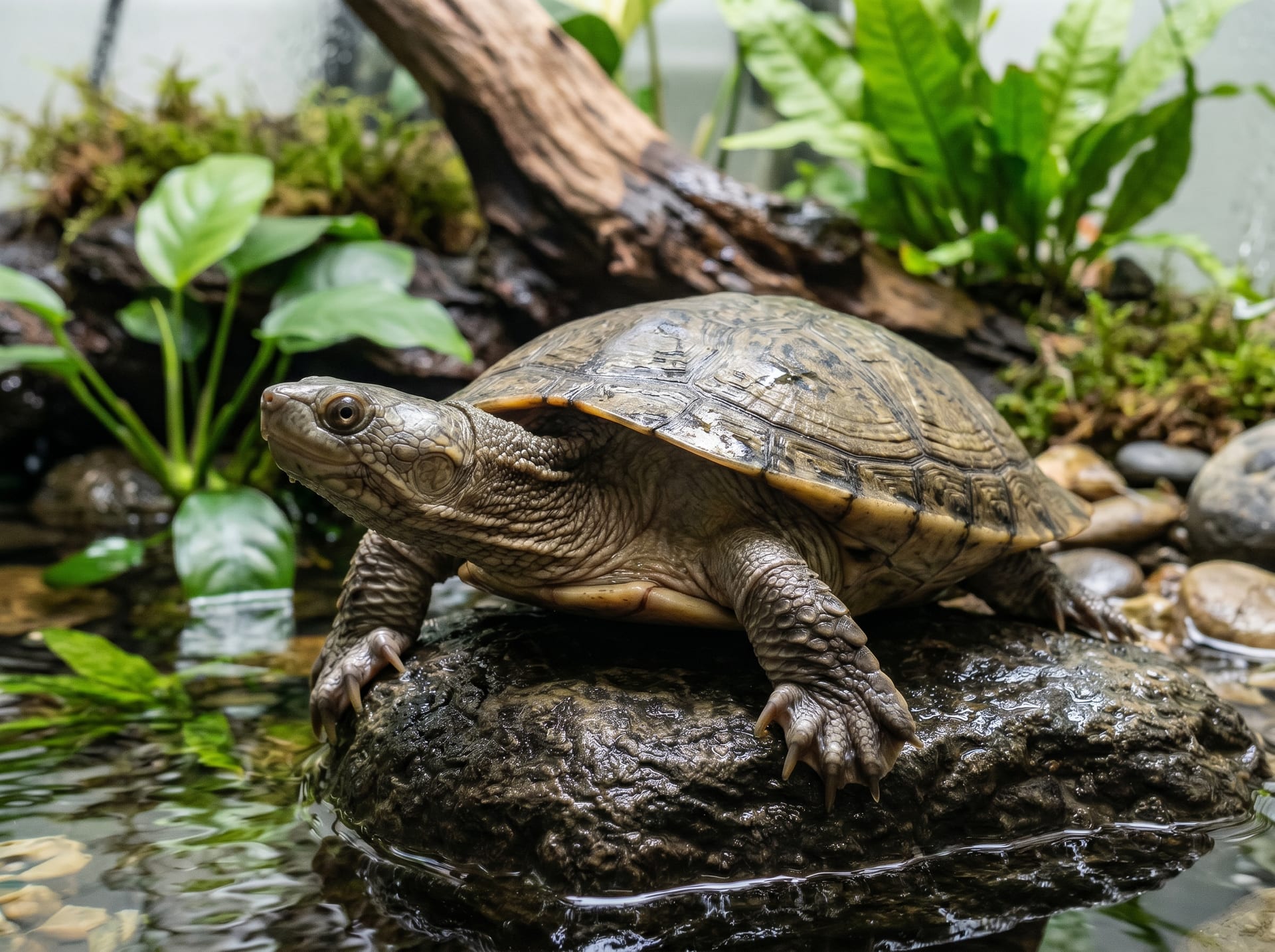
长颈龟
一种独特的水生龟,可以将脖子侧向折叠并收缩到龟壳中。分布在澳大利亚和非洲。寿命为15-30年。成体体长为15-30厘米。食物为鱼、甲壳类和人工饲料。
长颈侧颈水生龟
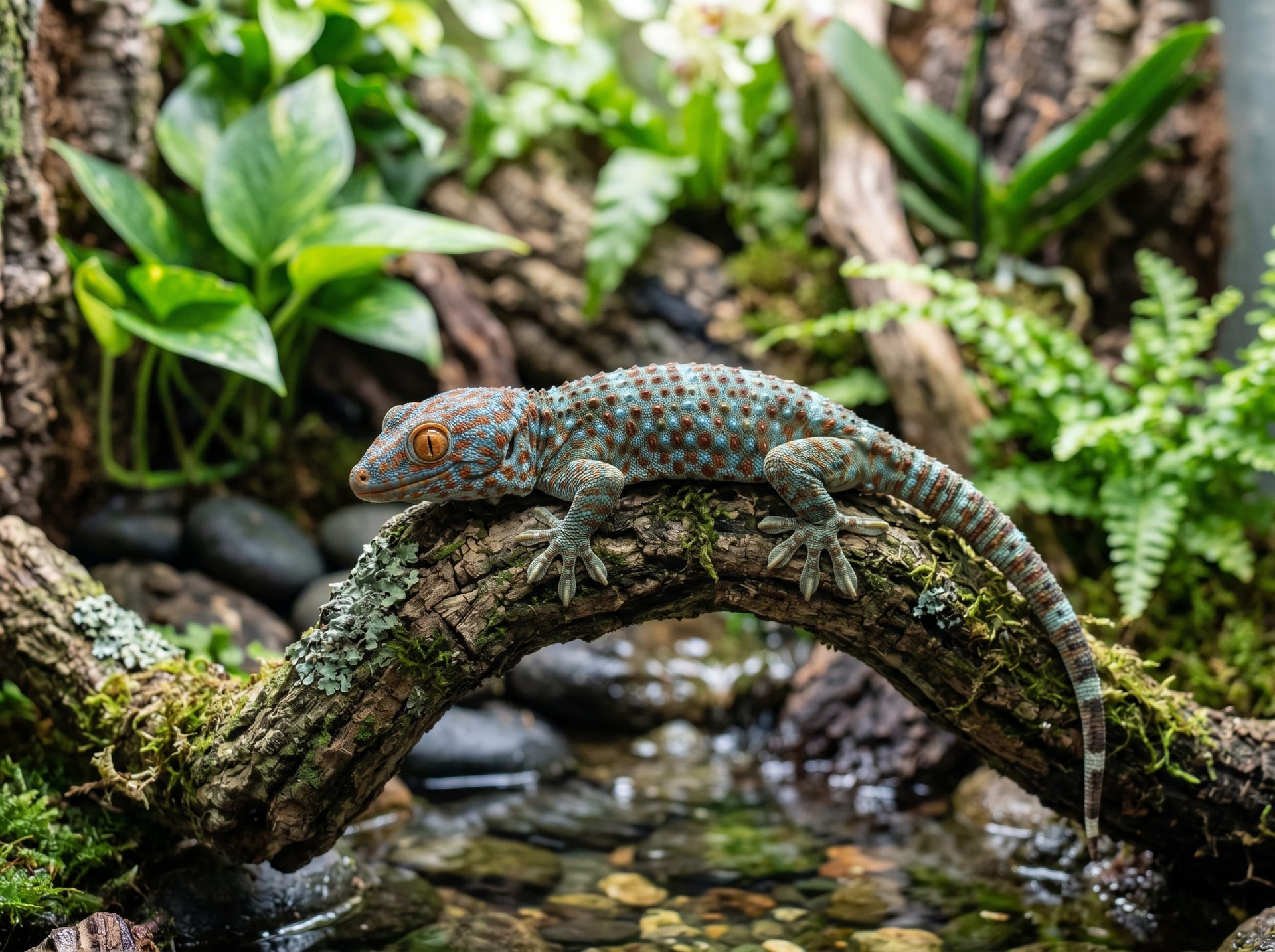
托凯壁虎
Tokay gecko
东南亚最大级别的壁虎。鲜艳的蓝色身体和红色斑点十分美丽,但气性凶悍,以咬伤著称。鸣声也很有特色。
大型壁虎夜行性性格凶悍
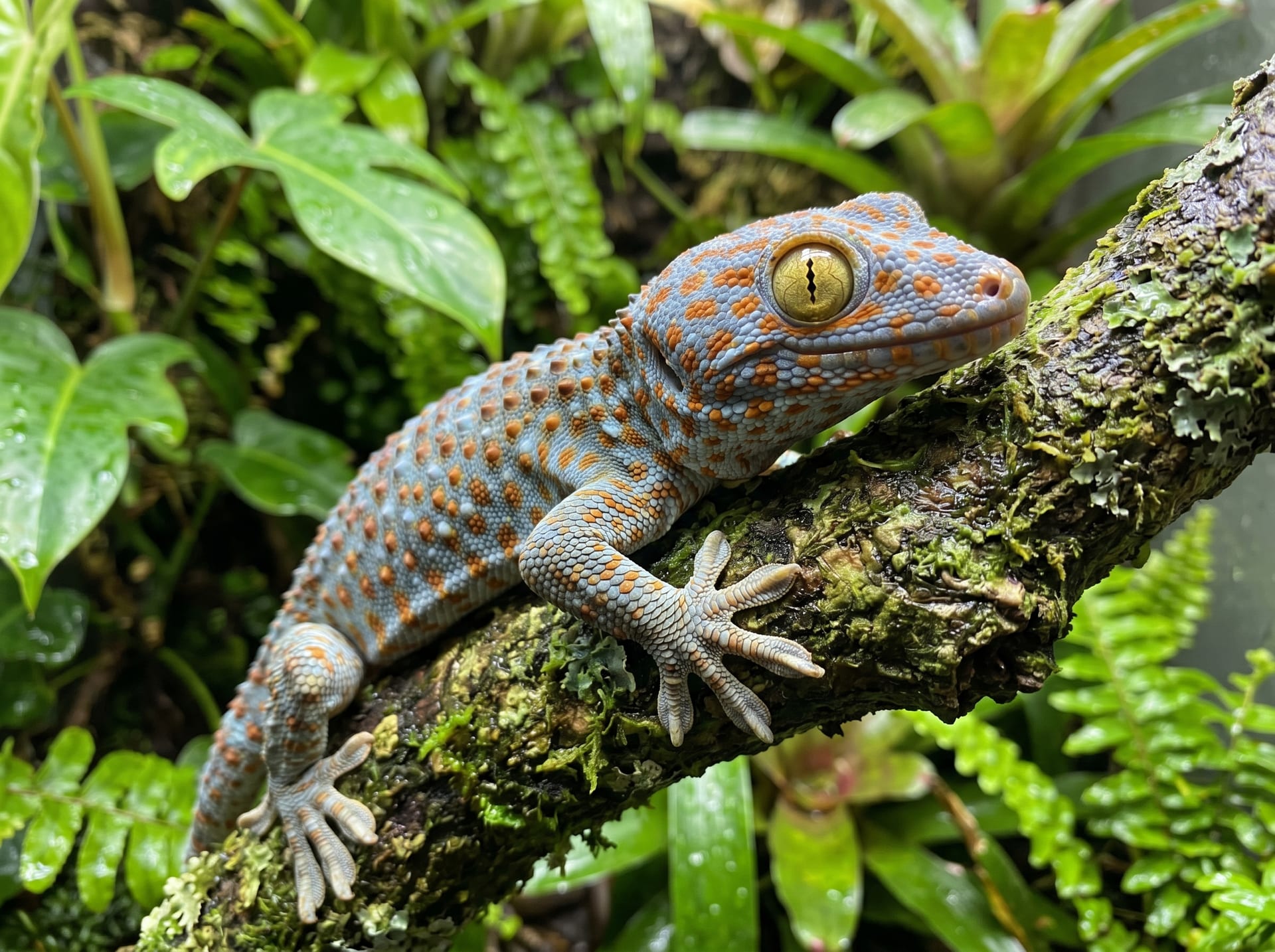
托卡壁虎(人工繁殖个体)
Gekko gecko
身体呈青灰色,点缀着橙色斑纹,是美丽的大型壁虎。独特的"托凯"叫声是其名字的来源。野生个体脾气暴躁,但人工繁殖个体相对温顺。可以在墙壁和天花板上自由爬行。
中级大型壁虎墙面爬行
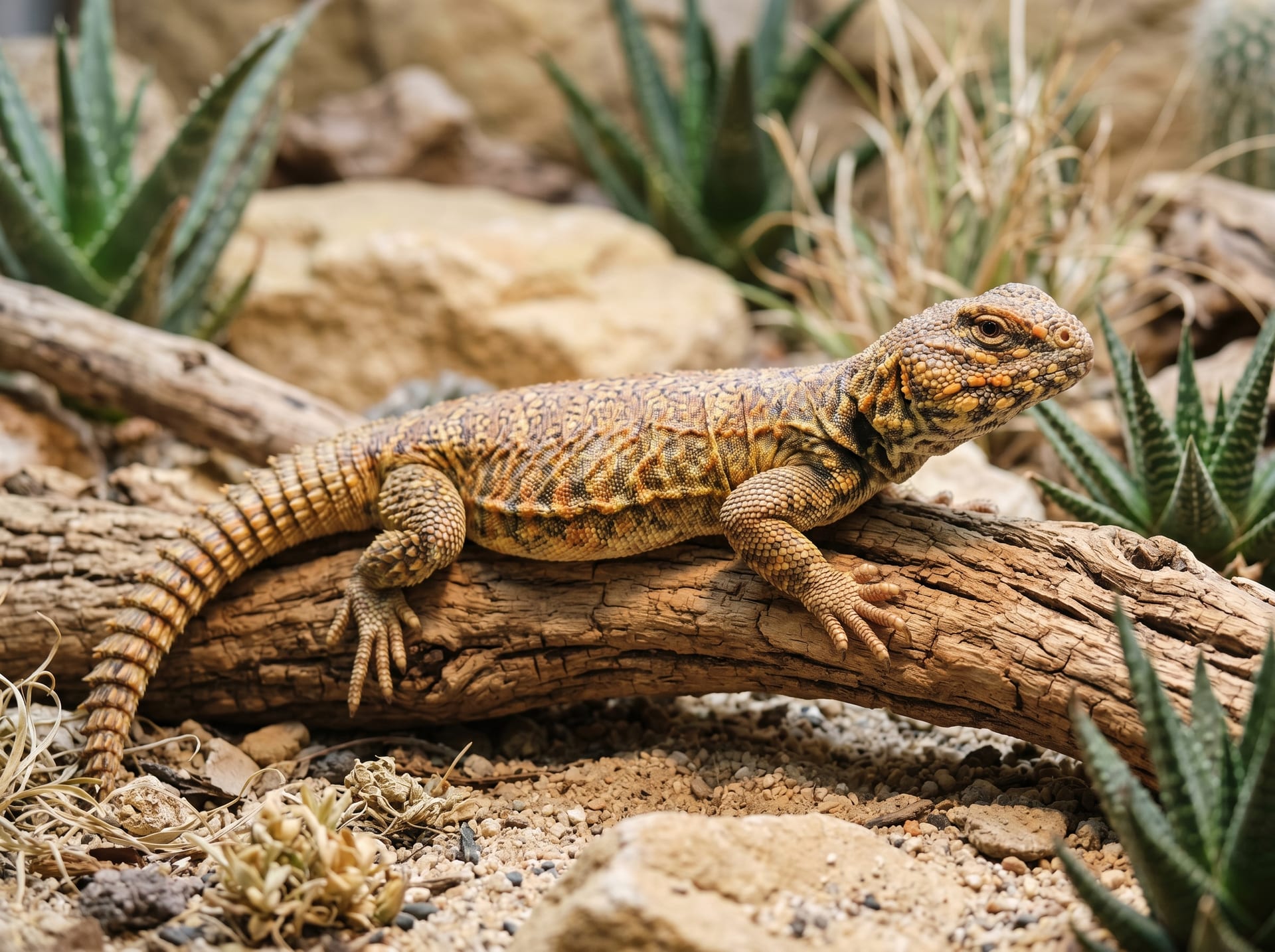
棘尾蜥
栖息于沙漠的有棘尾的蜥蜴。草食性且温和。喜好高温干燥环境。色彩丰富的品种很多。寿命为15-20年。成体体长为25-50厘米(因种类而异)。种子、蔬菜、豆类。
沙漠草食性高温饲养
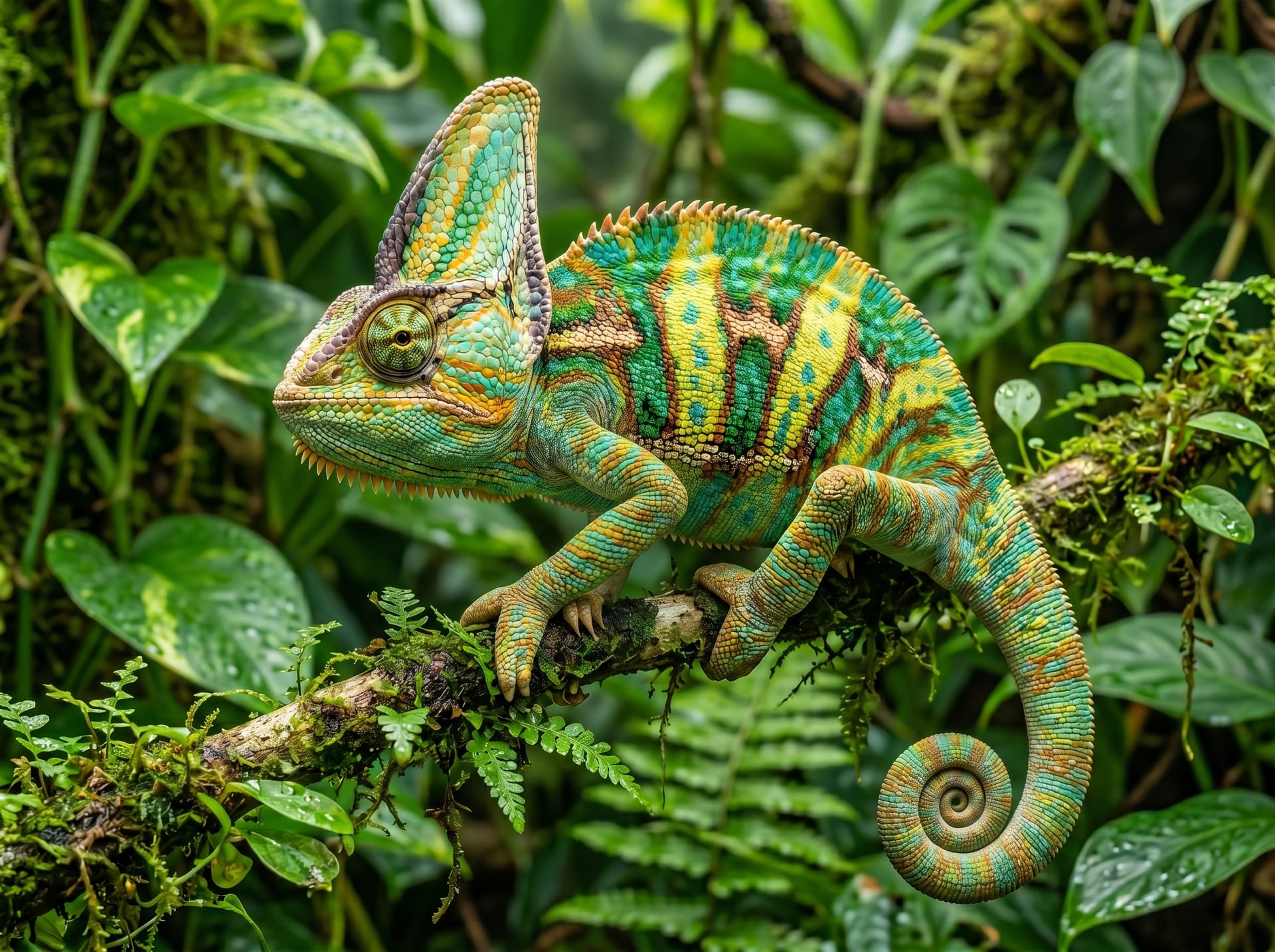
高冠变色龙
Chamaeleo calyptratus
头部具有显著大型头冠的变色龙。在变色龙中最耐养且易于饲养,相对适合初学者饲养。以鲜艳的绿色配黄色条纹为特征。
中级爱好者变色龙网状笼舍
 © Movingsaletoday edited by Muhammad / Public domain
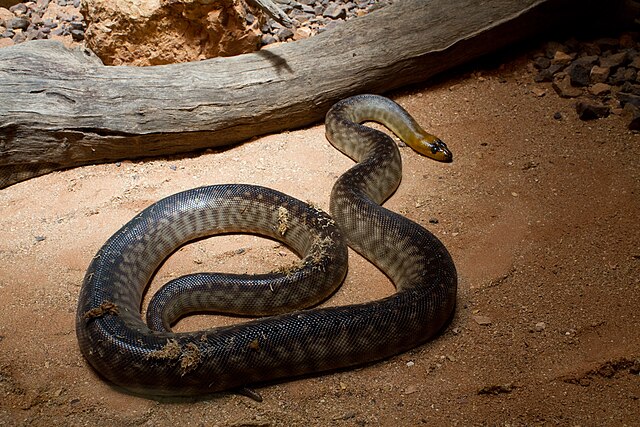
沃玛蟒
Woma python
澳大利亚原产的温和蟒蛇。条纹花纹美丽,性格温顺,颇受欢迎。寿命为15~20年。成体大小为100~150厘米。食物为鼠类。
沃玛蟒蛇澳大利亚
爬虫类·两栖类图鉴常见问题
- Can beginners keep reptiles?
- Leopard geckos, corn snakes, and bearded dragons are hardy and easy to care for, making them popular beginner reptiles. Once you learn temperature and humidity management, long-term care is achievable.
- How much do reptiles cost?
- Leopard geckos cost 5,000-30,000 yen, ball pythons 10,000-100,000+ yen, and bearded dragons 10,000-40,000 yen, varying greatly by morph (variety).
- How long do reptiles live?
- Leopard geckos live 15-20 years, ball pythons 20-30 years, bearded dragons 8-12 years, and some tortoises 50+ years. Be prepared for long-term commitment.
- What equipment is needed for reptiles?
- Basic equipment includes an enclosure, heat sources (heat mat/heat lamp), thermometer-hygrometer, UVB light (species-dependent), water dish, and substrate. Proper temperature gradient is most important.
- What should I check when buying reptiles?
- Check that the animal is active, has clear eyes, no stuck shed, and is eating well. Captive-bred (CB) specimens adapt better to captive environments.