来源:Wikimedia Commons
五角甲虫
适合新手Eupatorus gracilicornis
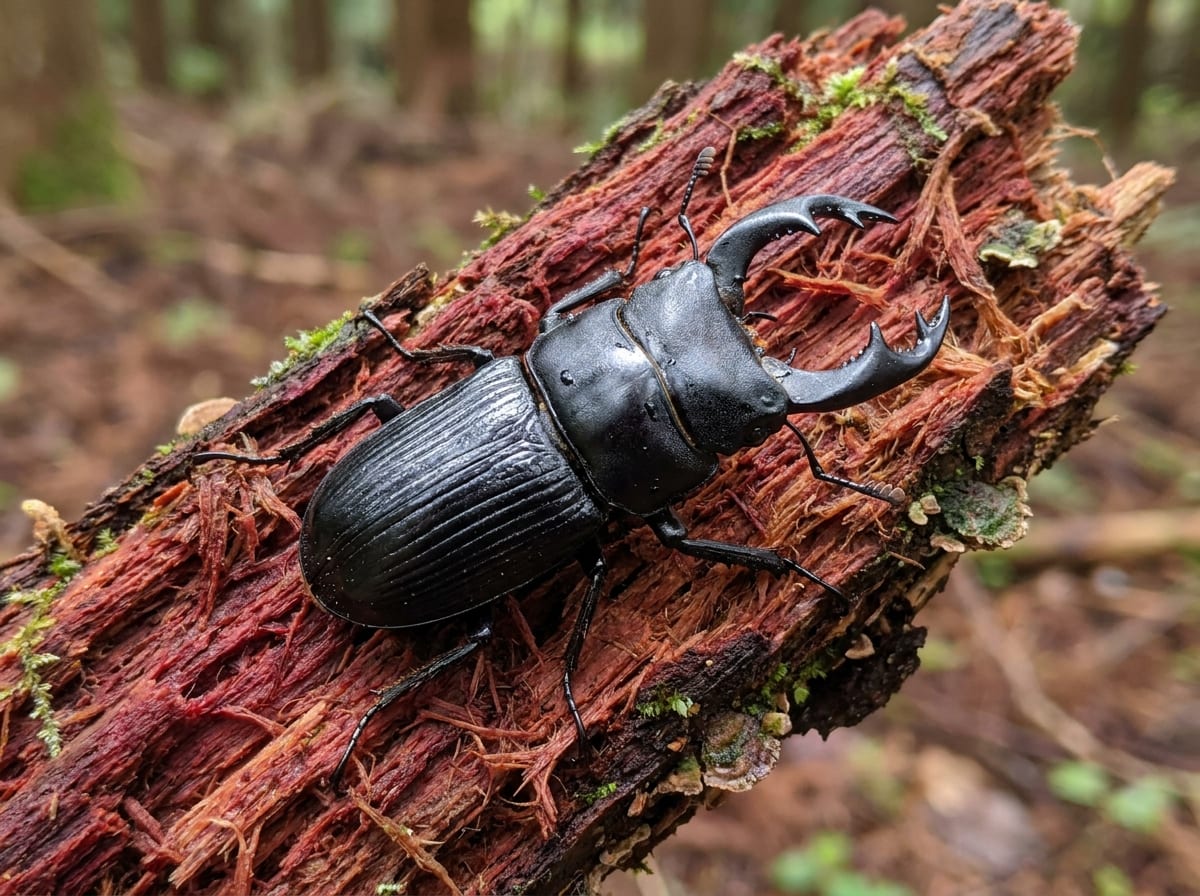
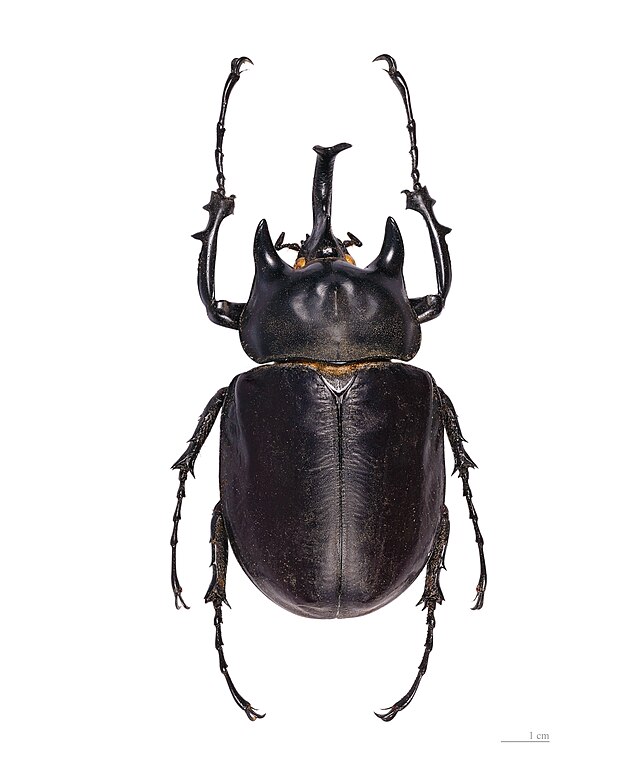
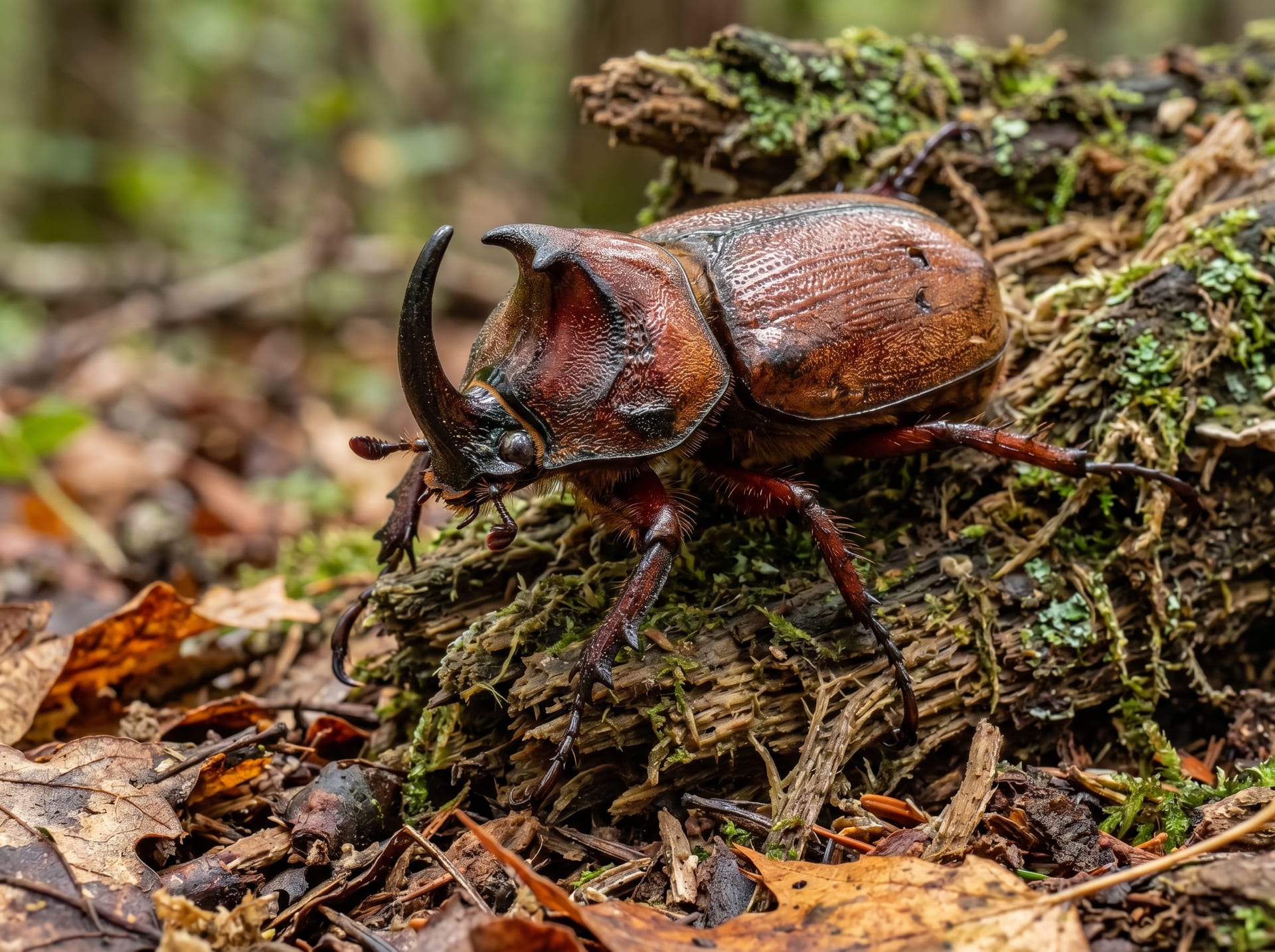
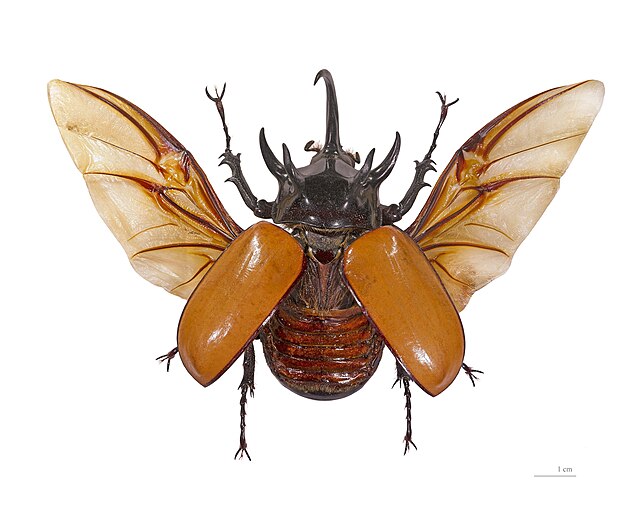
头部和胸部共有5本角的独特甲虫。产自东南亚。体型相对较小,易于饲养。成虫寿命3-6个月,幼虫6-10个月。
难度
适合新手
温度
20〜28℃
寿命
成虫3-6个月,幼虫6-10个月
体型
最大60毫米
湿度
60〜80%
饮食
昆虫果冻(成虫)、发酵垫(幼虫)
关于我们
戈洛法属(Golofa)的甲虫分布于中美洲和南美洲热带雨林,以独特的角形著称。雄虫头部和胸部拥有细长的角,体长约40-60毫米,属于外国甲虫中的中等体型。体色为黑色至暗褐色,具有光泽。相对容易饲养,是外国甲虫饲养的入门种。产卵可在发酵垫中进行,幼虫期约6-10个月。成虫以昆虫果冻为食。与大兜虫等大型种相比,体型紧凑,易于管理,其独特的角形是主要的吸引点。这是初学者学习甲虫饲养乐趣的理想种类。
五角甲虫的寿命
五角甲虫的寿命为成虫3-6个月,幼虫6-10个月。
成虫寿命约3-6个月。
五角甲虫的体型
五角甲虫的成体体型为最大60毫米。
五角甲虫的适宜温度与湿度
饲养温度为22-27℃,可在中型饲养箱中使用发酵垫进行饲养。
基本信息
产地
中美洲至南美北部的热带雨林
寿命
成虫3-6个月,幼虫6-10个月
体型
最大60毫米
温度
20〜28℃
湿度
60〜80%
饮食
昆虫果冻(成虫)、发酵垫(幼虫)
饲养指南
饲育记录与产地
饲育记录(♂)
96.5 mm
记录来源: BE-KUWA 2025年度版(五本角·普兰迪 饲育96.5mm 三浦凉 2021、全长=含角)
代表产地
泰国缅甸中国南部印度支那
产地亚种
- Eupatorus gracilicornis gracilicornis(指名亚种)
- Eupatorus gracilicornis prandii — (大型亚种)
具有5根角的五角锹形虫(Eupatorus gracilicornis,不是 Golofa)。饲养记录:Prandi96.5 / 原名亚种93.4mm。记录包括角的全长。饲养记录在 BE-KUWA(Mushi-sha)的竞赛中每年更新。个体价值因产地、代数(CBF/WF/WD)和体型而大幅变动。
累代代码说明
- WD
- 野外采集个体
- WF1
- 野外采集雌虫所产的下一代
- F1〜
- 同产地同种的累代(世代数)
- CBF1
- 异产地交配后重新计代的累代
参考与来源
编辑与数据核验: BreederDirect编辑部
本页的分类·法规·饲养数据依据下列权威一手来源编制并核验。
分类与学名依据
法规与保护状况
非CITES管制
植物防疫法: 金龟子上科(兜虫、锹形虫、花金龟等)的活体进口时,需要根据《外来物种法》附加由输出国政府机构等发行的种类名证明书(进口港限于成田、中部、关西、福冈、鹿儿岛各机场)。本种本身不属于特定外来物种,附加证明书后可以进口。
来源: 环境省《外来物种法》"向进口金龟子上科活体昆虫的人士" / CITES 附录(checklist.cites.org)
法规可能修订,请以各主管机关的最新一手信息为准。
五角甲虫商品
正在加载最新商品查找此物种的商品