奇虫图鉴|全70个品种一览
汇总狼蛛、蝎子、蜈蚣等人气奇虫的饲养信息、特征和难度的品种图鉴。
显示70个物种中的4个
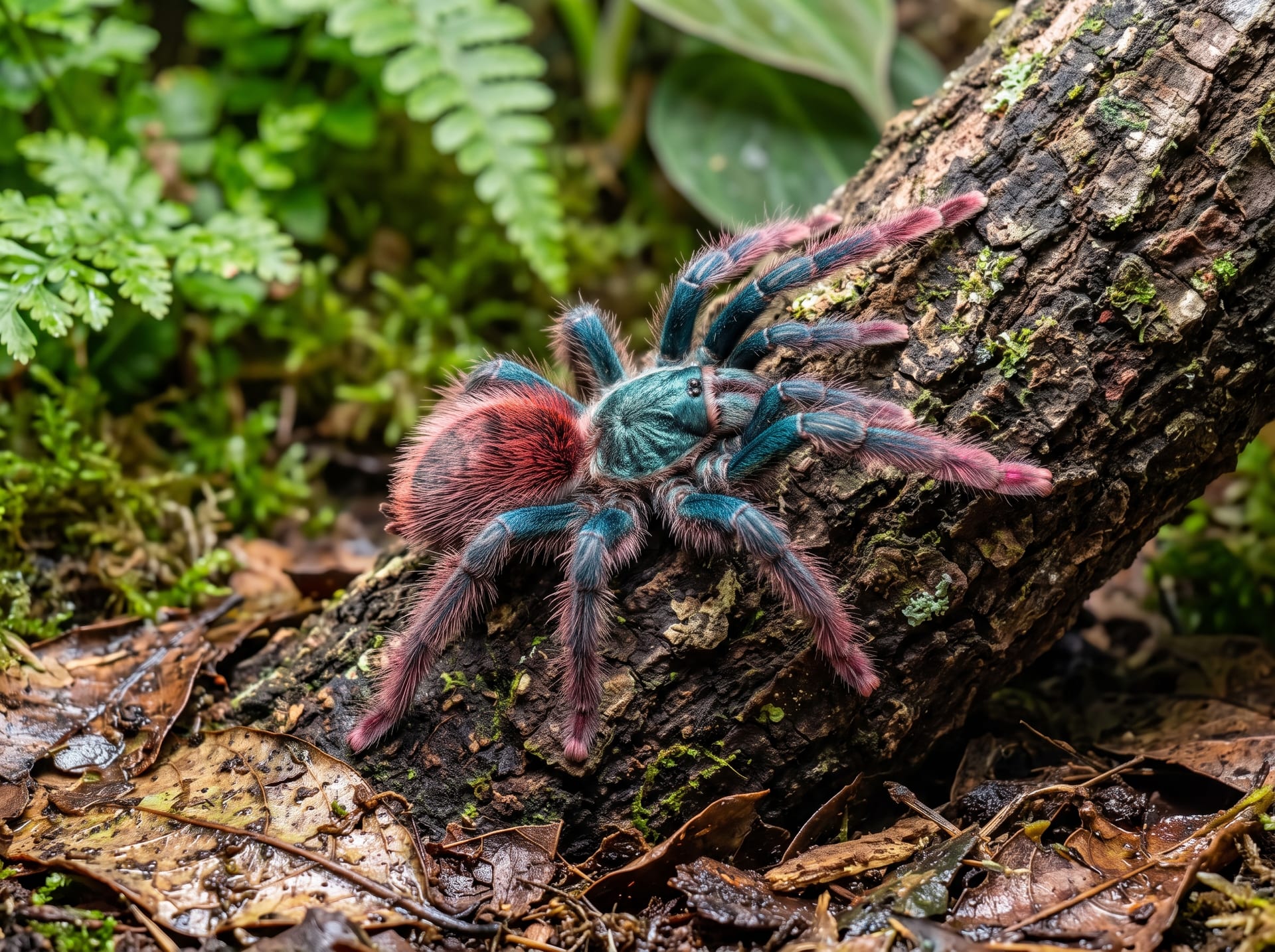
彩虹变色蛛
Caribena versicolor
幼体呈青色,成体变为混合绿、红、紫色的彩虹色树栖美种。原产于马提尼克岛,需同时保持通风和湿度,对中级饲养者来说有难度。
中级饲养者适用树栖彩虹色
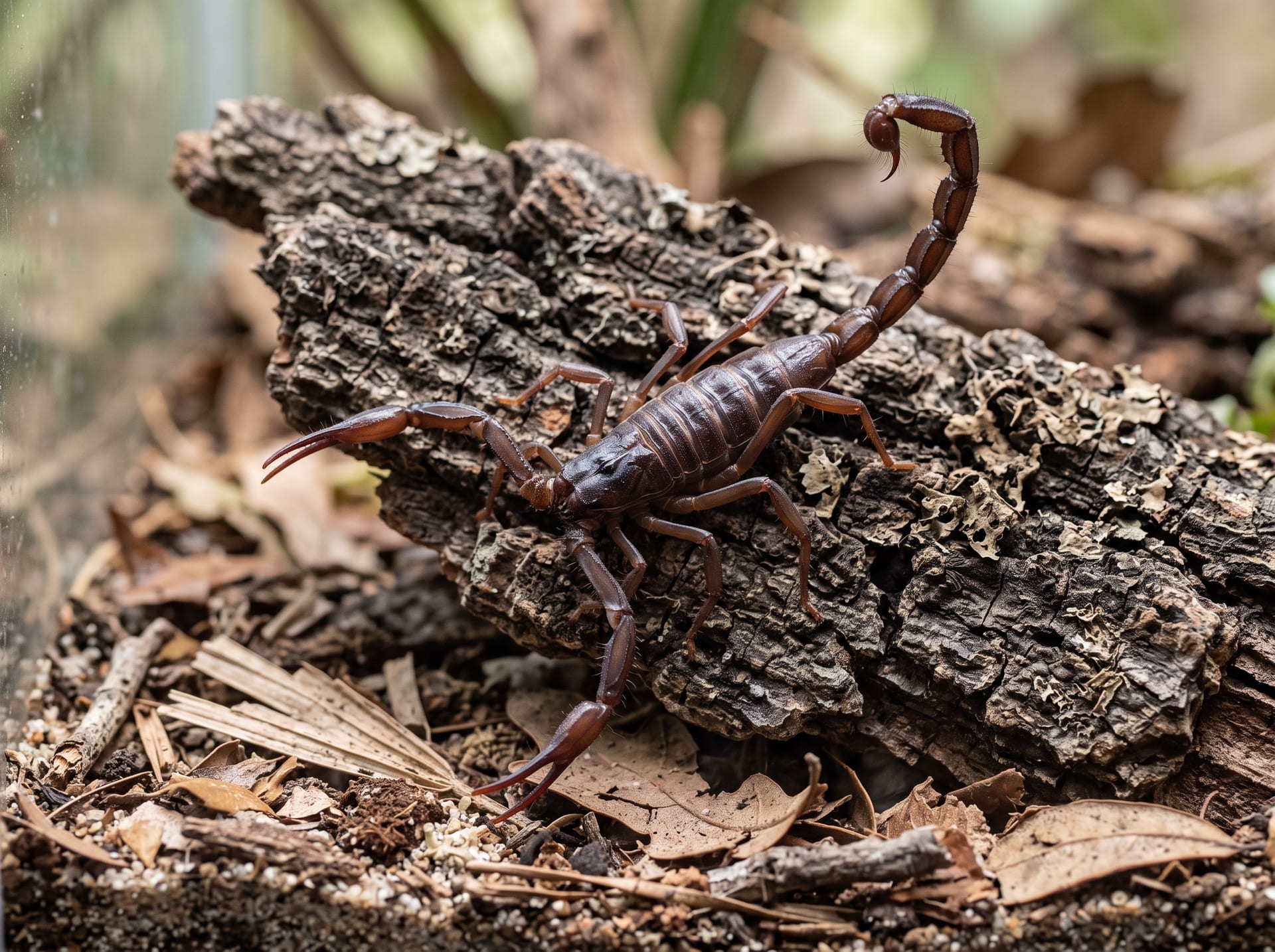
优雅金蝎
Centruroides gracilis
原产于中南美洲,也已在美国佛罗里达州建立种群的纤细蝎类。潜伏在树皮下。毒性因种类而异,本种毒性水平大致为中等,被螫时伴有强烈疼痛。
树栖中等毒性敏捷
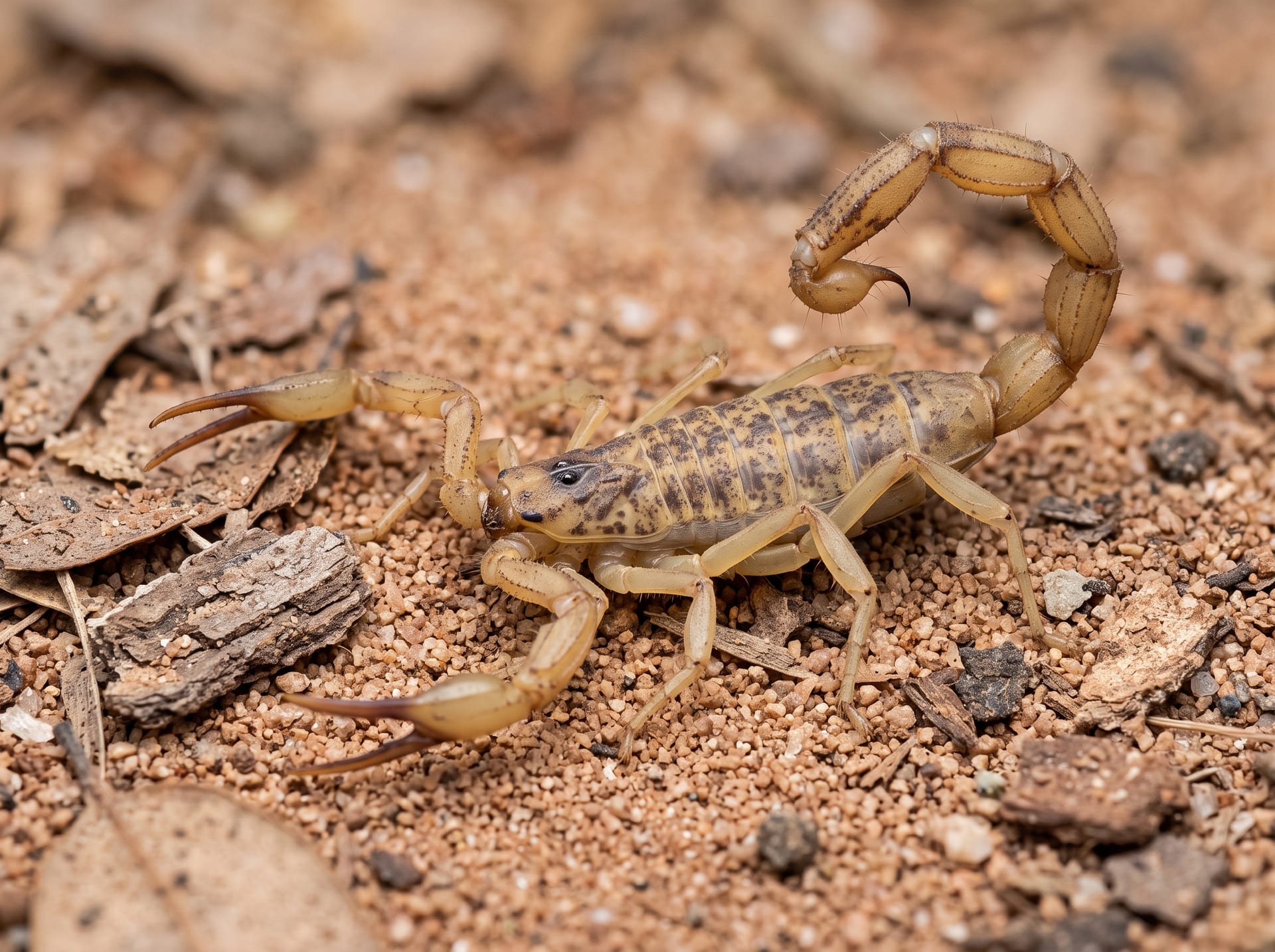
点纹玉蝎
Isometrus maculatus
广泛分布于世界热带和亚热带地区的小型蝎,也已在日本西南诸岛定居。以细长的尾部和体表斑点纹样为特征。毒性相对较弱,但活动敏捷且速度快。
小型种斑点纹样敏捷
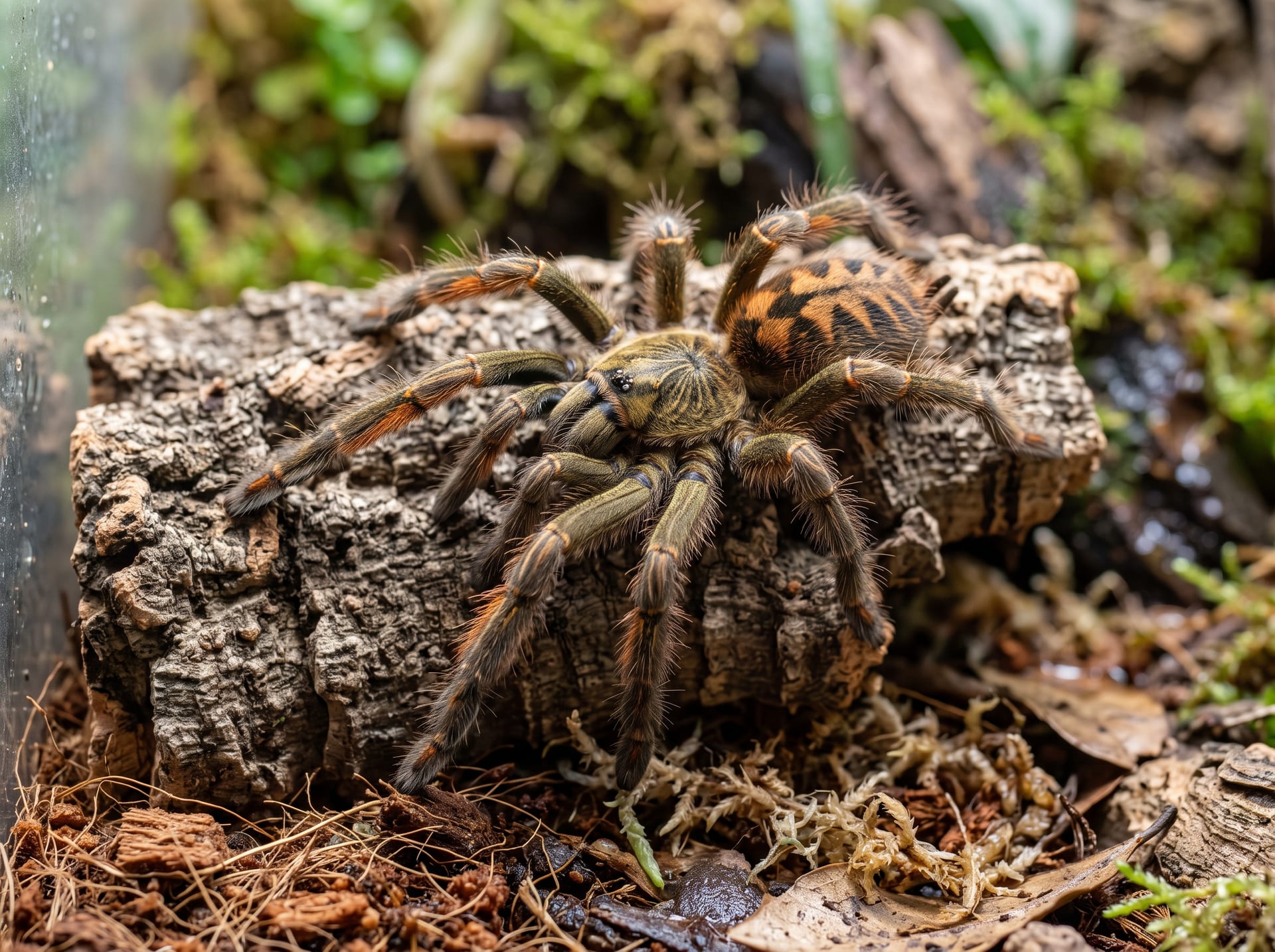
特立尼达人纹蛛
Psalmopoeus cambridgei
腹部具有人纹图案,身体呈橄榄色至红褐色,是树栖蛛类。虽然没有刺激毛且生长快速,但其性格敏捷且防御性强,毒液相对较强,因此适合中级至高级饲养者。
中级饲养者树栖敏捷
奇虫图鉴常见问题
- What are exotic invertebrates? Can beginners keep them?
- It's a general term for invertebrates centered on arachnids and myriapods such as tarantulas, scorpions, millipedes, and whip scorpions. Hardy species like the Chilean rose tarantula and terrestrial millipedes are relatively easy to keep and popular with beginners.
- How much do exotic invertebrates cost?
- Common hardy tarantulas run 3,000-30,000 yen, while rare species exceed tens of thousands. Scorpions are around 2,000-15,000 yen and millipedes 1,000-5,000 yen. Prices vary with rarity, size, and whether the animal is captive-bred (CB).
- How long do exotic invertebrates live?
- Female tarantulas are remarkably long-lived, reaching 10-20+ years depending on species, while males live only 1-3 years after maturity. Scorpions live 5-8 years and millipedes roughly 3-10 years depending on species, with many kept long-term through repeated molts.
- What equipment is needed for exotic invertebrates?
- Basics include a secure enclosure, substrate (moisture-retaining or dry depending on species), a shelter, and a water dish. Many species need heating, so prepare a heat mat and a thermometer-hygrometer. Arboreal tarantulas need height and climbing structures, while burrowing species need deep substrate.
- What safety precautions apply to exotic invertebrates?
- While most tarantulas have mild venom, urticating hairs and bites can trigger allergic reactions. Some scorpions and centipedes are venomous enough to require medical attention, so always research each species' risks in advance. Keep enclosures securely sealed and locked to prevent escapes.