Source: Wikimedia Commons
Japanese Crabapple
BeginnerMalus × floribunda
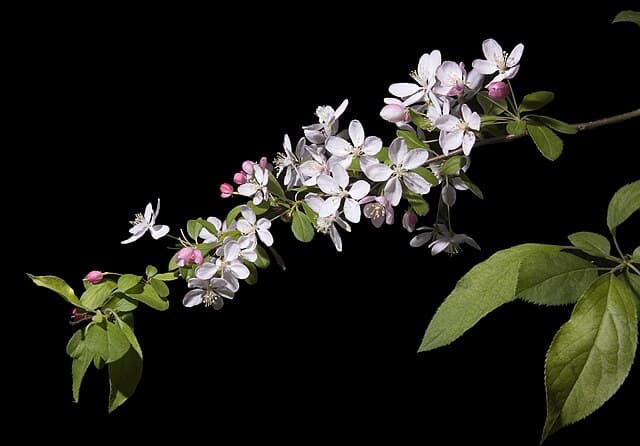
Flowering and fruiting bonsai with white-pink spring blooms and small red autumn fruits. Double enjoyment from flowers and fruits. Hardy and beginner-friendly.
难度
Beginner
温度
-5〜35℃
寿命
100+ years
体型
10-40cm (bonsai size)
饮食
−
关于我们
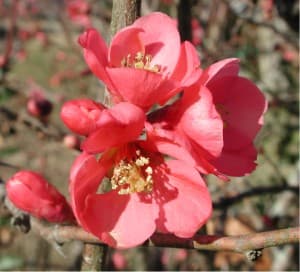
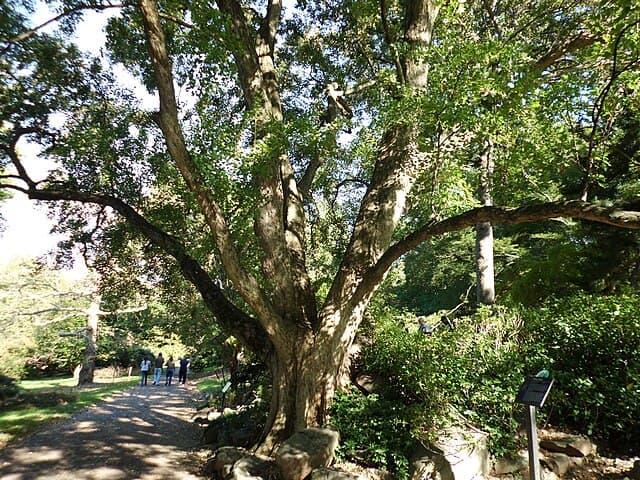
Malus sieboldii, commonly known as Toringo crabapple or Japanese crabapple (Zumi in Japanese), is a deciduous small tree in the family Rosaceae, native to Japan, the Korean Peninsula, and northern China. In spring, it produces masses of white to pale pink five-petaled flowers that open from deep pink buds, creating a spectacular floral display. In autumn, the branches bear clusters of small (5–10 mm) bright red crabapples that persist into winter. The species also produces attractive autumn foliage. In bonsai, it is cherished as a dual-season 'flower and fruit' specimen, and mature specimens develop characterful bark with impressive root flare.
基本信息
产地
Japan, Korean Peninsula, and northern China
寿命
100+ years
体型
10-40cm (bonsai size)
温度
-5〜35℃
饮食
−
饲养指南
Placement
Outdoor full sun. Sunlight important for flowers and fruit
Watering
Heavy drinker. Especially in bloom and fruiting seasons
Styling
Prune after bloom. Decide which fruiting branches to keep
Notes
Watch for powdery mildew. Prevent with airflow and spraying
Beginner-friendlyFlower & FruitWhite bloom red fruitDouble enjoyment
Japanese Crabapple常见问题
Q饲养Japanese Crabapple的难度如何?
A
Beginner. 这是一个适合初学者的物种。不需要特殊设备或经验,基本的饲养设置即可成功饲养。
QJapanese Crabapple的理想温度是多少?
A
Japanese Crabapple的理想温度为-5〜35℃。避免温度骤变,保持稳定的环境。
QJapanese Crabapple的寿命是多长?
A
Japanese Crabapple的平均寿命为100+ years。通过适当的护理和营养,它们可以长寿健康地生活。
Japanese Crabapple的问答
查找此物种的商品