仓鼠遗传学与品种改良:从毛色基因基础到多样色彩变异机制
本文阐述了侏儒仓鼠和金色仓鼠的毛色遗传基因机制,以及用于品种改良的基本杂交策略。仓鼠的毛色由众多基因复杂交织而成。通过理解遗传机制,可以通过有计划的杂交更容易地培育出具有目标毛色的个体。本文主要以侏儒仓鼠和金色仓鼠为中心,阐述毛色遗传学的基础和品种改良的实践思路。希望作为爱好者和饲养员进阶的您一定能从中获益。
要点总结
本文阐述了侏儒仓鼠和金色仓鼠的毛色遗传基因机制,以及用于品种改良的基本杂交策略。仓鼠的毛色由众多基因复杂交织而成。通过理解遗传机制,可以通过有计划的杂交更容易地培育出具有目标毛色的个体。本文主要以侏儒仓鼠和金色仓鼠为中心,阐述毛色遗传学的基础和品种改良的实践思路。希望作为爱好者和饲养员进阶的您一定能从中获益。
相关品种
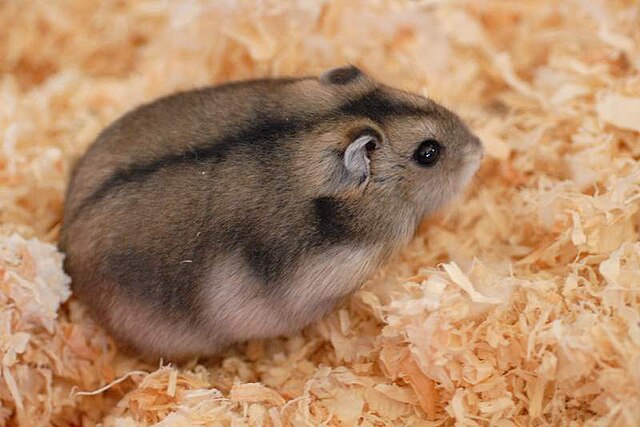
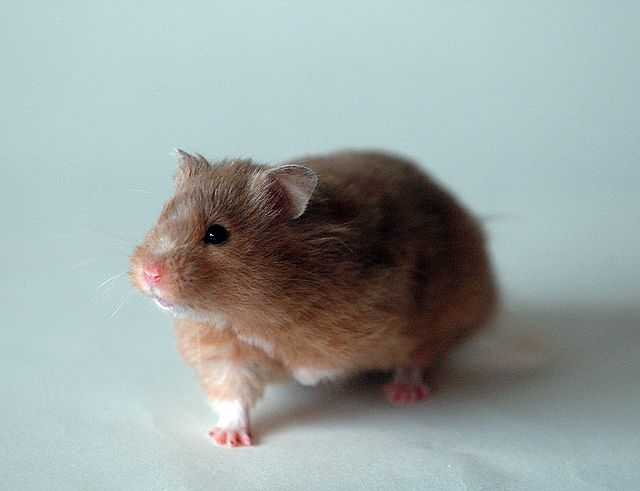
仓鼠的毛色由众多基因复杂交织而成。通过理解遗传机制,可以通过有计划的杂交更容易地培育出具有目标毛色的个体。本文主要以侏儒仓鼠和金色仓鼠为中心,阐述毛色遗传学的基础和品种改良的实践思路。希望作为爱好者和饲养员进阶的您一定能从中获益。
仓鼠毛色遗传学基础
色素类型与黑色素细胞的作用
哺乳动物的毛色由"黑色素细胞(色素细胞)"产生的黑色素决定。黑色素主要分为两大类。
- 真黑色素:从黑色到深褐色系的色素,由B基因(Brown locus)控制
- 褐黑色素:从黄色到红色再到浅褐色系的色素,当花鼠信号转导蛋白(ASIP)增多时产生量增加
这两种色素在每根毛发内部以什么样的比例和分布产生,决定了毛色的多样性。此外,"稀释(dilute)基因"和"白斑基因"的叠加产生了数十种以上的色彩变异。
什么是花鼠纹样
在野生型仓鼠身上看到的"背部深色、腹部白色"的条纹纹样被称为"花鼠纹样"。这是由毛发根部到顶端真黑色素和褐黑色素带状切换而产生的自然界伪装色。当a基因(non-agouti)为纯合子时,这种纹样消失,全身呈单一颜色。
金色仓鼠的主要色彩相关基因
金色仓鼠是颜色变异最丰富的品种。让我们掌握主要的基因。
| 基因 | 功能 | 表现型示例 |
|---|---|---|
| a(non-agouti) | 花鼠纹样消失 | 全身单色系 |
| e(rust) | 黑色素置换为褐色 | 锈色模式 |
| To(Toasted) | 整体毛色向黄色稀释 | 黄色系 |
| s(piebald spotting) | 白斑基因 | 条纹·多米诺纹 |
| Wh(White belly) | 腹侧白化 | 白腹 |
| Rex | 卷毛(纯合致死倾向) | 雷克斯毛型 |
例如"奶油金色"是强调褐黑色素的多个基因组合而成的表现型。它不是由单一基因决定的,多个基因位点的相互作用(上位性)至关重要。
侏儒仓鼠的色彩遗传
珠光白(pe基因)
珠光白的毛色通过"pe基因(pearl)"呈纯合(pe/pe)状态而表现。其特点是毛色接近白色,但该基因据称也涉及珐琅质形成,存在对牙齿有影响的报告。Pe/pe杂合个体在外观上接近正常颜色,但携带一份pe基因的等位基因。
蓝宝石蓝(d基因)
d基因(dilute)具有稀释黑色素(真黑色素)的功能。在d/d纯合个体中,原本应该是黑色的部分变为灰色~蓝灰色。这就是以"蓝宝石蓝"流通的颜色。
白金(pe+d的组合)
珠光基因与稀释基因组合,会产生更淡的接近"白金"的毛色。品种改良的妙处在于有意地组合多个基因。
杂交计划的制定与基因计算
理解杂合个体与纯合个体的区别
隐性基因只有两份(纯合)都存在时才会表现在外观上。活用外观呈正常但内部携带一份隐性基因的"杂合携带者"是高效杂交的关键。
使用孟德尔比例进行预测
两只pe杂合携带者(Pe/pe × Pe/pe)杂交的理论值如下。
- Pe/Pe(纯合显性·正常):约25%
- Pe/pe(杂合·外观正常):约50%
- pe/pe(纯合隐性·珠光表现):约25%
计算结果是约四分之一的后代呈珠光白。但是少量样本往往不符合理论值,通过多代积累记录精度会提高。
通过测试杂交进行携带者判断
杂合携带者在外观上大多无法与正常区分。要确认基因型,需要进行"测试杂交(test cross)"。将要判断的个体与该性状的纯合个体(pe/pe)杂交,根据后代的毛色比例推断是否为携带者。
品种改良的注意事项
致死基因的风险
某些毛色基因在纯合状态下是致命的。金色仓鼠的Rex(卷毛)基因是典型例子,已知Rx/Rx纯合个体会出现死产或新生早期死亡率升高的现象。这类基因必须在杂合状态(Rx/+)下使用,避免纯合杂交。s基因(piebald)在纯合(s/s)时也有报告显示会影响神经系统。
近亲繁殖与遗传多样性
连续多代进行近亲繁殖,有害隐性基因容易显现。主要风险如下。
- 免疫力下降、对感染症的易感性增加
- 先天性疾病(心脏、肾脏、牙齿等)发生增加
- 繁殖能力下降、产仔数减少
每3~4代引入血统不同的个体(远交),维持遗传多样性,这对长期繁殖稳定至关重要。
记录管理与负责任的繁殖
系统台账的建立
杂交记录是品种改良的财富。应该为每一代记录以下内容。
- 亲本个体的毛色、推定基因型、血统编号
- 杂交日期、分娩日期、产仔数和各个体的毛色、性别
- 成长记录(体重变化、健康状态)
- 特殊事项(是否患病、异常行为等)
通过积累这些数据,可以看出哪些组合能产生稳定的健康个体。利用电子表格或专门的记录应用可以提高管理效率。在BreederDirect的小动物类别中销售个体时,这些详细的血统记录也能直接获得购买者的信任。
产量与领养确保的平衡
仓鼠的妊娠期仅为16~18天,一次分娩可产6~12只。无计划地增加会导致无法找到领养者,造成不幸个体增加。繁殖前一定要预留好领养地、销售渠道。同时,每只母鼠的生涯繁殖次数应以3~4次为目标,最大程度减轻母体负担。对于怀疑有遗传疾病的个体(牙齿问题、眼睛疾病、神经症状等)应将其排除在繁殖之外,以免将疾病风险传给下一代。
遗传学知识不仅是用来"创造理想毛色",更是培育能够健康长寿个体并送入社会的基础。在深化学习的同时,让我们践行负责任的繁殖。