How to build an outdoor turtle pond: sizing, filtration, basking platforms, predator protection, winter preparation, and species selection.
要点总结
How to build an outdoor turtle pond: sizing, filtration, basking platforms, predator protection, winter preparation, and species selection.
Outdoor turtle ponds represent the gold standard in turtle husbandry. The combination of natural UV exposure, seasonal temperature variation, and ample space produces healthier animals with better coloration, stronger immune systems, and more natural behavior than any indoor enclosure can replicate. With thoughtful planning, a garden pond becomes both a functional habitat and a striking landscape feature.
Start with the footprint: a minimum of 1.5m × 1m is workable for one or two small turtles, but 2m × 3m or larger is far preferable. Overcrowding is a leading cause of aggression and disease in outdoor ponds, so err on the side of generosity. Depth should range from 20–30cm in the shallows up to 60–80cm in the deepest section. This gradient serves multiple purposes — hatchlings and weaker individuals can access shallow water without struggling, while the deeper zone provides thermal refuge on hot days and a frost-free pocket in winter.
EPDM rubber liner is the material of choice for DIY builds. It is fish-safe, UV-resistant, and flexible enough to conform to complex shapes. Pre-formed rigid ponds are faster to install but limit your design options and typically lack the depth profile that turtles need. Whichever liner you choose, protect it with an underlay fleece layer to prevent punctures from roots or sharp stones.
Shape the pond with multiple levels rather than a flat bottom. A broad, gently sloping beach area on one end allows easy entry and exit. The basking platform — either a flat rock, textured concrete slab, or commercial dock — should sit close enough to the water surface that turtles can haul out easily, but be positioned to receive maximum midday sun. A ramp or rough-textured slope from the water line eliminates the single most common cause of drowning in poorly designed turtle enclosures.
Turtles produce nitrogen waste at a rate that would shock a typical fishkeeper. A filter rated for three to five times the pond volume is a reasonable starting point. External canister filters and purpose-built pond box filters both work well; submersible pond filters tend to clog quickly with turtle waste and require constant maintenance. A UV sterilizer inline with the filter dramatically reduces green water and harmful bacteria without any chemical intervention.
Despite robust filtration, partial water changes of roughly 20–30% every one to two weeks remain essential. Turtles defecate heavily immediately after feeding, so perform changes a few hours post-feeding for maximum effect. Test water parameters monthly — ammonia and nitrite should read zero, nitrate below 40 ppm. pH between 6.8 and 7.8 suits most common species.
Dense aquatic planting with hornwort, water hyacinth, or watercress helps absorb excess nutrients and provides shelter for shy individuals. Be aware that turtles will consume and uproot most soft-leaved plants, so expect to replenish regularly or protect plantings with mesh cages.
Never underestimate a turtle's determination to explore. Vertical pond walls should extend at least 30–40cm above the waterline, with a smooth surface or an inward-facing lip that prevents climbing. Turtles are surprisingly strong and can push through gaps that look too small, so inspect the perimeter carefully before introducing animals.
Aerial and ground predators are a serious threat. Grey herons, cats, raccoons, crows, and foxes will all target pond turtles — particularly juveniles. A frame-mounted net over the pond surface addresses herons and most aerial predators. For ground predators, a low perimeter fence with a buried apron of hardware cloth prevents digging. Motion-activated deterrents add a useful secondary layer of protection.
Review all plants within reach of the pond. Yew, foxglove, oleander, and several common garden species are toxic to turtles. Turtles will graze on emergent vegetation and bankside plants, so any toxic species should be relocated well away from the pond edge.
Outdoor turtles in temperate climates naturally enter brumation — a reptile equivalent of hibernation — when water temperatures drop below 10°C. Hardy species such as red-eared sliders, map turtles, and most European pond turtles tolerate this seasonal slowdown well, provided the deep section of the pond remains unfrozen.
In autumn, stop feeding as water temperatures fall below 15°C. The gut must be empty before the turtle becomes fully torpid, otherwise undigested food will rot inside the animal. Ensure the pond is clear of dead plant material that would decay and deplete oxygen during winter.
A floating pond heater or de-icer — not to warm the water, but simply to prevent complete freeze-over — is a wise investment in climates with hard winters. Turtles brumate aerobically and rely on gas exchange through the water surface and skin. A fully sealed ice cover will suffocate them within days. If your winters are severe, bringing turtles indoors for controlled hibernation in a refrigerator or cool basement is a safer alternative.
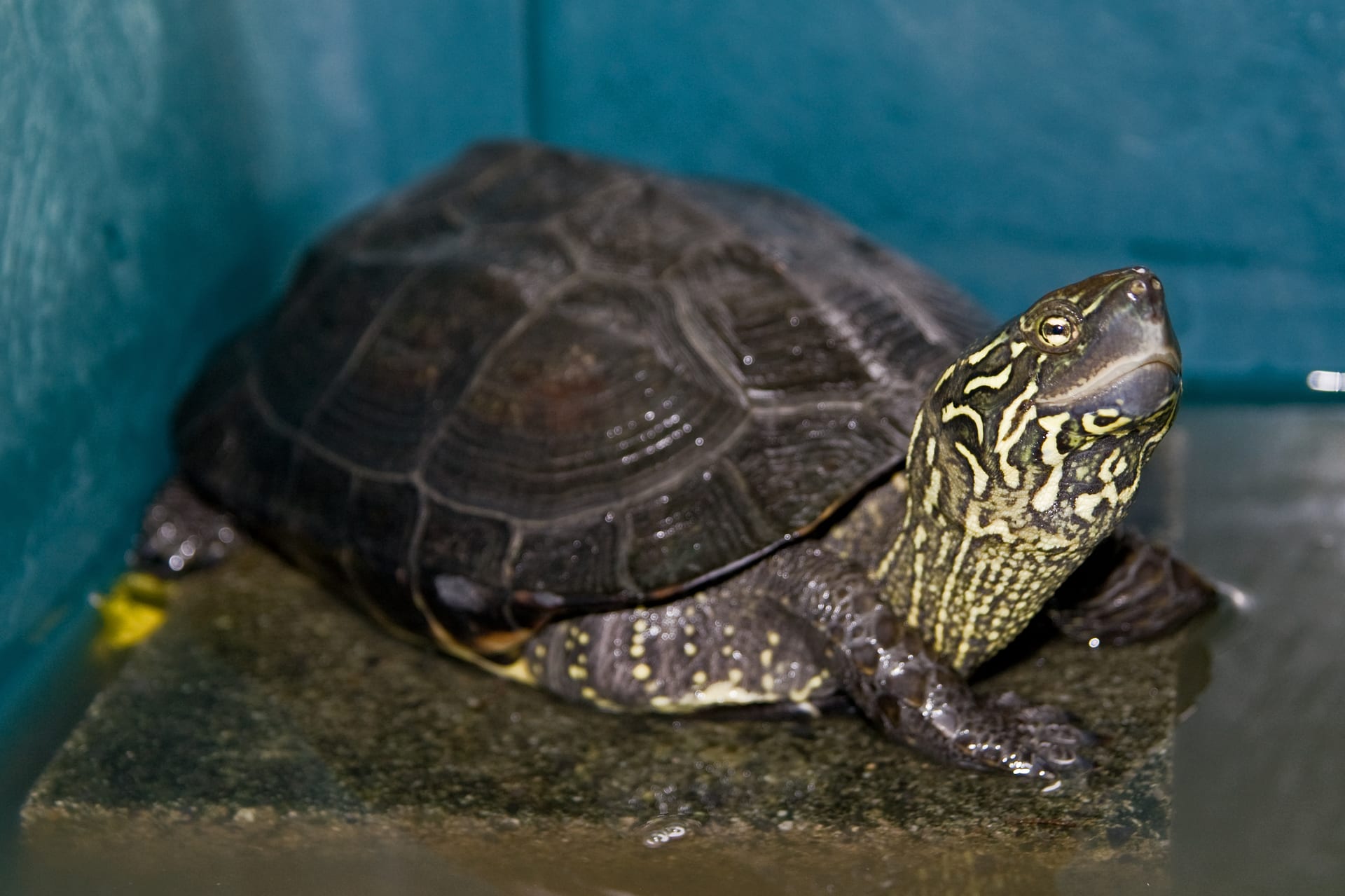
Not all turtle species are equally suited to outdoor ponds. Red-eared sliders, Cumberland sliders, and painted turtles are robust and adaptable. Japanese pond turtles (*Mauremys japonica*) thrive in outdoor settings and are a rewarding native choice. Snapping turtles are best kept alone in large, well-secured ponds due to their size and temperament.
Start with captive-bred animals sourced from reputable breeders who can confirm the individual's health history and confirm it is already acclimated to your climate zone. Wild-caught or imported turtles carry higher disease risk and may not adapt well to outdoor conditions. Introduce new turtles in spring once water temperatures have stabilized above 15°C, giving them the full warm season to settle in before their first outdoor winter.
Reptile Temperature Calculator
View basking, cool-side, night temps, humidity & UVB requirements by species
Morph Genetics Calculator
Calculate morph breeding outcomes for leopard geckos & ball pythons
Breeding Calendar
Visual monthly breeding season guide for each species
Feeding Guide
Check feeding frequency, portion sizes & supplements by species and growth stage