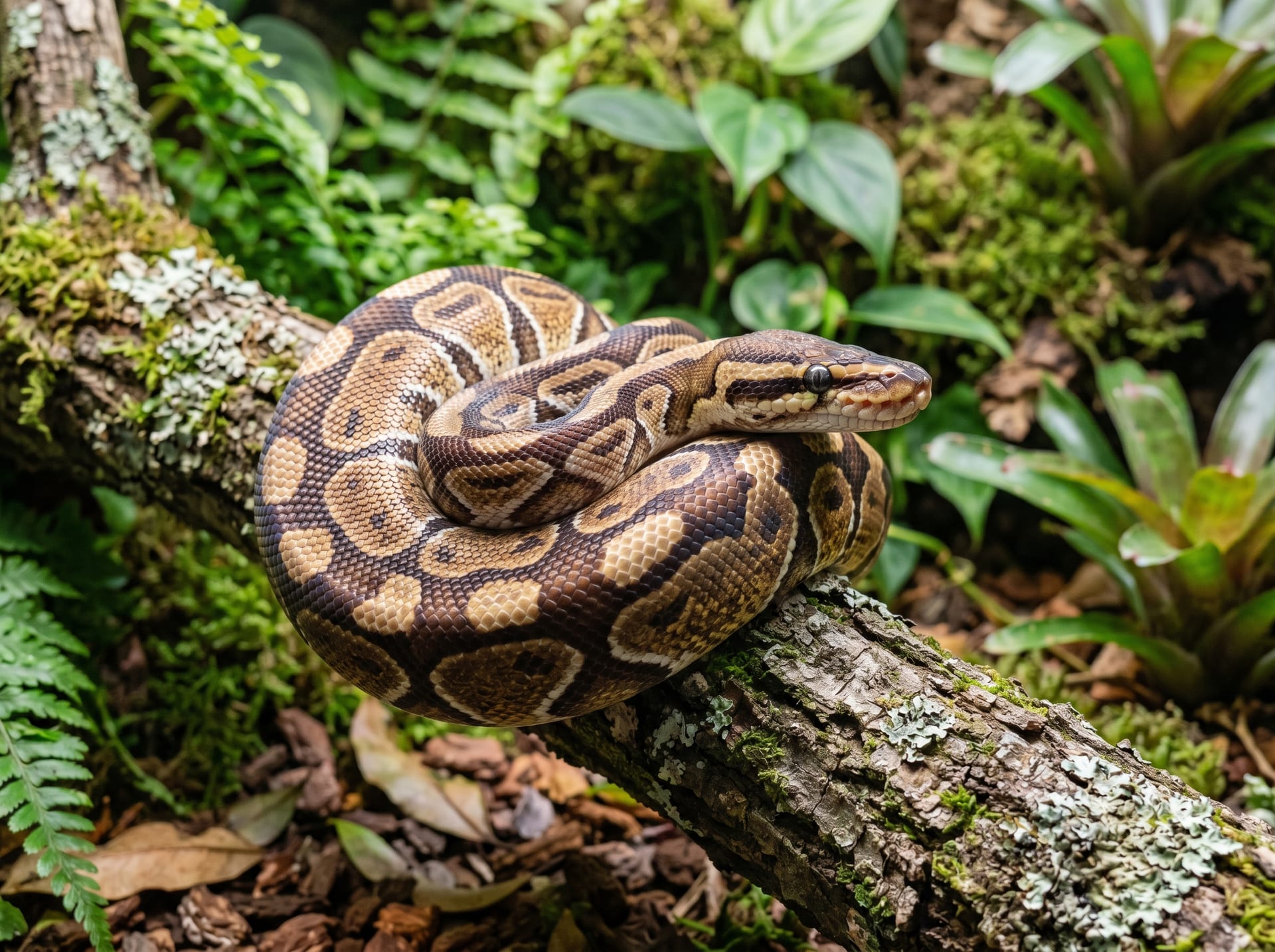
How the ball python color morph market works, pricing trends for popular morphs, and tips for selecting morphs from an investment perspective.
要点总结
How the ball python color morph market works, pricing trends for popular morphs, and tips for selecting morphs from an investment perspective.
Ball Python (Boa Constrictor) Morphs: Understanding the Breeding Market and Price Trends
Ball pythons are among the most commonly kept pet snakes in the world. Their greatest appeal lies in the seemingly infinite variations of colors and patterns created through genetic mutations (morphs). Breeders have spent decades combining these morphs, and thousands of combo morphs now exist. This article explains how the morph market works, current price trends, and key considerations for choosing breeds.
The morph market is said to have begun in 1992 when the first albino ball python sold for $75,000. Subsequently, foundational morphs such as Axanthic, Pied, and Spider were discovered and stabilized, and the market expanded rapidly in the 2000s.
New morphs continue to be discovered and developed each year. While fresh morphs command high prices, established morphs experience dramatic price declines—a cycle that repeats continuously.
Differences Between Dominant, Codominant, and Recessive
Recessive morphs have higher production costs, making them easier to maintain price stability. Conversely, dominant morphs spread quickly and experience rapid price drops.
Mature Low Price Range (¥5,000–¥30,000)
在BreederDirect上查找Reptiles
直接从认证繁殖者购买
在BreederDirect上查找与本文相关的Reptiles商品。直接从认证繁殖者购买。
These foundational morphs have been established for over 20 years, with high production volumes flooding the market.
Mid-Price Range (¥30,000–¥150,000)
This zone centers on combo morphs combining multiple foundational morphs and offers an excellent balance between visual impact and price.
High Price Range (¥150,000+)
Freshness often forms the basis of value, and significant price differences exist even within the same morph depending on individual quality (pattern and coloration).
Conversely, prices tend to decline when morphs marketed as "new cutting-edge!" command high initial prices but production suddenly increases. Market prices crash as supply rises.
For Beginners: Start with stable combo morphs in the mid-price range. Pastel/Spider combos are easy to produce and finding buyers is straightforward.
For Intermediate Breeders: Incorporate one to two recessive morphs and pursue a long-term strategy of creating combos over three to four generations. Base your work on albino, piebald, or hypomelanistic genes and combine with codominant morphs to increase value.
For Advanced Breeders: Acquire new genes early when market attention is building and establish a competitive advantage through multiple combo variations. However, this strategy carries significant risk—not all new genes achieve expected market adoption.
Japan's ball python market places higher value on rarity compared to Western markets, with the same morphs often commanding higher prices than in Europe and North America. Additionally, combos developed by Japanese breeders—sometimes called "Japanese customs"—are increasingly gaining attention from collectors both domestically and internationally.
On the other hand, import restrictions sometimes delay access to new morphs, making it crucial to read market timing as price gaps with Western markets narrow. Continued information gathering through social media and events, combined with heightened sensitivity to market trends, builds competitive advantage as a breeder.