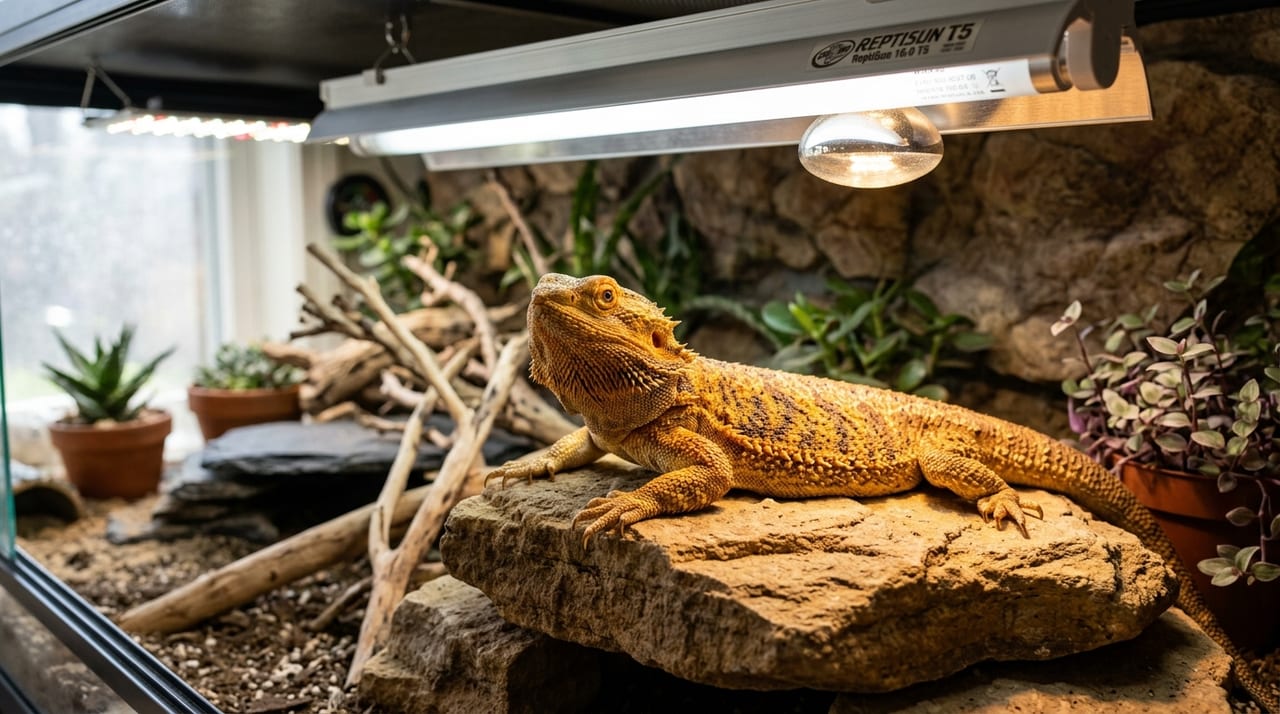
Seven common mistakes beginners make with reptiles, including temperature errors, UVB neglect, overfeeding, and delayed shed care.
要点总结
Seven common mistakes beginners make with reptiles, including temperature errors, UVB neglect, overfeeding, and delayed shed care.
Reptiles are growing in popularity year after year due to their unique charm, but because their care requirements differ significantly from dogs and cats, first-time keepers often run into certain pitfalls. This article provides a detailed look at seven common mistakes and how to avoid them.
Reptiles are ectotherms and cannot regulate their own body temperature. Temperatures that are too low can cause digestive issues, immune suppression, and food refusal, while excessive heat can lead to heatstroke and even death.
Common Patterns - Connecting a heater directly without using a thermostat - Only measuring temperature at one spot in the enclosure, failing to detect uneven heat distribution - Forgetting to manage air conditioning in summer, causing the enclosure to overheat
Solutions - Always use a thermostat with a maximum temperature setting - Place digital thermometers at both the hot spot and cool spot - Make full use of air conditioning in summer and keep temperatures below 30 degrees Celsius
For diurnal reptiles such as bearded dragons and chameleons, UVB is essential for synthesizing vitamin D3. UVB deficiency can cause MBD (Metabolic Bone Disease), leading to bone deformation and mobility problems.
Common Patterns - Assuming it is unnecessary and skipping it - Placing UVB lamps on the other side of glass (UVB does not pass through glass) - Continuing to use lamps past their replacement date (the light may still turn on, but it no longer emits UVB)
Solutions - Always install a UVB lamp for diurnal species (positioned for direct exposure) - Replace the lamp every 6 to 12 months - Use calcium supplements plus UVB as a dual-layer approach
Reptiles do not have the voracious appetite of dogs and cats. Feeding adult reptiles daily tends to cause obesity and organ disease, while underfeeding juveniles leads to stunted growth.
Common Patterns - Continuously feeding large amounts out of concern over leftovers - Offering adult-sized prey to juveniles - Not supplementing with calcium and vitamins
Solutions - Follow feeding frequency guidelines for each species and age - Use prey no wider than the reptile's head as a size guide - Dust every meal with calcium powder
Shedding is a regular occurrence for reptiles, but insufficient humidity can cause "stuck shed" (retained skin). Leaving this untreated can restrict blood flow and lead to tissue necrosis.
Common Patterns - Not checking before and after sheds - Failing to notice retained skin on toes or around the eyes - Waiting too long, assuming it will come off on its own
Solutions - After every shed, confirm that the skin came off in one piece - Install a moist hide to maintain humidity - If retained skin is found, soak the reptile in lukewarm water for 15 to 30 minutes and gently remove it with a soft towel
It is easy to think a small enclosure is sufficient while the animal is young, but fast-growing species will outgrow it within months. A cramped enclosure causes stress, leading to immune suppression and increased aggression.
Common Patterns - Continuing to use a baby-sized enclosure through adulthood - Not knowing the general guideline of "three times the animal's body length"
Solutions - Prepare an adult-sized enclosure before purchase, or choose a larger one to accommodate growth - Research the appropriate enclosure size for each species in advance
A reptile that has just arrived in a new environment is under significant stress. Forcing handling during this period can lead to food refusal, immune suppression, and stress-related death.
Common Patterns - Handling the reptile on the day of purchase out of eagerness - Continuing to handle daily despite poor appetite
Solutions - Avoid handling for at least one to two weeks after purchase to allow acclimation - Begin handling gradually only after the reptile is eating consistently
Veterinary clinics that can treat reptiles are limited, and a sudden illness can leave you without access to care nearby.
Common Patterns - Assuming reptiles rarely get sick - Scrambling to find a vet only after symptoms become obvious
Solutions - Research exotic animal veterinary clinics before purchase - Aim for annual wellness check-ups for early detection
---
Many of these mistakes can be prevented by learning the basics ahead of time. On BriChoku, you can consult with specialized reptile breeders about care methods when purchasing, so take advantage of this resource.
Reptile Temperature Calculator
View basking, cool-side, night temps, humidity & UVB requirements by species
Morph Genetics Calculator
Calculate morph breeding outcomes for leopard geckos & ball pythons
Breeding Calendar
Visual monthly breeding season guide for each species
Feeding Guide
Check feeding frequency, portion sizes & supplements by species and growth stage