Paradise Fish (Butterfly Fish) Care Guide | How to Raise Hardy East Asian Labyrinth Fish
The Paradise Fish (Macropodus), native to China and Southeast Asia, is one of the world's oldest ornamental fish. While its low temperature tolerance and hardiness make it suitable for beginners, males are highly aggressive toward each other. This guide explains care methods and tank mate compatibility.
要点总结
The Paradise Fish (Macropodus), native to China and Southeast Asia, is one of the world's oldest ornamental fish. While its low temperature tolerance and hardiness make it suitable for beginners, males are highly aggressive toward each other. This guide explains care methods and tank mate compatibility.
What Kind of Fish is Paradise Fish?
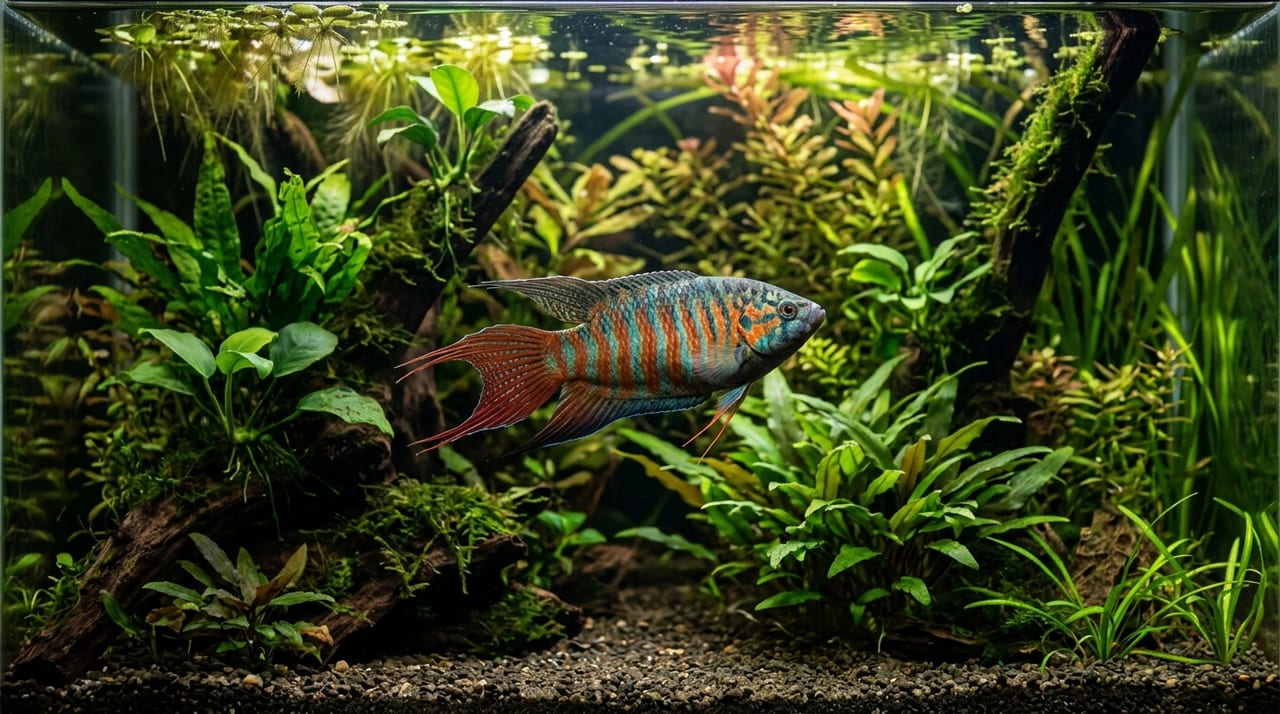
The Paradise Fish (scientific name: Macropodus opercularis) is a type of labyrinth fish (order Perciformes, family Anabantidae) widely found in rice paddies, rivers, and ponds from East Asia to Southeast Asia, including southern China, Vietnam, and Korea. It is also called "Butterfly Fish" in Japanese and is said to have been imported to Japan since the late Edo period to early Meiji period. It has an extremely long history as an ornamental fish and belongs to the same group as bettas and gouramis, which reproduce through bubble nesting.
The body color is characterized by vivid orange to red alternating with blue-green stripes, and males display particularly rich coloration during courtship and when excited. The tail, dorsal, and anal fins have delicate red thread-like extensions, and true to its Japanese name "butterfly," it attracts viewers with its elegant swimming. Adult fish reach approximately 8–12 cm in body length.
Its greatest strength is low temperature tolerance and hardiness. Because of its labyrinth organ, it can take oxygen directly from air at the water's surface, allowing it to survive in rice paddy environments with low dissolved oxygen. As one of the few tropical fish capable of overwintering indoors without a heater, it remains a popular beginner species.
Aquarium Setup and Environment
To keep Paradise Fish healthy for a long time, it is important to establish the following environmental conditions.
Item
Recommended
Tank Size
45cm (single) to 60cm or larger (pair/breeding)
Water Temperature
18–26°C
pH
6.0–8.0
Water Change Frequency
Once per week, approximately 1/3 of tank volume
For tank size, a 45cm tank is sufficient for a single fish, but 60cm or larger is recommended for pair or breeding setups. Male-to-male territorial conflicts are extremely intense, and keeping multiple males in the same tank will result in fights to the death. Keep one male per tank as a strict rule.
Water temperature should ideally be maintained between 18–26°C. Temperatures exceeding 30°C in summer will drain the fish's energy, but the fish can survive winter if room temperature stays in the mid-to-high 10s°C. However, sudden temperature changes can trigger stress-related diseases such as ich, so it's safer to install a heater during seasonal transitions when water temperature drops sharply.
A cover is essential. Labyrinth fish have the habit of surfacing to breathe air and will jump out when startled or excited. Leaving 5–8cm of space between the water surface and the lid helps stabilize air breathing and reduces the risk of jumping out.
Add live plants and driftwood generously. Large-leafed plants such as Amazon sword, ludwigia, and clumps of willow moss create hiding spots and visual barriers, which help reduce stress in males, provide escape routes for females, and stabilize bubble nests. The more densely planted the environment, the better the fish's coloration and the more easily breeding behavior is triggered.
Diet and Feeding Management
Paradise Fish are omnivorous and will eat a wide range of foods from live food to prepared diets. They rarely refuse to eat, and their voracious appetite demonstrates their hardiness.
The following combination is recommended as a basic feeding rotation.
Daily staple: Tropical fish flakes or sinking pellets
Supplementary food 1–2 times per week: Frozen bloodworms or frozen brine shrimp (provides animal protein and enhances coloration)
Live food occasionally: Brine shrimp nauplii or daphnia (particularly effective for conditioning before breeding)
Feed once or twice daily, providing only enough food to be consumed in 2–3 minutes. Uneaten food is a direct cause of water quality deterioration, so develop a habit of promptly removing any leftovers with a dropper or net. Overfeeding can lead to obesity, which slows movement and reduces breeding drive, so be careful not to overfeed.
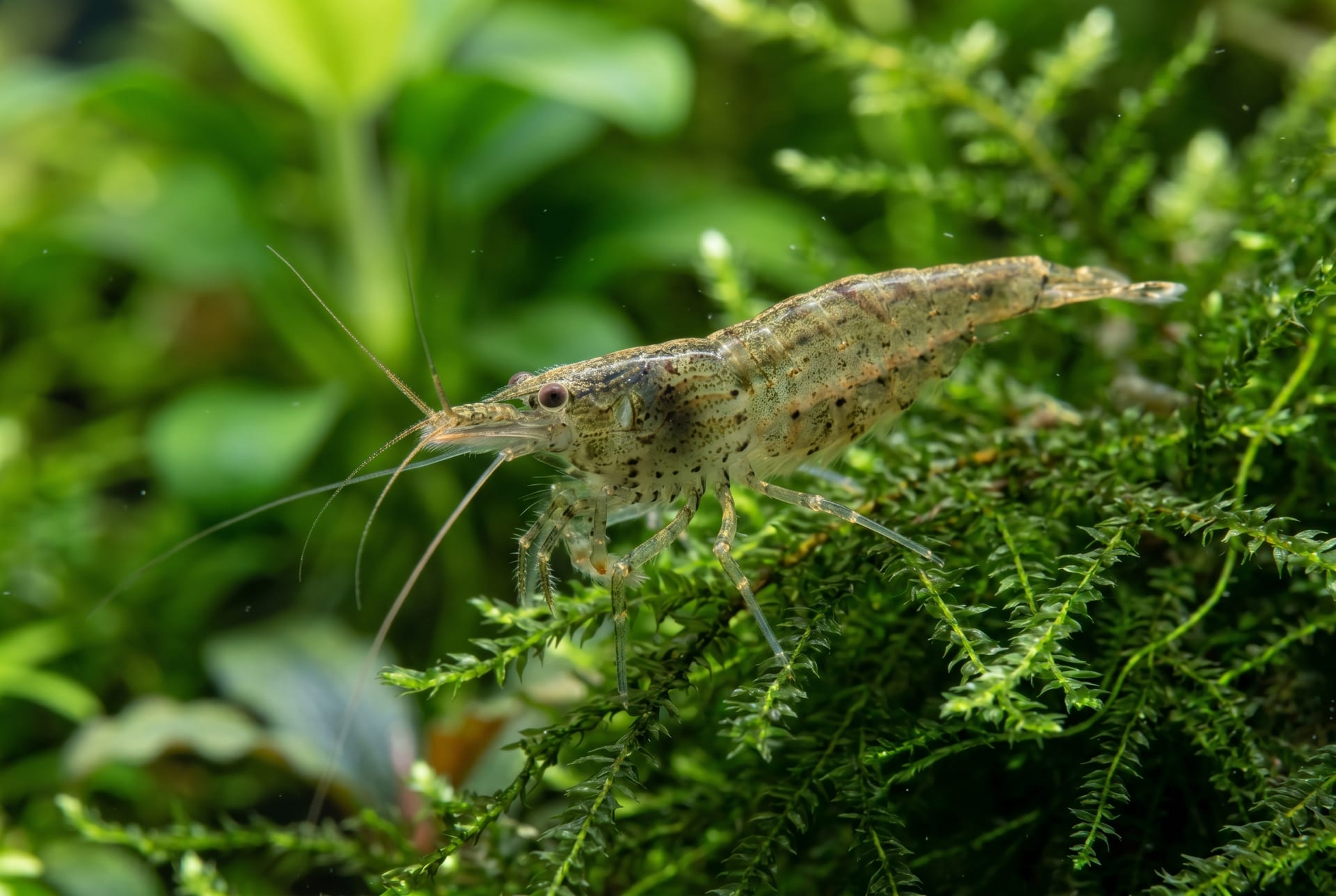
Small crustaceans (such as Amano shrimp) and small fish can also become prey for Paradise Fish. Consider tank mate selection carefully, keeping the next section in mind.
Tank Mate Compatibility and Individual Management
Because Paradise Fish are highly aggressive, choosing compatible tank mates and tank structure is key to successful care.
Combinations to Avoid
Males of the same species (will fight to the death)
Males of other labyrinth fish species, such as bettas
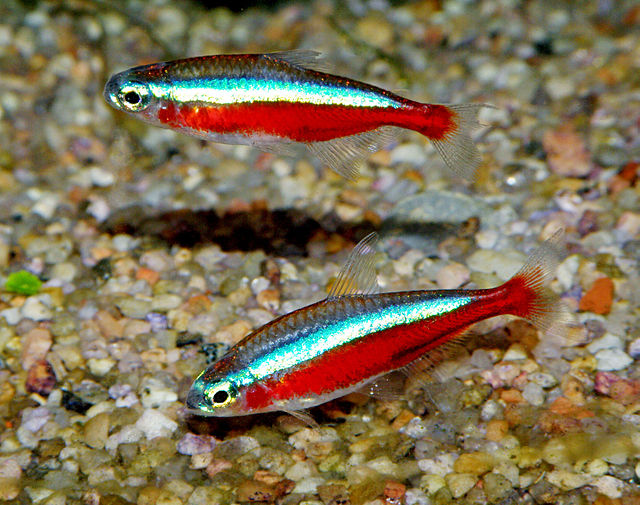
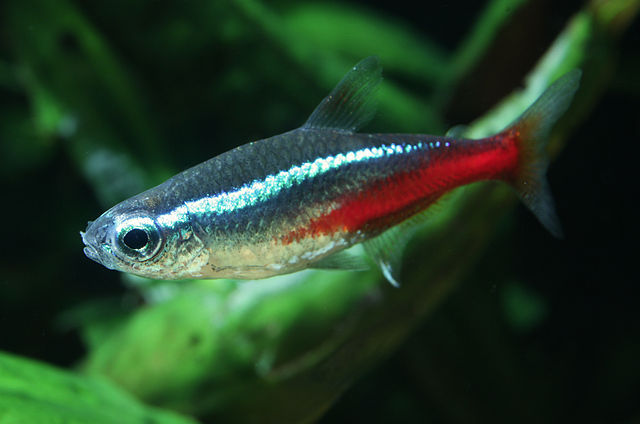
Small fish that fit in the mouth (neon tetras, cardinal tetras, etc.)
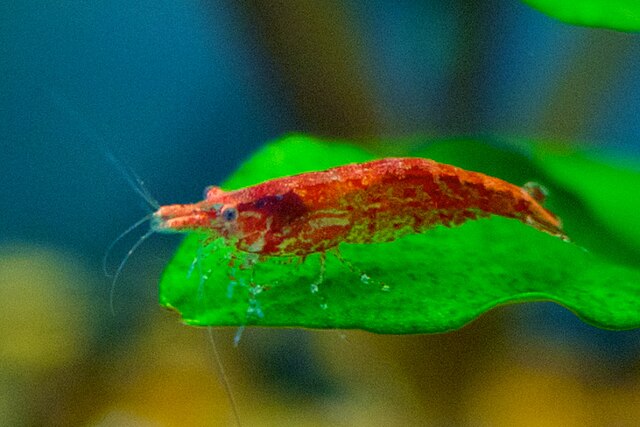
Small shrimp such as Amano shrimp or cherry shrimp
Combinations That Usually Work
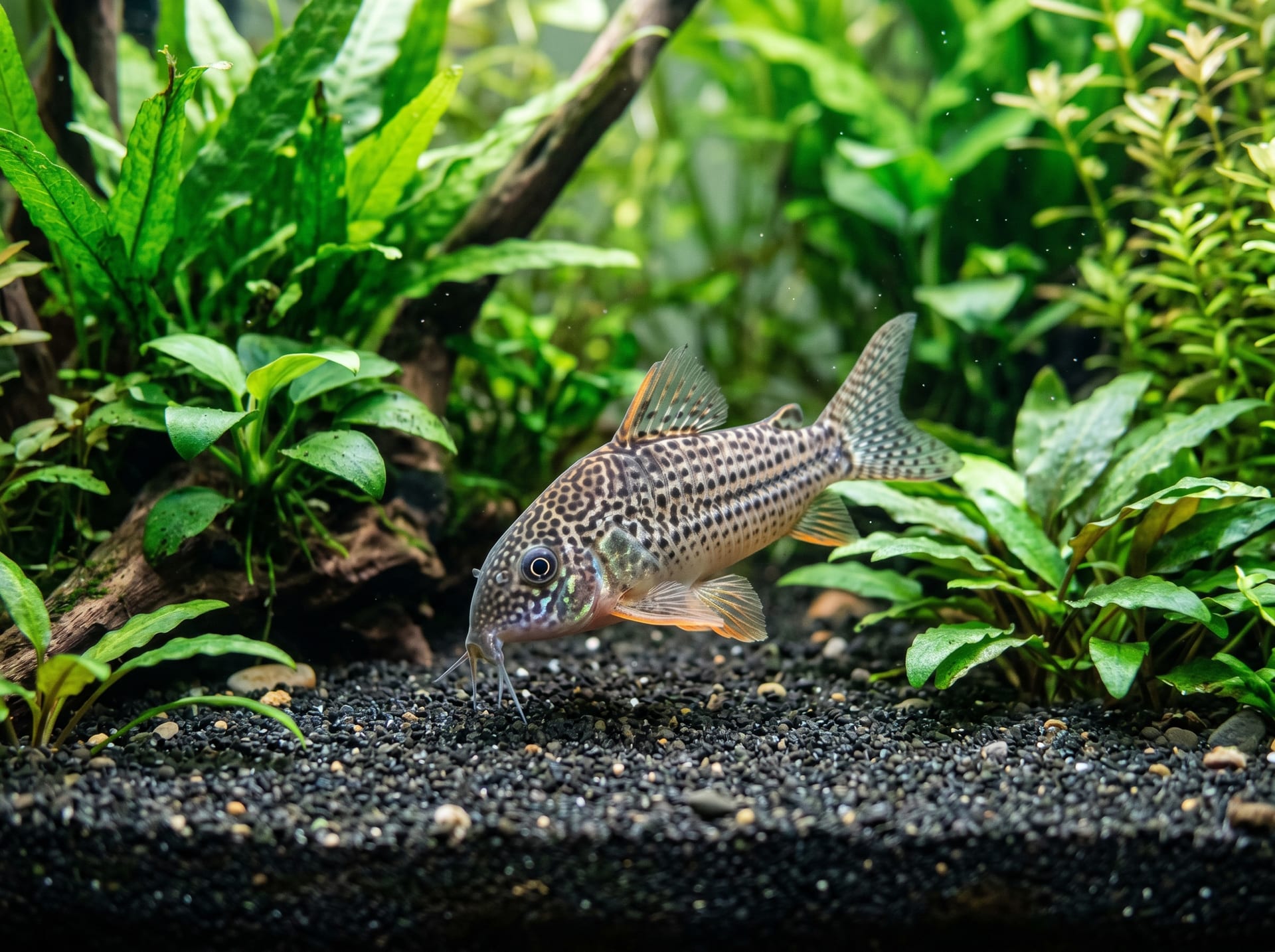
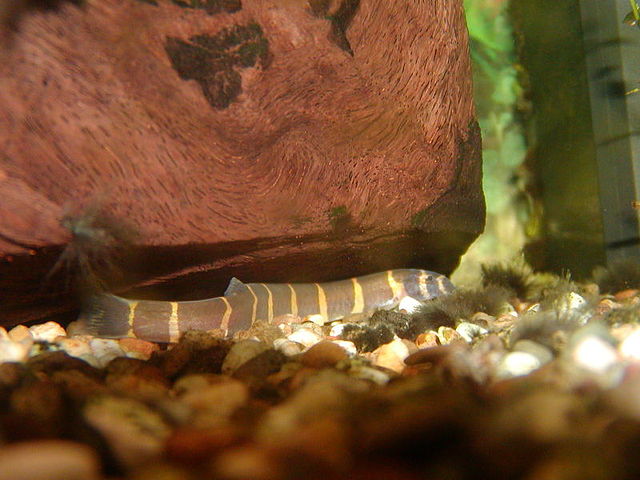
Medium-sized or larger bottom-dwelling fish such as corydoras or coolie loach
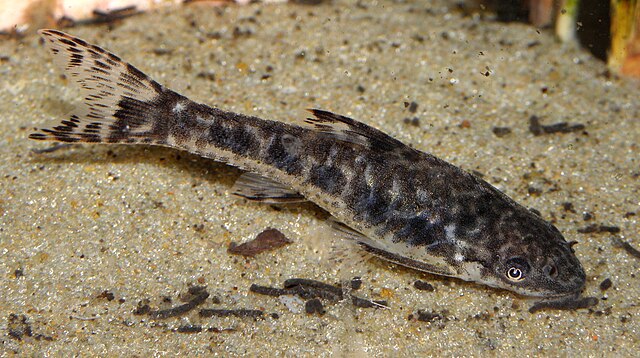
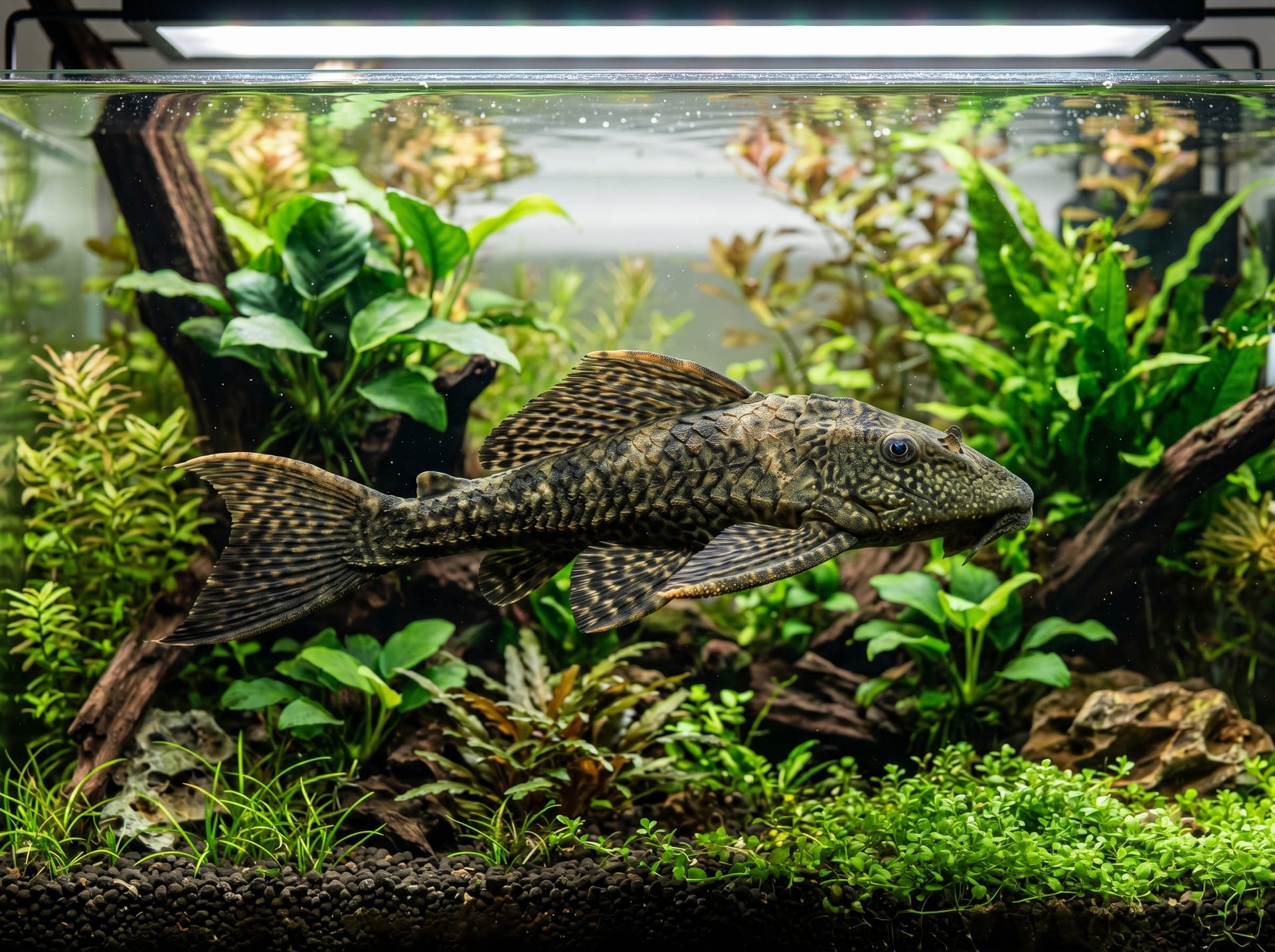
Plecos or otocinclus catfish (useful for algae control)
Mid-sized characins of similar or larger size (continue to observe as behavior varies by individual)
Housing with females (pair breeding) is done for reproduction purposes, but males may relentlessly chase and injure females. Ensure plenty of escape routes for the female using plants and regularly check for increasing fin damage. Outside of breeding season, it's safer to keep males and females in separate tanks.
Attempting to Breed
Paradise Fish breeding occurs through bubble nest spawning, similar to bettas. Under the right conditions, spawning often begins naturally, making this an accessible species for those wanting to experience labyrinth fish breeding for the first time. Success rates increase by following the steps in order.
Conditioning: Feed both males and females high-protein foods such as frozen bloodworms or live brine shrimp for 1–2 weeks to build up their bodies.
Stimulate with water changes: Adding a large volume of fresh water at 25–28°C to the breeding tank can trigger spawning.
House the pair together: Once the male begins building a bubble nest near the water surface, move the female into the same tank. The male will perform courtship displays repeatedly and eventually embrace the female with his body to induce spawning.
Isolate the female after spawning: Once spawning is complete, the male will guard the eggs and fry and begin aggressively chasing the female. Move the female to a separate tank immediately.
Raising the fry: Eggs hatch in 2–3 days. Initially feed paramecia (infusoria) or commercial liquid fry food, then switch to frozen brine shrimp nauplii after about a week. The male guards the bubble nest area until the fry begin free-swimming, after which isolate the parent as well.
Successfully breeding them allows you to observe the fry growing day by day, which is one of the great joys of keeping labyrinth fish.
Related Species, Variations, and Selection Tips
There are several related species and improved variations of Paradise Fish in the hobby.
Black Paradise Fish (Macropodus spechti): The body color is black to dark green, and the body size is noticeably larger. They are said to have a rougher temperament than the normal variety, requiring even more careful tank mate selection.
Round-tail Paradise: Individuals with rounded tail fins. Body coloration is typically similar to the normal variety, but the fin extensions are more modest, creating a sleeker appearance.
Albino and Long-fin Improved Varieties: Fish with especially strong red coloration or notably elongated fins are also available, offering the enjoyment of finding highly collectible specimens.
When purchasing, check the following points:
No fin damage or fin rot (signs of bacterial infection or ich)
Dorsal and tail fins are fully extended while swimming
No white spots, injuries, or bleeding on the body
Active feeding response
Paradise Fish are more active swimmers than bettas, moving vibrantly throughout the tank. Their beautiful striped pattern and spirited swimming make them a captivating species once you keep them. With their hardiness and ease of breeding, we encourage you to consider this species as your next step in keeping labyrinth fish.