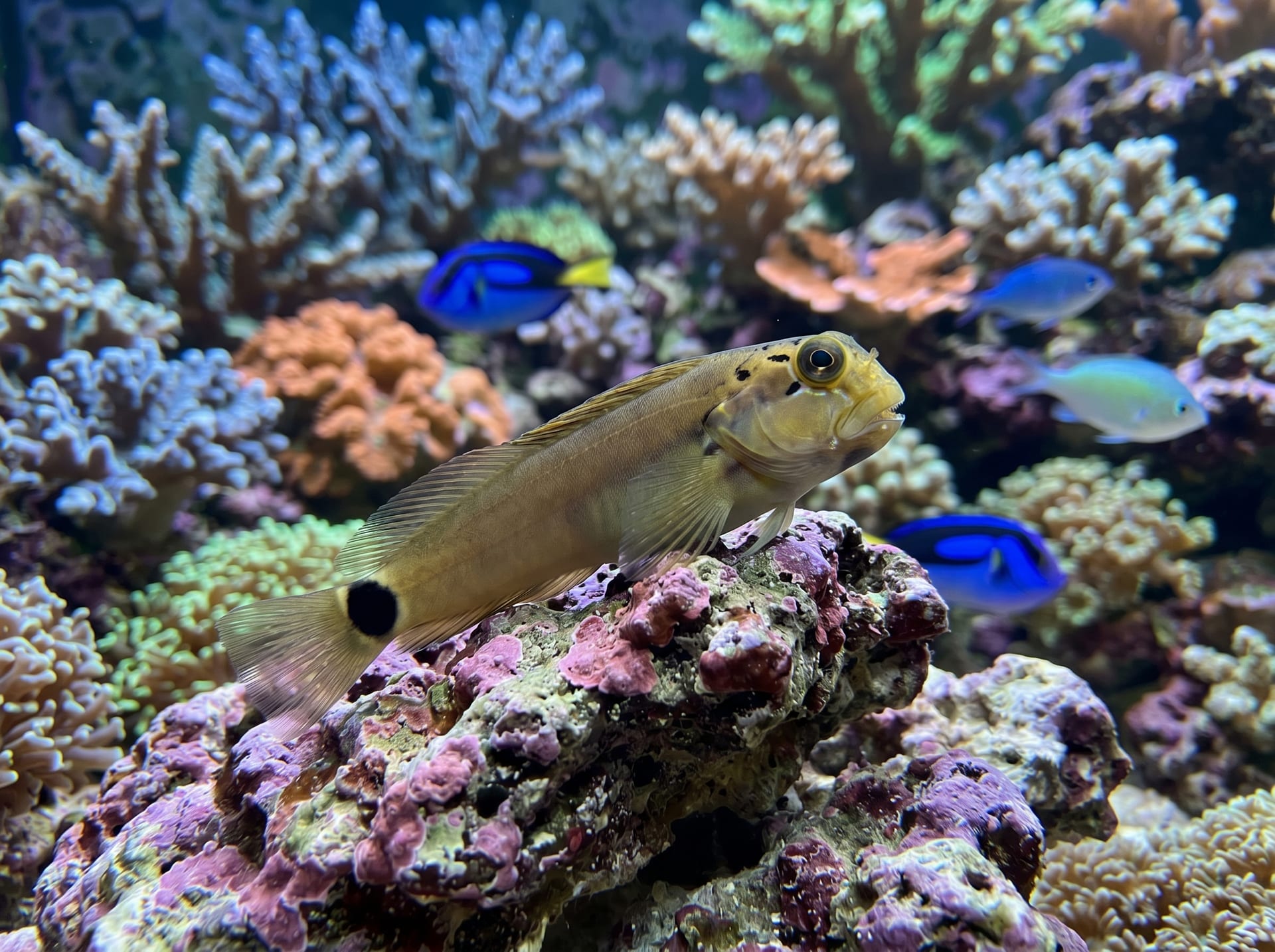
Nano reef stocking guide: bioload calculations, fish-per-liter guidelines, top small species, and overstocking warning signs.
Nano reef tanks in the 30–45cm range represent one of the most rewarding — and unforgiving — segments of the marine aquarium hobby. The compact footprint makes them accessible to apartment dwellers and beginners, yet their small water volume amplifies every mistake. Understanding true stocking limits is the single most important skill a nano reef keeper can develop.
Why Stocking Limits Matter More in Nano Tanks
In a 200-liter system, an ammonia spike from an overfed fish dissipates relatively quickly across a large water body. In a 27-liter cube, the same spike can crash the tank overnight. The relationship between fish biomass and water volume is not linear — it is exponential in its consequences at nano scale. Beyond water chemistry, territorial behavior intensifies in confined spaces. Species that coexist peacefully at arm's length in a larger aquarium will fight constantly when forced into proximity.
Stocking Capacity by Tank Dimension
Use these figures as hard ceilings, not targets:
- 30cm cube (~27L): 1 small fish only. A single Ocellaris Clownfish or Firefish Goby is the responsible maximum. A mated pair of clownfish is acceptable if no other fish are added.
- 36cm cube (~45L): 2–3 small fish. A clownfish pair plus one small goby works well. Avoid adding a third fish unless filtration is excellent and you perform rigorous weekly maintenance.
- 45cm standard (~35L): Despite its longer footprint, actual water volume is often less than a 36cm cube. Stock as you would a 30cm cube — 1 to 2 fish maximum.
- 45cm cube (~90L): The most forgiving nano configuration. 3–5 small fish is achievable with a quality skimmer, live rock, and consistent water changes.
Always subtract volume for live rock, sand, and equipment — your actual swimming volume is typically 15–25% less than the stated tank size.
Best Species for Nano Reef Tanks
Fish selection should prioritize small adult size (under 8cm), peaceful temperament, and low metabolic output:
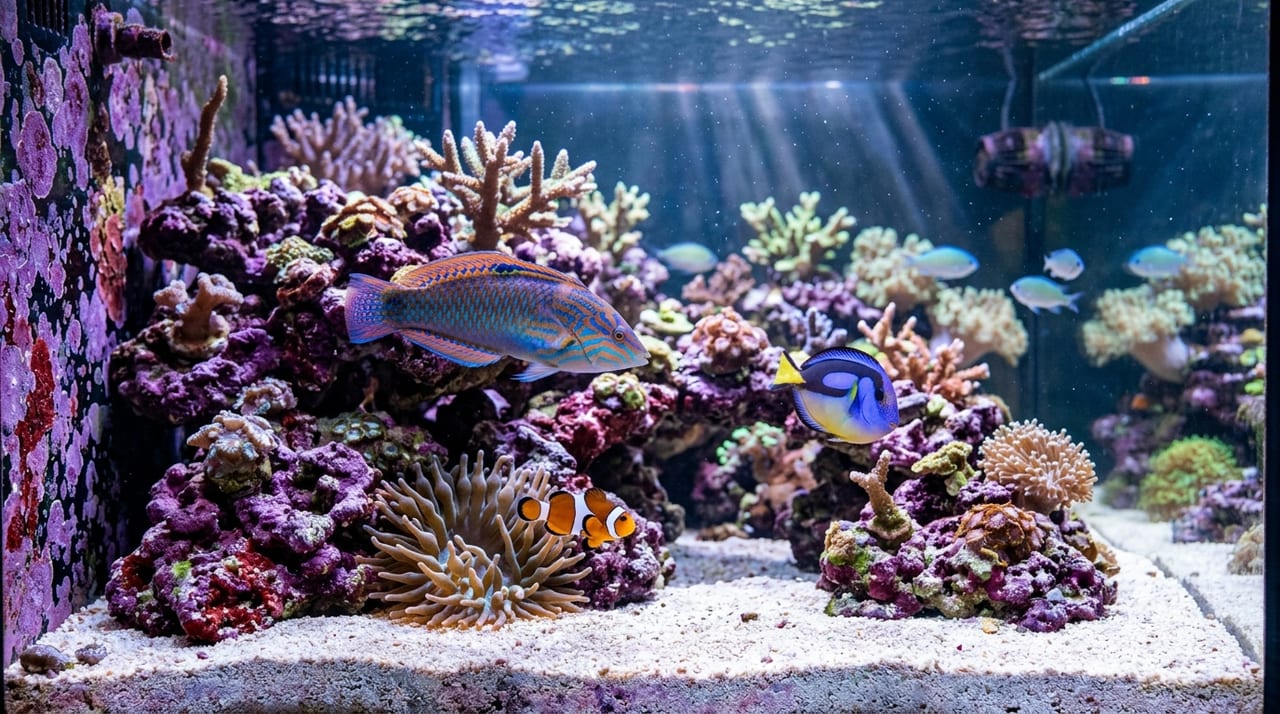
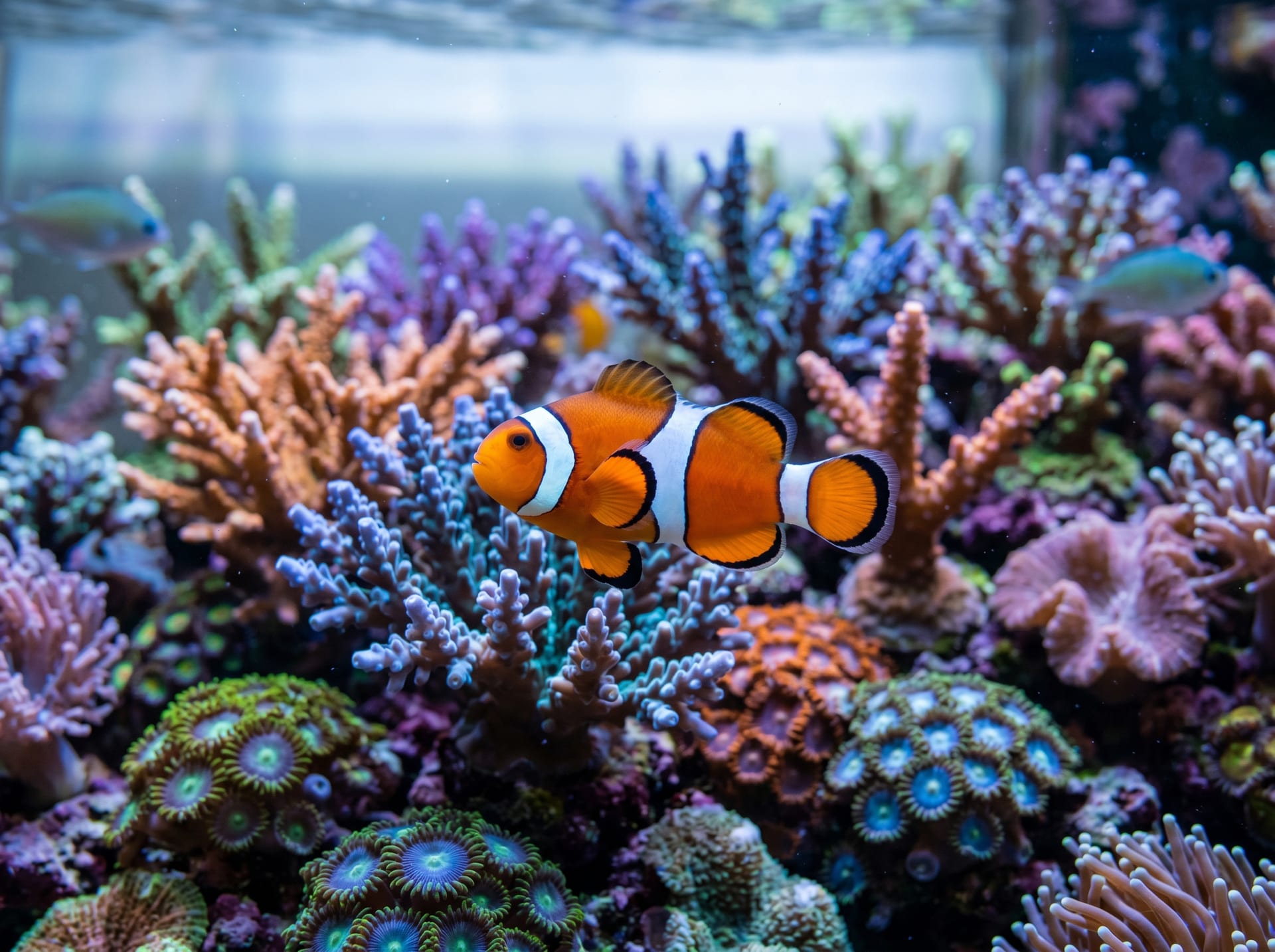
- Ocellaris Clownfish — The quintessential nano fish. Hardy, reef-safe, and a mated pair can be the centerpiece of any nano build.
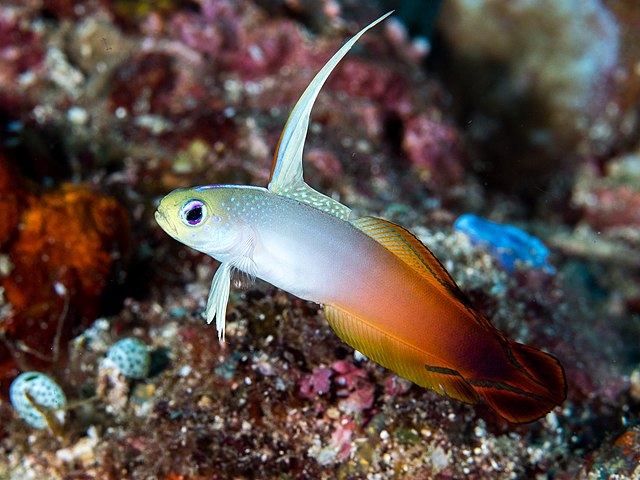
- Firefish Goby (Nemateleotris magnifica) — Hovers gracefully in the midwater column, feeds readily on frozen mysis, and stays small. Provide a tight-fitting lid — they jump.
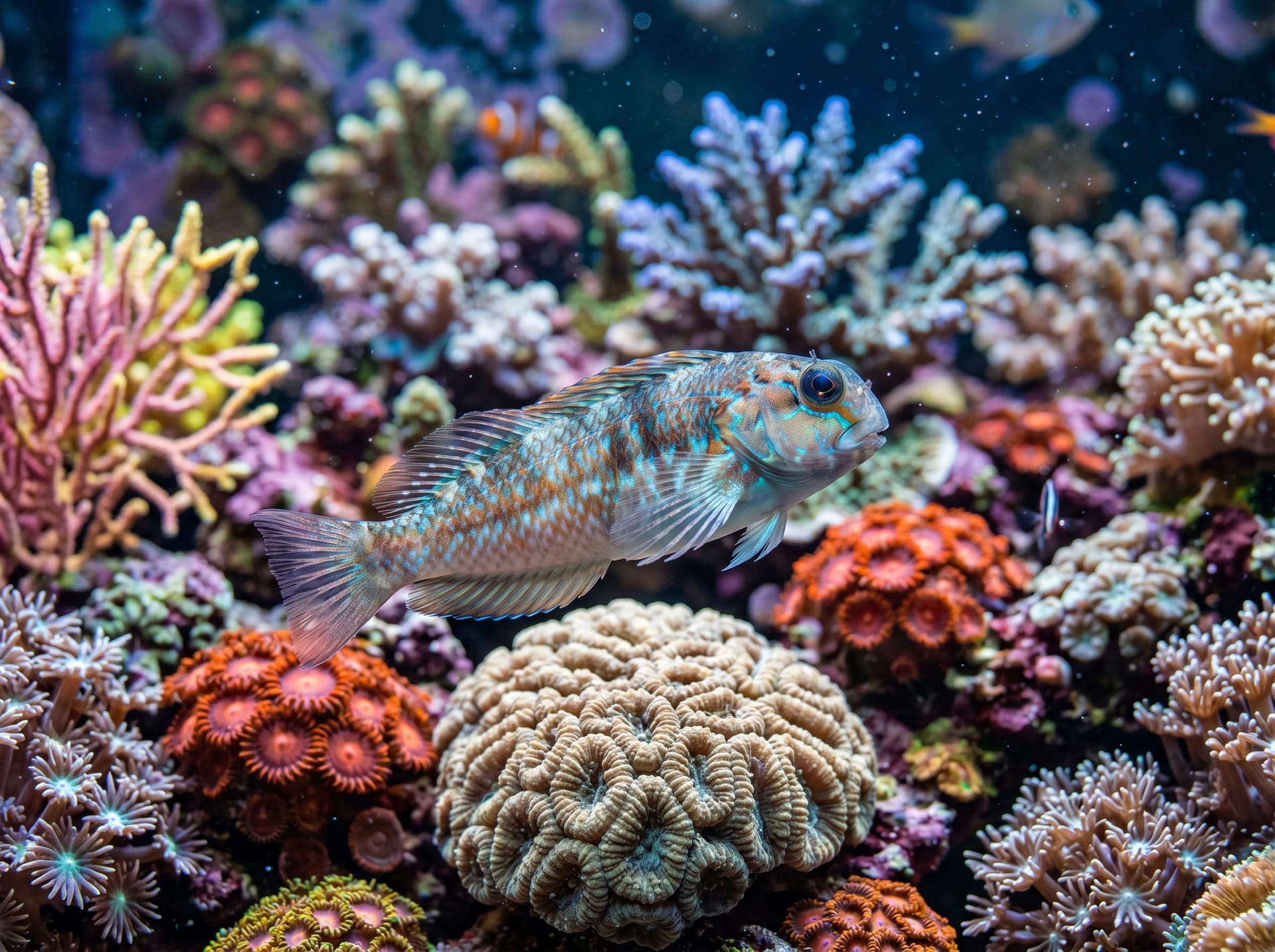
- Tailspot Blenny (Ecsenius stigmatura) — Perches on rockwork, grazes film algae, and shows genuine personality. Rarely exceeds 6cm.
- Yellow Coris Wrasse (Halichoeres chrysus) — Pest control specialist. Hunts flatworms and small pyramidellid snails without harming corals.
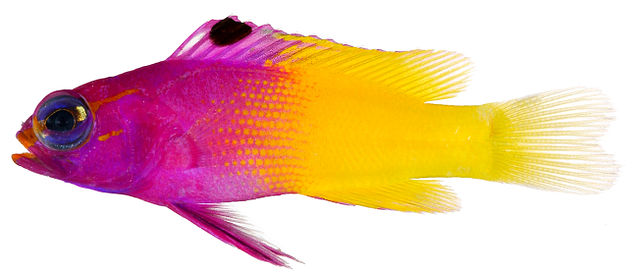
- Royal Gramma (Gramma loreto) — Stunning bicolor fish that occupies cave overhangs and stays out of trouble. One per tank.
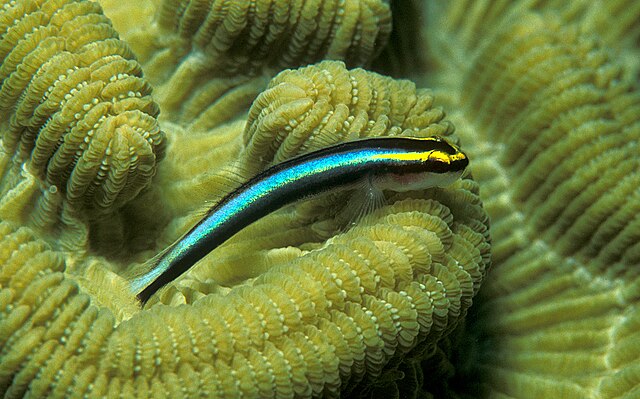
- Neon Goby (Elacatinus oceanops) — Captive-bred specimens are widely available. Provides cleaning services to tankmates and is exceptionally nano-appropriate.
- Fridman's Dottyback (Pseudochromis fridmani) — Captive-bred individuals are far calmer than wild-caught. Vivid purple coloration and surprisingly robust for a small fish.
- Red Spot Cardinalfish (Apogon parvulus) — Slow-moving, nocturnal, and peaceful. Feeds well on frozen food and tolerates low flow.
- Tailring Blenny (Ecsenius sp.) — Another algae-focused blenny option for tanks already hosting a clownfish.
- Green Banded Goby (Elacatinus multifasciatus) — Tiny, colorful, and entirely reef-safe. Often overlooked but ideal for pico and nano setups.
Reading the Warning Signs of Overstocking
Your fish will tell you before your test kit does. Watch for:
- Flashing or scratching against rockwork — early stress indicator before visible disease
- Suppressed appetite in normally eager feeders
- Escalating aggression — fish that previously ignored each other now chase constantly
- Labored breathing at the surface — dissolved oxygen is dropping
- Elevated nitrate above 20 ppm in a reef — corals will respond before fish show symptoms
If two or more of these signs appear simultaneously, assume overstocking until proven otherwise.
Water Management for Nano Reefs
Small volumes demand consistent, disciplined maintenance:
- Water changes: 15–20% weekly using NSW-matched salinity (1.025–1.026 SG). Never skip two weeks consecutively.
- Auto Top-Off (ATO): Evaporation in a 30cm cube can shift salinity by 0.002 in a single warm day. An ATO is not optional — it is essential.
- Protein skimmer: Even in 27L, a nano skimmer rated for your volume removes dissolved organics before they fuel bacterial blooms.
- Flow: Aim for 20–30× total tank volume per hour in circulation, distributed to eliminate dead spots where detritus accumulates.
- Temperature stability: Small volumes heat and cool faster. Keep a reliable heater with a controller, and position it away from the skimmer intake.
Matching Fish to Your Nano at Bri-Choku
When browsing breeders on Bri-Choku, specify your tank dimensions in your inquiry — not just "nano tank." A 45cm cube and a 30cm standard require different fish, and an experienced breeder will guide you toward animals that are appropriately sized, already eating frozen food, and sourced from captive-bred lines where possible. Captive-bred fish adapt faster to aquarium conditions, carry lower disease risk, and place no burden on wild reef populations — a meaningful advantage when your entire ecosystem fits on a desk.