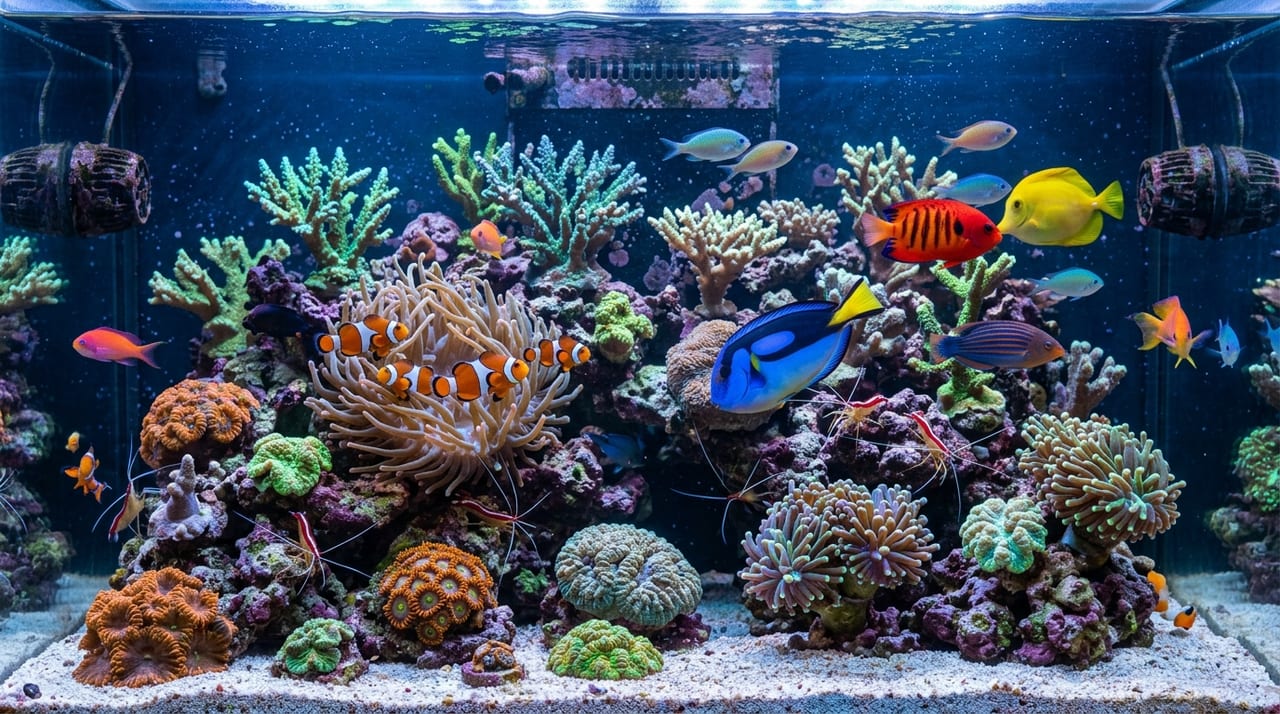
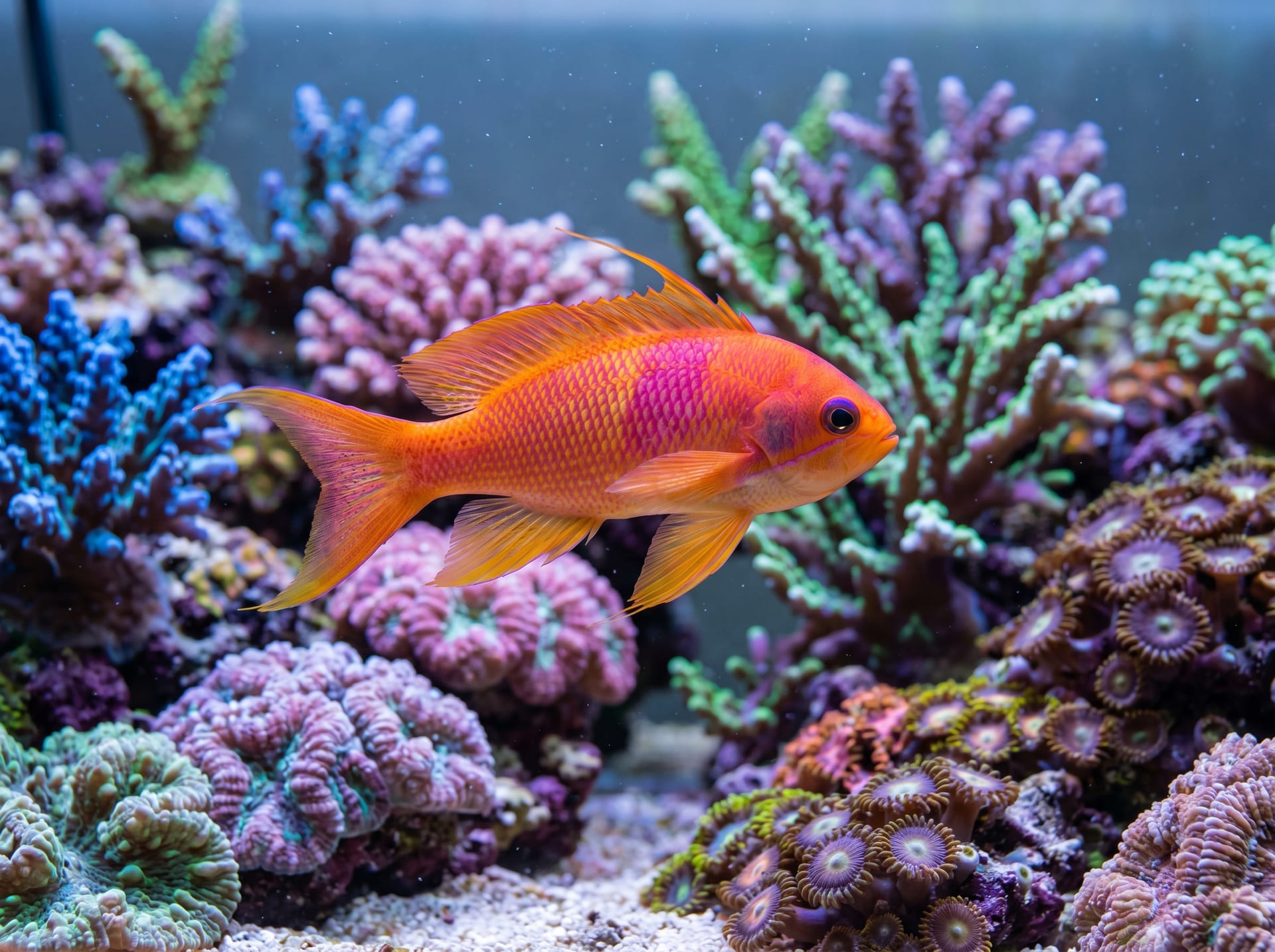
Five key strategies for preventing disease in marine fish: quarantine, water quality, stress reduction, nutrition, and UV sterilization.
要点总结
Five key strategies for preventing disease in marine fish: quarantine, water quality, stress reduction, nutrition, and UV sterilization.
Prevention is the cornerstone of a thriving marine aquarium. Unlike freshwater species, marine fish are highly sensitive to environmental fluctuations and stress, making proactive management essential. Treatment options for diseases like marine ich (*Cryptocaryon irritans*) and velvet (*Amyloodinium ocellatum*) are often difficult, sometimes requiring removal of all livestock. The five practices below form a complete disease prevention framework that experienced reef keepers rely on.
The single most impactful thing you can do is quarantine all new arrivals for a minimum of four weeks — six weeks is better. A separate bare-bottom tank with a heater, sponge filter, and PVC fittings for cover is all you need. This window lets you observe the fish under low-stress conditions, treat proactively with copper or hyposalinity if needed, and ensure no pathogens enter your display tank. Skipping quarantine because a fish "looks healthy" is the most common way experienced hobbyists introduce outbreaks. Cryptocaryon and Amyloodinium both have dormant life stages that are invisible on the fish but detectable only through time.
Stability matters as much as target values. Sudden swings in salinity, temperature, or pH suppress the immune systems of marine fish even if the new values are technically acceptable. Aim for: specific gravity 1.025–1.026, temperature 25–26°C (77–79°F), pH 8.1–8.3, ammonia and nitrite at zero, and nitrate below 20 ppm for fish-only systems. Use RO/DI water exclusively for top-offs and water changes to eliminate chlorine, chloramine, heavy metals, and silicates that can accumulate and stress fish over time. Weekly 10–15% water changes with properly mixed saltwater remain the most reliable way to dilute toxins and replenish trace elements.
Stress is the root cause behind most disease outbreaks. A fish that is chronically stressed has a suppressed immune response, making it vulnerable to pathogens that would otherwise be kept in check. Key stress reducers include: providing ample hiding spots and sight breaks so subordinate fish can escape aggression, avoiding overcrowding by calculating realistic bioload before adding new fish, and acclimating new arrivals slowly using the drip method over 45–60 minutes. Minimize unnecessary handling, loud sounds near the tank, and sudden changes to lighting schedules. Aggressive tank mates are one of the most overlooked chronic stressors — a fish that is perpetually chased rarely recovers its health.
Immune function is directly tied to nutrition. A diet of a single frozen food, no matter how high quality, creates nutritional gaps over time. Rotate between high-quality frozen foods (Mysis shrimp, brine shrimp enriched with Selcon, chopped seafood), and add dry foods like high-protein pellets for variety. Soaking foods in a vitamin supplement or garlic extract two to three times per week provides measurable immune support — garlic in particular appears to deter early-stage parasitic infections and encourages reluctant feeders. Feed small amounts two to three times daily rather than one large feeding to keep water quality stable and reduce competition stress at feeding time.
An appropriately sized UV sterilizer running continuously reduces the free-floating pathogen load in your water column — bacteria, fungi, and the free-swimming stages of protozoan parasites are all destroyed on contact with UV light. This does not replace quarantine or good husbandry, but it provides a meaningful passive layer of protection. Match the sterilizer's rated flow to your actual pump speed; running water through too quickly reduces effectiveness. Replace UV bulbs annually even if they still appear to emit light, as UV output degrades before visible light does.
Set aside two to three minutes each day to observe your fish carefully. Early detection changes outcomes dramatically. Watch for: reduced appetite or refusal to eat, clamped fins, scratching against rock or sand (flashing), unusual swimming posture, rapid gill movement, white spots or a dusty appearance on the body, and any color changes or lesions. Keep a simple log if you have multiple fish — what seems like a minor behavioral shift may only become significant when you notice it has persisted for three days. The sooner you identify a problem and isolate the affected fish, the more options you have for treatment.
Healthy marine fish come from breeders who prioritize these same principles from the start. Starting with well-conditioned, disease-free specimens from a trusted source gives your tank the best possible foundation.
Aquarium Volume Calculator
Calculate water volume, weight, and heater wattage from tank dimensions
Water Quality Checker
Find compatible fish, shrimp, plants & corals based on pH, temperature & hardness
Feeding Guide
Check feeding frequency, portion sizes & supplements by species and growth stage
Compatibility Checker
Check compatibility between two species on a 5-level scale