生体的安全接收和打开方法|到达时的注意事项
我们详细说明通过网络购买的生体到达时需要了解的重要事项,包括指定配送时间、打开程序、温度和水的调适,以及引入第一天的管理。当您从网上购买的生体送到家中时,了解正确的接收和打开步骤是否会在很大程度上影响生体的后续健康状况。运输对生体来说是巨大的压力,如果到达后的处理不当,生体可能会生病,在最坏的情况下甚至可能丧命。
要点总结
我们详细说明通过网络购买的生体到达时需要了解的重要事项,包括指定配送时间、打开程序、温度和水的调适,以及引入第一天的管理。当您从网上购买的生体送到家中时,了解正确的接收和打开步骤是否会在很大程度上影响生体的后续健康状况。运输对生体来说是巨大的压力,如果到达后的处理不当,生体可能会生病,在最坏的情况下甚至可能丧命。
当您从网上购买的生体送到家中时,了解正确的接收和打开步骤是否会在很大程度上影响生体的后续健康状况。运输对生体来说是巨大的压力,如果到达后的处理不当,生体可能会生病,在最坏的情况下甚至可能丧命。本文将介绍安全接收生体并将其引入到饲养环境中的步骤。
指定配送时间和接收
生体的配送中,尽可能缩短运输时间很重要。
发货前的确认事项
- 与繁殖者提前商定发货日期和到达日期
- 如果可以指定上午或时间段,请选择最早的时间段
- 指定一个肯定能在家的到达日期
- 天气极端恶劣的日子(酷暑日、极寒日、台风等)要求推迟发货
接收时的要点
- 如果有未送达通知,请尽快请求重新配送
- 从送货员手中接收后,立即开始打开准备
- 轻柔地处理包裹,轻轻运送以避免振动
- 不要将其放置在直射阳光下或极端炎热或寒冷的地方
打开程序
打开时要耐心沉着地进行很重要。
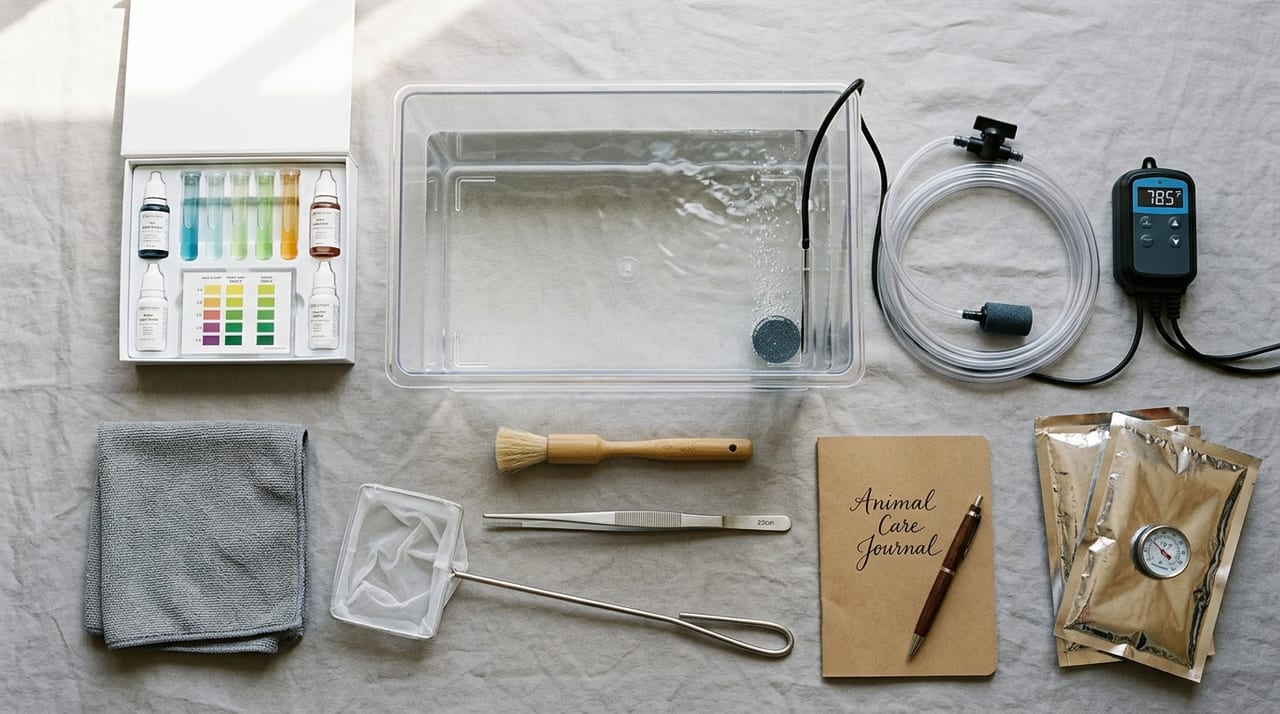
需要准备的东西
- 剪刀或美工刀(用于切割包装材料)
- 毛巾或报纸(防止漏水)
- 温度调适用的容器(水生生体情况下)
- 镊子(小型生体情况下)
打开的步骤
- 打开外箱前,确认"生体在中"标签和处理注意事项的标记
- 用美工刀打开外箱时,要小心不要将刀片插入太深
- 如果有保温材料(暖贴)或冷却材料,先将其取出
- 轻轻取出装有生体的袋子或杯子
- 确认生体的状态(是否在活动,是否有伤害)
- 如果有死亡或明显异常,立即与繁殖者联系并拍照记录
温度调适和水的调适
水生生体引入中最重要的工序是温度调适和水的调适。
温度调适(所有生体通用)
- 将袋子或杯子浮放在饲养水槽的水面上(约30分钟至1小时)
- 通过避免急剧的温度变化来防止温度休克
- 对于陆生生体,也要将其放置在饲养环境附近,并逐渐调整温度
水的调适(水生生体情况下)
- 滴管法最安全:使用气管和活塞,将饲养水逐步加入袋中的水
- 作为指南,在30分钟至1小时内加入饲养水,直到袋中的水量增加到2至3倍
- 水的调适完成后,尽可能不要将袋子中的水放入饲养水槽,只转移生体
- 对于虾类和对环境敏感的鱼种,需要花更多时间谨慎地进行水的调适
水的调适注意事项
- 在水的调适过程中保持适当的室温,使水温不要下降太多
- 由于袋中的氧气会减少,长时间的水的调适时要增加充气
- 如果生体在水的调适中表现异常行为,立即将其转移到饲养水槽中
引入第一天的管理
将生体移入饲养环境后的第一天需要特别谨慎的管理。
基本注意事项
- 到达第一天不要喂食(运输压力导致消化能力下降)
- 将照明设置为暗色或关闭
- 尽可能保持安静的环境,最小化对生体的观察频率
- 如果将其引入有其他生体的水槽中,要仔细观察是否遭受攻击
第二天及之后的措施
- 从第二天开始尝试喂食少量食物,观察是否进食
- 如果不吃,不要强行喂食,2至3天后再试
- 引入后的第一周每天进行水质检测,确认是否异常(水生生体情况下)
- 如果有健康问题的迹象(拒食、体色变化、异常行为),立即咨询繁殖者
通过 BreederDirect 享受安心的生体配送
BreederDirect 上有许多经验丰富、熟悉生体配送的繁殖者。由于您可以提前与繁殖者商讨包装方法和配送条件,所以可以放心地接收生体。许多繁殖者也提供到达后的饲养咨询,所以即使是初学者也可以放心。
常见错误及其预防方法
到达后的问题往往由"打开后的30分钟"而不是运输本身决定。
错误1:接收后延迟打开 包装内的氧气会随着时间减少,氨气会积累。接收后首先要打开,确认生体的状况以及水温和包装内的情况。如果因为不在家而被退回,情况会进一步恶化。
错误2:将运输用袋中的水直接倒入水槽 袋中的水可能含有排泄物,有时还可能含有药物。温度调适后,应该使用滴管法等更换水,只转移生体。
错误3:到达当天进行喂食 运输直后消化功能下降,剩余食物会迅速恶化水质。等到生体平静下来的第二天及以后,从少量开始重新进行喂食。