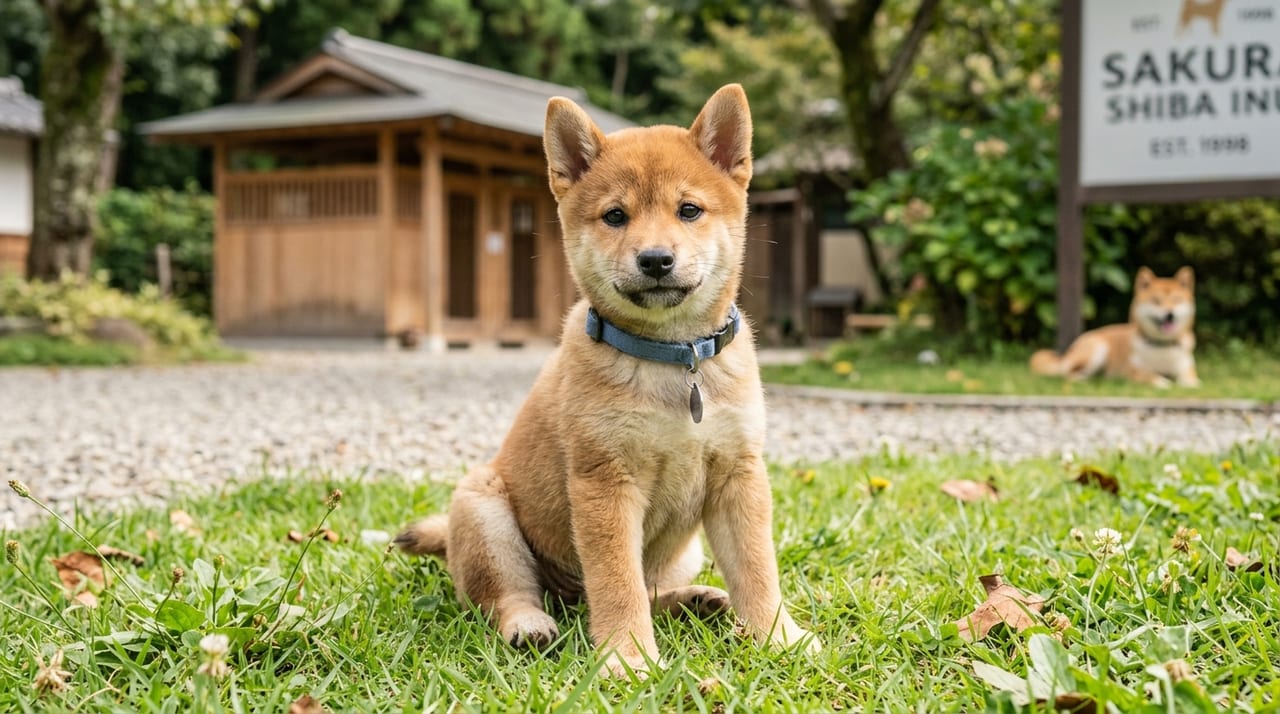
Complete dog vaccination guide: core vs non-core vaccines, puppy to adult schedules, side effects, costs, and rabies vaccination requirements in Japan.
Vaccination is one of the first things to arrange when welcoming a new dog. Understanding the types, schedule, costs, and precautions for canine vaccines is essential to protecting your pet from infectious diseases.
Types of Vaccines
Dog vaccines are broadly divided into core vaccines and non-core vaccines.
Core Vaccines (Recommended for All Dogs)
These protect against highly fatal infectious diseases and are recommended for every dog.
- Canine Distemper Virus (CDV): Causes high fever, eye discharge, coughing, diarrhea, and neurological symptoms. Extremely high fatality rate
- Canine Parvovirus (CPV): Causes severe vomiting, bloody diarrhea, and dehydration. Particularly lethal in puppies
- Canine Adenovirus Type 1 (CAV-1): Causes infectious canine hepatitis. Acute cases can be fatal within days
- Canine Adenovirus Type 2 (CAV-2): One cause of kennel cough. The Type 2 vaccine protects against both Type 1 and Type 2
Non-Core Vaccines (Based on Lifestyle)
Considered based on the dog's environment and lifestyle.
- Canine Parainfluenza Virus (CPiV): A kennel cough pathogen. Recommended for dogs using dog parks or boarding facilities
- Leptospirosis: Transmitted through water contaminated with wildlife urine. A zoonotic disease (transmissible to humans), recommended for dogs that visit mountains or rivers
- Canine Coronavirus: Causes mild diarrhea. Risk of severe illness increases with parvovirus co-infection
- Bordetella (kennel cough nasal vaccine): Recommended for dogs frequently attending boarding facilities or dog shows
Combination Vaccine Types
Common combination vaccines used in Japan:
- 5-way: Distemper + Parvo + Adeno Types 1 & 2 + Parainfluenza
- 6-way: 5-way + Coronavirus
- 8-way: 6-way + 2 Leptospira serovars
- 10-way: 8-way + 2 additional Leptospira serovars
Vaccination Schedule
Puppy Schedule
Puppies need multiple doses because maternal antibodies (immunity received through nursing) gradually decline.
- 1st dose (6–8 weeks of age): Often administered by the breeder
- 2nd dose (10–12 weeks of age): Given at the veterinary clinic after adoption
- 3rd dose (14–16 weeks of age): A final dose to ensure solid immunity
Important: Until the 3rd dose is complete, avoid contact with unknown dogs (parks, dog runs, etc.).
Adult Dog Schedule
- **Booster 1 year** after completing the puppy series
- Annual boosters thereafter are standard
- Some veterinarians now extend intervals based on antibody titer testing (blood tests)
Rabies Vaccination
Under Japan's Rabies Prevention Act, all dogs aged 91 days or older must receive an annual rabies vaccination.
- Target: All dogs 91 days of age and older
- Timing: Community vaccination drives from April–June, or year-round at veterinary clinics
- Cost: Approximately 2,550 yen for the injection + 550 yen registration tag = about 3,100 yen
- Penalty: Failure to vaccinate carries a fine of up to 200,000 yen
A registration fee of 3,000 yen applies for first-time registrations.
Estimated Costs
- 5–6-way combination vaccine: 5,000–8,000 yen/dose
- 8–10-way combination vaccine: 7,000–10,000 yen/dose
- Rabies vaccine: About 3,100 yen/dose (including fees)
- Antibody titer test: 5,000–10,000 yen
The 3-dose puppy series costs roughly 15,000–30,000 yen total, while annual adult costs run approximately 8,000–13,000 yen.
Side Effects and Precautions
The following reactions may occur after vaccination:
- Mild reactions (resolve within days): Swelling at the injection site, slight fever, reduced energy or appetite
- Severe reactions (seek immediate veterinary care): Facial swelling (moon face), vomiting, diarrhea, difficulty breathing, lethargy
Post-vaccination guidelines:
- Wait 30 minutes at or near the veterinary clinic after vaccination to monitor for anaphylaxis
- Avoid vigorous exercise and bathing on vaccination day
- Keep activity light for 2–3 days and observe behavior
- Contact your veterinarian immediately if any abnormalities appear
Find Healthy Dogs on Bri-Choku
Trusted breeders administer the first vaccination before handover and provide vaccination certificates. The Bri-Choku dog category features many breeders who list vaccination histories. Consult your breeder about scheduling the 2nd and 3rd doses after adoption.