SPS珊瑚饲养攻略指南|如何美丽地培育鹿角珊瑚和表孔珊瑚
全面详解SPS(小型息肉石珊瑚)的饲养方法。介绍鹿角珊瑚和表孔珊瑚的光照强度、水流、水质参数的最佳值,以及增色技巧和预防白化的要点。SPS珊瑚是什么?理解饲养的魅力与难度 SPS(Small Polyp Stony Coral)是指具有小型虫黄藻的硬质珊瑚的总称。
要点总结
全面详解SPS(小型息肉石珊瑚)的饲养方法。介绍鹿角珊瑚和表孔珊瑚的光照强度、水流、水质参数的最佳值,以及增色技巧和预防白化的要点。SPS珊瑚是什么?理解饲养的魅力与难度 SPS(Small Polyp Stony Coral)是指具有小型虫黄藻的硬质珊瑚的总称。
相关品种
SPS珊瑚是什么?理解饲养的魅力与难度
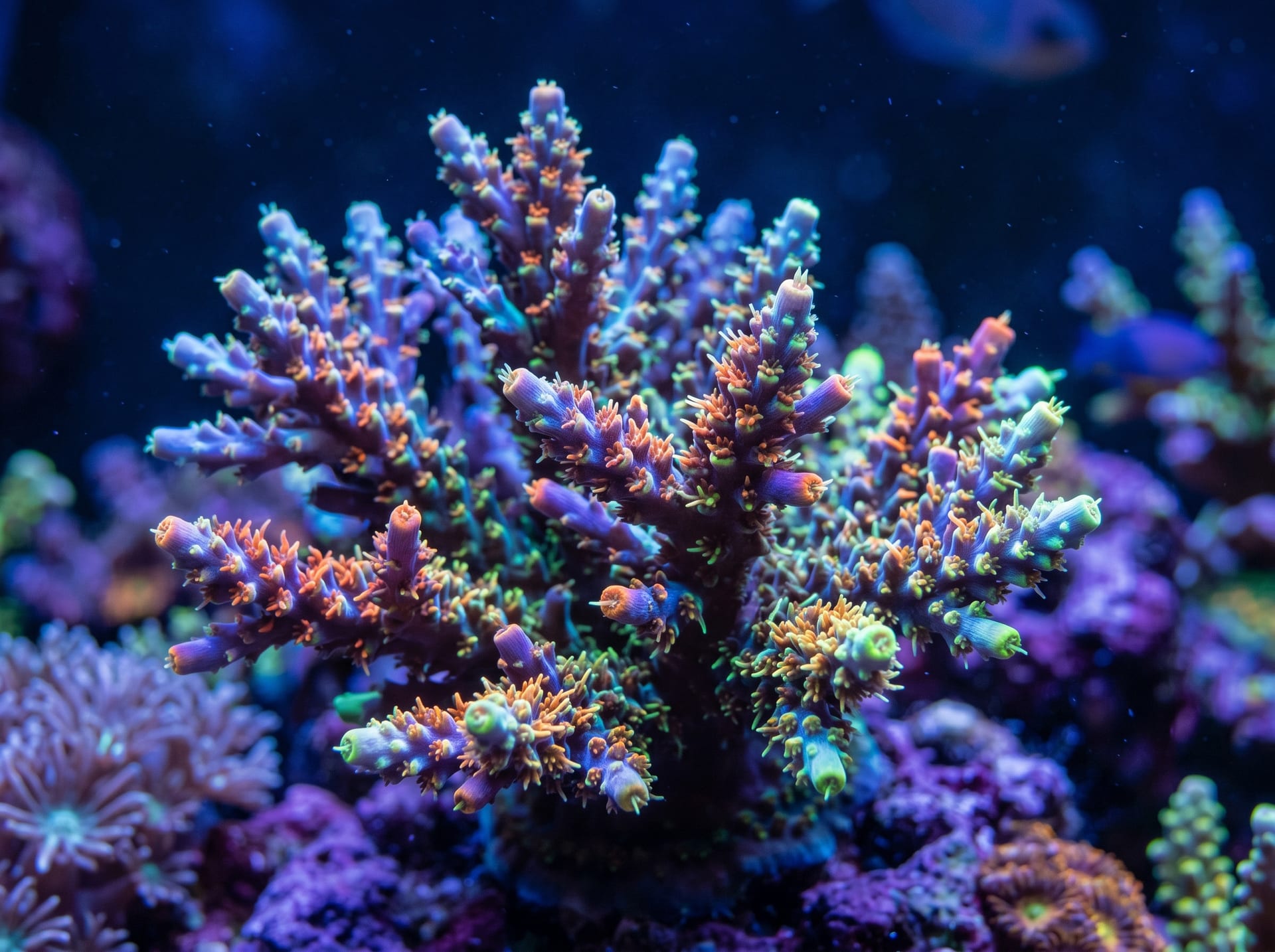
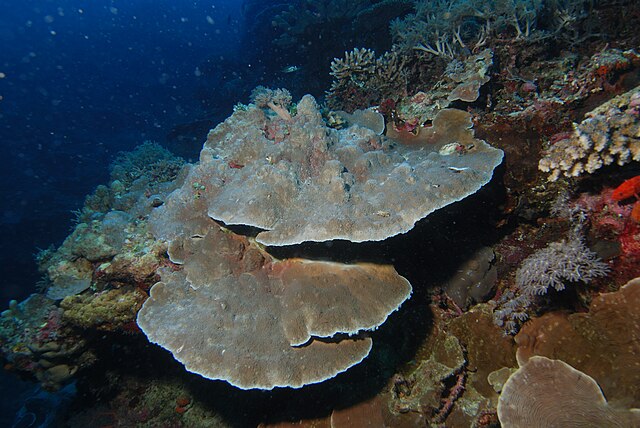
SPS(Small Polyp Stony Coral)是指具有小型虫黄藻的硬质珊瑚的总称。鹿角珊瑚(刺珊瑚)、常见珊瑚(蒙蒂珊瑚)、樱花珊瑚等是代表性品种。在海水水族馆界有句话:"能将SPS珊瑚养好才算入门",足见这个品类饲养难度之高。
但这种难度背后,隐藏着其他珊瑚无法比拟的绝美色彩。在蓝色LED灯下闪闪发光的荧光绿、荧光紫,随着生长逐渐展开的枝条所展现的生机活力——正是这份魅力让众多SPS爱好者为之痴迷。
SPS饲养最大的失败原因是"水质波动"。与LPS或软质珊瑚相比,它对环境变化的耐受性较低,微小的水质变化就可能导致白化或组织坏死(RTN、STN)。换句话说,只要建立起稳定的水质维持机制,即便是初学者也完全可以尝试。首先要牢牢掌握各参数的含义和目标值。
SPS所需的水质参数与基本管理
SPS对水质变动极为敏感,因此"保持稳定"比"靠近目标值"更优先。
主要参数的目标值
- KH(碱度): 7~9 dKH。日波动范围控制在0.5 dKH以内最为理想
- 钙离子: 400~450 ppm
- 镁离子: 1,250~1,350 ppm
- 磷酸盐: 0.03 ppm以下(过高会阻碍骨骼形成)
- 硝酸盐: 1~5 ppm(不能为零也不能过高)
- 比重(盐度): 1.025~1.026
- 水温: 24~26℃(避免急剧变化)
KH、Ca、Mg的三角平衡
KH、钙离子和镁离子三者紧密相连。这三种物质是骨骼主成分碳酸钙合成的直接原料,其中任何一个失衡都会导致其他两个连锁波动。比如急速提升KH时,钙离子会被消耗;补充钙离子时,又会打破与镁离子的平衡。
管理的诀窍是"避免一次性大幅变动"。通过每日少量添加石灰水(Kalk)、双液添加剂(钙水溶液、巴林法)或使用市售的钙反应器,养成日常微调的习惯。每周进行一次水质检测也是必须的。
照明选择与光适应的重要性
SPS需要强烈的光照。光照不足会导致虫黄藻增殖,珊瑚色彩变为褐色;光照过强则会因光应激导致白化。理解并正确设置适当的光量是增色的第一步。
PAR值和照射时间的参考
- 推荐PAR值: 200~400 µmol/m²/s(许多鹿角珊瑚品种喜欢300以上)
- 照射时间: 8~10小时。使用日出日落功能再现自然光周期最为理想
- 光谱: 多用蓝色系(420~460 nm),能激活荧光蛋白,使色彩更为鲜艳
常用LED灯具
- EcoTech Radion: 能细致调整光谱,在SPS爱好者中口碑极佳
- AI Hydra: 性价比优秀,通过手机应用控制非常便捷
- Kessil: 具有自然光的摇曳效果和深层透射性,与硬质珊瑚兼容性很好
务必进行光适应
由于店铺或运输环境的光量与目标水槽差异很大,导入初期必须将珊瑚放置在水槽低光区,花2~3周时间逐步移至目标位置。忽视这一步会引发"光应激白化",造成难以恢复的后果。
水流设计与放置方法
对珊瑚而言,水流相当于"呼吸"。缺乏适当的水流会导致粘液和代谢废物积聚,引发疾病或坏死。SPS特别喜欢强劲且不规则的水流。
水流基本设置
- 推荐总循环量: 水槽容量的30~50倍/小时(例:100L水槽需3,000~5,000L/小时)
- 泵的位置: 安装2台以上泵,放置在对角或不同角度,避免水流直击珊瑚
- 不规则水流的形成: 使用具有波浪功能的泵(Vortech、Maxspect Gyre等),或用定时器实现泵的交替运行
放置要点
- 枝状的鹿角珊瑚应设置水流强度使其虫黄藻摇摆,避免直击导致折断
- 片状的蒙蒂珊瑚要使水流吹过表面,这样容易清洁污垢
- 将水流对准活石或墙面使其扩散,可在整个水槽内形成柔和的不规则流
增色技巧与添加剂的活用
要将SPS从"维持生命"进阶到"精心培育",除了水质管理外,还需掌握增色技巧。
影响发色的主要因素
- 硝酸盐浓度: 维持在2~5 ppm时,褐藻密度下降,珊瑚本身的荧光色更为突出。接近零会导致营养不足,珊瑚容易白化
- 磷酸盐管理: 高磷酸盐阻碍骨骼形成,色彩也会暗淡。定期更换活性炭或GFO(颗粒状氧化铁)滤材吸附除去
- 水温: 保持在25℃左右。高水温会加重珊瑚压力,荧光蛋白的表达量下降
有效的添加剂
- 氨基酸类添加剂(Coral Amino、Reef Energy等): 促进荧光蛋白合成,加速发色
- 碘、微量元素: 促进虫黄藻活性和色彩保持。但过量添加反而有害,应从小量开始
- 浮游生物食物: 每周喂1~2次纳米浮游生物或冷冻浮游生物,可提高生长速度
BreederDirect的安心安全机制
SPS饲养的关键在于"从优质个体开始"。再好的水质管理,如果一开始引入的是弱个体或带病个体,整个水槽都会面临风险。
BreederDirect由SPS专业繁殖者直接销售自己培育的断枝或小株。通过BreederDirect可直接向繁殖者确认亲本的饲养环境、水质参数、使用灯具等信息,提前判断与自己水槽环境的兼容性。
另外,直销模式不经过店铺流通,无中间加价,高质量个体能以更合理的价格获得。购买后如有饲养疑问,还能直接向繁殖者咨询。
SPS饲养的四大支柱是:"水质×照明×水流"这三个要素,加上信任的优质个体获取渠道。不急不躁地准备好环境,通过BreederDirect找到理想的株株,让你的SPS饲养之旅从这里开始。