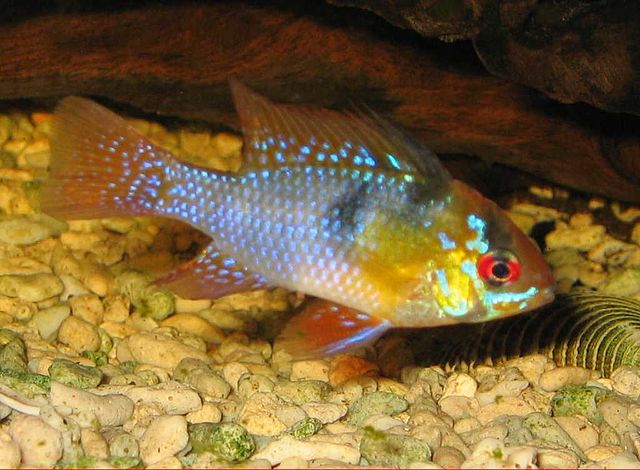
Techniques for managing cichlid aggression: controlled overstocking, line-of-sight breaks, dither fish, and simultaneous introduction.
要点总结
Techniques for managing cichlid aggression: controlled overstocking, line-of-sight breaks, dither fish, and simultaneous introduction.
Cichlids are among the most captivating fish in the freshwater hobby — intelligent, behaviorally complex, and strikingly colored. But that same intelligence comes paired with powerful territorial instincts that can turn a display tank into a war zone if left unmanaged. The good news is that with the right techniques, cichlid aggression can be controlled effectively, and in many cases even harnessed to create a dynamic, naturalistic aquarium that showcases their fascinating social behavior.
Before managing aggression, it helps to understand its roots. Cichlid territorial behavior is primarily driven by evolutionary pressures around reproduction and resource competition. In the wild, a male that successfully defends a breeding territory is far more likely to pass on his genes — so aggression is deeply wired into the species.
Several triggers commonly escalate conflict in the home aquarium:
Understanding these triggers allows you to design your setup proactively rather than reacting to injuries after they occur.
How you populate your tank matters as much as the tank itself. Two stocking principles stand out above all others.
Controlled overstocking is one of the most counterintuitive but effective strategies, particularly for mbuna and other highly aggressive Lake Malawi species. By keeping fish numbers higher than typical stocking guidelines suggest, aggression is spread across many individuals rather than concentrated on one or two targets. No single fish becomes a sustained victim because the dominant fish must divide its attention. This approach requires excellent filtration and regular water changes, but the behavioral payoff is significant.
Simultaneous introduction is equally important. Introducing all fish at once prevents any individual from establishing territorial ownership before others arrive. A fish that has held a cave or rocky overhang for weeks will defend it ferociously against newcomers. Starting fresh, with rearranged décor and all fish added together, levels the playing field from day one.
Physical aquascape design is your most powerful tool for long-term aggression control. The goal is to break line of sight and multiply perceived territory boundaries.
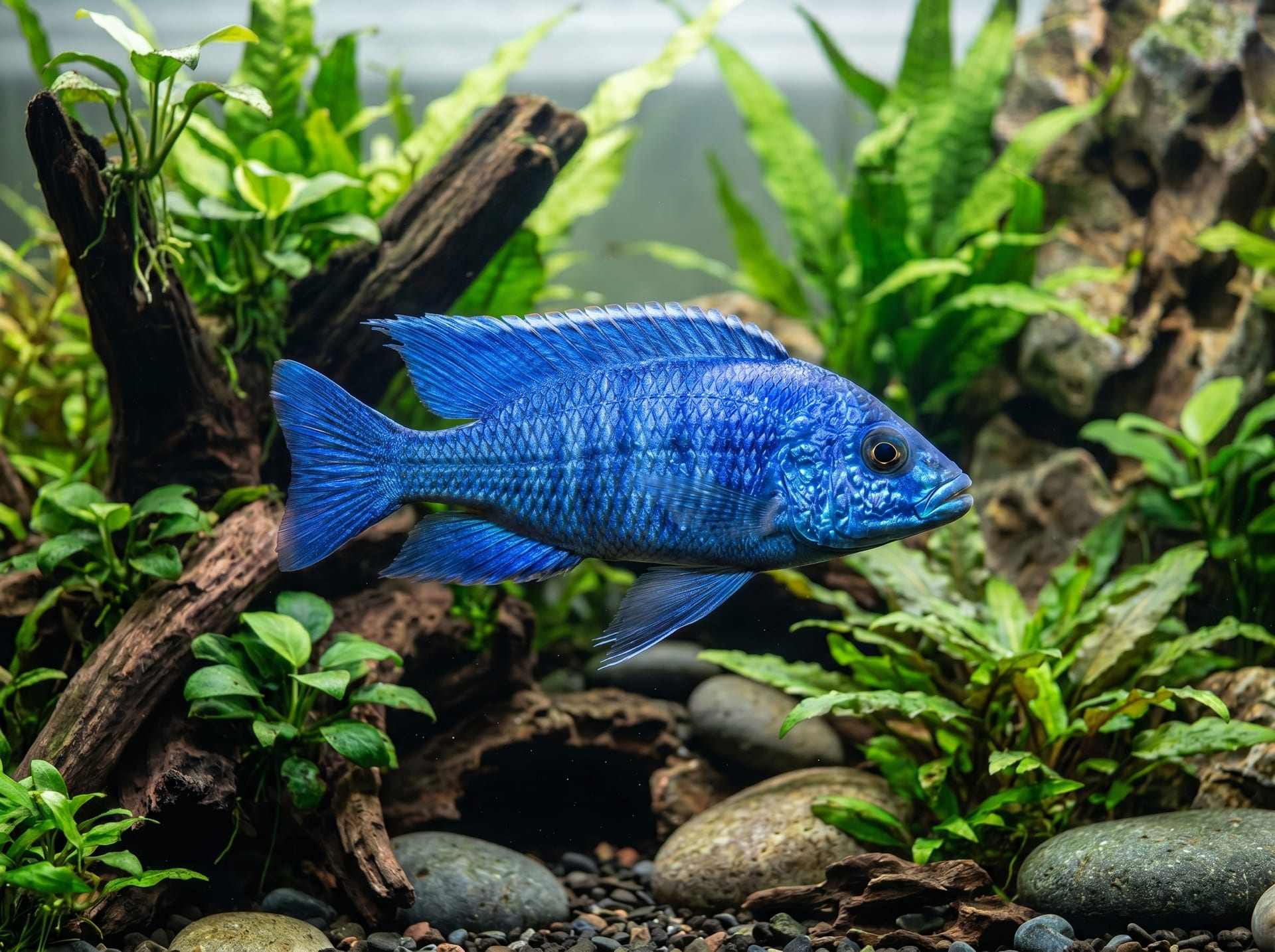
Rockwork is essential for Lake Malawi setups. Stack rocks to create caves, crevices, and overhangs that give subordinate fish places to retreat. When a fish can disappear from view, the dominant fish often loses interest — out of sight, out of mind. Use rocks that reach close to the water surface to create vertical barriers as well as horizontal ones.
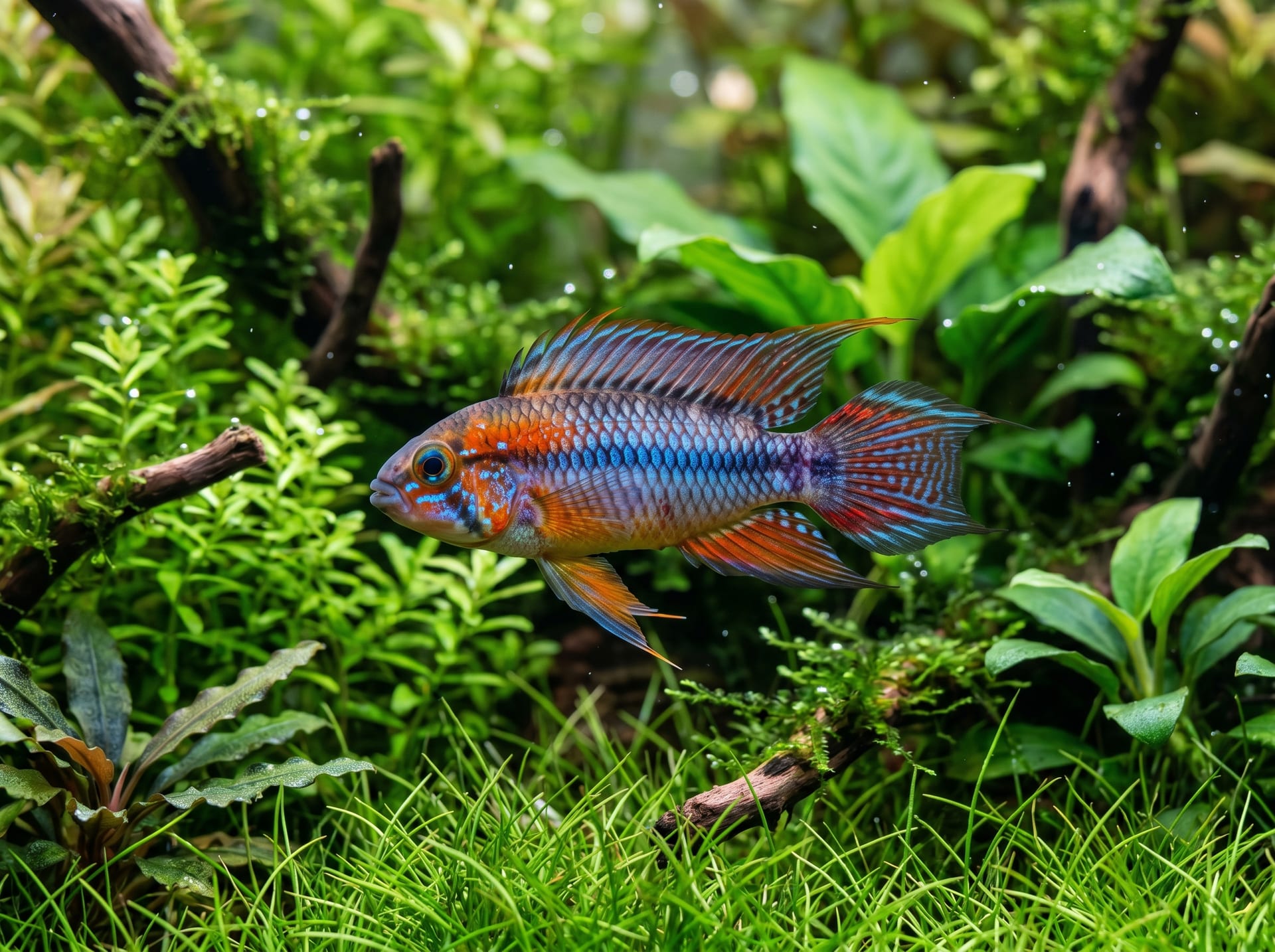
Driftwood and dense planting serve the same function in South American setups. Apistogramma pairs, for example, thrive when each pair can establish a visually separate micro-territory within the same tank. Dense Vallisneria or Cryptocoryne beds naturally segment the space.
The general rule: if two fish can see each other across the entire tank simultaneously, your hardscape needs more complexity. Aim for a layout where moving even a few centimeters changes which fish are visible.
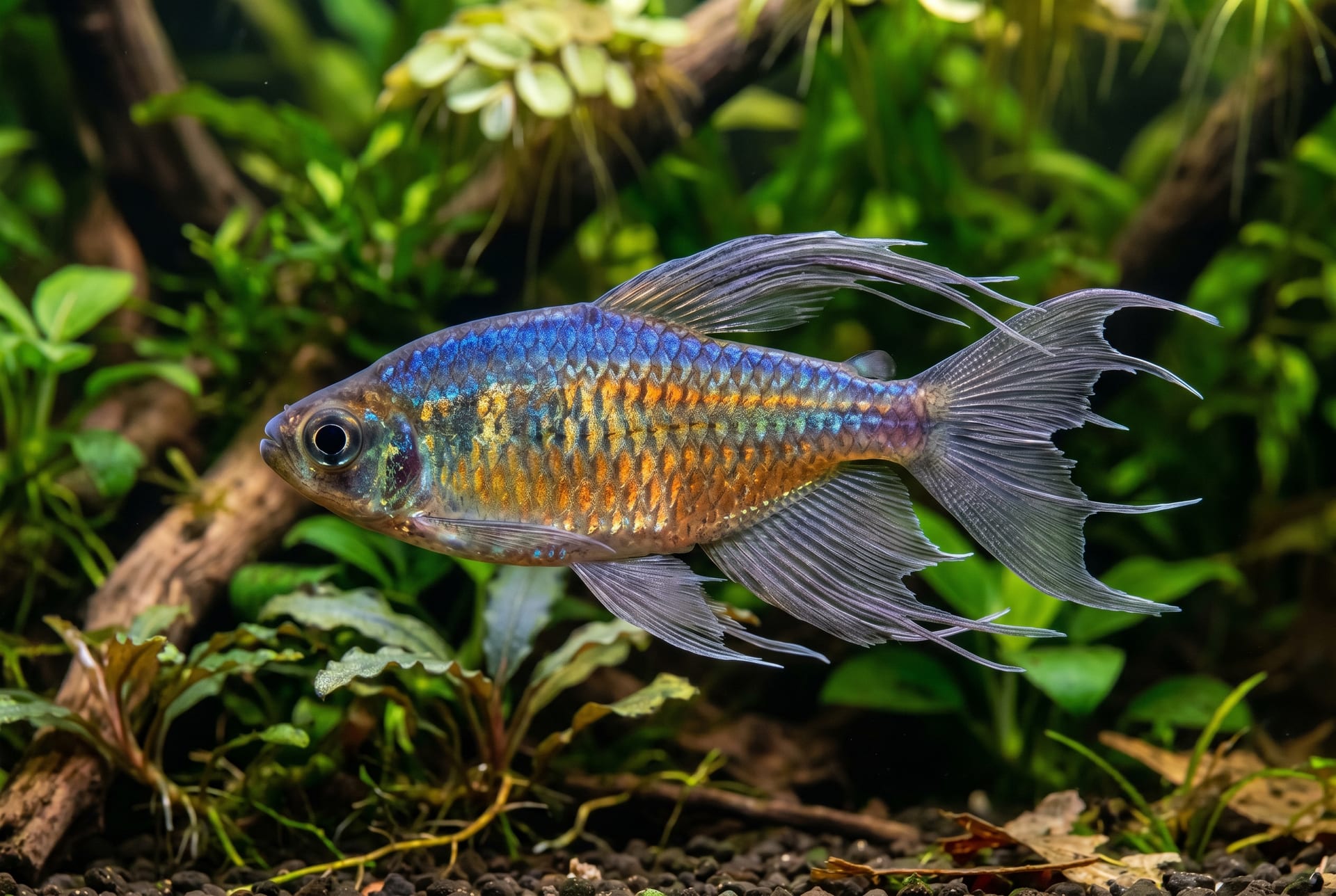
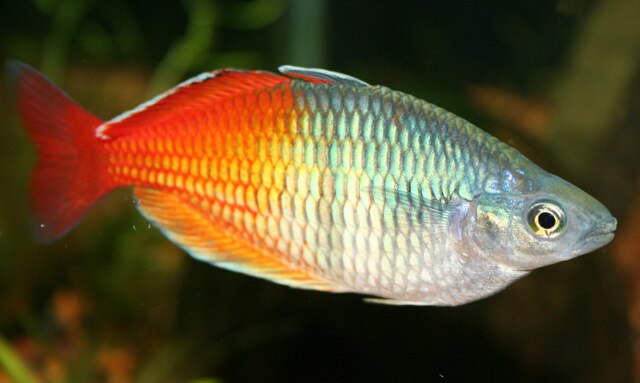
Dither fish are an underutilized technique that experienced cichlid keepers swear by. These are fast-moving, open-water schooling species — typically tetras, rasboras, or rainbowfish — kept in groups of six or more alongside cichlids.
Their presence accomplishes two things. First, their confident, active swimming signals to the cichlids that the environment is safe, reducing the defensive anxiety that often escalates territorial behavior. Second, they draw the cichlids' attention toward mid-water activity rather than fixating on tank mates at the bottom or in caves. Species like Congo tetras, giant danios, or Australian rainbowfish work particularly well because their size makes them less likely to be eaten while still being agile enough to escape.
Not all cichlids require the same management intensity. Matching your technique to the species prevents unnecessary complexity.
Mbuna (Lake Malawi) are the most demanding. Their aggression is constant, not just seasonal, and a species-only setup with heavy overstocking and dense rockwork is usually required. A 120cm tank can house 15–20 mbuna successfully where 6 would destroy each other.
Peacock cichlids and haps are moderately aggressive. Mixed peacock/hap setups work well with one male per species, multiple females, and clear visual breaks in the hardscape.
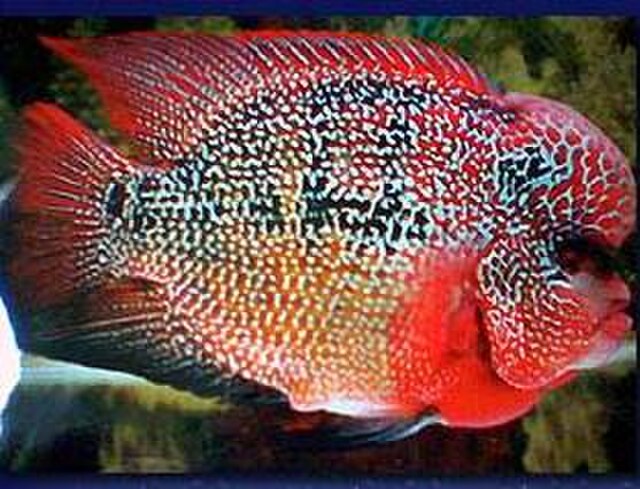
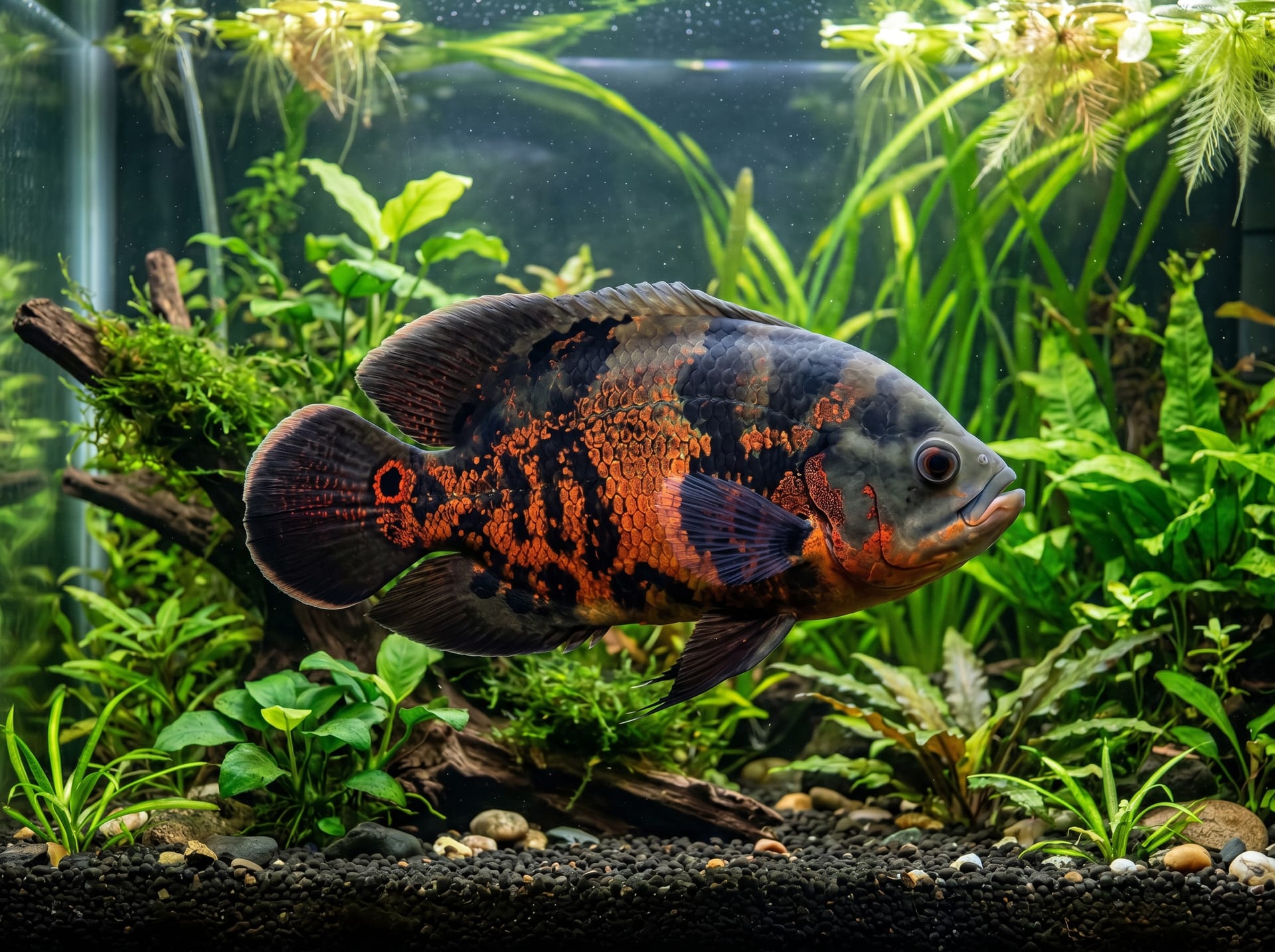
American cichlids (oscars, severums, earth-eaters) are pair-oriented. Once a bonded pair forms, tankmates need substantial size and speed to coexist. A species-only pair with a large tank is often the simplest solution.
Apistogramma and dwarf cichlids have the lowest aggression footprint. A pair can coexist with small tetras and corydoras in a well-planted 60cm tank with minimal intervention beyond providing adequate cave options for each pair.
Even a well-designed setup requires observation. Watch for fish that are persistently excluded from feeding, hiding continuously, or showing fin damage — these are early warning signs before serious injury occurs. Rearranging hardscape temporarily disrupts established territories and can reset a dominance hierarchy that has become dangerously imbalanced. In extreme cases, removing the aggressor for a week and reintroducing it later can shift the dynamic effectively.
Managing cichlid aggression is an ongoing process, not a one-time setup task. The reward is a tank full of active, naturally behaving fish that display the full richness of their behavioral repertoire — which is exactly what makes cichlids so endlessly compelling to keep.
Aquarium Volume Calculator
Calculate water volume, weight, and heater wattage from tank dimensions
Water Quality Checker
Find compatible fish, shrimp, plants & corals based on pH, temperature & hardness
Feeding Guide
Check feeding frequency, portion sizes & supplements by species and growth stage
Compatibility Checker
Check compatibility between two species on a 5-level scale