【新手指南】猫咪饲养完全指南
为初次饲养猫咪的人提供指导。从准备迎接猫咪、设置猫砂盆、饮食管理、室内环境布置等方面详细讲解,并针对苏格兰折耳猫、曼基康猫、布娃娃猫等热门猫种提供实用的饲养建议。【初心者指南】完整的猫咪饲养指南 猫咪凭借其独立的性格和神秘莫测但又讨人喜欢的行为举止,在日本已成为与狗并驾齐驱最受欢迎的宠物。
要点总结
为初次饲养猫咪的人提供指导。从准备迎接猫咪、设置猫砂盆、饮食管理、室内环境布置等方面详细讲解,并针对苏格兰折耳猫、曼基康猫、布娃娃猫等热门猫种提供实用的饲养建议。【初心者指南】完整的猫咪饲养指南 猫咪凭借其独立的性格和神秘莫测但又讨人喜欢的行为举止,在日本已成为与狗并驾齐驱最受欢迎的宠物。
相关品种
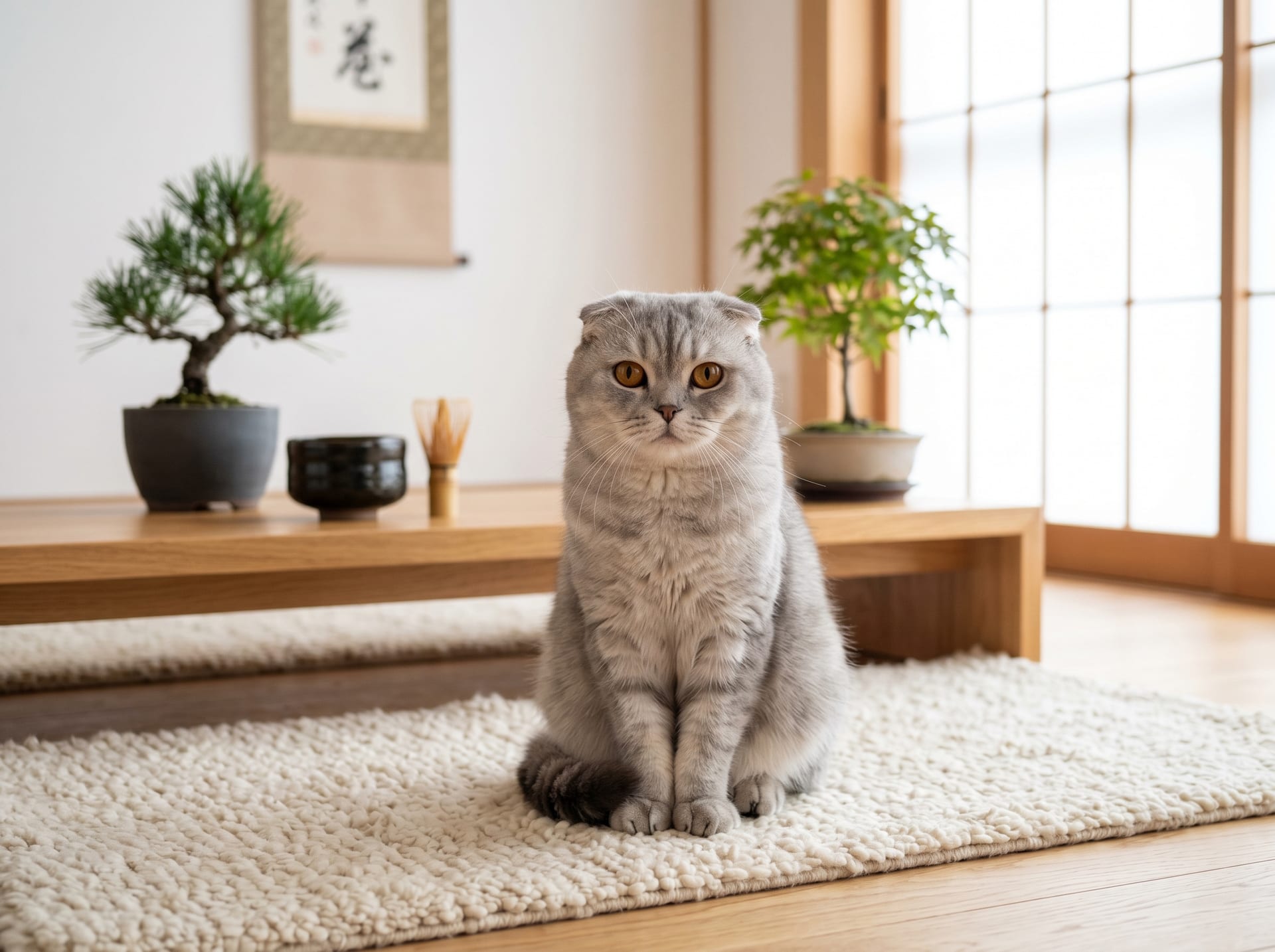
【初心者指南】完整的猫咪饲养指南
猫咪凭借其独立的性格和神秘莫测但又讨人喜欢的行为举止,在日本已成为与狗并驾齐驱最受欢迎的宠物。虽然有"独居也容易饲养"和"相对不费心"的印象,但若忽视适当的护理和环境建设,也可能导致健康问题或问题行为。本指南旨在帮助初次迎接猫咪的人免于后悔,从准备、日常护理到健康管理进行详细讲解。
迎接猫咪前需要准备的物品
在猫咪到家前一天,应该完成基本环境的布置。对于不熟悉新环境的猫咪来说,是否有安心的空间会大大影响它最初几天的适应情况。
必需物品清单
- 猫砂盆・猫砂:理想情况下,猫咪数量加1个。由于猫咪对砂类(矿物质型、木制、纸制等)有个人偏好,最初尝试基础的矿物质砂,失败率较低
- 食碗・水碗:陶瓷或不锈钢材质卫生易洗,塑料制品容易滋生细菌,最好避免
- 猫爬架・磨爪器:上下运动和磨爪是猫咪的本能需求。为了防止猫在家具上磨爪,应该在迎接前就安装好
- 猫咪背包:前往动物医院时必需。硬质背包稳定性好,紧急情况下也很有用
- 笼子(推荐):不是必需的,但在初期适应期、有客人来访或灾难时会派上用场。它可以成为猫咪"专属的安全地带"
猫咪预算・初期费用参考指南中,你可以提前确认需要准备的物品成本。猫咪对环境变化很敏感。迎接当天应让猫咪在安静的房间里自由活动,不要强行触摸,这是建立信任关系的第一步。
猫砂盆训练和室内环境布置
猫咪本能上会在沙子上排泄并隐藏排泄物。因此,相比于狗,猫咪的排泄训练要简单得多。不过,猫砂盆的清洁度和放置位置的考虑不能忽视。
猫砂盆训练基础
- 放置好猫砂盆后,将猫咪放入其中,温柔地帮助它用前爪刨砂
- 在进食后、起床后、玩耍后引导猫咪去猫砂盆
- 即使失败也不要责骂,成功时要温和地称赞
- 每天用铲子清理结块,每周更换一次全部砂土
室内环境布置方法
猫咪喜欢有高低差的空间,能从高处俯视全景的地方会让它感到安心。
- 猫爬架:理想高度为150厘米以上。如有多只猫咪,应准备多个逃脱和藏身场所
- 躲藏处:纸箱或隧道等"可以钻进去的地方"能让猫咪放松
- 防脱逃・误食对策:必须安装窗户和纱窗的防脱逃栏,并清除百合、绿萝、芦荟等对猫咪有毒的植物
饮食基础和补水
猫咪是"绝对肉食动物"。以蛋白质为中心的动物性营养成分至关重要,长期喂食人类食物或狗粮会导致营养不足。
按生活阶段的饮食管理
| 阶段 | 参考年龄 | 要点 |
|---|---|---|
| 幼猫期 | ~1岁 | 高蛋白、高热量的幼猫粮,每天分3~4次喂食 |
| 成猫期 | 1~7岁 | 成猫粮每天2次。注意体重管理 |
| 老年期 | 7岁~ | 切换到考虑肾脏和关节的老年猫粮 |
补水特别重要
猫咪原本是沙漠地带的动物,本性不爱喝水。摄水量不足会增加泌尿系统疾病(结石、膀胱炎)的风险。
- 干粮之外还要加入湿粮
- 将水碗放在远离食碗的位置,这样猫咪的饮水量会增加
- 使用自动饮水器(流水型)也能增加许多猫咪的饮水量
猫咪饮食与营养管理中详细讲解了粮食选择和手工食物的注意事项。
健康管理和日常护理
室内饲养的猫咪平均寿命为15~20年,是长寿宠物。要使它们长期健康生活,预防性医疗和日常护理习惯是必不可少的。
疫苗・预防接种
- 猫咪三价疫苗(猫疱疹病毒、卡利西病毒、泛白细胞减少症):第一年接种2~3次,之后每年补强接种1次
- 对于经常外出或多猫家庭的情况,还应考虑白血病和艾滋病(猫科免疫缺陷病毒)疫苗
绝育・去势手术
生后6~8个月是手术的适宜年龄。对于母猫,可预防乳腺肿瘤和子宫蓄脓症;对于公猫,可减轻喷尿行为和攻击性。健康益处很大,建议早期进行手术。详见猫咪绝育・去势手术指南。
日常护理
- 刷牙:牙周病会影响心脏和肾脏。从幼猫时期开始让它习惯被触摸口腔,养成每周2~3次刷牙的习惯
- 梳毛:长毛种每天梳理,短毛种也要每周2~3次。可以预防毛球症
- 剪爪:每2~3周一次。只剪白色部分,注意不要伤到血管(粉色部分)
- 定期体检:1~6岁每年1次,7岁以上半年1次为理想
从饲养者迎接的安心——BreederDirect的机制
迎接猫咪的方法多种多样,但从信任的饲养者那里直接迎接有许多优势。BreederDirect作为一个连接饲养者和买家的平台,致力于兼顾透明性和安心。
从饲养者迎接的优势
- 能够了解亲代猫的信息:可以提前掌握性格、体型、健康状况等,对未来的猫咪有更好的预期
- 饲养环境透明:能够确认猫咪在什么样的环境中长大,也更容易判断其社会化程度
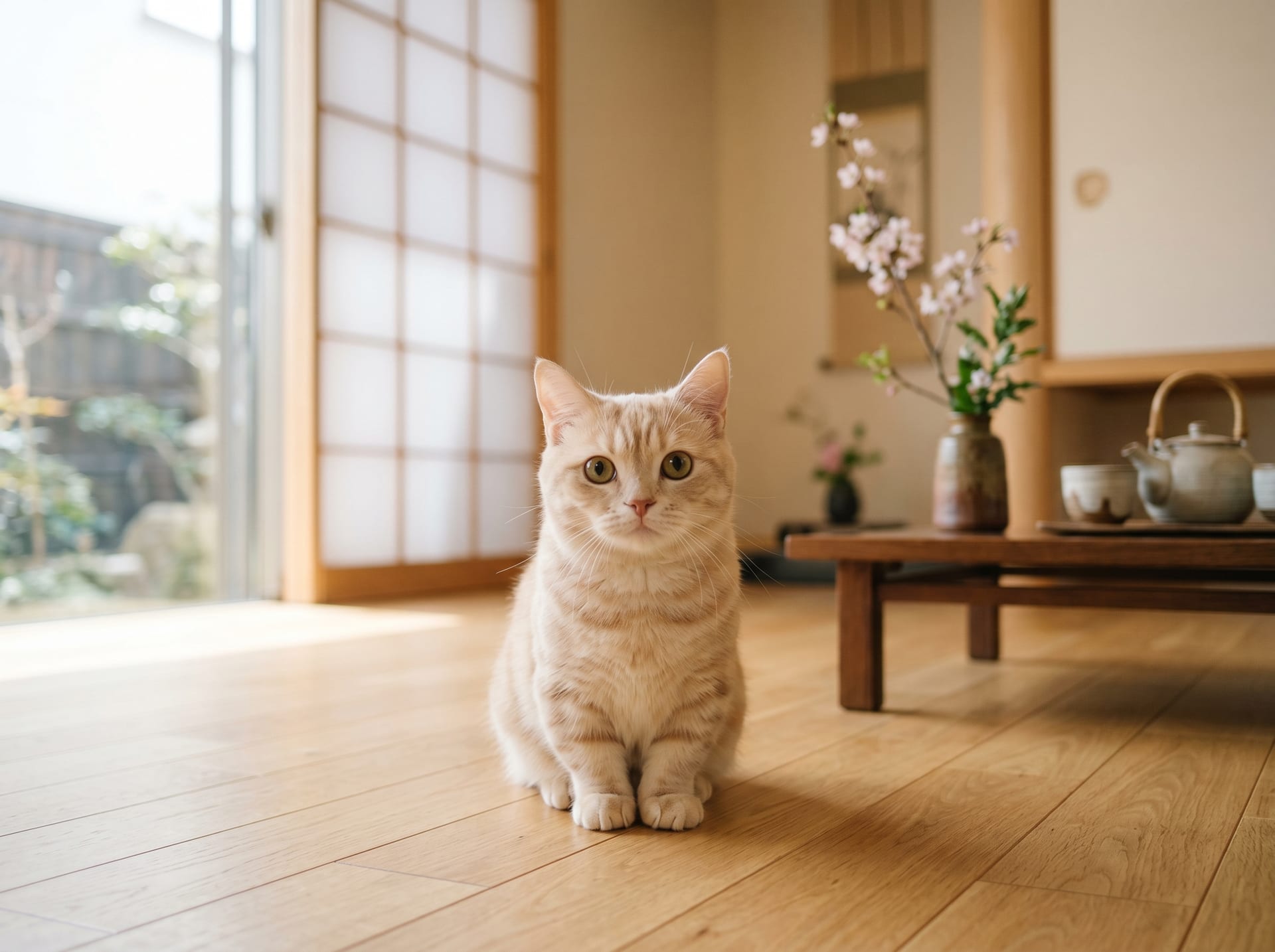
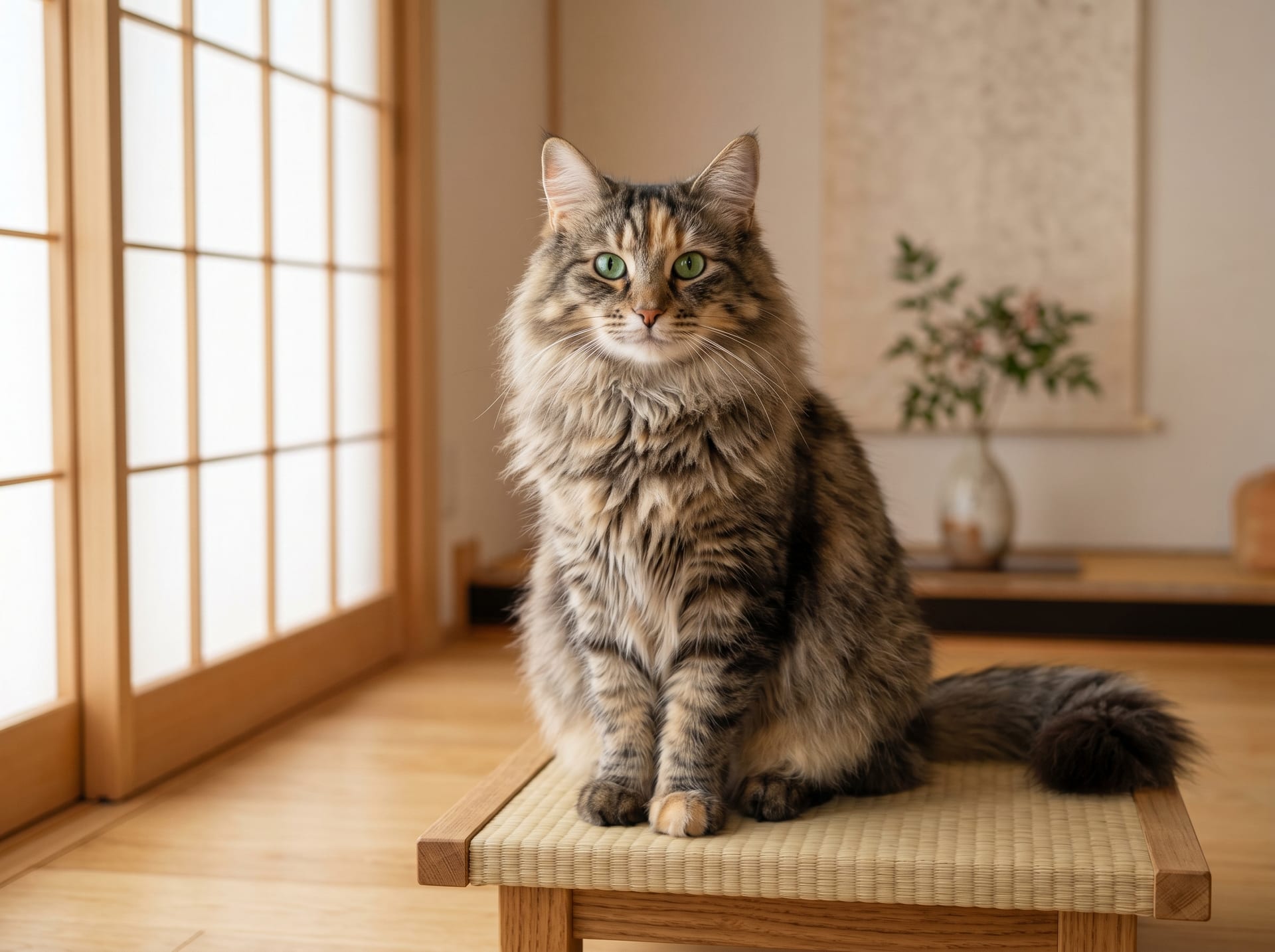
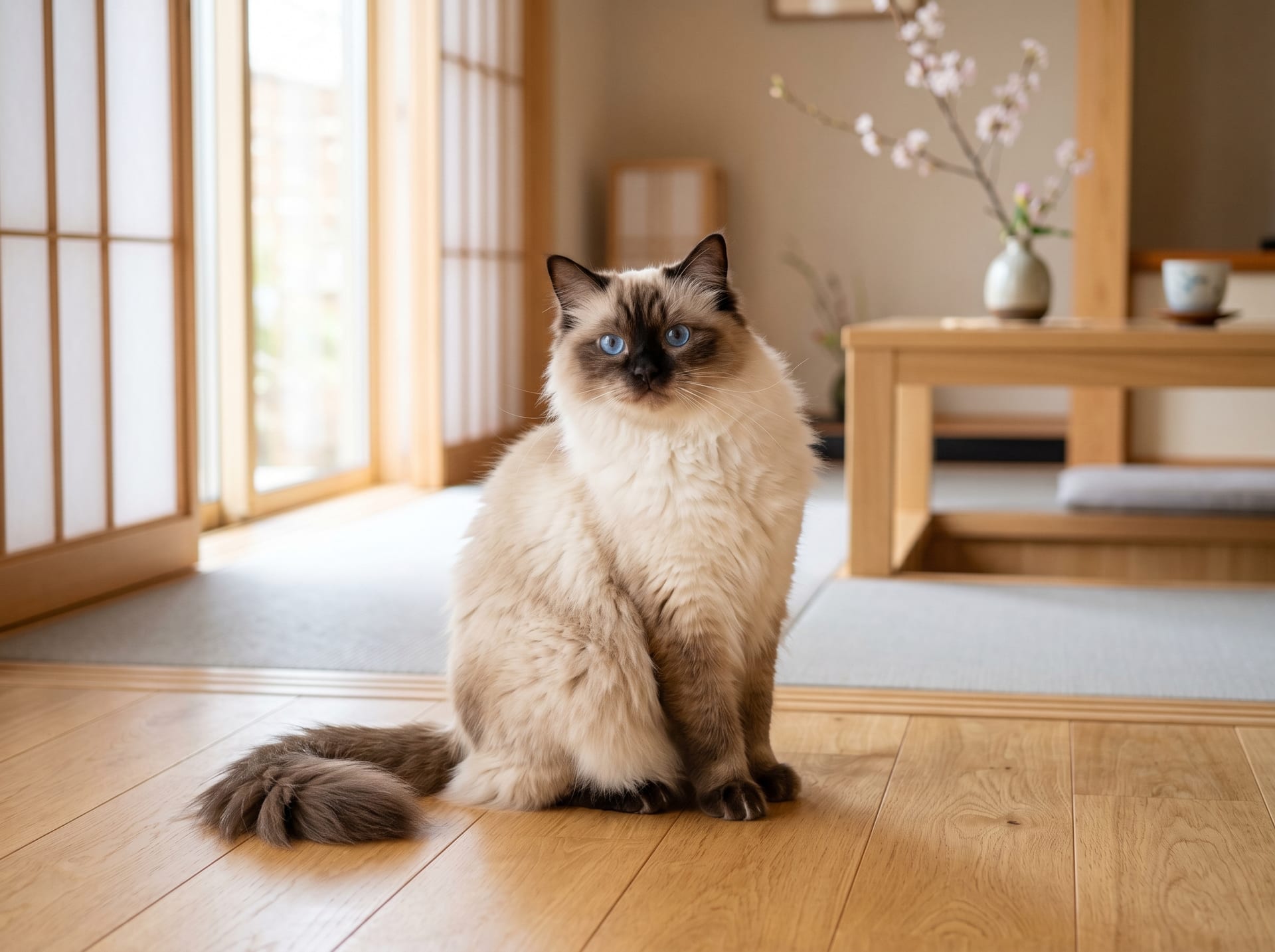
- 猫种特有的专业知识:能从饲养者那里直接听取苏格兰折耳猫的关节问题、曼基康猫的体型特征、布娃娃猫的大型化等猫种特有的注意事项
选择BreederDirect的理由
BreederDirect平台上汇集了苏格兰折耳猫、曼基康猫、布娃娃猫、挪威森林猫等多种猫种的饲养者。你可以比较饲养者的简介和出品信息,根据自己的生活方式找到合适的一只。此外,根据《动物爱护法》,引渡前必须进行对面查看和对面说明。由于代金交易由饲养者和购买者直接进行(BreederDirect既不代管代金也不持有结算信息),这意味着你可以在亲眼看到猫咪后再进行支付,这也增强了安心感。
请参考从饲养者选择猫咪的要点,做出不后悔的选择。与猫咪的生活是一次漫长的旅程。为了不为最初的选择后悔,请从信任的饲养者那里迎接健康的小猫,并做好充分的准备来欢迎这个新的家庭成员。